WarnerMedia's new streaming service HBO Max is already leading the pack — in terms of price.
Though viewers will need to shell out more for the service than its competitors, the price might actually be a bargain. HBO customers already pay $14.99 a month. With HBO Max, people will pay the same amount but get more bespoke programming and 10,000 hours of previously released movies and television shows.
WarnerMedia held an investor day for its new streaming service on Tuesday, unveiling more details about the highly anticipated platform. HBO Max will be half focused on younger millennial programming, with the other half focused on entertainment for children and adults.
The service, slated to launch in May 2020, will be the home for exclusive shows based on top properties including the Game of Thrones prequel House of Targaryen and a Gossip Girl" sequel. It will also have a rebooted version of *The Boondocks and a musical series set in the Grease 1950s universe, as well as *Sesame Street" and spin-offs from the franchise.
WarnerMedia also has a goal of HBO Max reaching 50 million users by 2025. It already has a head start, given that HBO already has 37 million domestic subscribers and standalone HBO Now customers will get HBO Max for the same price.
While the service does cost three times the price of the upcoming Apple TV+, which is set to launch on November 1 at $4.99, HBO Max will come with a large library of shows and movies. Customers will also be able to find TV series including South Park, Friends, The Fresh Prince of Bel-Air, and The Big Bang Theory. DC movies including Joker will be available at launch, among other titles.
In order to run some of this content exclusively, WarnerMedia has pulled some of the high-profile content from competitors like Netflix and Hulu. That should give HBO Max a competitive boost, considering that many of these shows are proven hits and household names.
In addition, HBO Max gets benefits from the strong HBO brand. Many consumers equate HBO with quality and award-winning programming. WarnerMedia plans to double its annual spend on HBO content to $2 billion in 2020. It's still a fraction of the $15 billion Netflix is set to spend on shows and movies this year. Even with the smaller budget, HBO dominated at the Emmys this year, taking home 34 top honors. Netflix nabbed 27, while Amazon had 15.
Still, it's not all smooth sailing ahead for HBO Max. The company could potentially dilute the brand name if it expands to shows and movies that aren't up to the same standard loyal HBO audiences are used to.
It's also the late entrant to a marketplace that will already have Apple and Disney's new streaming platforms, as well as Netflix, Hulu, and the myriad of hyperspecific streaming services that cater to niche tastes. While the $15 price point isn't unreasonable, viewers may be checking their wallets by next May to see if they have enough left in the budget to add HBO Max.
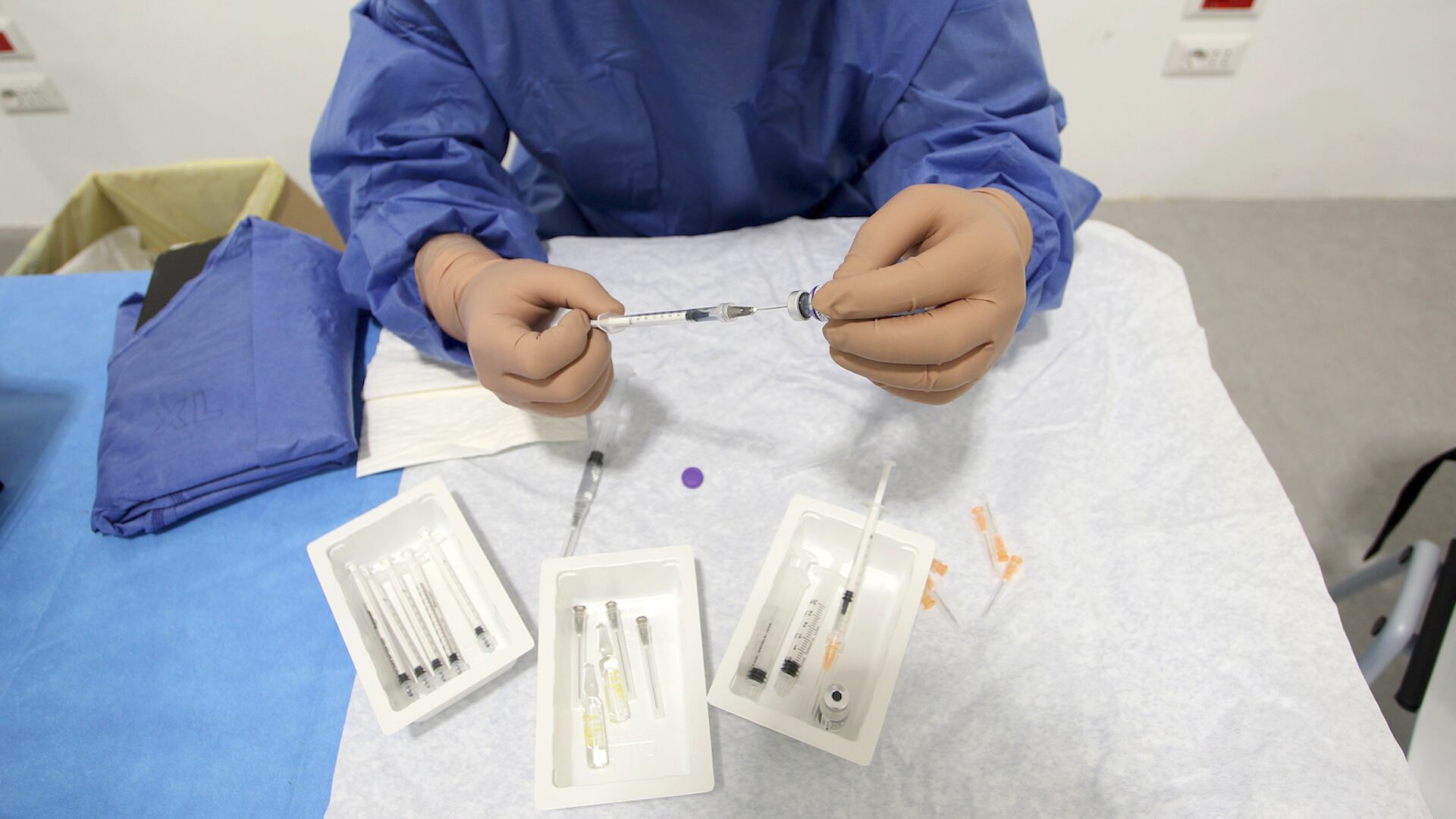
A CDC panel unanimously endorsed Moderna and Pfizer Covid-19 vaccine boosters for all U.S. adults. This comes after the FDA gave its own authorization for everyone 18 and older, scrapping previous eligibility factors like age and underlying conditions. Dr. Shereef Elnahal, President and CEO of University Hospital and former New Jersey Health Commissioner, joined Cheddar News to break down the development.
Phyllis Newhouse, the first black woman to bring a company public via SPAC on the NYSE earlier this year, has launched her second SPAC, ShoulderUp Technology Acquisition.
Phyllis is a serial entrepreneur, retired military officer, and founder of the ShoulderUp movement, which educates and encourages women around the world to reach their greatest economic, political and cultural potential. Shawn Henry is part of the ShoulderUp team, bringing his expertise on cybersecurity to the new company. Both Phyllis and Shawn joined Cheddar to discuss this new venture and how it plans to tackle the issue of cybercrime.
John Petrides, Portfolio Manager at Tocqueville Asset Management, joins Cheddar News' Closing Bell, where he breaks down Monday's market activity amid the emergence of the omicron variant, and what it could mean for the Fed's timeline when it comes to raising rates and tapering pandemic aid.
Amid continued volatility due to COVID-19, high inflation, and changing consumer and business behavior, what are investors thinking as we close out the fourth quarter and look ahead to 2022? Hady Farag, Partner and Associate Director at Boston Consulting Group, joins Cheddar News' Closing Bell to discuss what investors are prioritizing, what risks they are watching out for, and more.
Don Basile, CEO, Monsoon Blockchain & Founder of Bitcoin Latinum, joins Cheddar News' Closing Bell, where he explains why we're seeing major crypto investors look to purchase expensive pieces of art, and discusses what the NFT space could look like in the not-too-distant future.
Jack Constantine, chief digital officer and product inventor at Lush, joined Cheddar to talk about the cosmetic company's mass exodus from major social media platforms TikTok, Facebook, Instagram, and Snapchat, in the wake of recent reports that Instagram specifically had negative impacts on teen girls. He noted that with teenage girls being a large part of its consumer base and audience, Lush had a responsibility to market its company on outlets that prioritize mental wellbeing. "For us, we've always been a social brand, and it started to feel that social media was no longer offering what we felt we wanted to gain from it," he said. "And then obviously when you add that to the damage that it's causing, it just feels like a combination that we can't continue on with." The company also pulled out of social media platforms in 2019.