WarnerMedia's new streaming service HBO Max is already leading the pack — in terms of price.
Though viewers will need to shell out more for the service than its competitors, the price might actually be a bargain. HBO customers already pay $14.99 a month. With HBO Max, people will pay the same amount but get more bespoke programming and 10,000 hours of previously released movies and television shows.
WarnerMedia held an investor day for its new streaming service on Tuesday, unveiling more details about the highly anticipated platform. HBO Max will be half focused on younger millennial programming, with the other half focused on entertainment for children and adults.
The service, slated to launch in May 2020, will be the home for exclusive shows based on top properties including the Game of Thrones prequel House of Targaryen and a Gossip Girl" sequel. It will also have a rebooted version of *The Boondocks and a musical series set in the Grease 1950s universe, as well as *Sesame Street" and spin-offs from the franchise.
WarnerMedia also has a goal of HBO Max reaching 50 million users by 2025. It already has a head start, given that HBO already has 37 million domestic subscribers and standalone HBO Now customers will get HBO Max for the same price.
While the service does cost three times the price of the upcoming Apple TV+, which is set to launch on November 1 at $4.99, HBO Max will come with a large library of shows and movies. Customers will also be able to find TV series including South Park, Friends, The Fresh Prince of Bel-Air, and The Big Bang Theory. DC movies including Joker will be available at launch, among other titles.
In order to run some of this content exclusively, WarnerMedia has pulled some of the high-profile content from competitors like Netflix and Hulu. That should give HBO Max a competitive boost, considering that many of these shows are proven hits and household names.
In addition, HBO Max gets benefits from the strong HBO brand. Many consumers equate HBO with quality and award-winning programming. WarnerMedia plans to double its annual spend on HBO content to $2 billion in 2020. It's still a fraction of the $15 billion Netflix is set to spend on shows and movies this year. Even with the smaller budget, HBO dominated at the Emmys this year, taking home 34 top honors. Netflix nabbed 27, while Amazon had 15.
Still, it's not all smooth sailing ahead for HBO Max. The company could potentially dilute the brand name if it expands to shows and movies that aren't up to the same standard loyal HBO audiences are used to.
It's also the late entrant to a marketplace that will already have Apple and Disney's new streaming platforms, as well as Netflix, Hulu, and the myriad of hyperspecific streaming services that cater to niche tastes. While the $15 price point isn't unreasonable, viewers may be checking their wallets by next May to see if they have enough left in the budget to add HBO Max.
Chris Willman, Features Editor for Variety, discusses changes within the music industry and how venues can provide a safer environment for concert-goers.
As the U.S. continues to face supply chain shortages, President Joe Biden is reassuring U.S. consumers that the supply chain is in "very strong shape" ahead of the all-important holiday season. As supply bottlenecks start to show signs of improvement, the industry may be faced with yet another challenge: the Omicron variant. Rob Caucci, Co-Founder & Co-CEO of Fillogic joined Cheddar's Opening Bell to discuss.
Local Bounti rang the opening bell December 3 in honor of its recent trading debut on the NYSE after closing a $1.1 billion SPAC deal. The company operates an indoor growing facility in Montana and aims to transform the production and delivery of local, fresh and sustainably-grown leafy greens. Craig Hurlbert, co-founder and co-CEO of Local Bounti, joined Cheddar to discuss the company's goals as a newly publicly-traded company.
Markets rebounded Monday morning after Friday's deep sell-off that saw the Dow suffer its worse day since 2020. It comes as investors continue to react to the impact of the omicron variant on the broader reopening. Eddie Ghabour, Co-Owner at the Key Advisors Group joined Cheddar's Opening Bell to discuss.
Markets bounced back this morning with travel leading the gains after plunging on Monday as the first case of Omicron was detected in the U.S. Jimmy Lee, CEO, Wealth Consulting Group joined Cheddar's Opening Bell to discuss.
Stephan Winkelmann, president of Bugatti Automobiles and CEO of Lamborghini, stopped by Cheddar to talk about Lamborghini's 2021 success after the luxury automaker set a company sales record on more than 6,9000 vehicles delivered. With climate change top of mind for the auto industry, Winkelmann also talked about Lamborghini's commitment to hybridizing its entire fleet. Still, when it comes to supercars, the legacy brand isn't quite ready to give up gasoline power, and according to the CEO, three new combustion engine vehicles will be available in 2022.
The market saw investors react to comments by the World Health Organization's chief scientist, who suggested existing vaccines are likely to offer protection against the new variant. According to Thomas Hayes, chairman of Great Hill Capital, the next two weeks will be crucial as the markets watch for not only the effects of the Omicron variant, but also the Fed's decision on a taper.
Jason Moser, Senior Analyst at The Motley Fool, joined Wake Up With Cheddar to discuss the latest with Salesforce, as the company suffered its worst day on the market since the beginning of the pandemic.
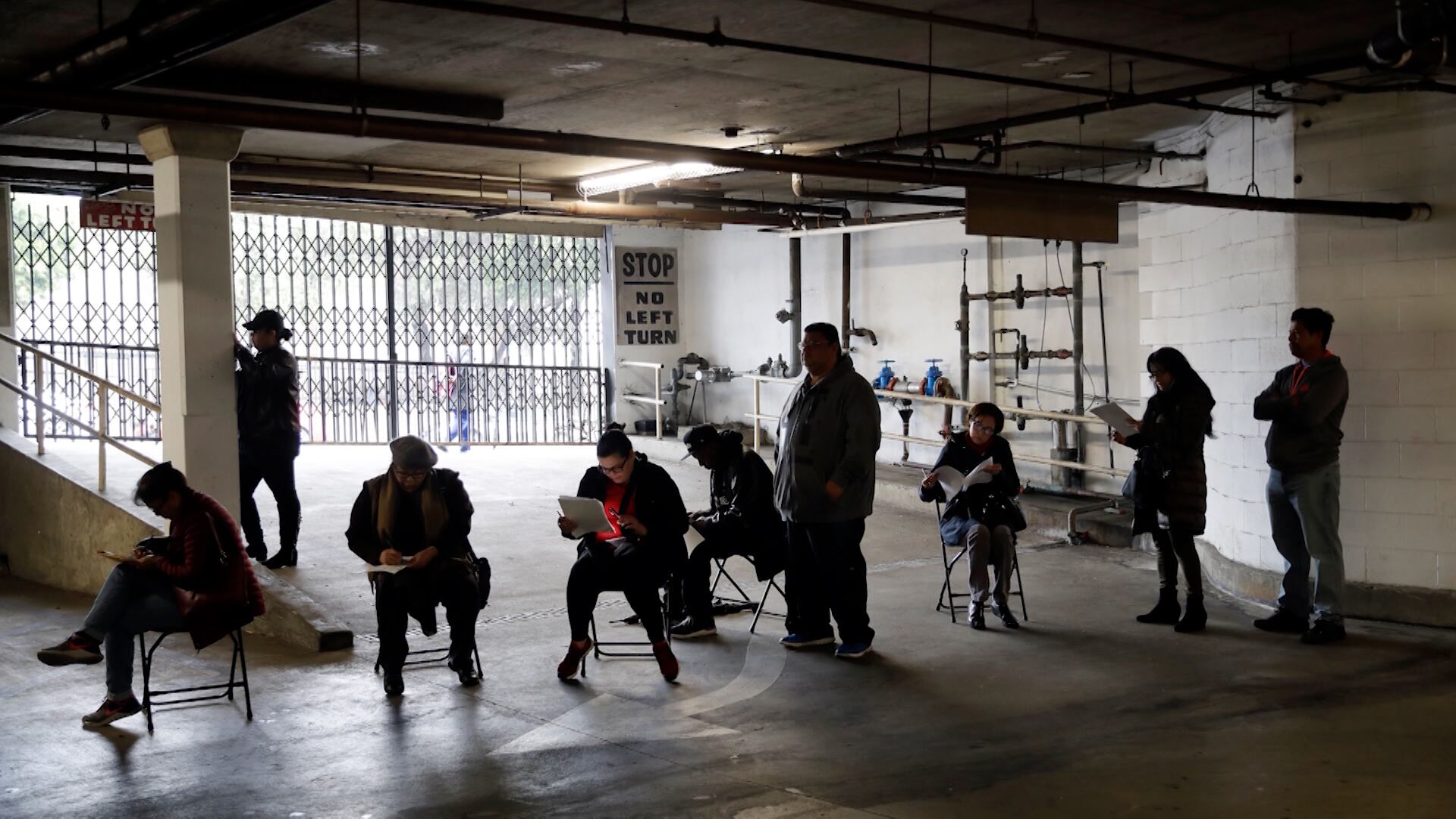
The U.S. jobs report fell way short of economist projections after adding just 210,000 in November compared to the expected 550,000. William M. Rodgers III, the VP and director of the Institute for Economic Equity at the Federal Reserve Bank of St. Louis, joined Cheddar to break down the jobs report and explained that while added payrolls didn't meet expectations, the economy is still progressing as the unemployment rate also fell 4.2 percent. "One month doesn't make a trend," Rodgers added. He did note that from an equity standpoint inflation is a cause for concern for middle and low-income families, as holiday season price hikes are expected to hit them hard.