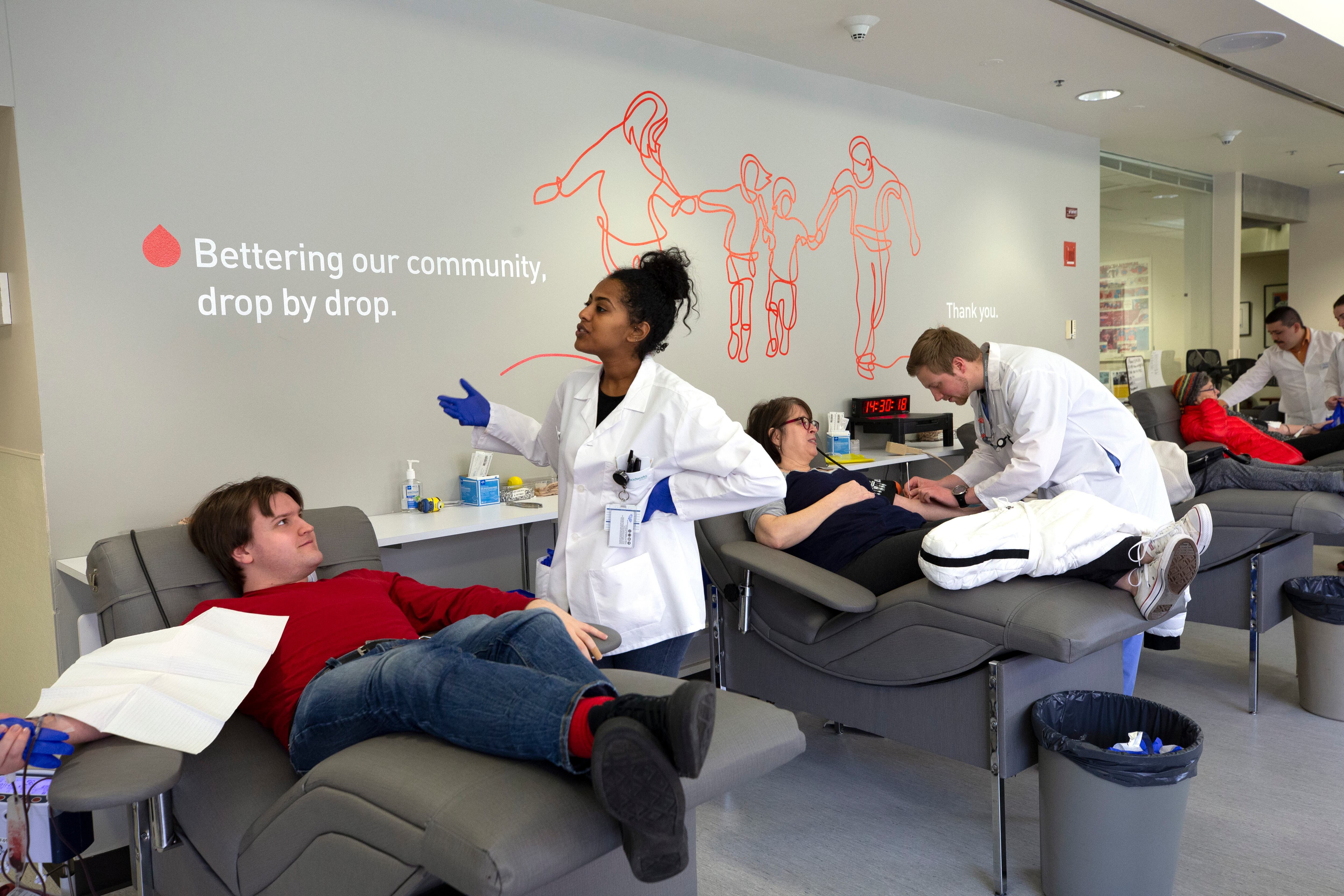
Alex Vance (L) speaks with medical assistant Lydia Rezene as he donates blood at Bloodworks Northwest on March 17, 2020 in Seattle, Washington. Schools provide 25 percent of local blood donations and their closing due to the coronavirus (COVID-19) outbreak has officials worried the region could see a shortage. (Photo by Karen Ducey/Getty Images)
Americans capable, willing, and able to donate blood are encouraged to do so during an era of social distancing.
"Social distancing doesn't have to mean social disengagement," U.S. Surgeon General Dr. Jerome Adams said during the Coronavirus Task Force briefing on Thursday, warning of blood shortages.
American Red Cross Senior Vice President Paul Sullivan told Cheddar he's concerned about an already low blood supply in the U.S., compounded by a recent wave of coronavirus-inspired blood drive cancellations, numbering more than 5,000 drives resulting in some 170,000 fewer donations.
Sullivan said he still plans to continue donating.
However, the Red Cross is changing its normal precautions in response to coronavirus concerns. Sullivan told Cheddar those new precautions include temperature checks before entering the donation space and changing gloves between each collection.
Surgeon General Adams also explained beds are six feet apart and staff members are disinfecting surfaces more often.
"So give blood today. You'll feel good about it, and you'll be helping your country and community during this crisis. And you might even save a life," he said.
Red blood cells only have a shelf life of 42 days and platelets just 5 days, so blood donations must continue in order to continue vital medical procedures to keep people alive.
"As this progresses, the way it will challenge our healthcare system … it will be just that — it will be very challenging," Sullivan warned. "No one gets a transfusion if they don't need it. We don't want to put the medical community in a situation where they have to pick who gets blood and who doesn't."
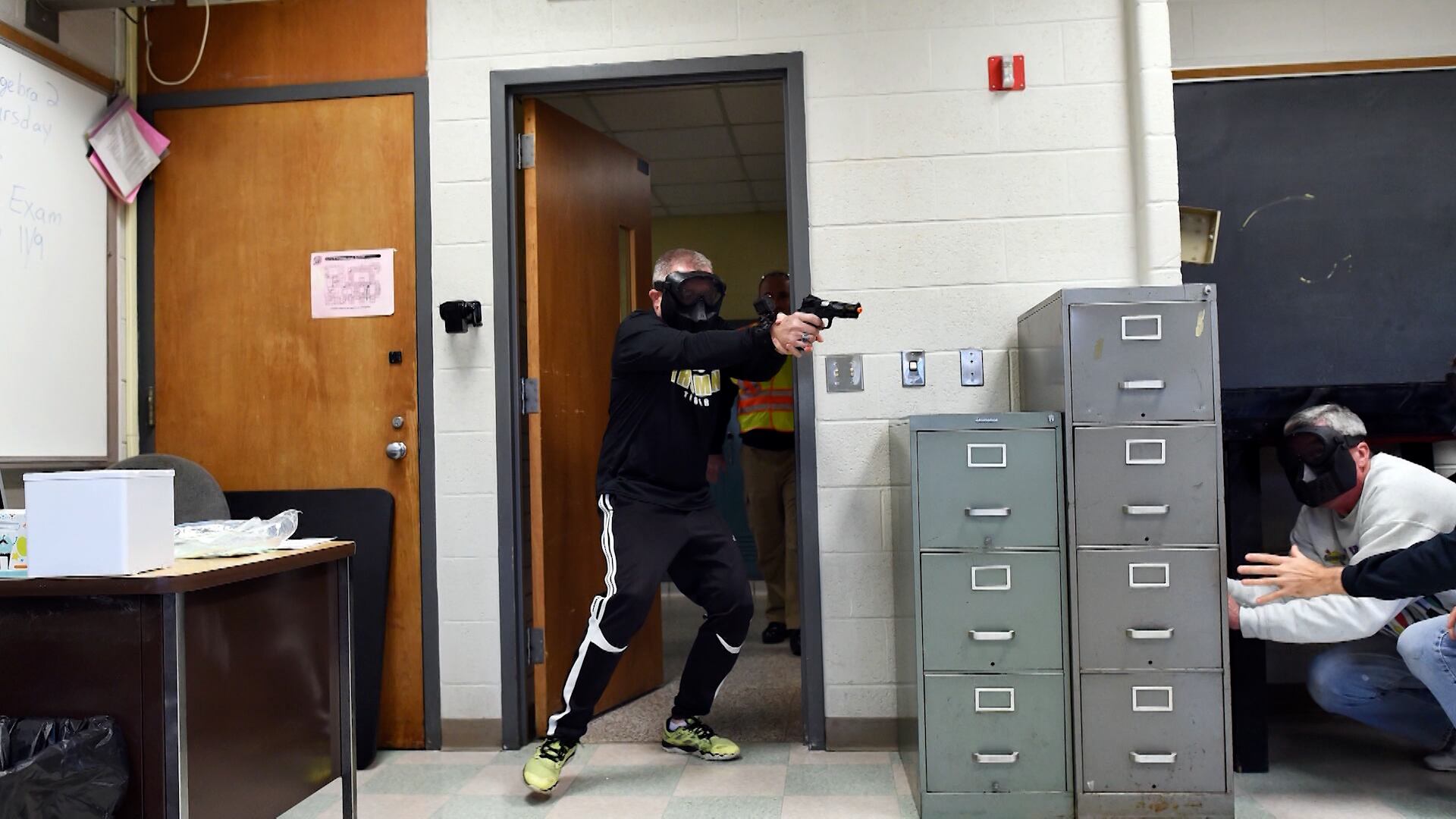
The most recent school shooting in Michigan is highlighting the tragic fact that U.S. shootings on campuses are ticking up. The aftermath of these incidents leaves students, faculty, and families suffering intense trauma with lasting effects. Darby Fox, an adolescent family therapist, joins Cheddar News to discuss how school shootings impact the mental health of students and their families.
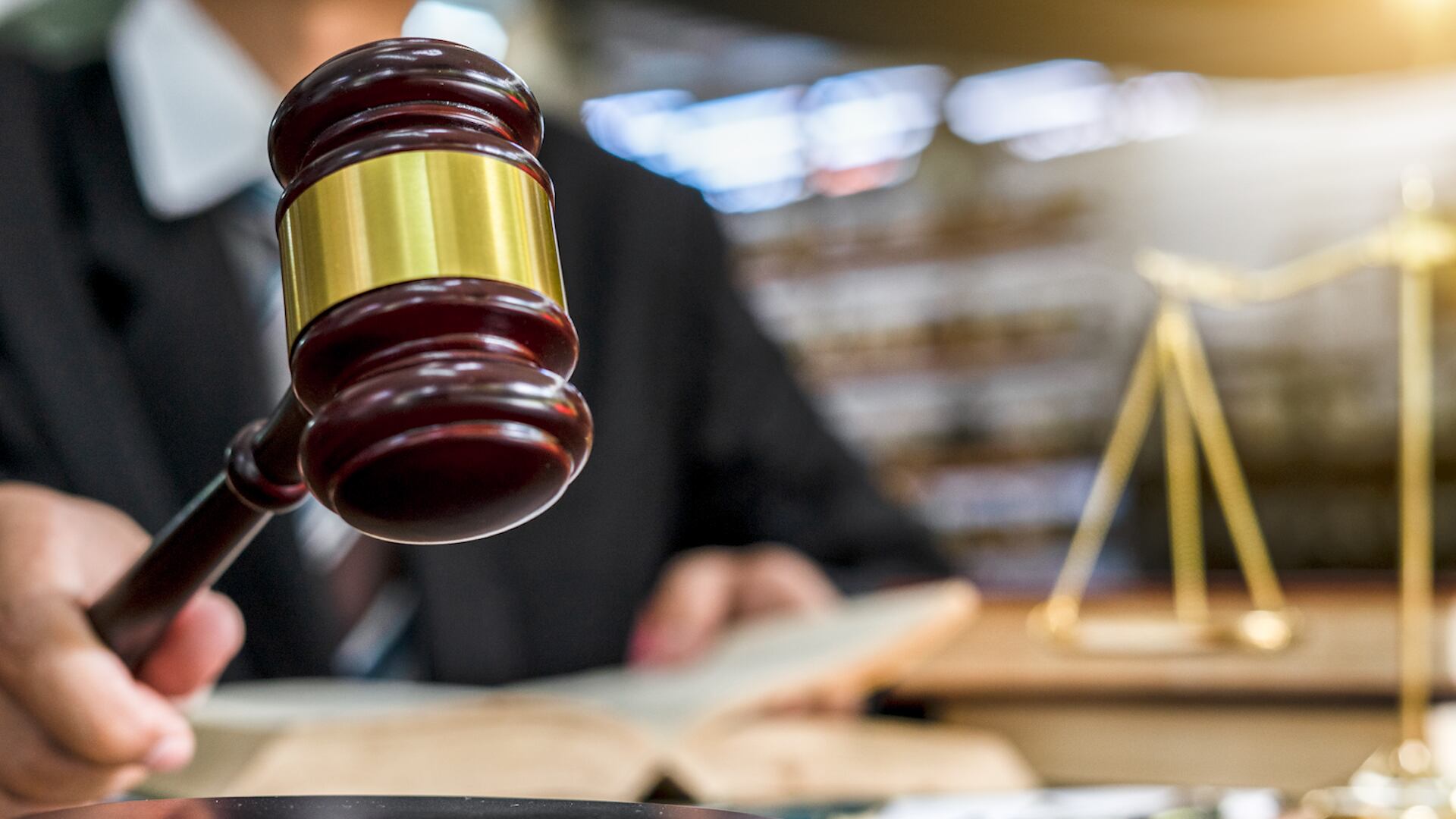
With so many high-profile court cases taking over the media, from the trial over the murder of Ahmaud Arbery to the trial of Kyle Rittenhouse to the ongoing Elizabeth Holmes trial, Cheddar took a look at these cases and why there is such a big interest in them. Rachel Fiset, a white collar criminal defense lawyer and partner with Zeiback, Fiset, and Coleman, and Bryan Hance, attorney-at-law, professor, and academic program director of the pre-law and paralegal studies program at National University, joined Cheddar for a roundtable discussion on why there is so much public interest in so-called courtroom drama.
2022 is just around the corner and one of the world's most famous trendspotters says that there is a wide-ranging mix of trends coming up in the new year that could impact businesses, culture, and our society at large.
Trendspotter and cultural zeitgeist analyst Marian Salzman, joined Cheddar to discuss more.
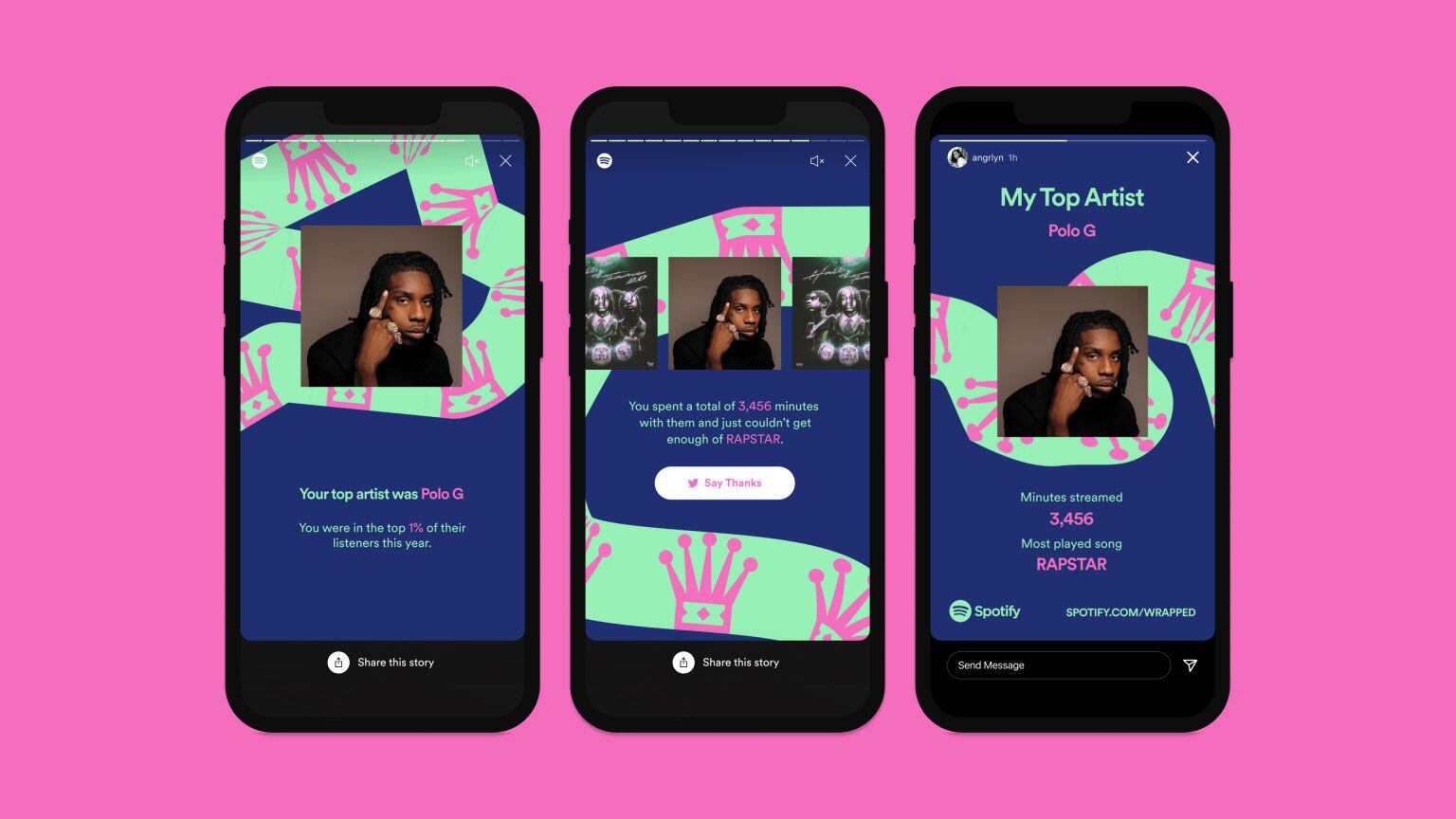
Spotify has just officially released its 2021 'Wrapped'. For the past few years, the streaming giant has been presenting customers with their listening habits from the prior year, including favorite artists, most listened to the genre, podcasts, songs you name it. However, critics say this method just shows how apps can collect our data. CEO of Prevailion Karim Hijazi, joined Cheddar to discuss more.
Recent internal documents obtained by the New York Times reveal how exactly TikTok's algorithm works. The report highlights how the app is mainly focused on retaining two metrics which are retention and time spent. In addition, the document titled, "TikTok Algo 101" details how the algorithm understands human nature from when we get bored to our sensitivity and culture ques. It means the app monitors will kind of videos you like. Professor of Computer Science at the University of California in San Diego Julian McCauley, joined Cheddar to discuss more.
According to a recent study by a group of international researchers, artificial intelligence can predict new illegal drugs before they hit the streets. This method could help save lives and fight crime. Professor of Computing Science at the University of Alberta, joined Cheddar to discuss more.
Carlo and Baker discuss the sweeping new vaccine mandate in NYC that will target all private businesses. Plus, Trump's media venture gets its CEO and more.
A lockout is now in place for Major League Baseball. The collective bargaining agreement between the league and players association expired at 11:59 p.m. Wednesday night.
MLB commissioner Rob Manfred said both sides were unable to negotiate a new contract by that time, so the league locked out the players on Thursday at 12:01 a.m. The lockout also means trades and free agency deals have to stop for now. Dodgers Nation lead editor Clint Pasillas joined Cheddar News' Closing Bell to discuss.