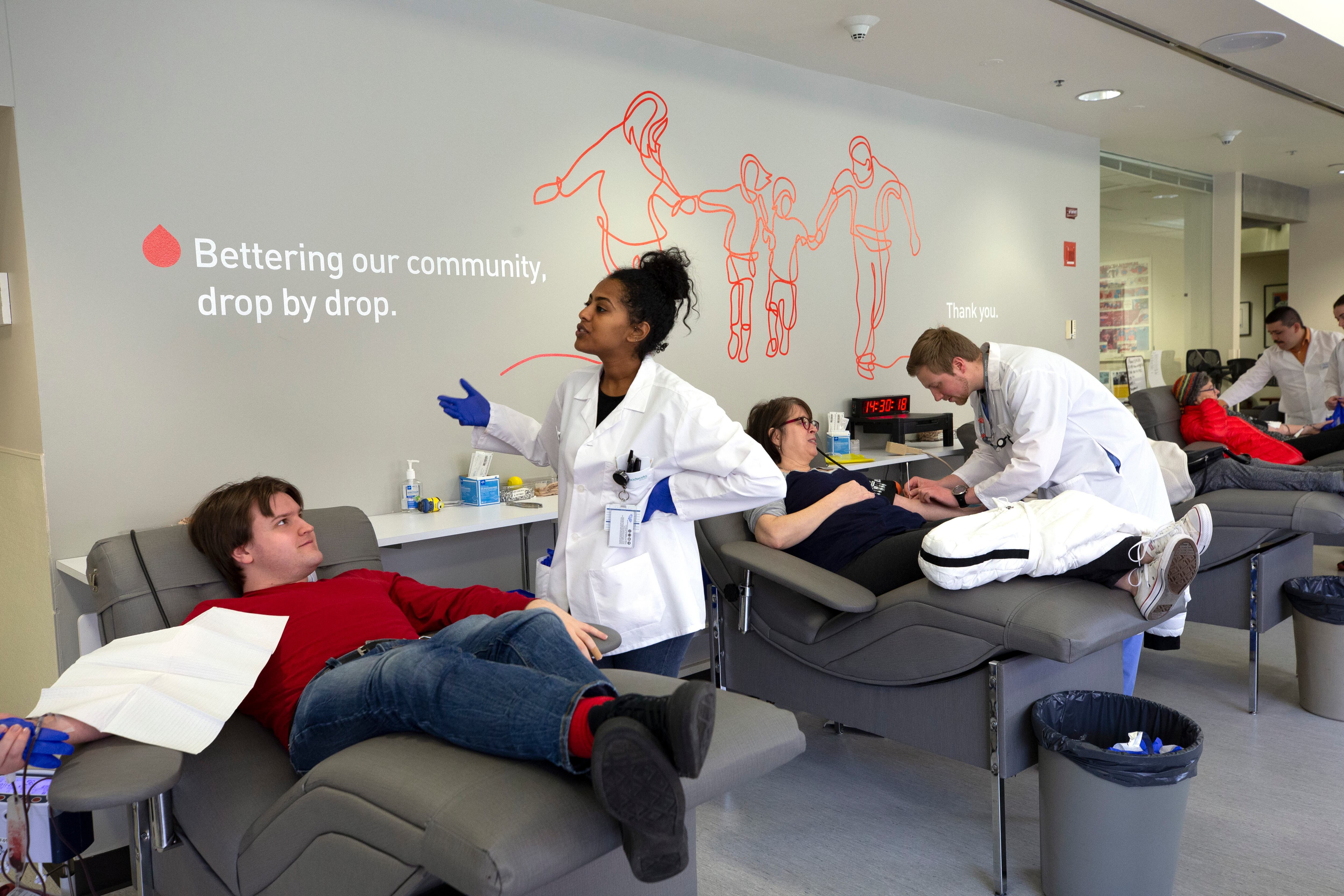
Alex Vance (L) speaks with medical assistant Lydia Rezene as he donates blood at Bloodworks Northwest on March 17, 2020 in Seattle, Washington. Schools provide 25 percent of local blood donations and their closing due to the coronavirus (COVID-19) outbreak has officials worried the region could see a shortage. (Photo by Karen Ducey/Getty Images)
Americans capable, willing, and able to donate blood are encouraged to do so during an era of social distancing.
"Social distancing doesn't have to mean social disengagement," U.S. Surgeon General Dr. Jerome Adams said during the Coronavirus Task Force briefing on Thursday, warning of blood shortages.
American Red Cross Senior Vice President Paul Sullivan told Cheddar he's concerned about an already low blood supply in the U.S., compounded by a recent wave of coronavirus-inspired blood drive cancellations, numbering more than 5,000 drives resulting in some 170,000 fewer donations.
Sullivan said he still plans to continue donating.
However, the Red Cross is changing its normal precautions in response to coronavirus concerns. Sullivan told Cheddar those new precautions include temperature checks before entering the donation space and changing gloves between each collection.
Surgeon General Adams also explained beds are six feet apart and staff members are disinfecting surfaces more often.
"So give blood today. You'll feel good about it, and you'll be helping your country and community during this crisis. And you might even save a life," he said.
Red blood cells only have a shelf life of 42 days and platelets just 5 days, so blood donations must continue in order to continue vital medical procedures to keep people alive.
"As this progresses, the way it will challenge our healthcare system … it will be just that — it will be very challenging," Sullivan warned. "No one gets a transfusion if they don't need it. We don't want to put the medical community in a situation where they have to pick who gets blood and who doesn't."
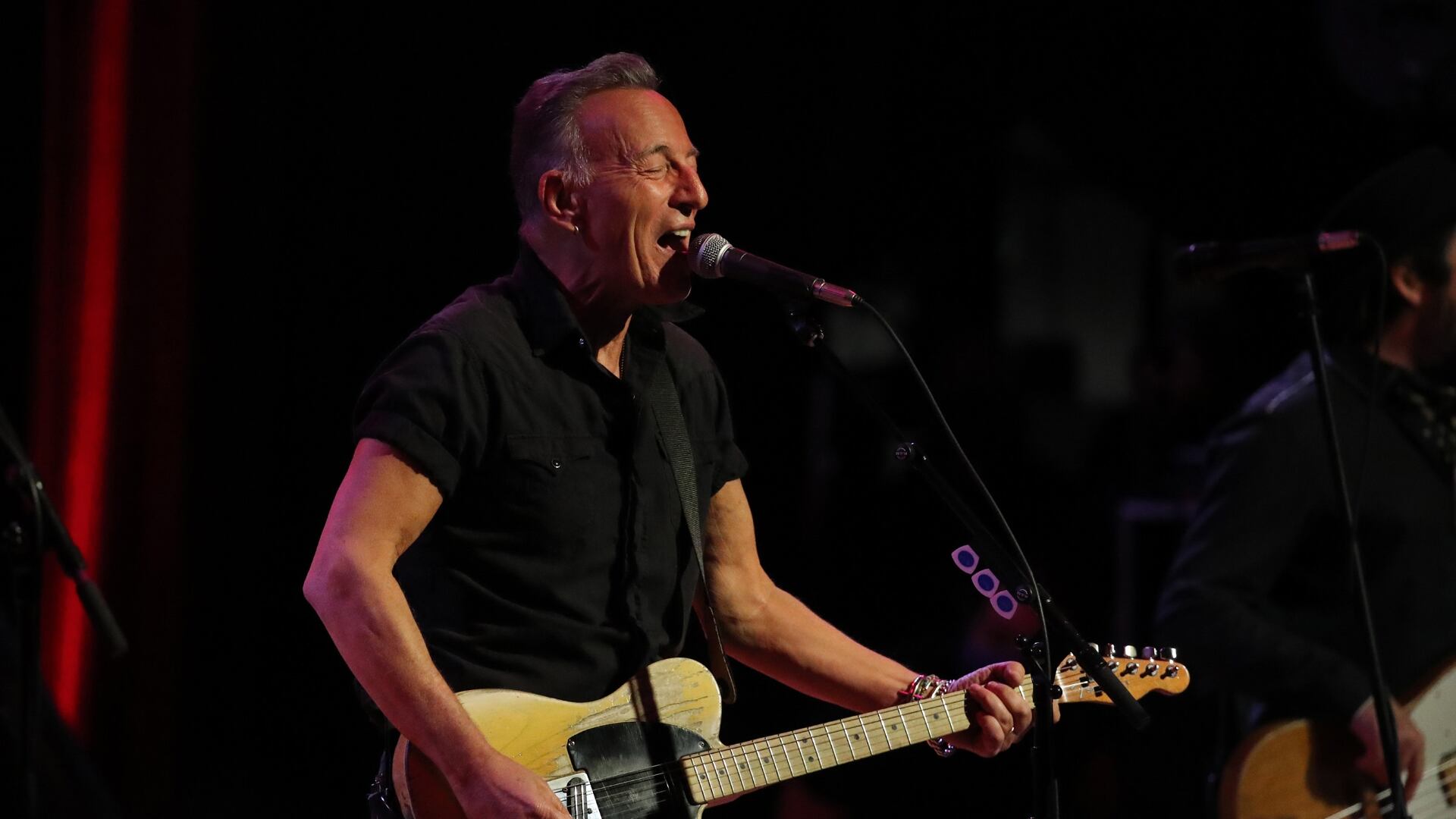
David Bowie's entire catalog of songs has officially been sold to Warner Music Group by his estate for an estimated $250 million. This means the group now has the full rights to almost all of David Bowie's recordings. But Bowie, just the latest music mega deal. Just last month, Bruce Springsteen sold his entire catalog to Sony Music Entertainment at what in fact maybe be the biggest transaction ever for a single artist's body of work. In addition, John Legend also cashed in by selling rights to his songs from 2004 to early last year. Culture Correspondent at NPR, Anastasia Tsioulcas, joined Cheddar to discuss more.
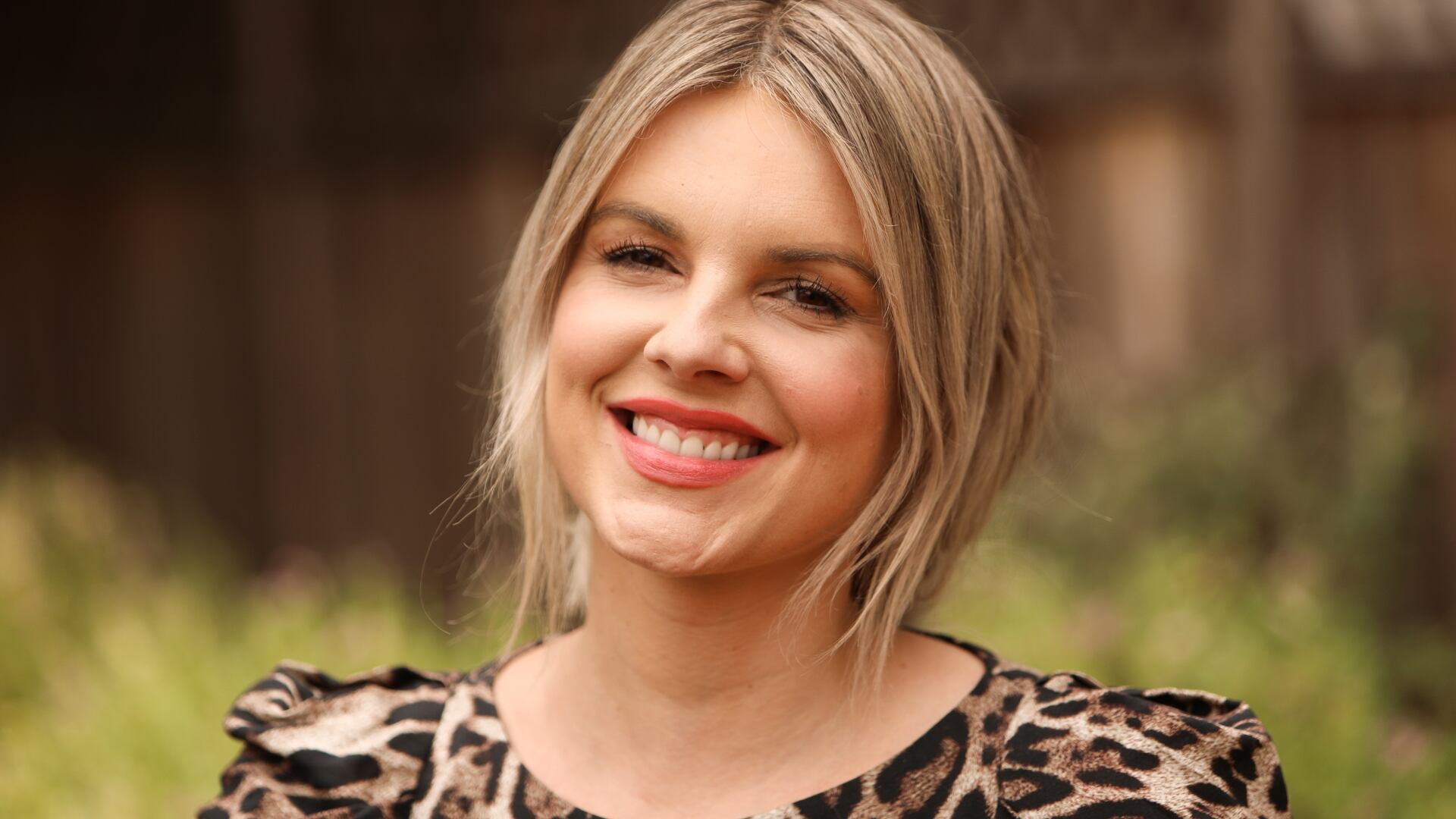
Season 6 "Bachelorette" Ali Manno joined Cheddar's Baker Machado to discuss "The Bachelor" franchise, promoting children’s creativity, and motherhood. Manno also touched on her partnership with the cereal brand Pebbles to use their imagination by getting them to submit artwork, which then ended up on display across the country. "What I love about this so much is it not only encourages kids to be creative but it shows when you are creative and you use your imagination, you could be in a mural in a major city," she said.
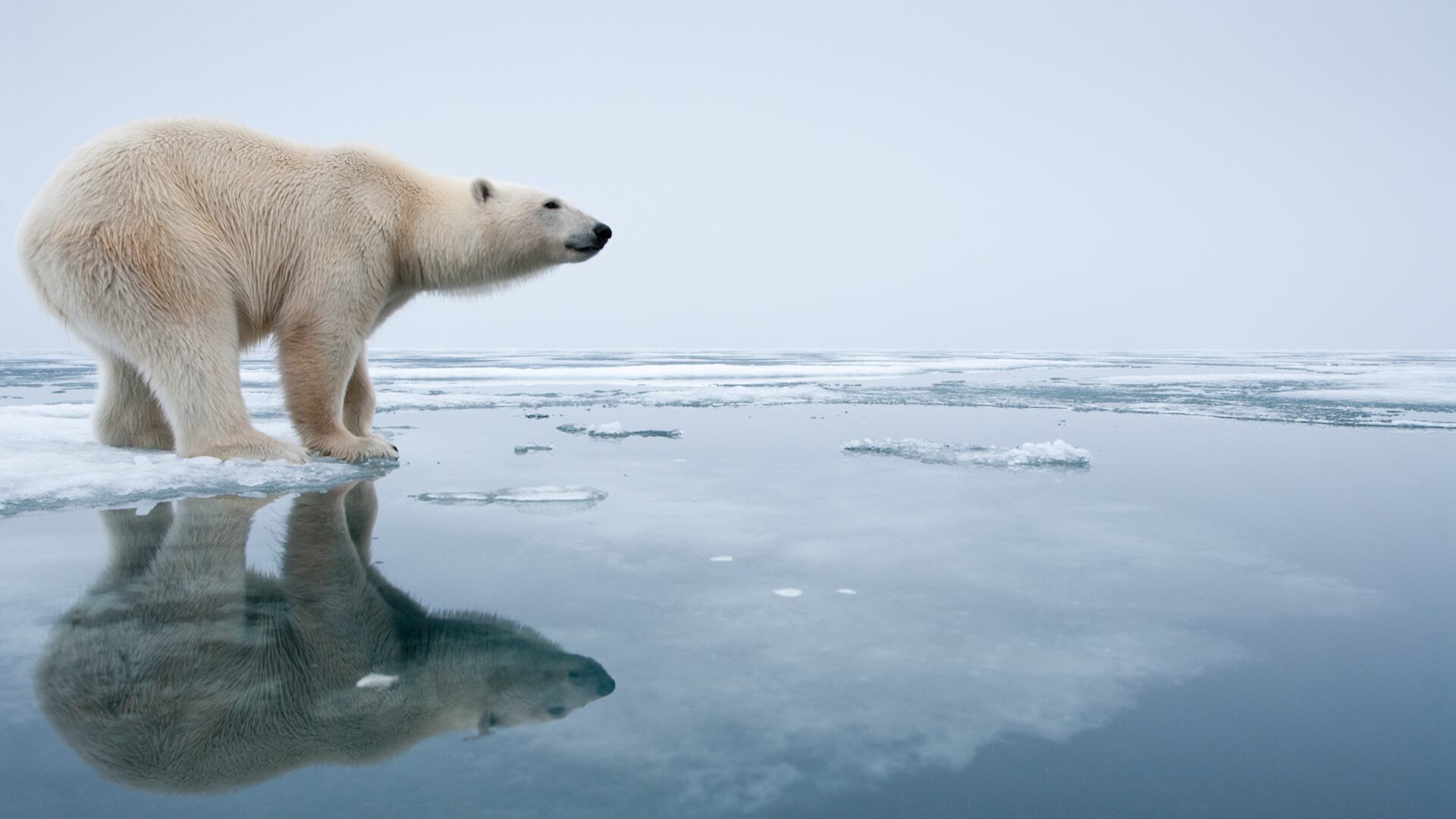
On this episode of Cheddar Reveals Richenda Sandlin-Tymitz, Marketing & Content Manager at Alaska Tour & Travel, breaks down when and how to plan your best trip to Alaska; Kristen Miller, Acting Executive Director, Alaska Wilderness League, discusses the Arctic National Wildlife Refuge and the oil drilling that threatens it; Cheddar gets a look at Curiosity Stream's 'The Magic of the Wild.'
Richenda Sandlin-Tymitz, Marketing & Content Manager at Alaska Tour & Travel, joins Cheddar Reveals to break down when and how to plan your best trip to Alaska.
Kristen Miller, acting executive director, Alaska Wilderness League, discusses the Arctic National Wildlife Refuge and the oil drilling that threatens it.
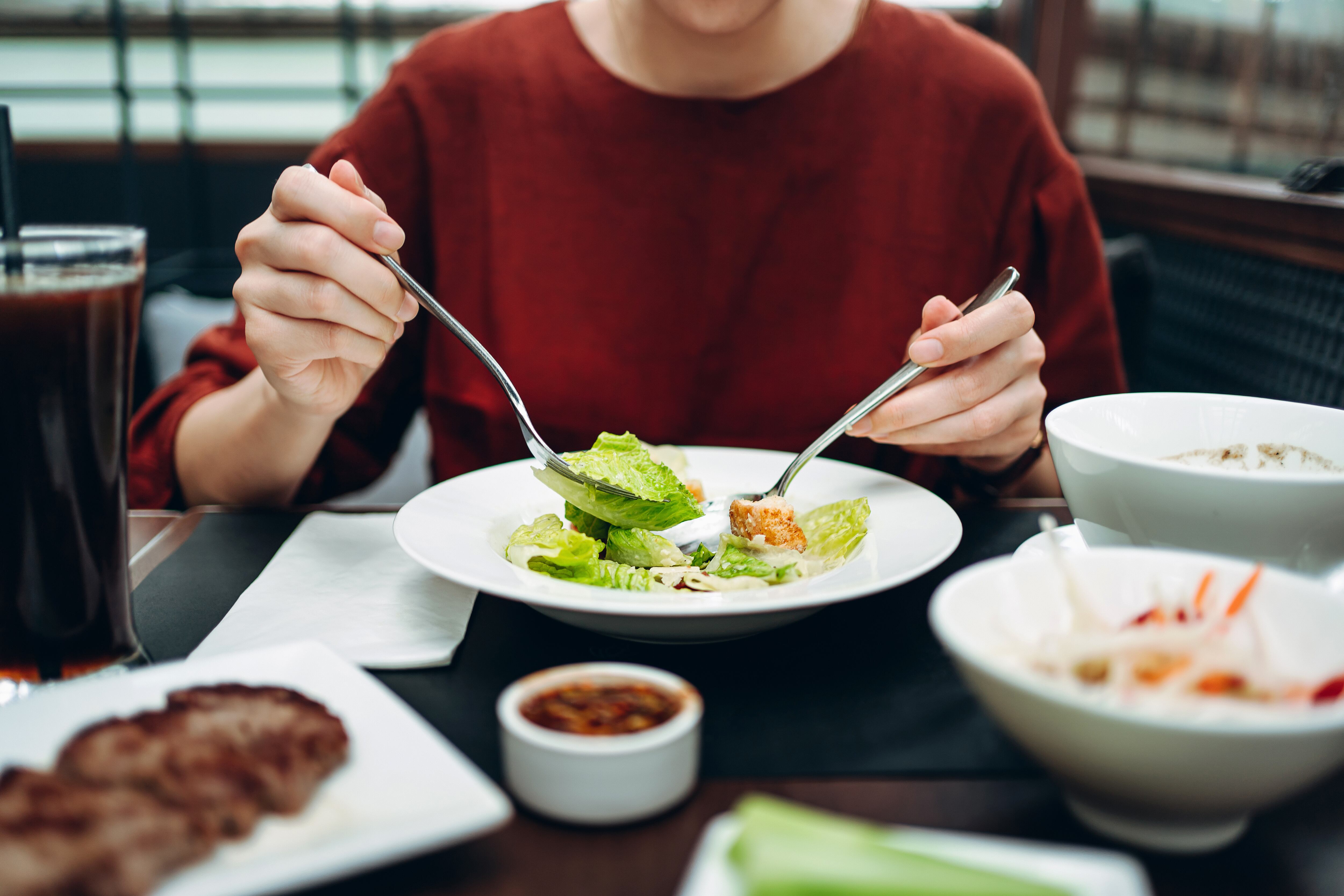
Ellen Fitzsimmons-Craft, assistant professor of psychiatry at Washington University School of Medicine, joins Cheddar News to discuss how chatbots can help prevent eating disorders and the research that uncovered these findings.