By Alan Fram
Democrats brushed aside months-long divisions and pushed their expansive social and environment bill through a sharply divided House on Friday, as President Joe Biden and his party moved closer to capitalizing on their control of government by funneling its resources toward their top domestic priorities.
The House approved the legislation by a near party-line 220-213 vote, sending the measure to a Senate where cost-cutting demands by moderate Sen. Joe Manchin, D-W.Va., and that chamber’s strict rules seem certain to force significant changes. That will prompt fresh disputes between party centrists and progressives that will likely take weeks to resolve.
Even so, House passage marked a watershed for a measure remarkable for the breadth and depth of the changes it would make in federal policies. Wrapped into one bill are far-reaching changes in taxation, health care, energy, climate change, family services, education and housing. That shows the Democrats’ desire to achieve their goals while controlling the White House and Congress — a dominance that could well end after next year’s midterm elections.
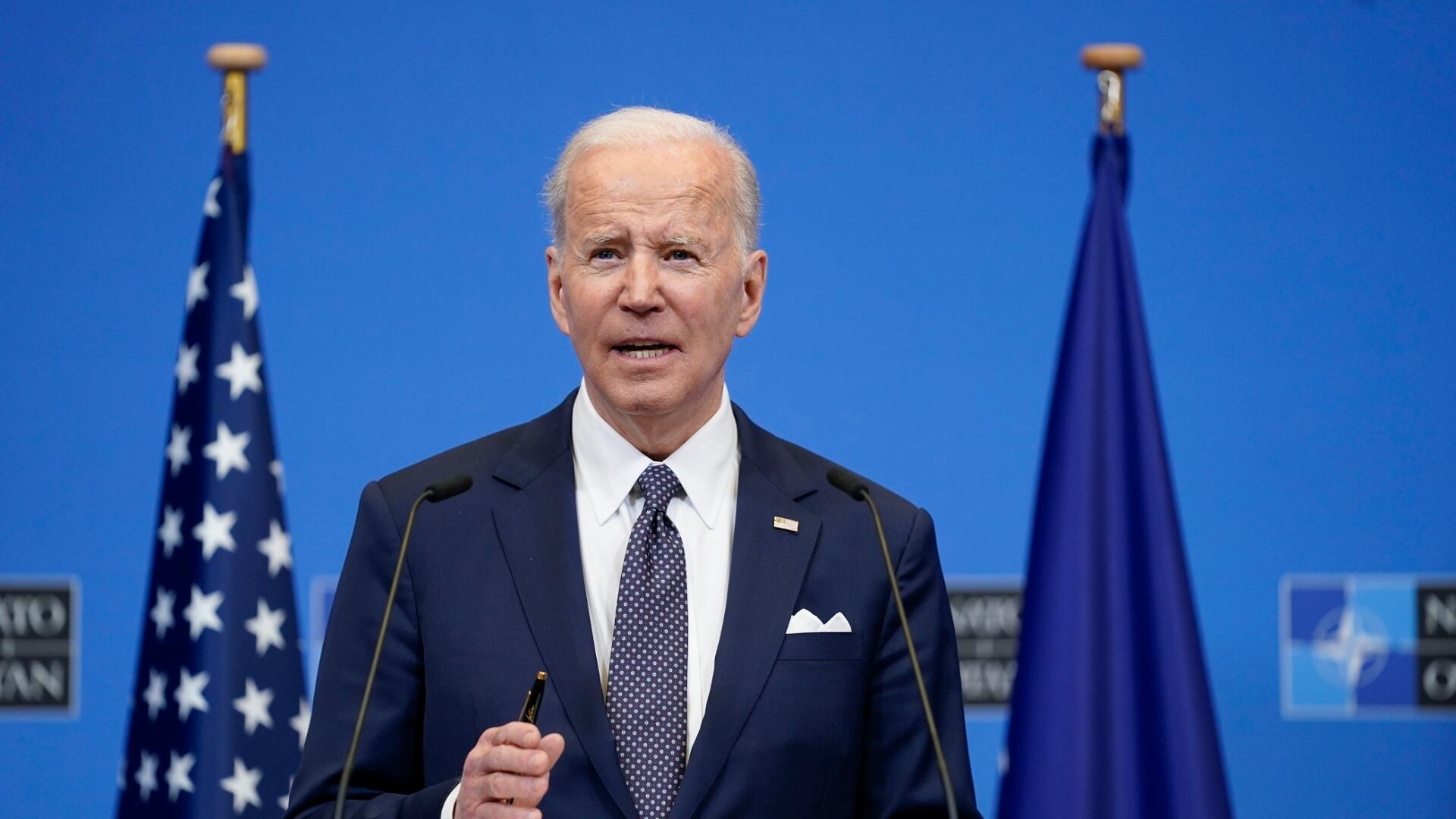
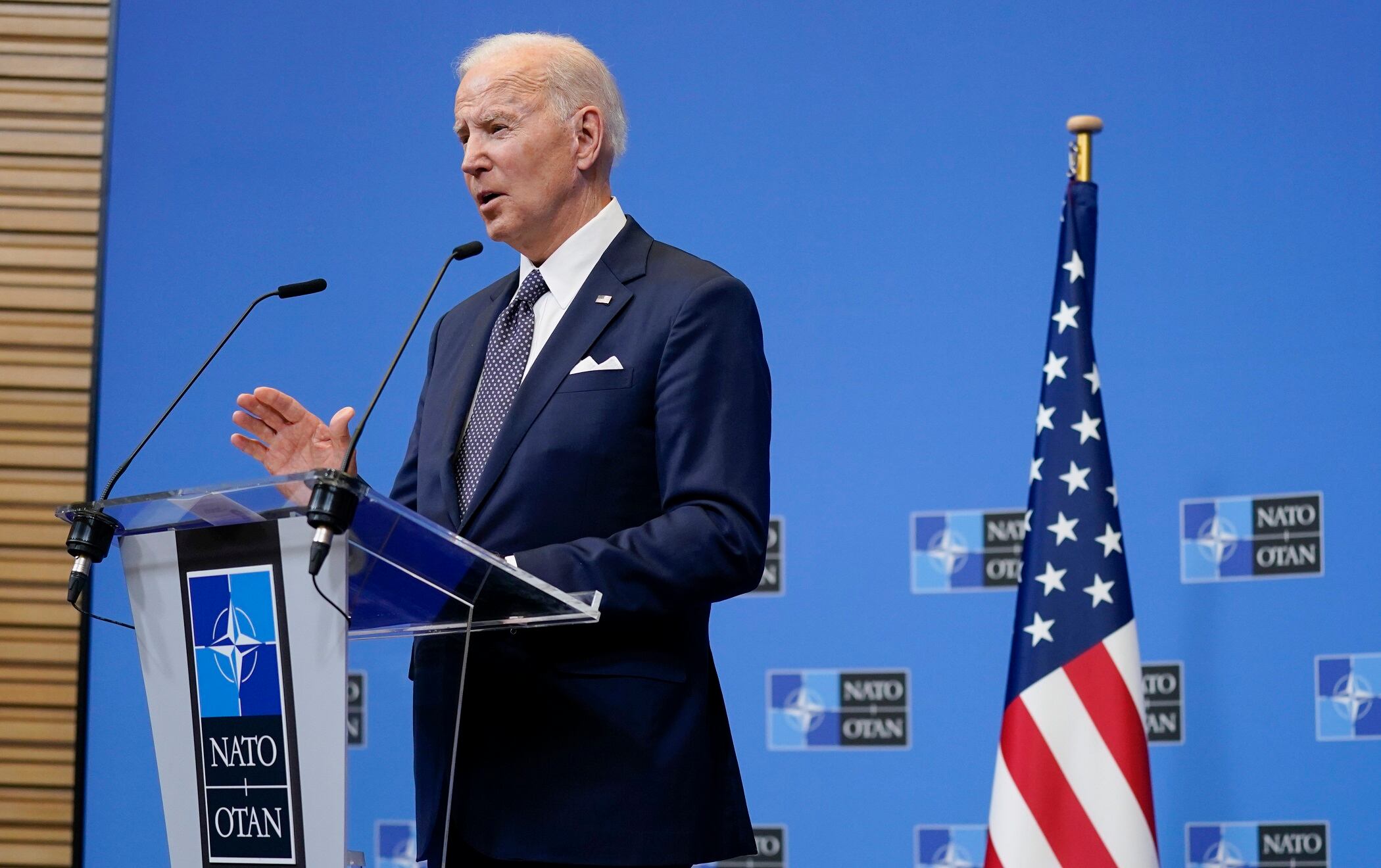
The House vote also gave Biden a momentary taste of victory, and probably relief, during perhaps the rockiest period of his presidency. He’s been battered by falling approval numbers in polls, reflecting voters’ concerns over inflation, gridlocked supply chains and the persistent coronavirus pandemic, leaving Democrats worried that their legislative efforts are not breaking through to voters.
“If you are a parent, a senior, a child, a worker, if you're an American, this bill's for you,” said House Speaker Nancy Pelosi, D-Calif., underscoring Democrats' efforts to impress the public.
Biden this week signed a $1 trillion package of highway and other infrastructure projects, another priority that overcame months of internal Democratic battling. The president has spent recent days promoting that measure around the country.
Final approval of the bigger bill, which had been expected Thursday, was delayed when Minority Leader Kevin McCarthy, R-Calif., delivered an eight and one-half hour broadside criticizing Biden, Democrats and the bill, the longest speech ever made in the House. When he finished his remarks near dawn, the House recessed briefly before resuming its work, dozens of members designating colleagues to cast their votes.
Standing and referring occasionally to a binder on his desk, McCarthy shouted and rasped hoarsely at times. Democrats sporadically booed and groaned as McCarthy glared back, underscoring partisan hostility only deepened by this week’s censure of Rep. Paul Gosar, R-Ariz., for threatening tweets aimed at Rep. Alexandria Ocasio-Cortez, D-N.Y.
McCarthy, who hopes to become speaker if Republicans capture the chamber in next year’s elections, recited problems the country has faced under Biden, including inflation, China's rise and large numbers of immigrants crossing the Southwest border. “Yeah, I want to go back,” he said in mocking reference to the “Build Back Better” name Biden uses for the legislation.
House rules do not limit how long party leaders may speak. In 2018, Pelosi, minority leader at the time, held the floor for just over eight hours demanding action on immigration. Until McCarthy's speech, hers was the House's longest ever.
Friday's vote came after the nonpartisan Congressional Budget Office estimated that the package would worsen federal deficits by $160 billion over the coming decade. The agency also recalculated the measure’s 10-year price tag at $1.68 trillion, though that figure wasn’t directly comparable to a $1.85 trillion figure Democrats have been using.
The 2,100-page bill’s initiatives include bolstering child care assistance, creating free preschool, curbing seniors’ prescription drug costs and increasing efforts to slow climate change. Also included are tax credits to spur clean energy development, bolstered child care assistance and extended tax breaks for millions of families with children, lower-earning workers and people buying private health insurance.
Most of it would be paid for by tax increases on the wealthy, big corporations and companies doing business abroad.
The measure would provide $109 billion to create free preschool for 3- and 4-year-olds. There are large sums for home health care for seniors, new Medicare coverage for hearing and a new requirement for four weeks of paid family leave. The family leave program, however, was expected to be removed in the Senate, where it’s been opposed by Manchin.
There is also language to let the government issue work permits to millions of immigrants that would let them stay in the U.S. temporarily, and to save $297 billion by letting the government curb prescription drug costs. The fate of both those provisions is uncertain in the Senate, where the chamber’s nonpartisan parliamentarian enforces rules that limit provisions allowed in budget bills.
In one major but expected difference with the White House, the Congressional Budget Office estimated that the bill’s added $80 billion to increase IRS tax enforcement would let it collect $207 billion in new revenue over the coming decade. That meant net savings of $127 billion, well below the White House’s more optimistic $400 billion estimate.
In a scorekeeping quirk, CBO officially estimated that the overall legislation would drive up federal deficits by $367 billion over the coming decade. Agency guidelines require it to ignore IRS savings when measuring a bill’s deficit impact, but it acknowledged that when including the IRS savings, the measure would worsen budget shortfalls by a lower $160 billion.
Biden and other Democratic leaders have said the measure would pay for itself, largely through tax increases on the wealthy, big corporations and companies doing business abroad.
Both parties worry about deficits selectively. Republicans passed tax cuts in 2017 that worsened red ink by $1.9 trillion, while Democrats enacted a COVID-19 relief bill this year with that same price tag.
Republicans said the latest legislation would damage the economy, give tax breaks to some wealthy taxpayers and make government bigger and more intrusive. Drawing frequent GOP attacks was a provision boosting the limit on state and local taxes that people can deduct from federal taxes, which disproportionately helps top earners from high-tax coastal states.
After months of talks, Democrats were eager to begin selling the package back home. Lawmakers said they were planning 1,000 events around the country by year’s end to pitch the measure’s benefits to voters.
Facing uniform Republican opposition, Democrats could lose no more than three votes to prevail in the House, but moderates seemed reassured by CBO’s figures.
Florida Democratic Rep. Stephanie Murphy, a leading centrist, said she would back the measure after the latest numbers showed the legislation “is fiscally disciplined” and “has a lot of positive elements.”
Vice President Kamala Harris’ tie-breaking vote gives Democrats control of the 50-50 Senate. That leaves Democrats with zero votes to spare, giving enormous leverage to Manchin in upcoming bargaining. The altered bill would have to return to the House before going to Biden’s desk.
The nonpartisan private Committee for a Responsible Federal Budget, which preaches fiscal constraint, estimated that the bill’s overall cost would be nearly $5 trillion if Democrats hadn’t made some of its programs temporary. For example, tax credits for children and low-earning workers are extended for just one year, making their price tags appear lower, even though the party would like those programs to be permanent.
___
AP Congressional Correspondent Lisa Mascaro and reporter Farnoush Amiri contributed to this report.