Health care took center stage as the second Democratic presidential debate kicked off Tuesday night.
During the event, the 10 candidates on the stage were asked whether their health care proposals would include insurance coverage for undocumented immigrants.
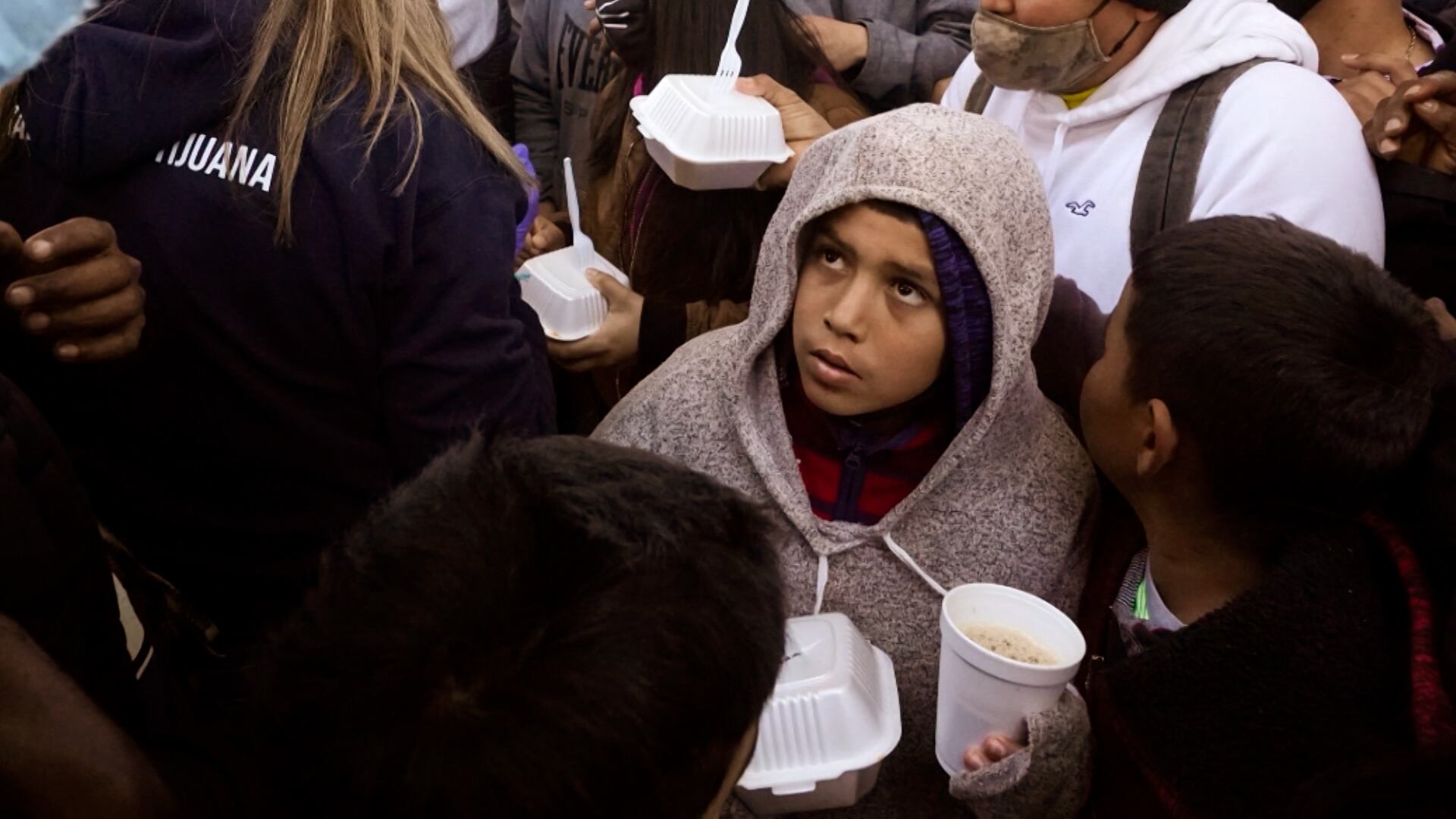
Undocumented immigrants in the U.S. frequently struggle to access health care because they lack insurance. 45 percent of the general (non-elderly) adult population that is undocumented are not covered, compared to 8 percent of U.S. citizens, according to the Kaiser Family Foundation, a health care research non-profit.
During the debate, Montana Gov. Steve Bullock said that supporting health care for undocumented immigrants would incentivize more unauthorized crossings.
"We've got 100,000 people showing up at the border right now. If we decriminalize entry, if we give health care to everyone, we'll have multiples of that," he said, later adding: "A sane immigration system needs a sane leader. And we can do that without decriminalizing and providing health care for everyone."
When pressed with that concern, Sen. Bernie Sanders (I-Vt.) said it wouldn't happen "because we'll have strong border protections."
Ohio Rep. Tim Ryan too said he wouldn't support funding health care for undocumented immigrants, expressing concerns that the proposal could turn off swing voters. He then added, "As far as the health care goes, undocumented people can buy health care too. I mean everyone else in America is paying for their health care … I don't think it's a stretch for us to ask undocumented people in the country to also pay for health care."
Currently, undocumented immigrants are not eligible for benefits guaranteed by the Affordable Care Act. Undocumented immigrants also cannot access tax-funded health care programs like Medicare, Medicaid, and the Children's Health Insurance Program, despite generating $12 billion in payroll taxes annually.
Earlier this month, though, California became the first state to make some undocumented immigrants eligible for Medicaid, an expansion that will be funded through state tax revenue.
Sanders used his support for funding undocumented people's health care as an opportunity to affirm his Medicare for All plan, which would move Americans from a private health insurance market to a public system used by everyone.
"I happen to believe that when I talk about health care as a human right, that applies to all people in this country and under a Medicare for All single-payer system, we could afford to do that," the Vermont senator said.
His plan has picked up some mainstream support since he ran in the 2016 race, and is supported by other candidates, including Massachusetts Sen. Elizabeth Warren.
When asked how she would pay for a national health care system, Warren said that costs will rise for billionaires and corporations, while total costs for middle class families will decline.
Other candidates said that Medicare for All will force people off their current insurance, with some, such as Ryan, pointing to hard-negotiated insurance benefits that trade unions have fought for. The plan has also faced criticism from some candidates who say that it will raise taxes on the middle class.
Throughout his campaign Sanders has similarly stressed that while taxes might rise, families would no longer be paying for insurance, meaning that total costs spent on health care would be reduced.
But it has faced criticism from moderate candidates such Rep. John Delaney, who called the plan "political suicide."
In his opening statement, Delaney called the proposal one of several "impossible promises that will turn off independent voters and get Trump re-elected."
Former Colorado Gov. John Hickenlooper said that Medicare for All is not a policy that could help flip congressional districts that President Donald Trump won in 2016 and Minnesota Sen. Amy Klobuchar echoed those objections.
The debate over health care for undocumented people echoed discussion durinig the first debate last month.
On the second night, all 10 candidates on stage, including former Vice President Joe Biden and California Sen. Kamala Harris, raised their hands when asked if they would include health care for undocumented immigrants in their plans.