Health care took center stage as the second Democratic presidential debate kicked off Tuesday night.
During the event, the 10 candidates on the stage were asked whether their health care proposals would include insurance coverage for undocumented immigrants.
Undocumented immigrants in the U.S. frequently struggle to access health care because they lack insurance. 45 percent of the general (non-elderly) adult population that is undocumented are not covered, compared to 8 percent of U.S. citizens, according to the Kaiser Family Foundation, a health care research non-profit.
During the debate, Montana Gov. Steve Bullock said that supporting health care for undocumented immigrants would incentivize more unauthorized crossings.
"We've got 100,000 people showing up at the border right now. If we decriminalize entry, if we give health care to everyone, we'll have multiples of that," he said, later adding: "A sane immigration system needs a sane leader. And we can do that without decriminalizing and providing health care for everyone."
When pressed with that concern, Sen. Bernie Sanders (I-Vt.) said it wouldn't happen "because we'll have strong border protections."
Ohio Rep. Tim Ryan too said he wouldn't support funding health care for undocumented immigrants, expressing concerns that the proposal could turn off swing voters. He then added, "As far as the health care goes, undocumented people can buy health care too. I mean everyone else in America is paying for their health care … I don't think it's a stretch for us to ask undocumented people in the country to also pay for health care."
Currently, undocumented immigrants are not eligible for benefits guaranteed by the Affordable Care Act. Undocumented immigrants also cannot access tax-funded health care programs like Medicare, Medicaid, and the Children's Health Insurance Program, despite generating $12 billion in payroll taxes annually.
Earlier this month, though, California became the first state to make some undocumented immigrants eligible for Medicaid, an expansion that will be funded through state tax revenue.
Sanders used his support for funding undocumented people's health care as an opportunity to affirm his Medicare for All plan, which would move Americans from a private health insurance market to a public system used by everyone.
"I happen to believe that when I talk about health care as a human right, that applies to all people in this country and under a Medicare for All single-payer system, we could afford to do that," the Vermont senator said.
His plan has picked up some mainstream support since he ran in the 2016 race, and is supported by other candidates, including Massachusetts Sen. Elizabeth Warren.
When asked how she would pay for a national health care system, Warren said that costs will rise for billionaires and corporations, while total costs for middle class families will decline.
Other candidates said that Medicare for All will force people off their current insurance, with some, such as Ryan, pointing to hard-negotiated insurance benefits that trade unions have fought for. The plan has also faced criticism from some candidates who say that it will raise taxes on the middle class.
Throughout his campaign Sanders has similarly stressed that while taxes might rise, families would no longer be paying for insurance, meaning that total costs spent on health care would be reduced.
But it has faced criticism from moderate candidates such Rep. John Delaney, who called the plan "political suicide."
In his opening statement, Delaney called the proposal one of several "impossible promises that will turn off independent voters and get Trump re-elected."
Former Colorado Gov. John Hickenlooper said that Medicare for All is not a policy that could help flip congressional districts that President Donald Trump won in 2016 and Minnesota Sen. Amy Klobuchar echoed those objections.
The debate over health care for undocumented people echoed discussion durinig the first debate last month.
On the second night, all 10 candidates on stage, including former Vice President Joe Biden and California Sen. Kamala Harris, raised their hands when asked if they would include health care for undocumented immigrants in their plans.
If some members of Congress have their way, there might finally be a 'TLDR' on sites' terms of service, introduced by the terms-of-service labeling, design, and readability act – or TLDR for short. With this act, users will actually understand what they're agreeing to or the many ways in which their data is being used before pressing 'accept.' J.D. sat down with co-sponsor of the bill and Senator Bill Cassidy, to discuss.
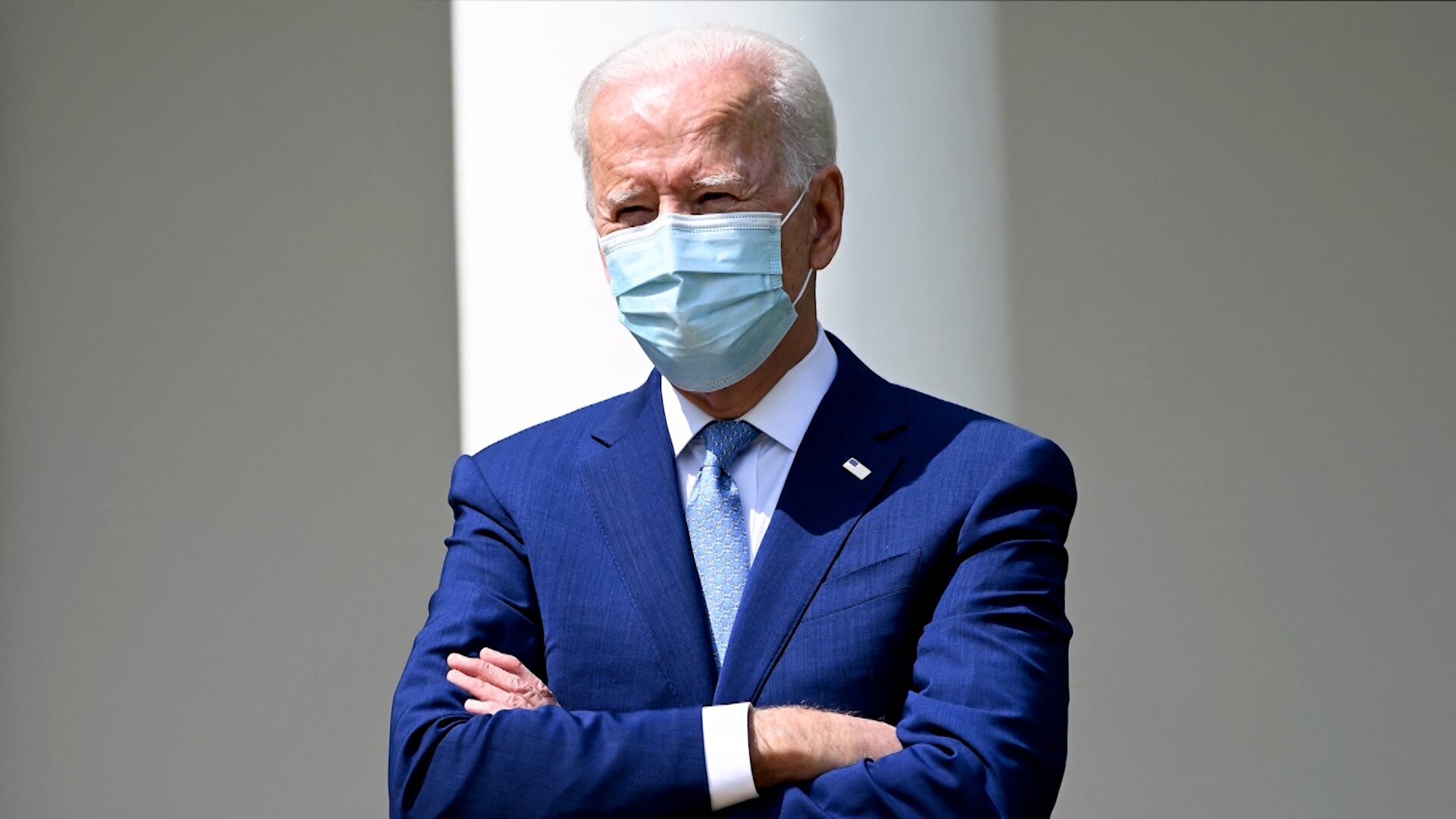
President Joe Biden's first year in office is wrapping up. What has he achieved, and what else remains on the table while the Democrats have control of Washington? Amid an ongoing pandemic and rising inflation, Biden's approval rating is at an all-time low and his party is plagued by infighting. Will he be able to continue pushing key parts of his agenda? Paul Glastris, former Bill Clinton speechwriter & Editor-in-chief of 'Washington Monthly,' joins Cheddar News' Closing Bell to discuss the president's achievements in his first year, where he's fallen short, and what he must do in order to get more of his agenda signed into law.
Tech giants Meta, Amazon, Alphabet, and Apple are faced with a bipartisan antitrust legislation effort underway in the Senate Judiciary Committee. The companies stand accused of promoting their own goods and services over smaller competitors on their platforms, holding too much monopolistic power via their app stores and services. Adam Kovacevich, founder and CEO of Chamber of Progress, a technology industry trade group, joined Cheddar to argue that the bills that are being debated currently could end up hurting consumers, rather than helping.
Concerns over inflation have become one of the biggest worries for executives. A survey from The Conference Board shows that more than 900 CEOs consider inflation a top tier concern, a major shift from last year's survey that had it as a low-level concern. Rebecca Ray, Executive Vice President, Human Capital, The Conference Board joined Cheddar's Opening Bell for more.
Jordan Zakarin, Media Producer at A More Perfect Union, joined Cheddar News to break down the latest from Colorado, where at least 8,700 Kroger employees walked off the job in demand of increased benefits and wages.
With the 2022 Winter Olympics in Beijing rapidly approaching, clouds of controversy continue to swirl around China's treatment of the Uyghur Muslim minority population, its surveillance state, and security for visiting athletes. Phelim Kine, China correspondent for Politico, joined Cheddar to break down the big storylines surrounding the Beijing Games and highlight what he saw as the complete disregard by top corporate sponsors like P&G, Airbnb, Intel, Visa, and Coca-Cola, for the controversies. "They spend $100 million for every Olympics that they sponsor, and they have frankly shown absolute willful indifference to any type of entreaty to essentially be more vocal about their concerns about human rights in China," he said. Kine also touched on the data privacy fears for athletes as visiting contingents are being told to carry burner phones to avoid security risks.
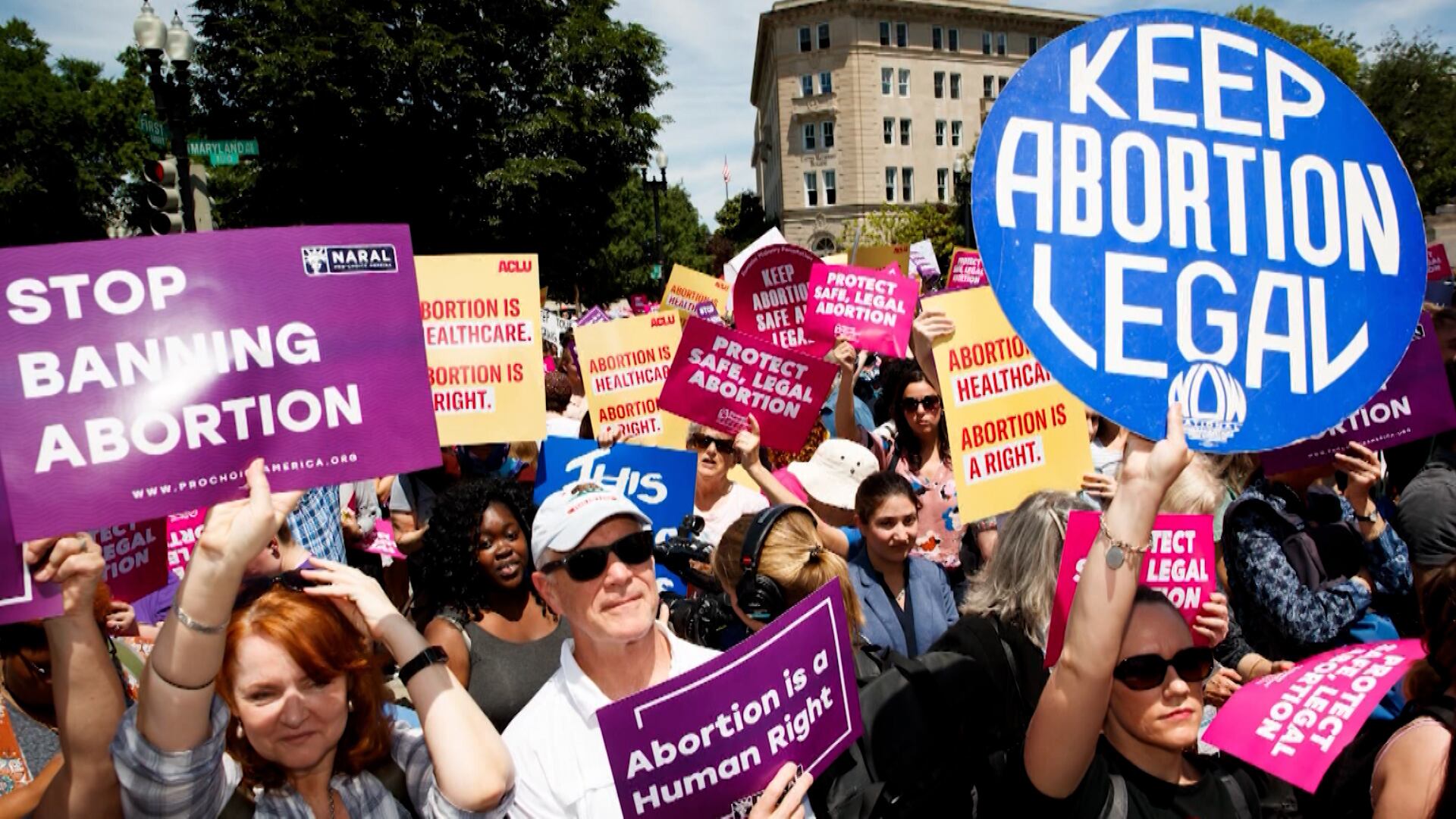
Texas's six-week abortion ban remains in effect after a federal appeals court ruling on Monday. The U.S. court of appeals for the fifth circuit temporarily transferred the case to the Texas Supreme Court, which is expected to leave the dispute in limbo for months to come. Katie Barlow, attorney and media editor of SCOTUSblog, joins Cheddar News to discuss.
Hugh Odom, founder and president of Vertical Consultants, shared his expertise on telecommunications with Cheddar on the safety issue raised about 5G deployment by airlines. The installation was partially delayed again on Tuesday as the airlines warned of potentially catastrophic delays in a letter to the Biden administration. Later, both Verizon and AT&T relented and put a pause on some of the implementations. "The first thing the Biden administration needs to do is get everybody in the room and say, look, aviation industry, identify the problem — wireless industry, come up with a solution," said Odom.
Dave Levinthal, deputy Washington Bureau chief at Insider, joins Cheddar News to discuss Gallup's new survey that reveals more Americans leaned Republican by the end of 2021.