Health care took center stage as the second Democratic presidential debate kicked off Tuesday night.

During the event, the 10 candidates on the stage were asked whether their health care proposals would include insurance coverage for undocumented immigrants.

Undocumented immigrants in the U.S. frequently struggle to access health care because they lack insurance. 45 percent of the general (non-elderly) adult population that is undocumented are not covered, compared to 8 percent of U.S. citizens, according to the Kaiser Family Foundation, a health care research non-profit.

During the debate, Montana Gov. Steve Bullock said that supporting health care for undocumented immigrants would incentivize more unauthorized crossings.

"We've got 100,000 people showing up at the border right now. If we decriminalize entry, if we give health care to everyone, we'll have multiples of that," he said, later adding: "A sane immigration system needs a sane leader. And we can do that without decriminalizing and providing health care for everyone."

When pressed with that concern, Sen. Bernie Sanders (I-Vt.) said it wouldn't happen "because we'll have strong border protections."

Ohio Rep. Tim Ryan too said he wouldn't support funding health care for undocumented immigrants, expressing concerns that the proposal could turn off swing voters. He then added, "As far as the health care goes, undocumented people can buy health care too. I mean everyone else in America is paying for their health care … I don't think it's a stretch for us to ask undocumented people in the country to also pay for health care."

Currently, undocumented immigrants are not eligible for benefits guaranteed by the Affordable Care Act. Undocumented immigrants also cannot access tax-funded health care programs like Medicare, Medicaid, and the Children's Health Insurance Program, despite generating $12 billion in payroll taxes annually.

Earlier this month, though, California became the first state to make some undocumented immigrants eligible for Medicaid, an expansion that will be funded through state tax revenue.

Sanders used his support for funding undocumented people's health care as an opportunity to affirm his Medicare for All plan, which would move Americans from a private health insurance market to a public system used by everyone.

"I happen to believe that when I talk about health care as a human right, that applies to all people in this country and under a Medicare for All single-payer system, we could afford to do that," the Vermont senator said.

His plan has picked up some mainstream support since he ran in the 2016 race, and is supported by other candidates, including Massachusetts Sen. Elizabeth Warren.

When asked how she would pay for a national health care system, Warren said that costs will rise for billionaires and corporations, while total costs for middle class families will decline.

Other candidates said that Medicare for All will force people off their current insurance, with some, such as Ryan, pointing to hard-negotiated insurance benefits that trade unions have fought for. The plan has also faced criticism from some candidates who say that it will raise taxes on the middle class.

Throughout his campaign Sanders has similarly stressed that while taxes might rise, families would no longer be paying for insurance, meaning that total costs spent on health care would be reduced.

But it has faced criticism from moderate candidates such Rep. John Delaney, who called the plan "political suicide."

In his opening statement, Delaney called the proposal one of several "impossible promises that will turn off independent voters and get Trump re-elected."

Former Colorado Gov. John Hickenlooper said that Medicare for All is not a policy that could help flip congressional districts that President Donald Trump won in 2016 and Minnesota Sen. Amy Klobuchar echoed those objections.

The debate over health care for undocumented people echoed discussion durinig the first debate last month.

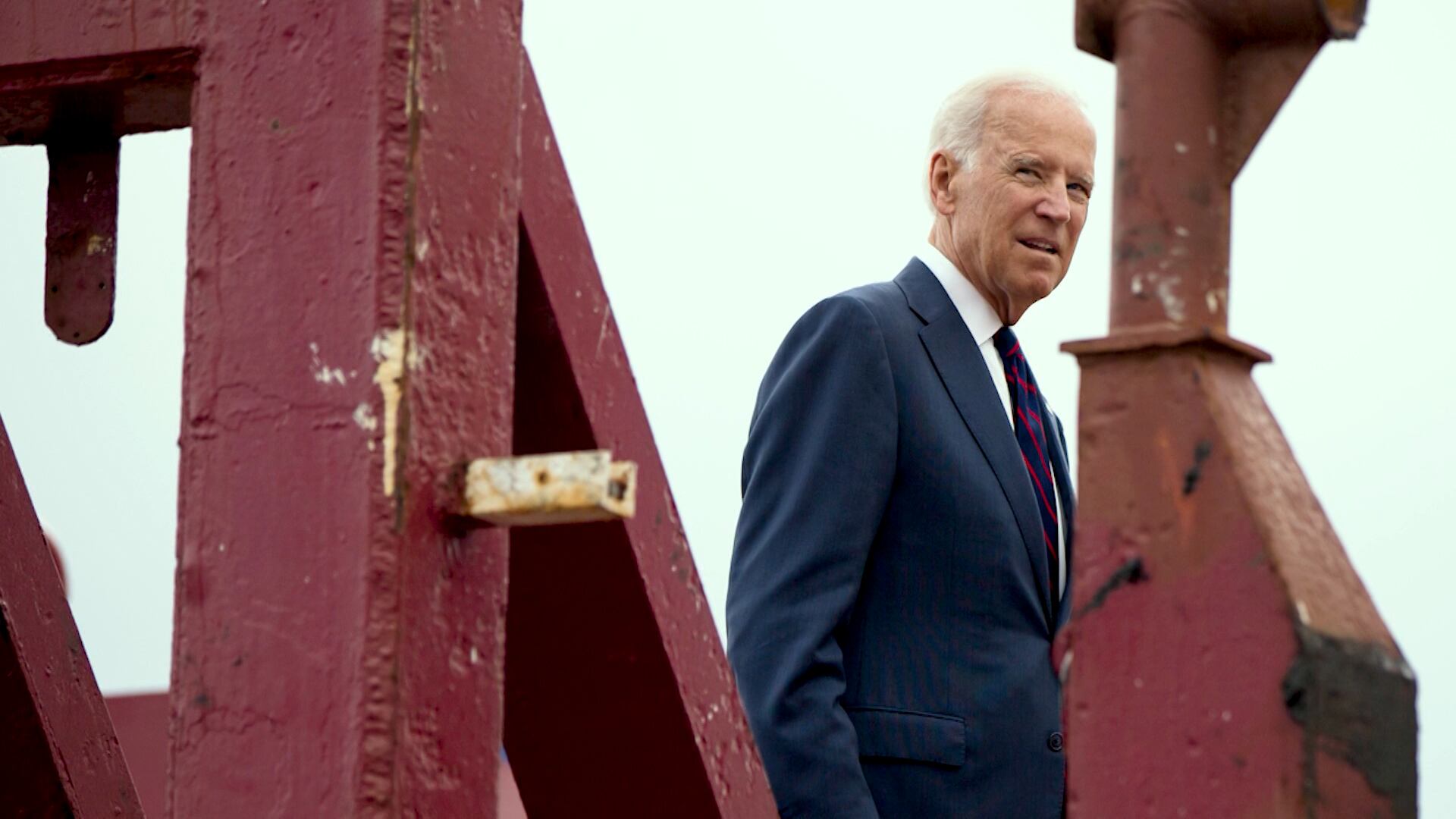
On the second night, all 10 candidates on stage, including former Vice President Joe Biden and California Sen. Kamala Harris, raised their hands when asked if they would include health care for undocumented immigrants in their plans.

Share:
More In Politics
Fmr. FBI Agent Peter Strzok On Russia, Trump, and The FBI
The memoir, "COMPROMISED: Counterintelligence and the Threat of Donald J. Trump", tells a familiar story from a bit of a different source: Peter Strzok himself, former FBI Counterintelligence Agents and Agency Veteran who spent most of his very long career investigating some of the most controversial inquiries, most notably in recent American history. Those inquiries were Hillary Clinton's email to even Trump Russia investigations. Former FBI Agent and Author of "Compromised" Peter Strzok, joined Cheddar to discuss more.
Looking Back at Biden's First Year in Office And The Road Ahead
President Biden's first year did not come to the close that he had hoped after last night's Senate vote blocked the voting rights bill, a priority that Biden has promoted since his inauguration. Joining us to discuss the voting rights bill, and many others passing through congress is congresswoman Lori Trahan, representing Massachusett's 3rd district.
Senate Committee Votes to Advance Big Tech Antitrust Bill
Members of Congress have voted to advance a bill meant to address antitrust concerns related to tech giants including Amazon, Apple, Google, and Meta. The 'American Innovation and Choice Online Act' is largely seen as one of the best chances for the government to reign in Big Tech's dominance Seth Schachner, Managing Director StratAmericas; Digital Business Executive joined Cheddar's Opening Bell to discuss.
Biden Touts Intel's Chip Factory Plans Amid Shortages
American semiconductor company, Intel officially announcing plans to build a new $20 billion chip manufacturing complex outside Columbus, Ohio. This comes as the global chip shortage continues to hamper production of everything from smart phones, to cars. Jennifer Smith - Logistics and Supply Chain Reporter, WSJ joined Cheddar's Opening Bell to discuss.
U.S. Puts Troops On High Alert As Russia Increases Presence Near Ukraine Border
The U.S. has put more than 8,000 American troops on high alert for possible deployment to Eastern Europe as the West prepares for a potential Russian invasion of Ukraine. With Russia building up more than 100,000 troops near the Ukrainian border, concerns over the country's behavior are mounting. Joel Rubin, Former Deputy Assistant Secretary of State and President of the Washington Strategy Group, joined Cheddar to discuss what this means for U.S.-Russia relations, and where the conflict might be heading next.
As Midterm Elections Loom, Biden's Approval Rating Continues Decline
As the midterm election looms, things aren't looking too promising for President Joe Biden. One year into his term as president, Biden is facing one of the lowest approval ratings of any modern-day president, threatening his party's control of the House in 2022. Brian Bennett, Senior White House Correspondent for TIME, joined Cheddar's Opening Bell to discuss.
The Biden Administration: One Year Down, Three to Go
A full one year into his term as President of The United States, President Biden addressed the nation on Wednesday, facing questions on everything from inflation to chip shortages and covid-19. As Biden enters his second year in office, he is facing one of the lowest approval ratings of any modern-day president. Kate Davidson, Reporter, POLITICO joined Cheddar's Opening Bell to discuss.
New Documentary Highlights the Life and Role of Congresswoman Barbara Lee
"Barbara Lee: Speaking Truth to Power" is the story of how the longtime House Democrat became, as she Is known to some, as "the Conscience of Congress." The film also shows Representative Lee from her days working to fight community poverty to famously becoming the only member of Congress to vote "no" against the war in Afghanistan days after 9/11. The film is nominated for an NAACP Image Award, and Premieres on Starz on February 1. Film director Abby Ginzberg and Rep. Barbara Lee (D-Calif. 13th District), joined Cheddar to discuss more.
New San Diego Law Funnels Grocery Waste To Food Banks
San Diego has just implemented a new law that could set the stage for how the country deals with food waste. This new law hopes to make a dent in that. Businesses and groceries stores out in San Diego will need to put a plan in place to *donate edible food rather than toss it straight to the trash. Food Rescue Manager at Feeding San Diego, Kate Garret
Load More