*By Christian Smith*
Midterm races in Georgia represent a test of Democrats' strategy to win back states from President Trump in 2020 and counter his conservative populism with their own unabashedly progressive appeal.
"When you talk to Democratic strategists, Georgia really is right at the top of that list," said Eric Boehm, a reporter at Reason. "Democrats are looking at Georgia as one of those places where they can make inroads against that electoral map that President Donald Trump won."
On Tuesday, Stacey Abrams won Georgia's Democratic primary for governor, becoming the first black woman to be nominated for governor by a major political party. With more than 75 percent of the vote, Abrams, a former statehouse leader, defeated another former state rep in the Battle of the Staceys ー Stacey Evans.
Abrams will face the winner of a Republican runoff between Georgia's Lt. Gov. Casey Cagle and Secretary of State Brian Kemp scheduled for July 24.
During her primary campaign, Abrams signaled she would not water down her progressive message in an attempt to court white conservatives away from Republicans. She has said she would raise the minimum wage, use Affordable Care Act funding to expand Medicaid, and do away with cash bail. The success or failure of her strategy could change the way Democrats approach Trump voters in 2020.
The midterm battles may have grown more difficult for Democrats recently. For the first time in the midterm election cycle, American voters are more likely to vote for the Republican candidate in their district than the Democrat according to a new [Reuters poll](http://polling.reuters.com/#!response/TM1212Y17/type/smallest/filters/PD1:1/dates/20180101-20180517/collapsed/true).
If elected, the 44-year-old Abrams would become the first black woman elected governor in the United States, and only the third black governor elected by popular vote after Douglas Wilder in Virginia in 1990, and Massachusetts's Deval Patrick in 2007.
Pinckney Pinchback became governor of Louisiana in 1872 after serving as lieutenant governor, and David Paterson was elevated from lieutenant governor in New York in 2008, but neither was elected governor.
For full interview, [click here](https://cheddar.com/videos/southern-democrats-nominate-historic-group-of-women-in-primaries).
Christopher Wolfe, CIO at First Republic Private Wealth Management, joins Cheddar News' Closing Bell, where he says he is surprised that the first quarter was the first down period in a long time, but adds that the second quarter could be difficult with a lot of volatility expected.
Jeffrey Small, President of Arbor Financial, joins Chedar News' Closing Bell, where he breaks down why stocks closed near session lows on Wednesday and tells viewers what to expect ahead of next earnings season.
Uber and Lyft drivers are cruising in Washington State, the first U.S. state to set an earnings standard for drivers for the ride-hailing companies. Governor Jay Inslee signed the new minimum pay standard into law Thursday, which also gives drivers access to perks like paid sick time and family medical leave. John Logan, Director of Labor and Employment Studies at San Francisco State University, joins Cheddar News' Closing Bell to discuss.
Jeremy Berke, senior reporter on the cannabis industry for Business Insider, joins Cheddar Politics to discuss developments in cannabis legalization at the federal level. He helps break down the bill and what legalization efforts might look like in the Senate.
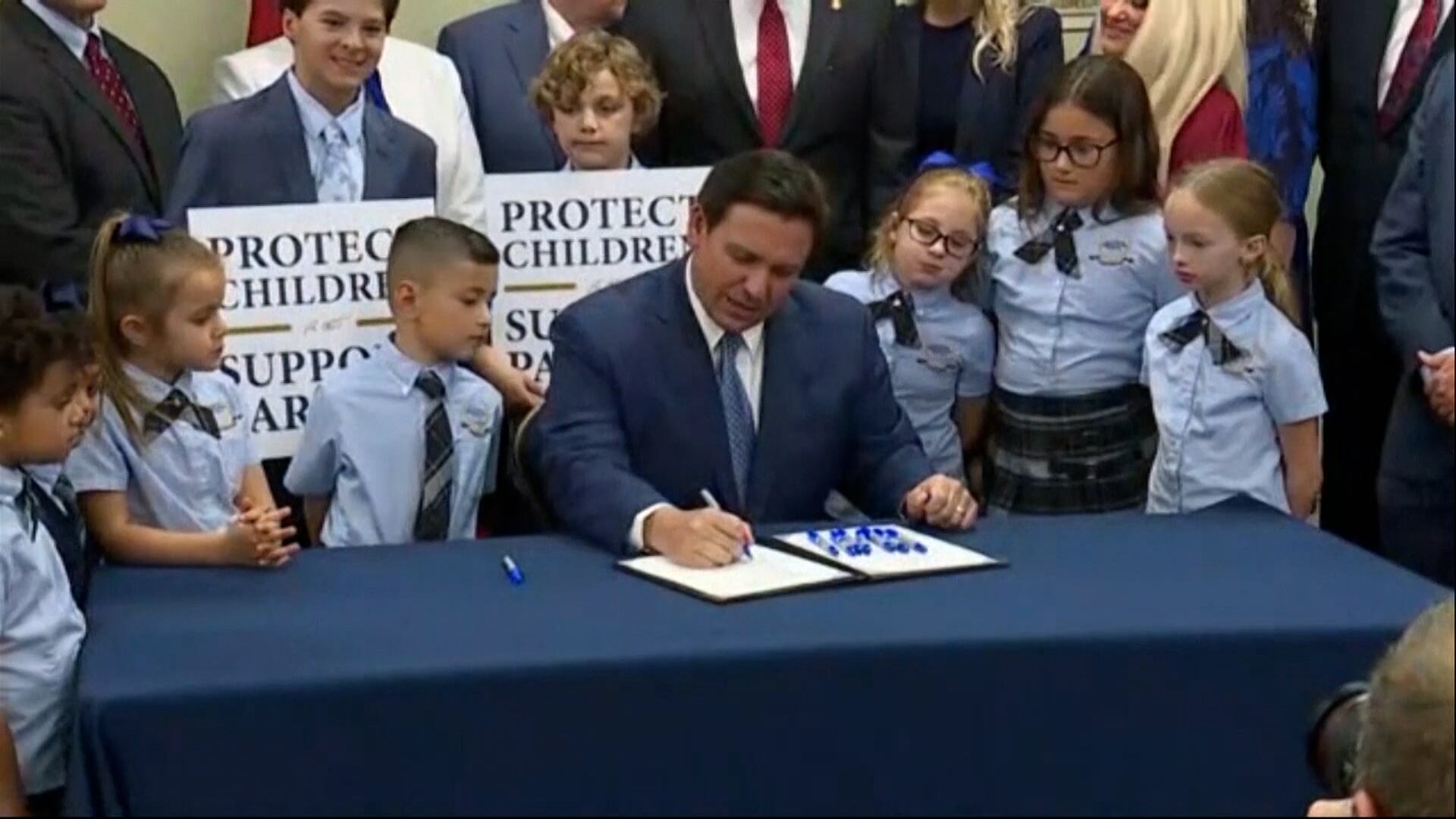
Selene San Felice, Tampa Bay reporter for Axios Local, and Jennifer Levi, director of the Transgender Rights Project at GLBTQ Legal Advocates & Defenders (GLAD) join Cheddar Politics to discuss the impact of the new law targeting LGBTQ communities in Florida schools.
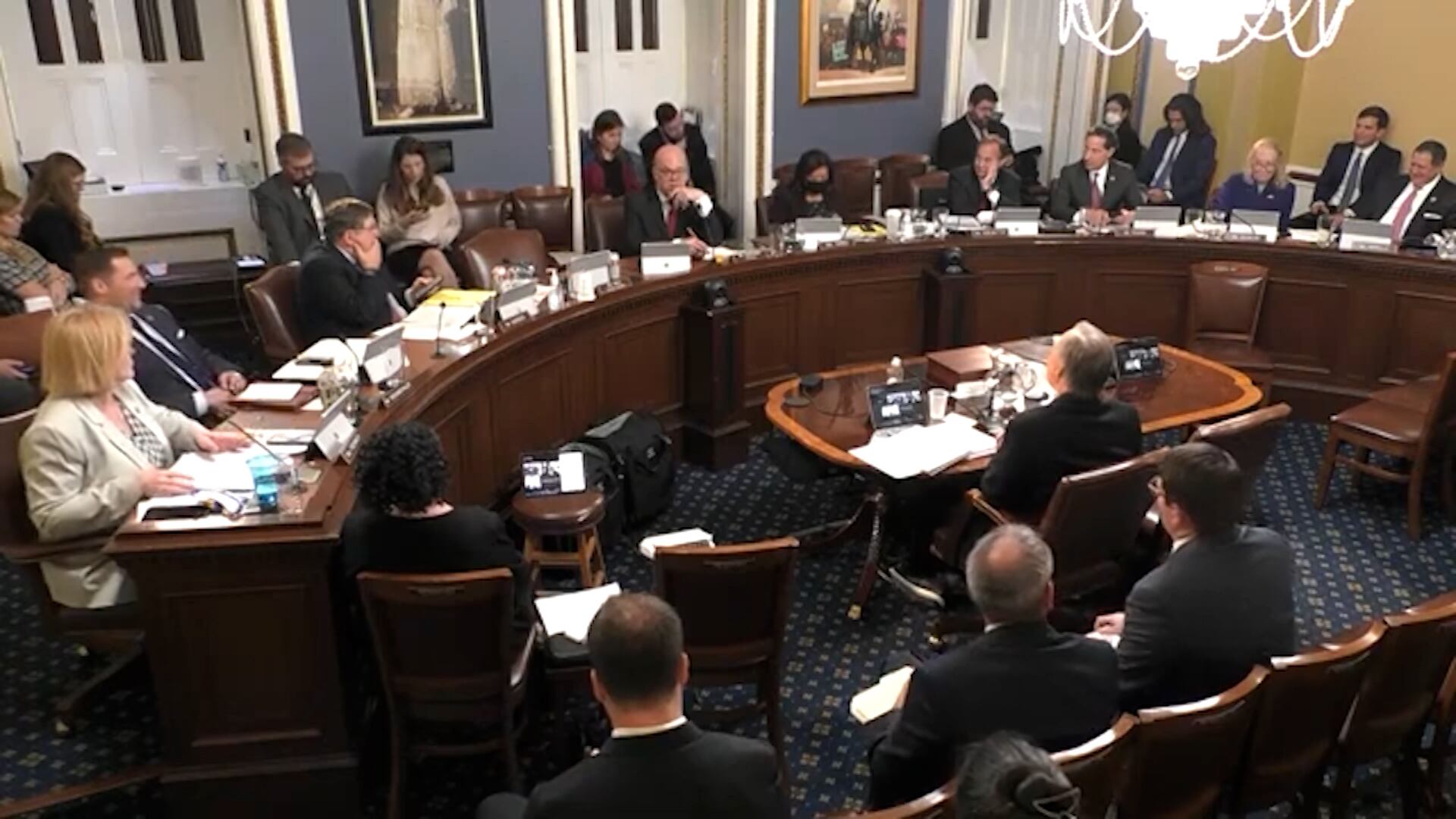
Ryan Barber, justice correspondent at Insider, joins Cheddar Politics to discuss the latest developments in the January 6 investigation, including texts between Ginni Thomas, the wife of Supreme Court Justice Clarence Thomas, and former White House Chief of Staff Mark Meadows.
Joel Rubin, former Deputy Assistant Secretary of State and president of the Washington Strategy Group, joins Cheddar Politics to discuss the latest developments in the Russian invasion of Ukraine.
The head of Russia’s space program says the future of the ISS hangs in the balance after the U.S., EU, and Canadian space agencies missed a deadline to meet Russian demands for lifting sanctions on Russian enterprises and hardware.
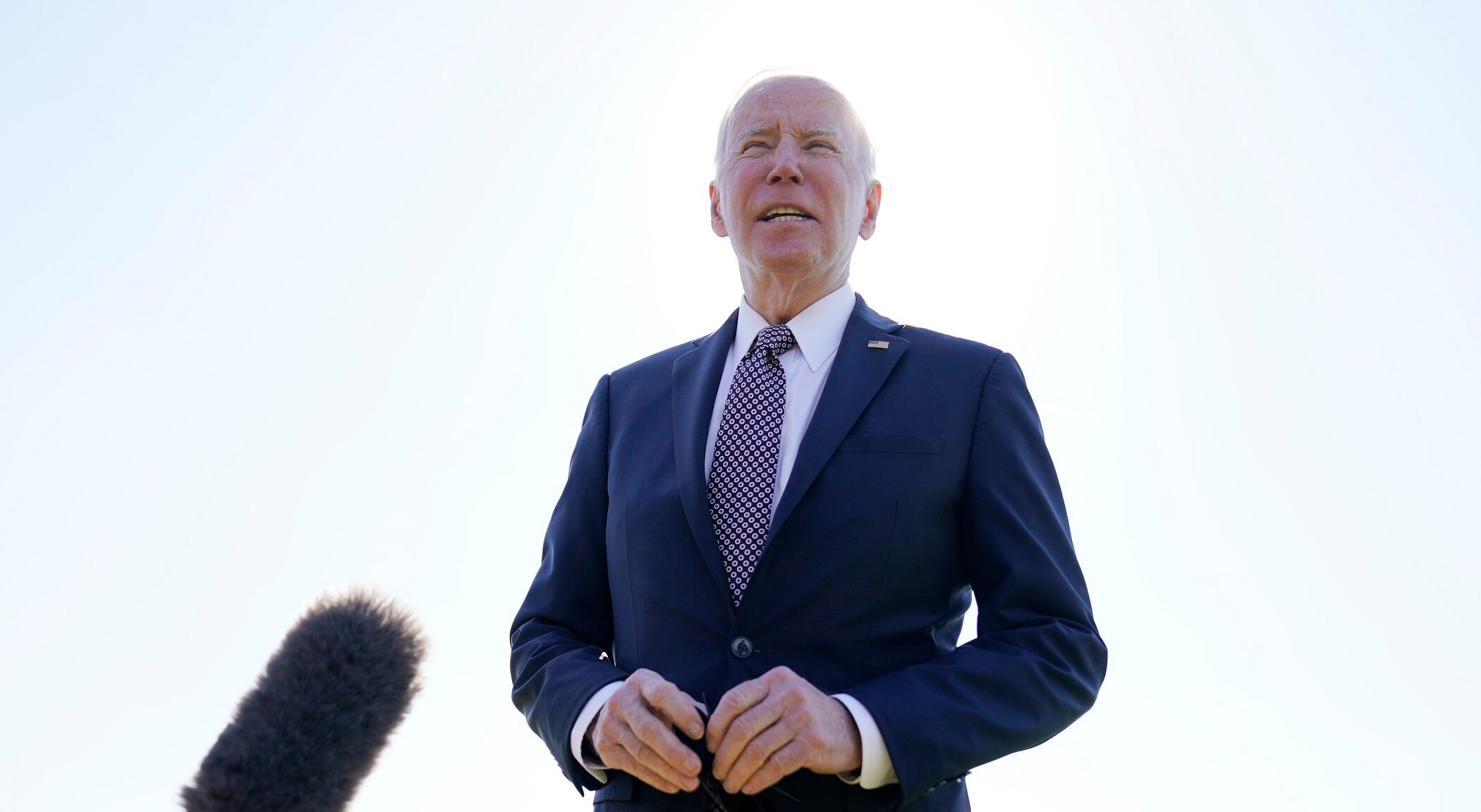
President Joe Biden called for a war crimes trial against Russian President Vladimir Putin and said he’d seek more sanctions after reported atrocities in Ukraine.
Catching you up on what you need to know on April 4, 2022, with reports of Russian war crimes in Ukraine, a weekend shooting in Sacramento killing six and injuring 12, Mexico ending its gas subsidization for U.S. drivers, and the University of South Carolina winning the women's NCAA basketball championship, and more.