*By Christian Smith*
Midterm races in Georgia represent a test of Democrats' strategy to win back states from President Trump in 2020 and counter his conservative populism with their own unabashedly progressive appeal.
"When you talk to Democratic strategists, Georgia really is right at the top of that list," said Eric Boehm, a reporter at Reason. "Democrats are looking at Georgia as one of those places where they can make inroads against that electoral map that President Donald Trump won."
On Tuesday, Stacey Abrams won Georgia's Democratic primary for governor, becoming the first black woman to be nominated for governor by a major political party. With more than 75 percent of the vote, Abrams, a former statehouse leader, defeated another former state rep in the Battle of the Staceys ー Stacey Evans.
Abrams will face the winner of a Republican runoff between Georgia's Lt. Gov. Casey Cagle and Secretary of State Brian Kemp scheduled for July 24.
During her primary campaign, Abrams signaled she would not water down her progressive message in an attempt to court white conservatives away from Republicans. She has said she would raise the minimum wage, use Affordable Care Act funding to expand Medicaid, and do away with cash bail. The success or failure of her strategy could change the way Democrats approach Trump voters in 2020.
The midterm battles may have grown more difficult for Democrats recently. For the first time in the midterm election cycle, American voters are more likely to vote for the Republican candidate in their district than the Democrat according to a new [Reuters poll](http://polling.reuters.com/#!response/TM1212Y17/type/smallest/filters/PD1:1/dates/20180101-20180517/collapsed/true).
If elected, the 44-year-old Abrams would become the first black woman elected governor in the United States, and only the third black governor elected by popular vote after Douglas Wilder in Virginia in 1990, and Massachusetts's Deval Patrick in 2007.
Pinckney Pinchback became governor of Louisiana in 1872 after serving as lieutenant governor, and David Paterson was elevated from lieutenant governor in New York in 2008, but neither was elected governor.
For full interview, [click here](https://cheddar.com/videos/southern-democrats-nominate-historic-group-of-women-in-primaries).
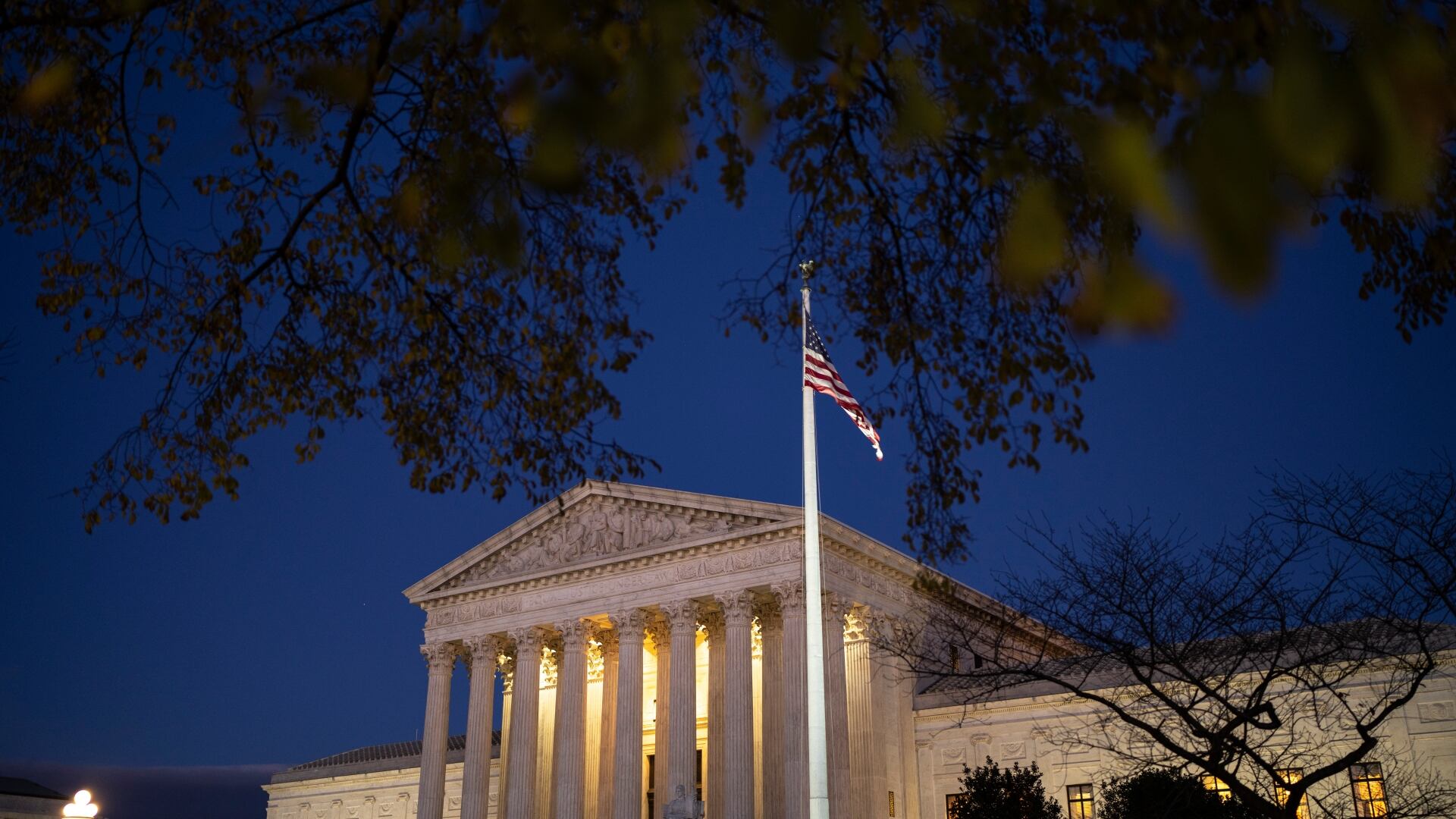
The Supreme Court appeared prepared Wednesday to uphold a Mississippi law that would ban almost all abortions after 15 weeks of pregnancy. The ruling is far from over, with Roe V. Wade at risk. Susan Rinkunas, senior reporter at Jezebel, joins Cheddar News to share the developments of the hearing.
The nine justices heard arguments Wednesday, around a Mississippi abortion law that bans the procedure after 15 weeks and appeared to lean toward upholding the law, while leaving uncertainty about the landmark precedent, Roe v. Wade. Kristin Ford, vice president of communications and research at NARAL Pro-Choice America joins Cheddar News to discuss.
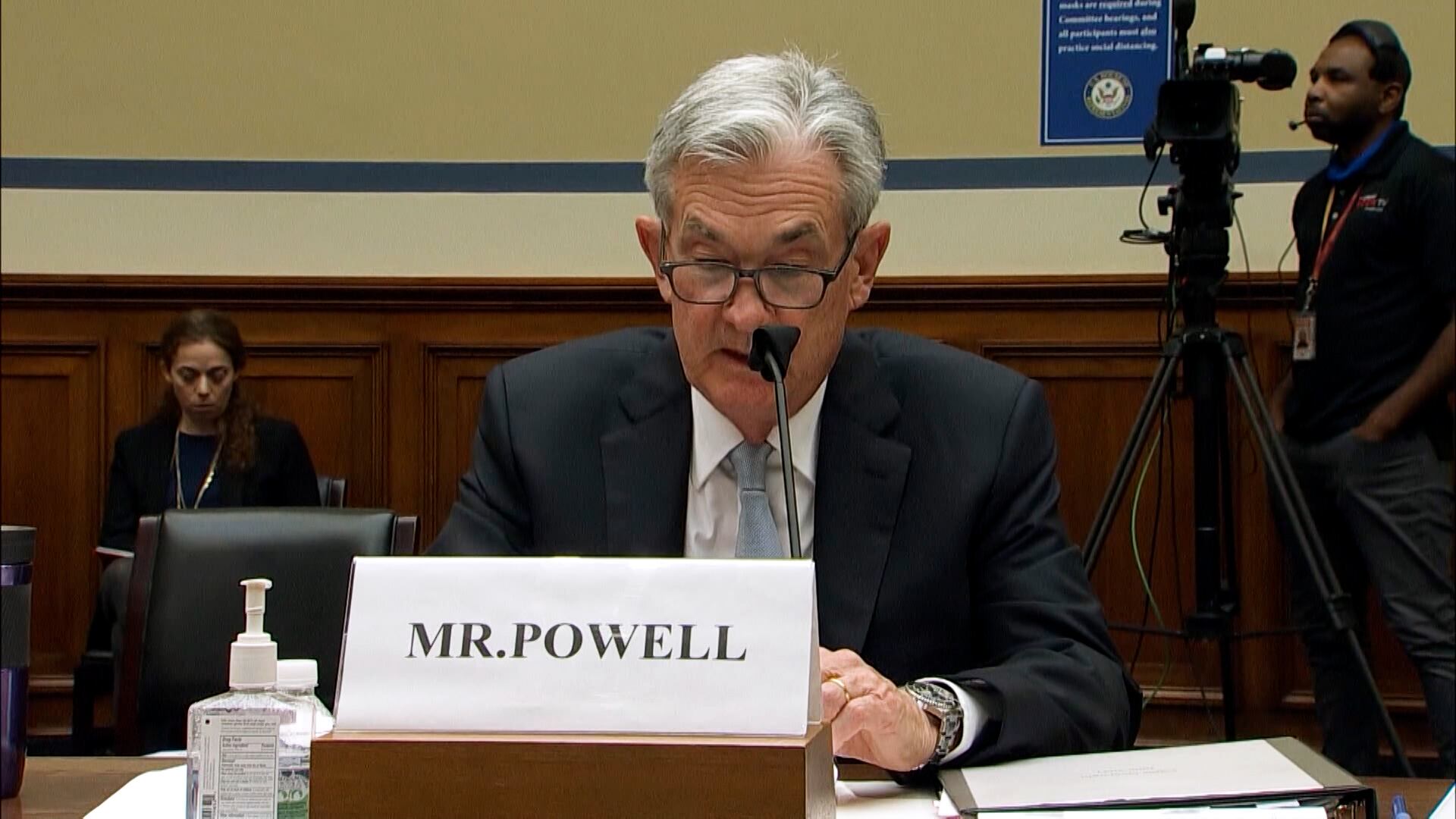
Just about a week after being re-nominated, Federal Reserve Chair Jermone Powell is changing his tune. After nearly a year of referring to inflation as 'transitory,' Powell said he will retire the 'T' word as inflation remains elevated. Christopher Russo, Post-Graduate Research Fellow, Mercatus Center joined Cheddar's Opening Bell to discuss.
Airbnb has come under fire after an Axios report found that the rental company has properties available in China's Xinjiang region where the nation has been accused of committing genocide against Uyghur Muslims, demolishing their homes, and replacing them with tourist attractions.
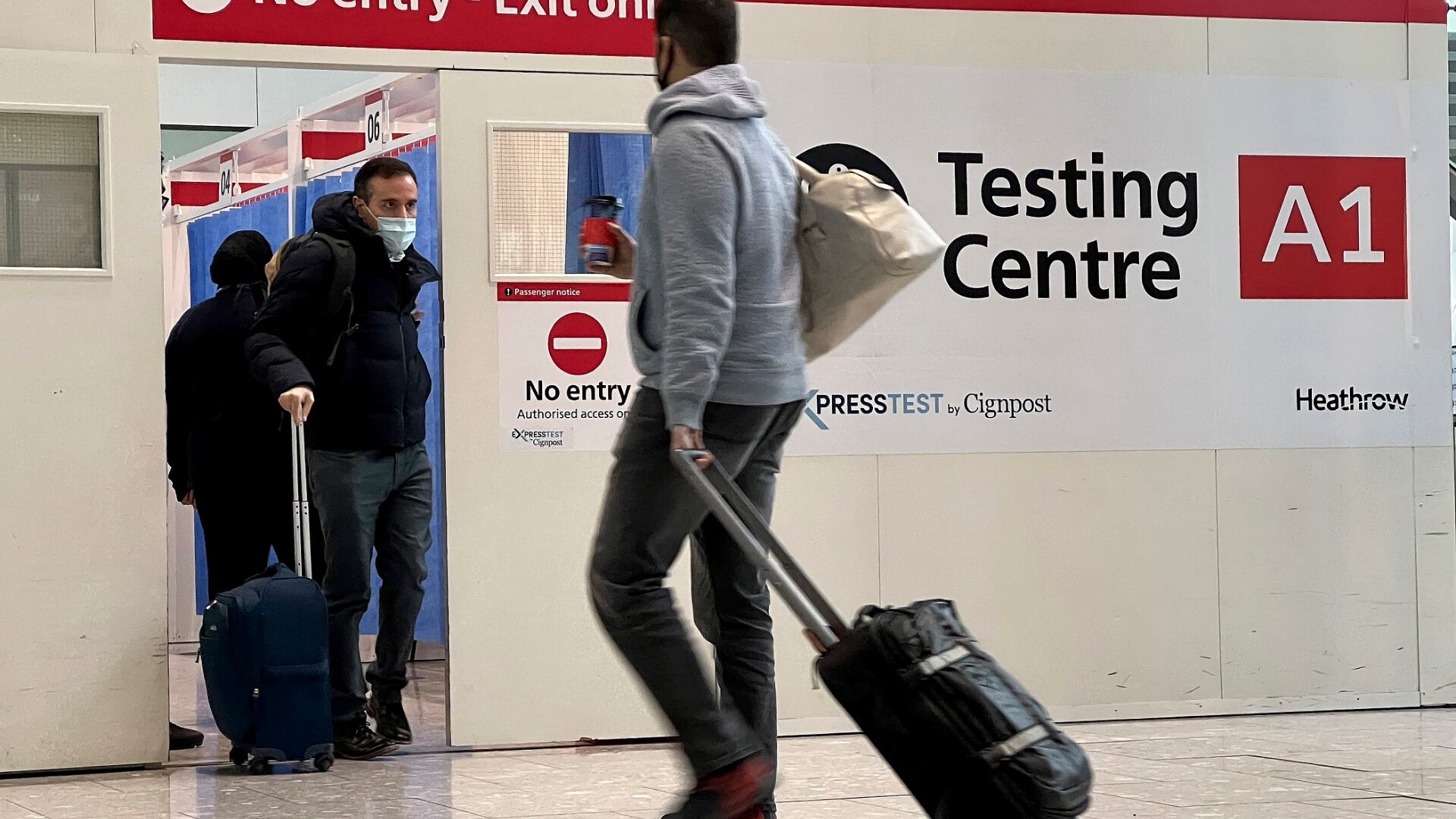
With the emergence of the omicron variant, the U.S. is considering tightening international travel guidelines. The CDC said it might reduce the window for foreign travelers to submit a negative COVID-19 test from three days prior to one day before allowing entry.
Jill and Carlo cover the latest on Omicron, another school shooting in America and more. Plus, bidding farewell to 'transitory' inflation, and the controversy surrounding 'Lovely Bones' author Alice Sebold.
Disparities in tree coverage across America is a huge issue that affects air quality, heat exposure, and ultimately determines how resilient communities are against climate change. The Build Back Better Act is allocating $2.5 billion to boost 'tree equity.' Lemir Teron, assistant professor at SUNY College of Environmental Science and Forestry, joins Cheddar News to explain why this is a priority for Democrats today.