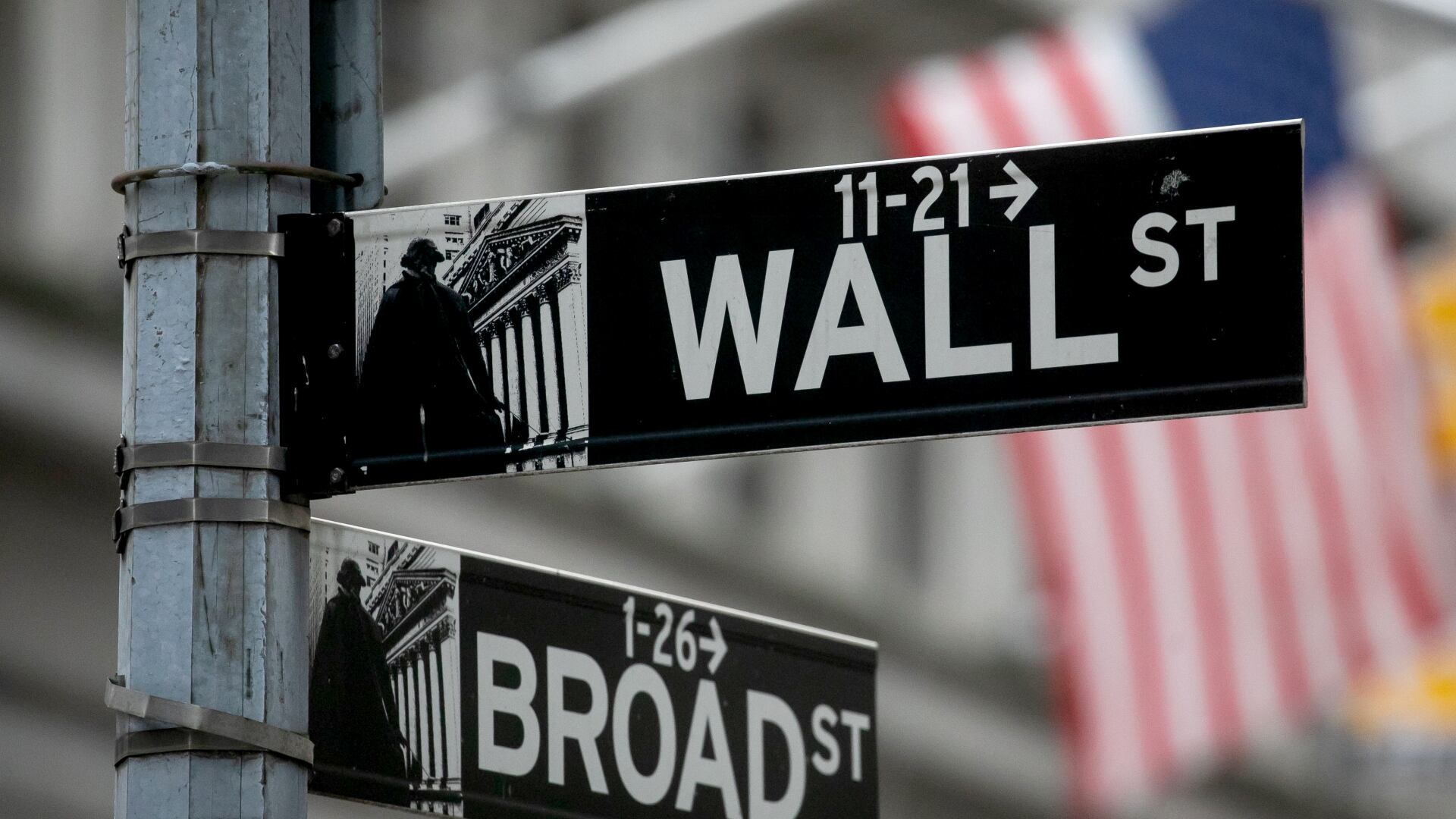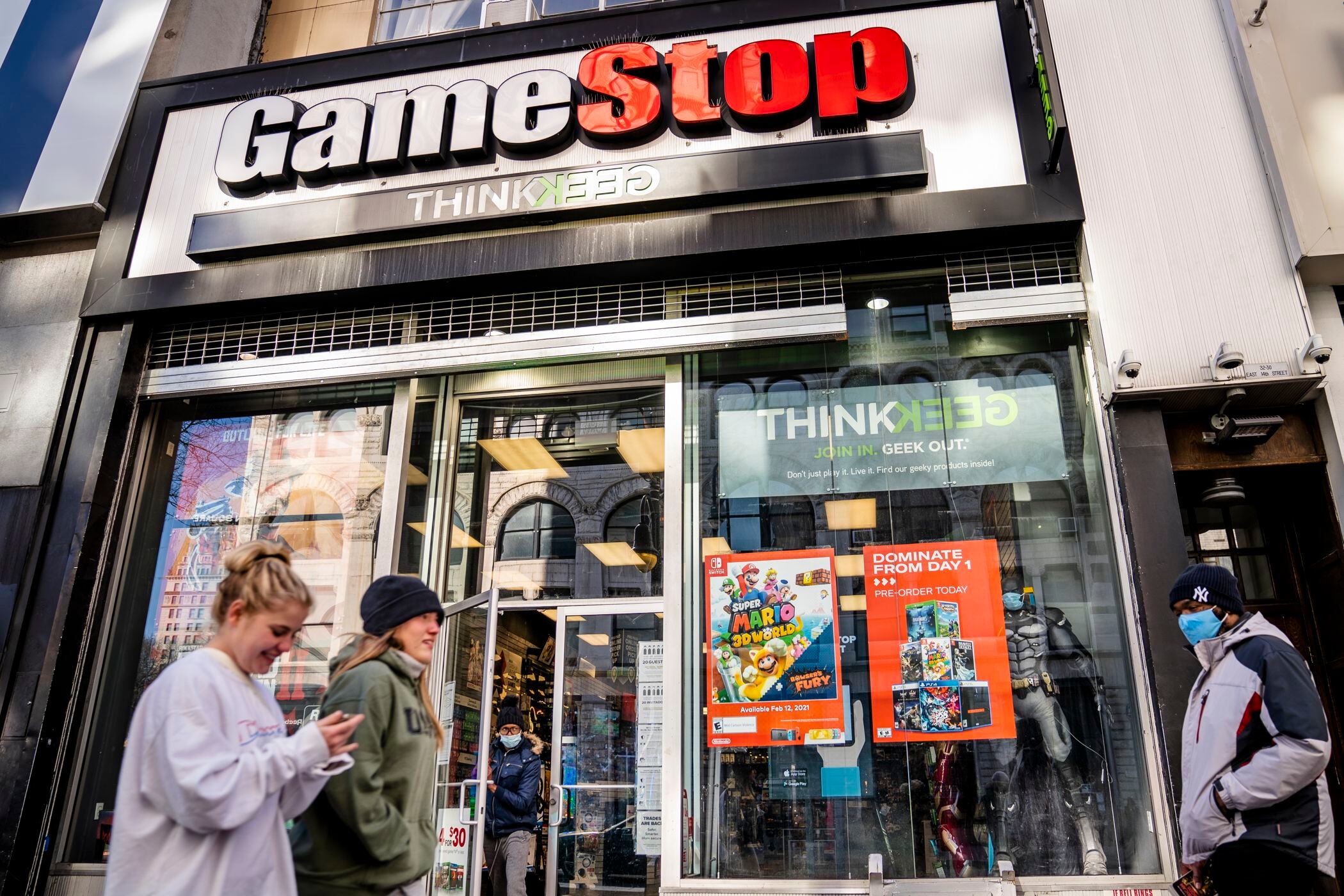
The House Financial Services Committee convened Thursday to get to the bottom of what actually happened in late January when GameStop stock was skyrocketing and the popular trading app Robinhood stopped users from buying more shares. A similar theme rang throughout the course of the day with members of Congress reinforcing the importance of safety for the retail investor.
Democrats on the committee joined Cheddar on Friday to share their takeaways from the hearing.
Cleaver Recalls Suicide Linked to Robinhood
During the hearing, Rep. Emanuel Cleaver (D-Mo. 5th District) grilled Robinhood CEO Vlad Tenev on the suicide of 20-year-old Alexander Kearns who took his life after mistakenly believing the app showed he had lost $730,000. Cleaver wanted to know what the company planned to do so similar instances could be avoided.
"I was hoping that [Tenev] would tell me that they had put safety precautions in place to prevent some kind of tragedy like that [from] happening again," he told Cheddar. "What he could not explain to me, and I asked the question, how could you assign a million dollars worth of leverage to a 20-year-old who has no experience in trading, and what they successfully did was create panic trading."
Robinhood, according to Cleaver, at its inception, was supposed to offer a guide for young people learning about the market but has instead left them "vulnerable" to losses which could ultimately lead to more unfortunate incidences, he said.
Good Idea Bad Execution
For Rep. Jake Auchincloss (D-Mass. 4th District), the idea of empowering Americans with the tools to gain wealth should be supported, but he noted that services like Robinhood have a responsibility to provide investors with information to flourish on the platform.
"I want more Americans to own a stake in capitalism. Fewer than half of American households own any equity and if you don't have access to equities and bonds, capitalism isn't fully working for you," he told Cheddar.
While Auchincloss wasn't focused on "pointing fingers" when it came to Robinhood's halting of GameStop trades, he did say the company needs to take a closer look at its threshold for trading options.
More Transparency From Robinhood and Others
Education and transparency were key themes in the hearing, and Rep. Gregory Meeks (D-N.Y. 5th District) said he felt more emphasis has to be placed on risk assessment on free-trading platforms.
He compared Robinhood's business model to the kind of trading activity that caused the 2008 financial crisis, saying people are willing to invest without reading the company's fine print. Essentially, the adjusted mortgage rates that forced many Americans to lose their homes and ultimately accrue a mountain of debt could be likened to the results that could occur if brokerages like Robinhood unexpectedly halt trading, he said.
While Tenev said the platform would not prevent investors from buying stock in the future, Meeks did not express much confidence in that response because he said the company has not always been forthcoming on other issues, such as the company's liquidity.
"At one time he said that he did not have a liquidity problem — and I know I asked him that question previously and he said he did not have a liquidity problem — that the money that they raised was for future incidents, but finally he told the truth. But that tells me I don't have all the confidence," Meeks told Cheddar in regards to Tenev. The representative said officials will have to keep an eye on what happens in the future to make sure liquidity issues that could lead to halts in trading do not crop up again.
Payment for Order Flow Concerns
Protecting the customer was also a major concern for Rep. Ritchie Torres (D-N.Y. 15th District). He questioned Robinhood's business practices, involving what he described as the company receiving "perverse incentives" to favor trading firms over retail investors.
"The overwhelming majority of Robinhood's revenue comes from payment for order flow and the overwhelming majority of Robinhood's order flow revenue comes from one company, Citadel, so it does raise questions," he alleged.
Torres said while the platform should be looking out for the best interest of investors, it's taking payments from the highest bidder, Citadel. As a result, he thinks actual free-trading on the platform is in question.
"Robinhood will claim that [they're] providing retail inventors with free trading, but nothing in life is ever free. Everything has a cost. And even though there's no price at the frontend of the transaction there must be a hidden cost to retail investors at the back end of the transaction and the question is what is that hidden cost? And there is no transparency for retail investors and that is the problem," Torres noted.