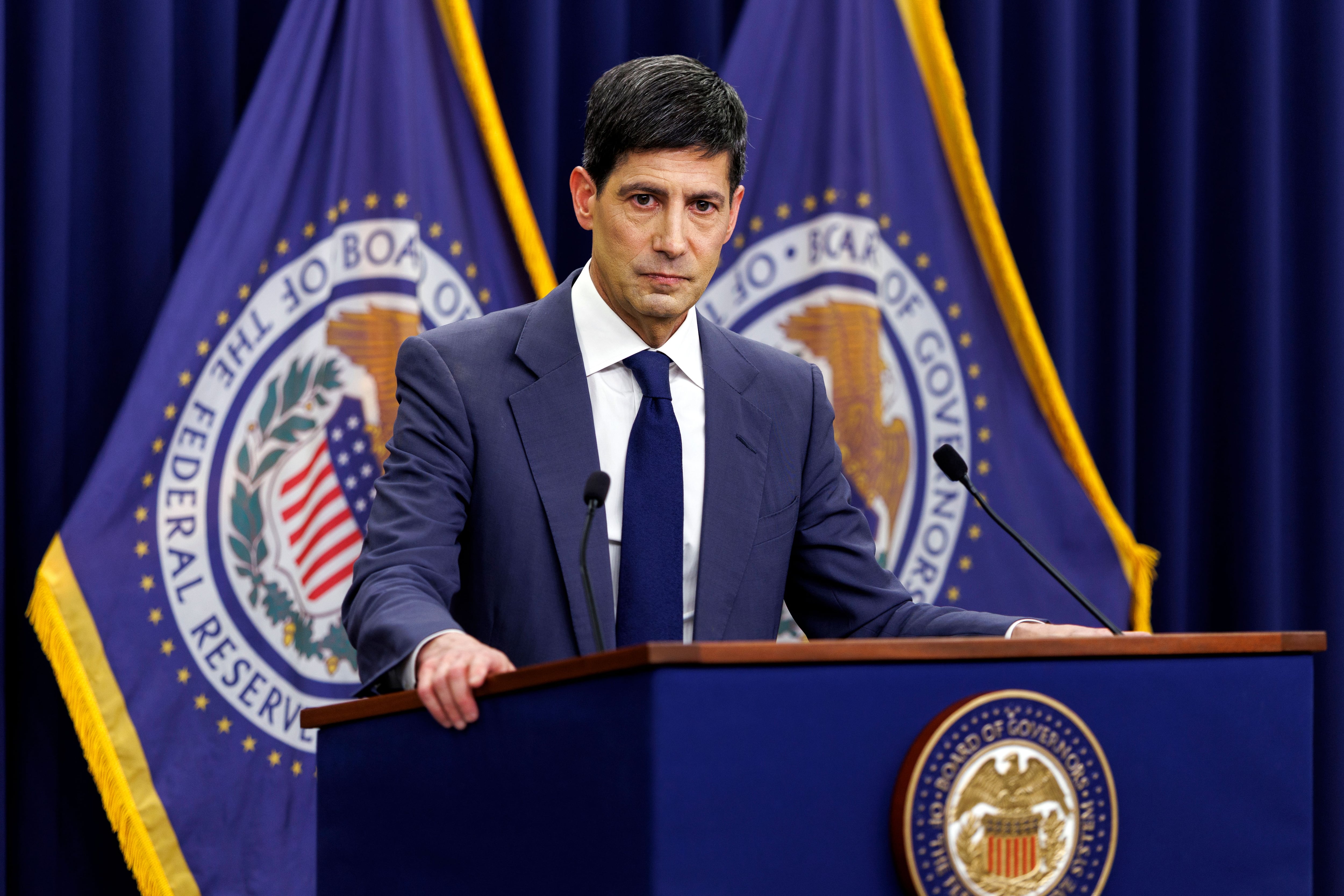
Once seen by politicians as a tool to tackle issues, Capitol Hill is finding out that technology could be a double-edged sword with unintended consequences. Cecilia Kang, National Technology Correspondent at The New York Times, joined to take a closer look at the crossroads between politics and Silicon Valley.
Kang discussed why the Democrats became sour on Silicon Valley. She said the 2016 election was the start of a journey for the Democratic party to evaluate the role of technology companies in the spread of information. Kang added that they wanted to investigate whether social media companies were good or potentially harmful for democracy. When the shock wore off from the election results, they wanted to look into what was behind the outcome.
Are Democrats just trying to find something else to blame for election results they aren’t happy with? Kang pointed out that social media companies themselves have acknowledged that they did play a role in the election. This is evident in the newsfeed algorithm changes implemented by Facebook. The company is now placing a heavier emphasis on content from friends and family opposed to content from publishers.
Morningstar equity analyst Nicolas Owens explains Boeing's latest earnings, deliveries, rising fuel costs, and what they mean for airlines and investors.
The 2026 FIFA World Cup is more than just a tournament. With over 6.5 million fans expected to attend, it's become one of the world's largest economic events.
Variety Senior TV Editor Brian Steinberg breaks down media mergers, streaming, cord-cutting, and the biggest trends reshaping the future of television.
As AI demand surges, LT350 is reimagining parking lots as data centers. Founder and CEO Jeff Thramann explains this innovative approach to AI infrastructure.
TIME Editorial Director Lucy Feldman breaks down the 2026 TIME100 Creators list, the evolution of the creator economy, and what's next for digital media.