Once seen by politicians as a tool to tackle issues, Capitol Hill is finding out that technology could be a double-edged sword with unintended consequences. Cecilia Kang, National Technology Correspondent at The New York Times, joined to take a closer look at the crossroads between politics and Silicon Valley.
Kang discussed why the Democrats became sour on Silicon Valley. She said the 2016 election was the start of a journey for the Democratic party to evaluate the role of technology companies in the spread of information. Kang added that they wanted to investigate whether social media companies were good or potentially harmful for democracy. When the shock wore off from the election results, they wanted to look into what was behind the outcome.
Are Democrats just trying to find something else to blame for election results they aren’t happy with? Kang pointed out that social media companies themselves have acknowledged that they did play a role in the election. This is evident in the newsfeed algorithm changes implemented by Facebook. The company is now placing a heavier emphasis on content from friends and family opposed to content from publishers.
Seth Goldstein, Equity Strategist at Morningstar, breaks down Tesla's earnings report, talks Musk's future with the company and how stocks have responded.
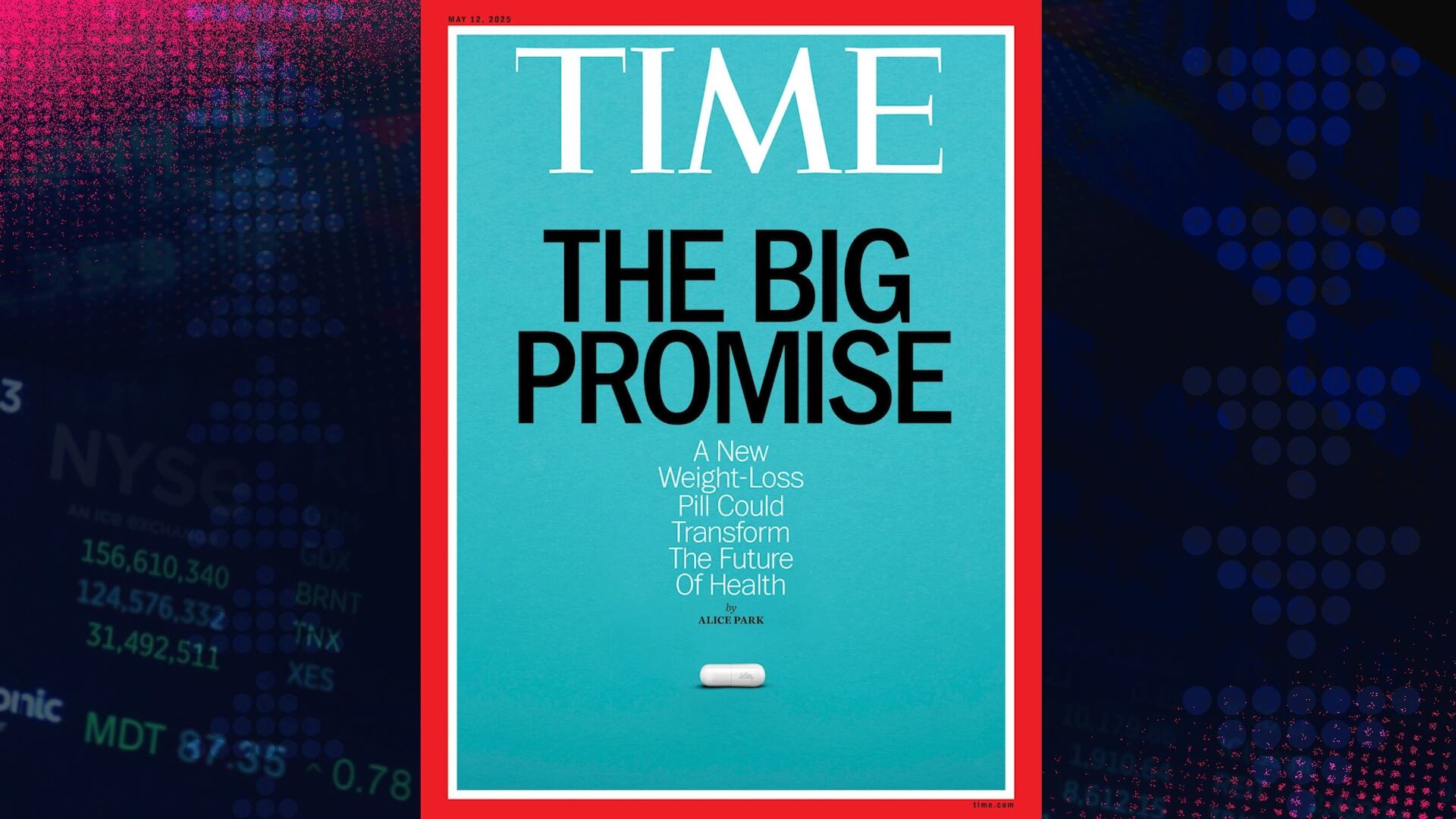
Senior Health Correspondent for TIME, Alice Park, gives us a deeper look into how Eli Lilly's new pill orforglipron may change the healthcare industry.
Archer Aviation CEO Adam Goldstein talks about the advancements in electric air taxis and how his company is changing the future of air transportation. Watch!
Ben Soffer, aka @boywithnojob, discusses his journey from social media influencer to entrepreneur and why he wanted to enter the competitive drink space. Watch!
StockstoTrade.com Technical Trainer, Tim Bohen, discusses why he thinks Trump is doing what he is doing and how it will affect the market going forward.
Jacob Sonenshine, Stock Pick Writer at Barron's, unpacks the current state of the markets, Trump's tariffs and if more volatility is on the way. Watch!