*By Christian Smith*
It's an honor to receive former President Barack Obama's support for his Congressional bid, said Colin Allred, but really it's a recognition that the Texas Democrat has run a campaign that can win.
"We've built a grassroots movement of folks getting involved who haven't been involved before," Allred said in an interview Thursday with Cheddar. "It's kind of the legacy, I think, of President Obama's political brand, and I think that's what we're carrying forward here."
Allred is challenging Representative Pete Sessions, an eight-term incumbent, in Texas's 32nd congressional district north of Dallas. Sessions hasn't faced a Democratic opponent in a general election since 2014.
The Cook Political Report lists the race as a ["toss-up"](https://www.cookpolitical.com/ratings/house-race-ratings) despite the 32nd district's R+5 PVI rating, which means it leans moderately Republican in presidential races, though voters there went for Hillary Clinton by one point in 2016.
That's a good sign for Allred, who is running to represent the area where he was born and raised. He was a stand-out football player at Hillcrest High School before going on to play linebacker at Baylor University and with the NFL's Tennessee Titans.
When his football career ended, Allred went to law school to become a civil rights attorney, and worked in the Obama Administration as a special assistant in the Department of Housing and Urban Development’s Office of General Counsel.
Allred said that some of his former Hillcrest High teachers and coaches have been involved in his Congressional campaign, and their involvement is as important as Obama's endorsement in getting new voters to the polls in November.
"We're reaching out to Independents and Republicans who might feel like this version of the Republican party led by Donald Trump doesn't represent them," Allred said.
For more on this story, [click here](https://cheddar.com/videos/former-nfl-player-colin-allred-in-tight-congressional-race-with-16-year-incumbent-pete-sessions).
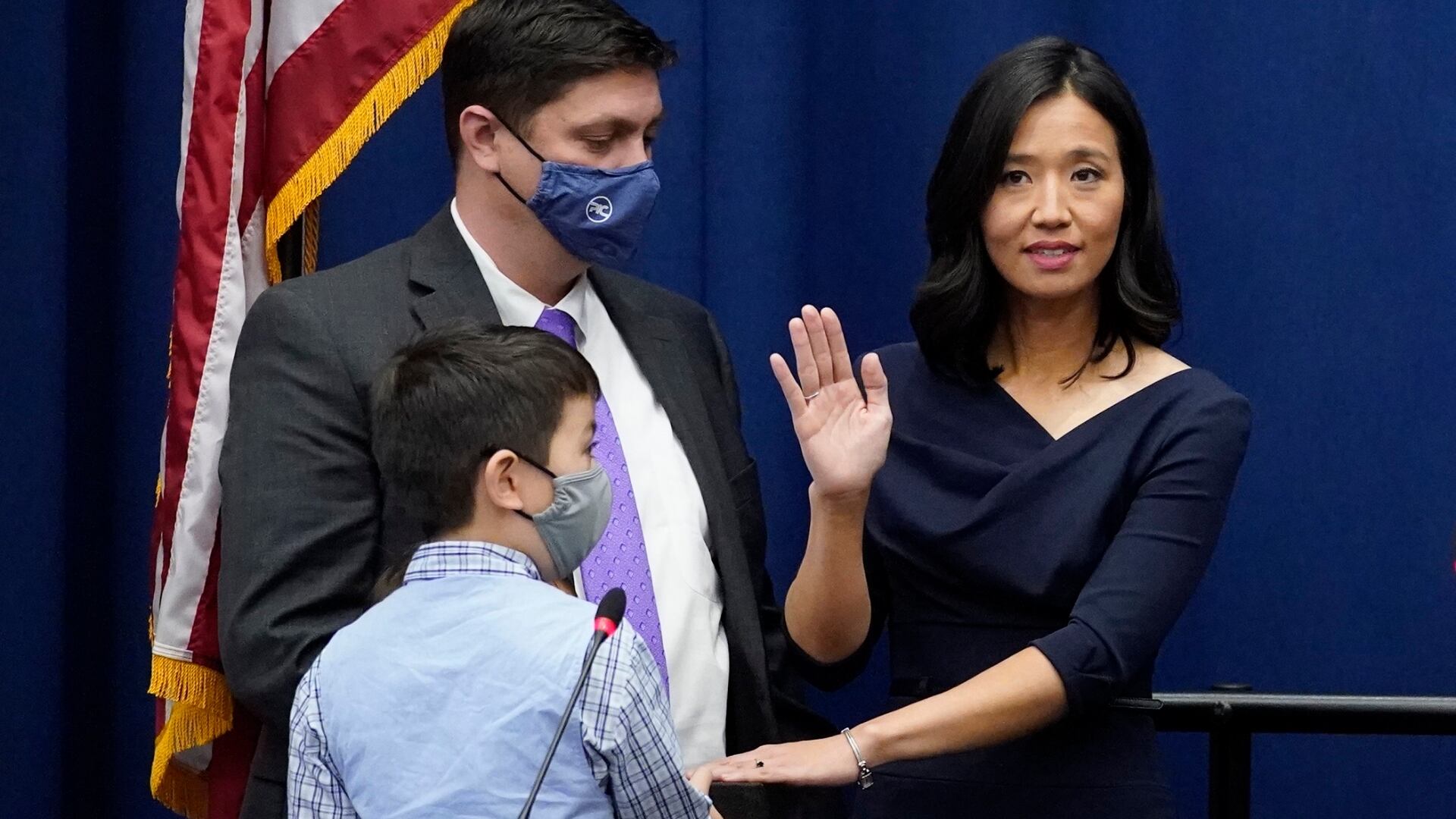
As the 2022 midterm elections fast approach, here are some politicians Americans should be on the lookout for. Democratic Massachusetts state senator Sonia Chang-Diaz, who was the first Latina and Asian American woman to be elected to the state's senate, now has her eye on the governorship with Republican Charlie Baker leaving. New Jersey GOP candidate for Congress, Billy Prempeh also bears watching, and while Boston's newest mayor, Democrat Michelle Wu, was already sworn in last month, all eyes will be on Beantown as the first woman and first person of color to hold the office tries to usher in a new era for the city.
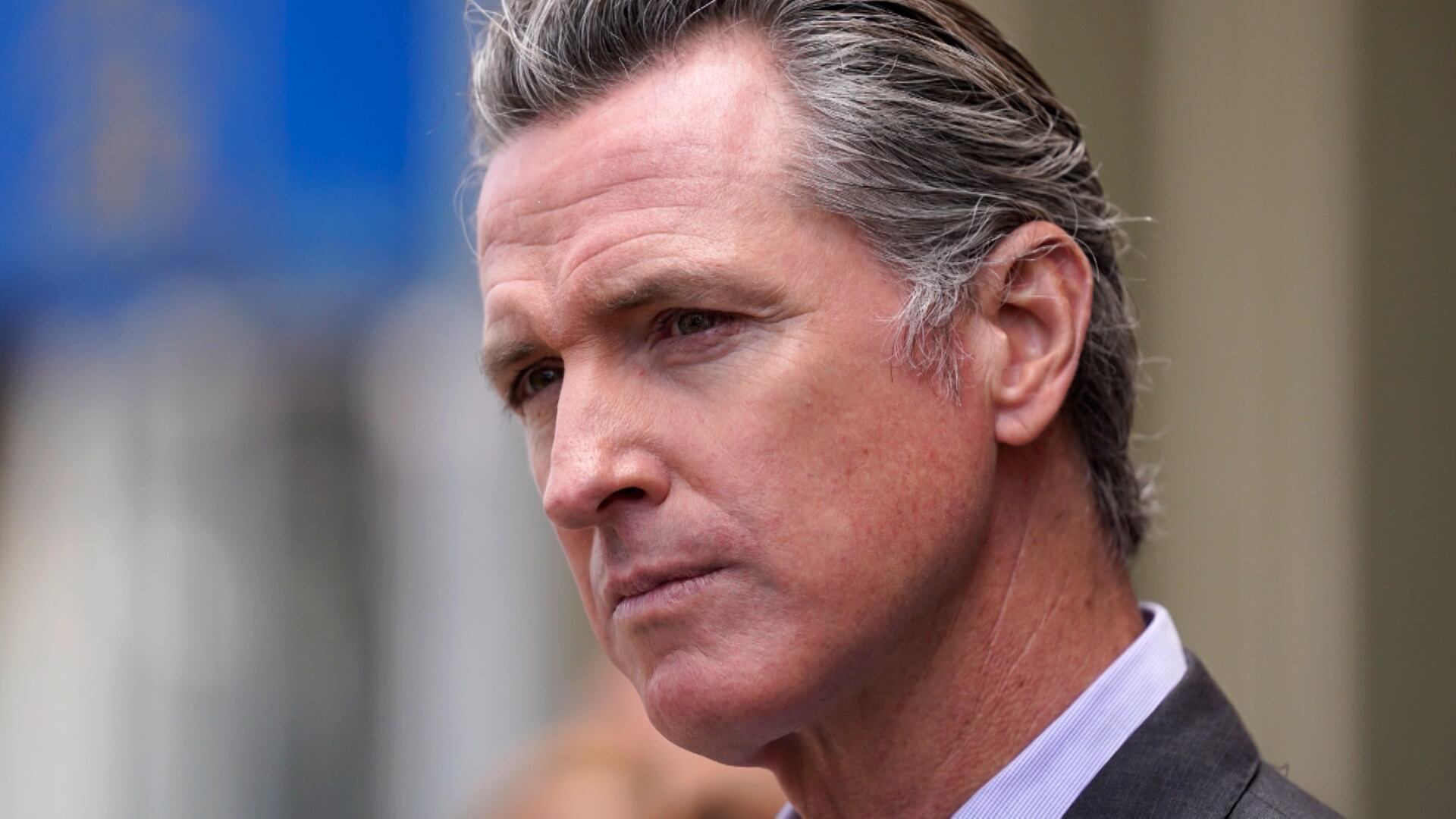
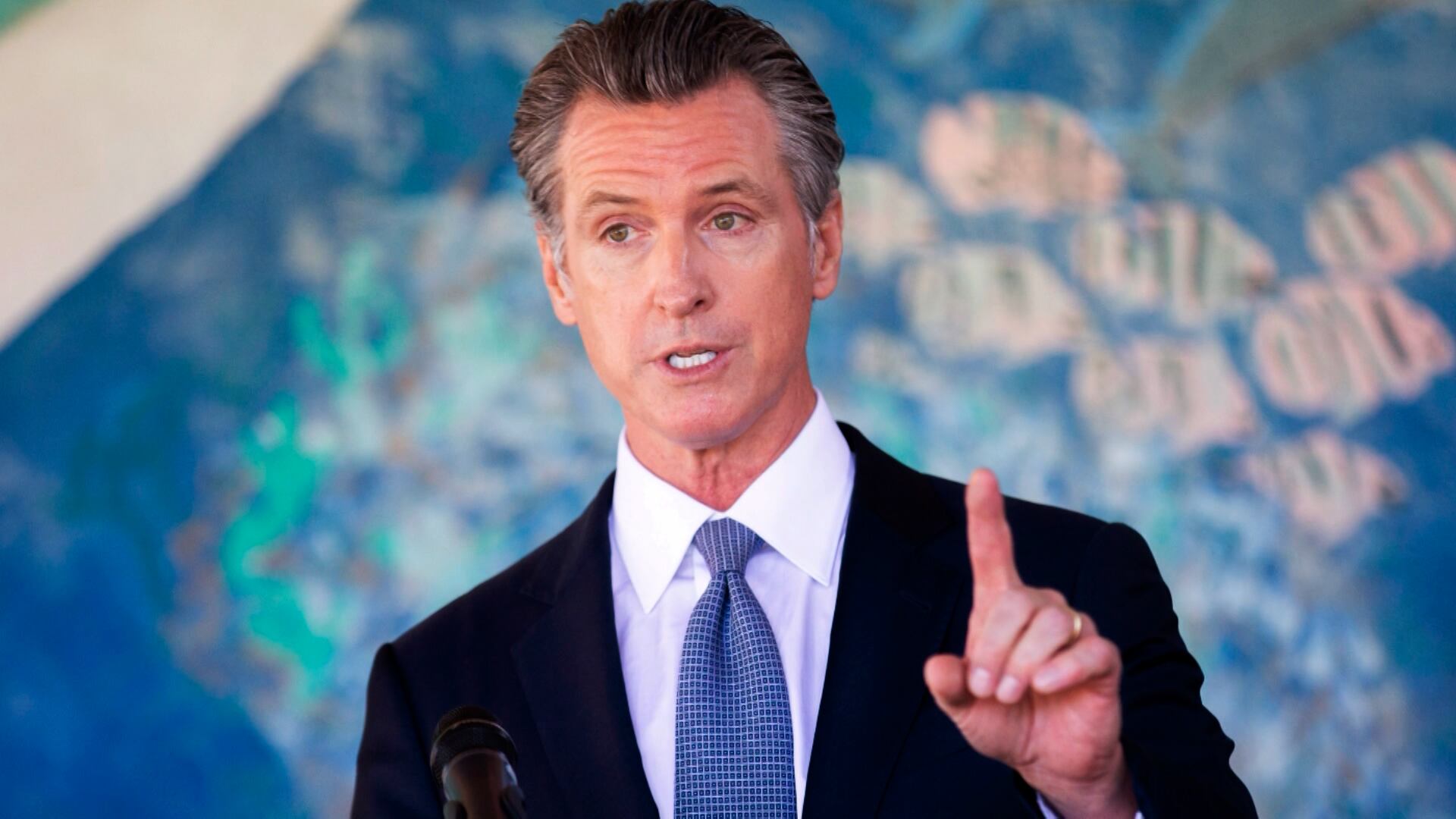
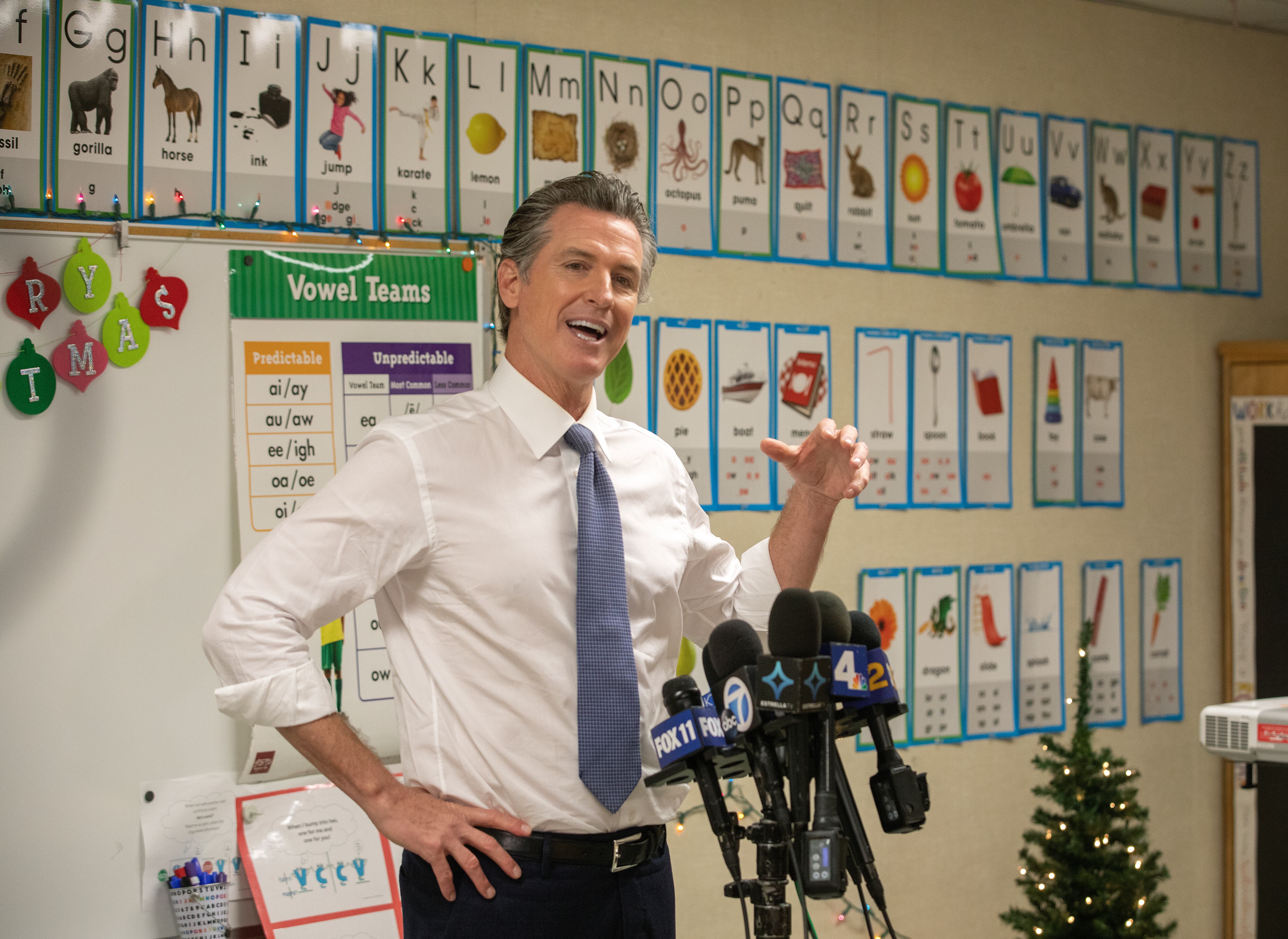
Emily Hoeven, newsletter editor at CalMatters, joins Cheddar News to discuss California Governor Gavin Newsom's gun law modeled after Texas's abortion law.
Chuck Rocha, host of 'Nuestro' podcast and opinion contributor at The New York Times, joins Cheddar News to discuss why Democrats are losing Hispanic voters.
More businesses are requiring workers to return to the office, but there is concern that many employees in the middle class, especially women and people of color, need remote work options for reasons including childcare and financial security. Joan Williams, director of the Center for WorkLife Law at the University of California, joined Cheddar to discuss why office mandates could be detrimental to the middle class. She noted that while companies claim a return to offices would help foster more collaboration and efficiency, reports show that they are successfully able to do their jobs from home.
The U.S. postal service has confirmed that it secretly developed and tested a blockchain-based mobile voting system ahead of the 2020 election. Susan Greenhalgh, senior advisor on election security, Free Speech for People, joins Cheddar News to discuss the cybersecurity complications of a mobile voting system.
The U.S. Supreme Court ruled to allow the controversial Texas abortion law to remain in effect, banning abortion at six weeks and allowing any private citizen to sue a person or doctor aiding or abetting someone seeking an abortion. Outraged at this decision, California Governor Gavin Newsom is working to draft a proposal in line with the law as it relates to guns. Shawn Hubler, California correspondent at the New York Times, joins Cheddar News to discuss.