Ken Stern, Former CEO of NPR and Author of "Republican Like Me: How I Left the Liberal Bubble and Learned to Love the Right," joins The Hive. Stern, Kristen Scholer, and Jon Kelly discuss the possible demise of the American two-party system and whether the Independent Party may be able to make a run in the next election.
They talk about the impact the Trump Presidency may be having on the two-party system, and whether outsiders like Mark Cuban might be realistic in 2020. Stern describes how the rise of Donald Trump may have triggered a realignment of the electoral system that has been years in the making.
He also asserts that another reason for the potential reset is that both the Democrats and the Republicans seem to be failing at the same time.
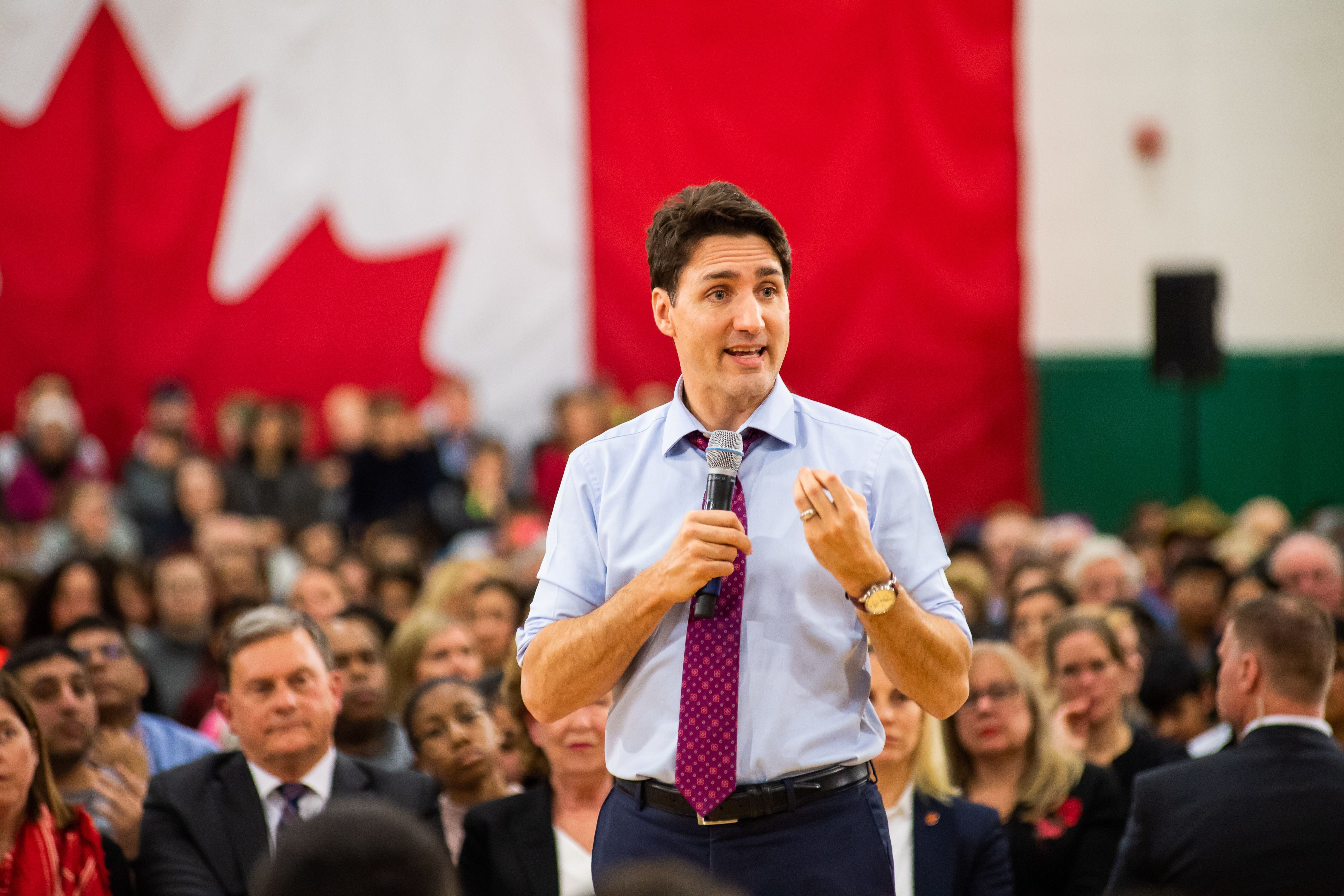
Canada plans to ban all single-use plastic products such as bags, straws, cutlery, and plates by 2021, Prime Minister Justin Trudeau announced Monday.
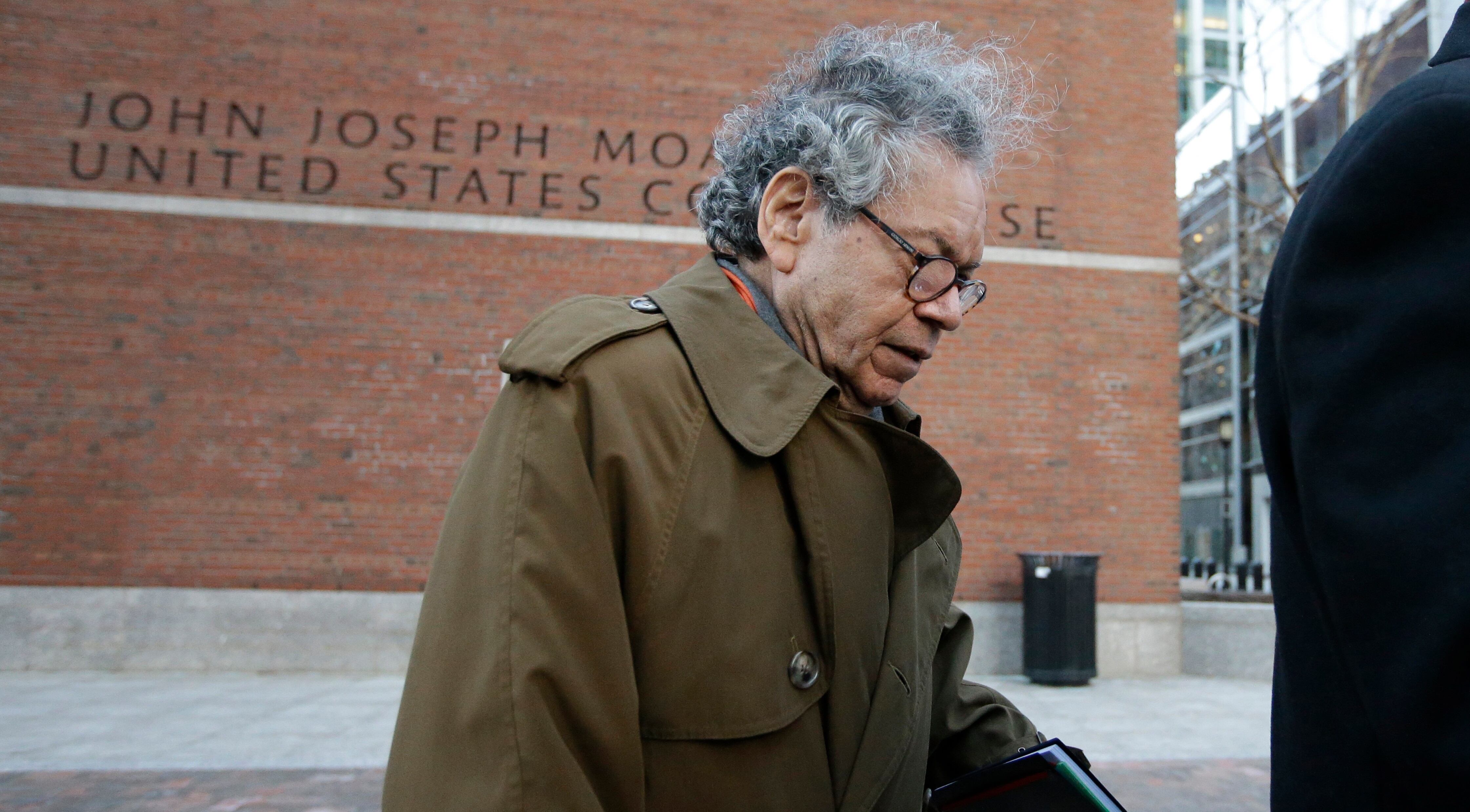
The major pharmaceutical maker Insys Therapeutics filed for bankruptcy protection on Monday, less than a week after the company agreed to pay $225 million to settle federal charges related to bribing doctors to prescribe opioid painkillers.
These are the headlines you Need 2 Know for Monday, June 10, 2019.
Trump strikes a solemn and respectful tone during his formal speech at Normandy, but not before a blistering attack on his political adversaries.
U.S. employers added just 75,000 jobs in May, a sharp decline from the month prior and a far cry from what economists were expecting.
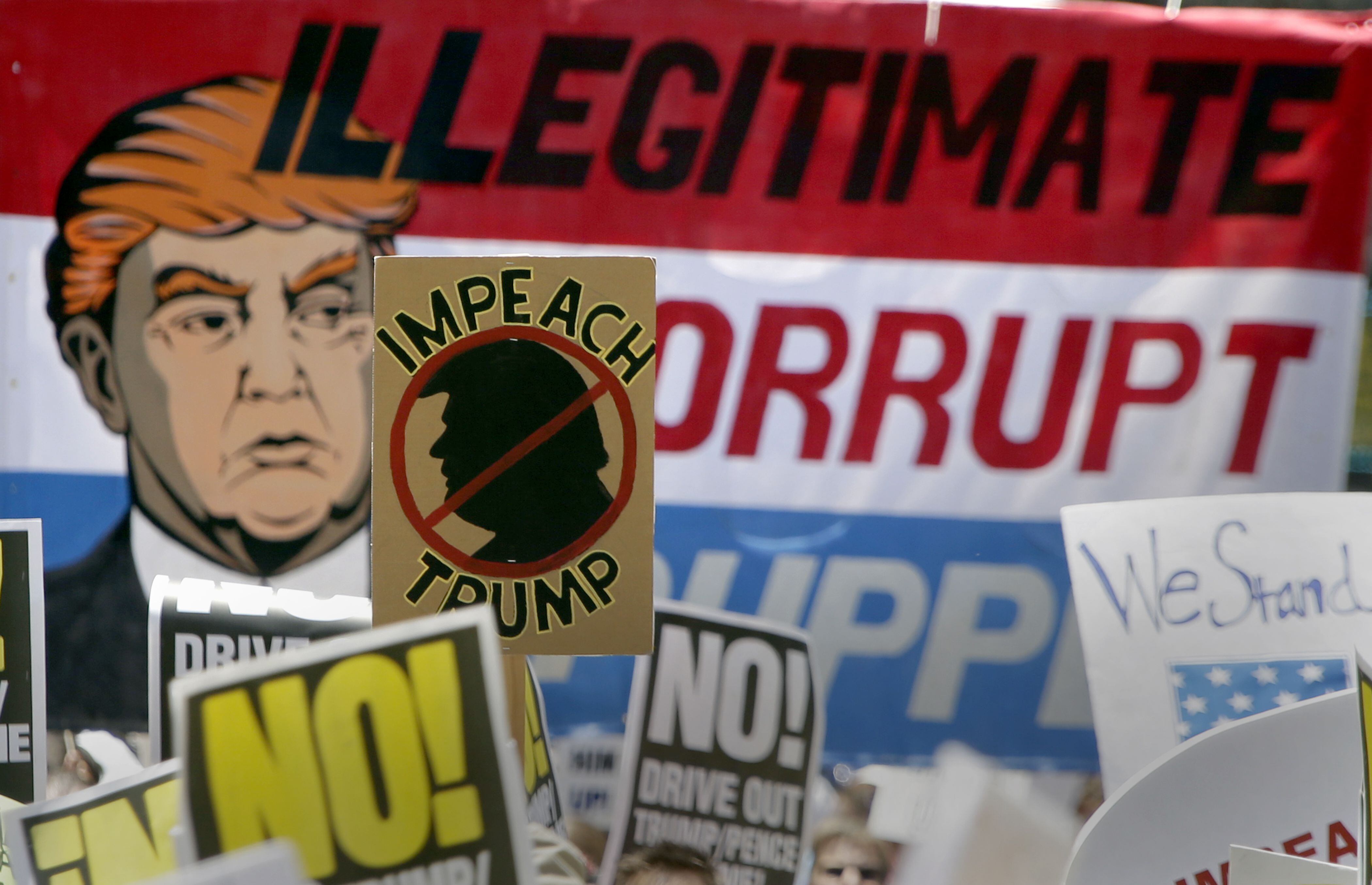
Progressive advocacy groups across the country are ramping up pressure on federal lawmakers to open an impeachment inquiry into President Donald Trump.
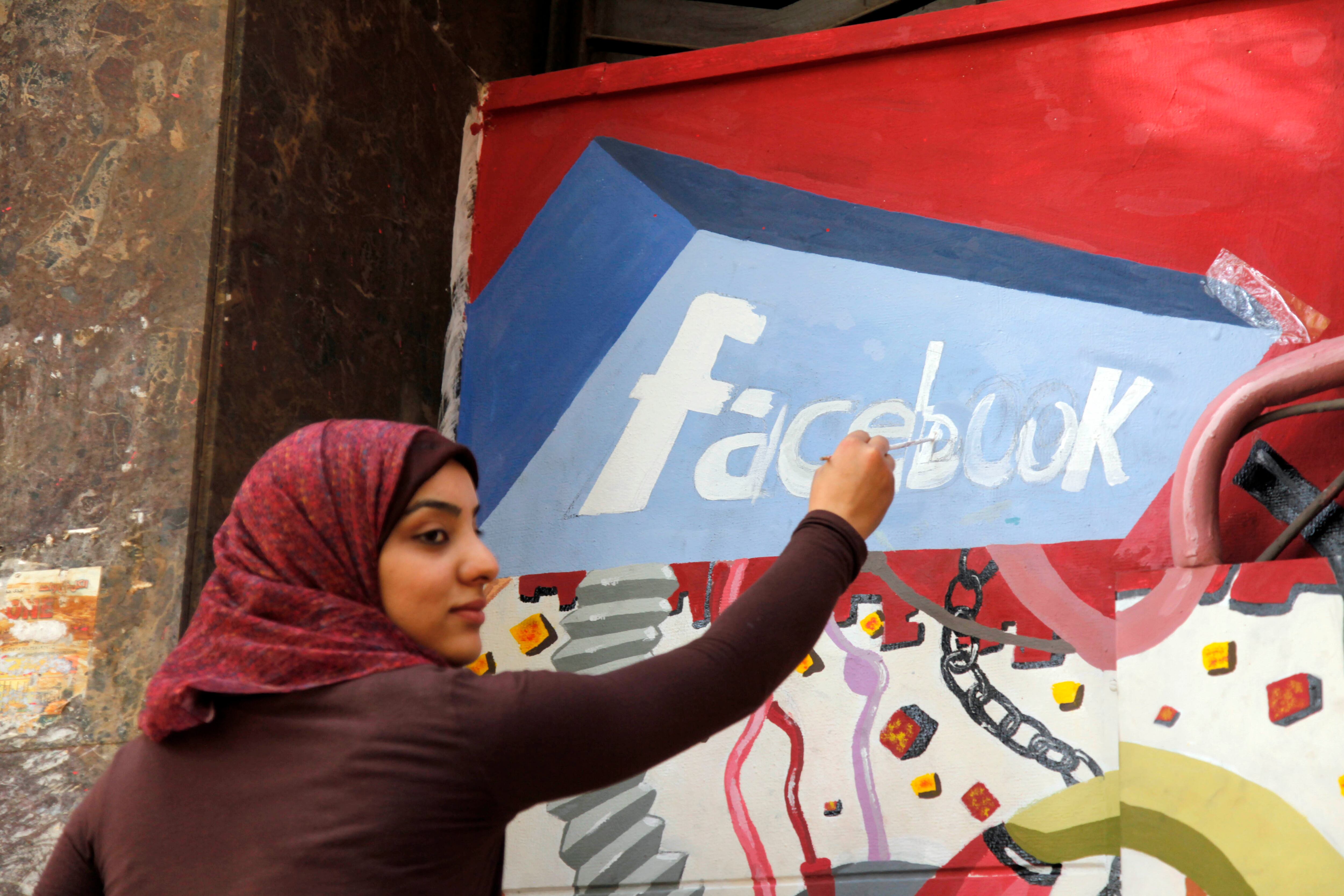
Nearly a decade since the Arab Spring uprisings, social media use in the region has declined dramatically.
Following several days of critical attacks on Puerto Rico from President Trump and his administration, Puerto Rican radio host Julio Ricardo Varela says Trump is "racist" but the tension between the U.S. and the island territory runs much deeper.
As many as 33 states and D.C. have legalized recreational or medical cannabis, but businesses and individuals in those states are technically violating federal law. The proposed legislation would resolve that discrepancy and still allow states without blocking states that want to keep marijuana prohibitions.
With just nine months until California implements the strictest data privacy law in the nation, the vast majority of businesses operating in the state are not compliance ready, a new report found.