Ken Stern, Former CEO of NPR and Author of "Republican Like Me: How I Left the Liberal Bubble and Learned to Love the Right," joins The Hive. Stern, Kristen Scholer, and Jon Kelly discuss the possible demise of the American two-party system and whether the Independent Party may be able to make a run in the next election.
They talk about the impact the Trump Presidency may be having on the two-party system, and whether outsiders like Mark Cuban might be realistic in 2020. Stern describes how the rise of Donald Trump may have triggered a realignment of the electoral system that has been years in the making.
He also asserts that another reason for the potential reset is that both the Democrats and the Republicans seem to be failing at the same time.
Volkswagen gets its first chance to show off its new electric vehicle, the ID. Space Vizzion, even as the California government boycotts the show over some automakers siding with the White House in a fight over emissions standards.
These are the headlines you Need 2 Know for Thursday, November 21, 2019.
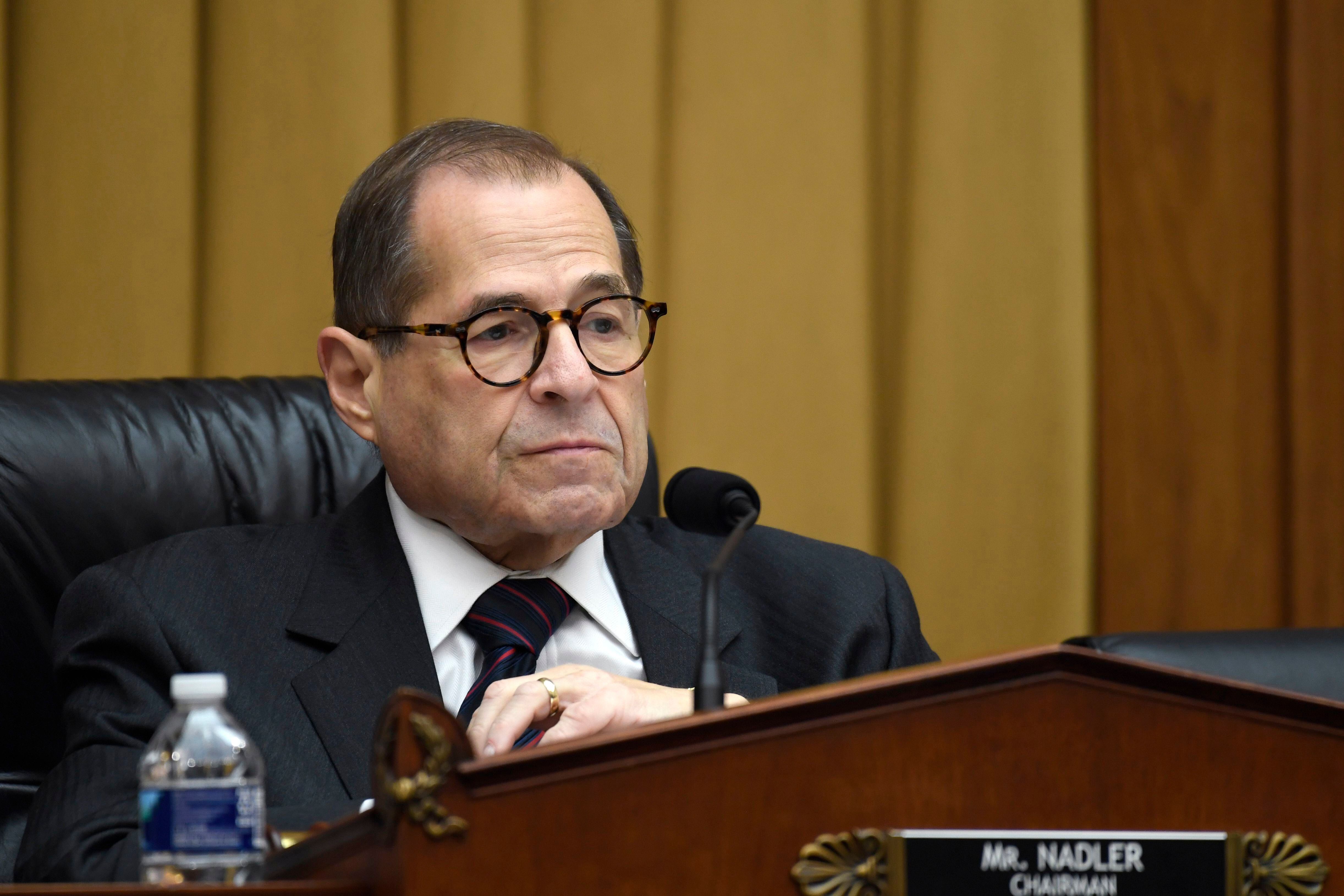
The Marijuana Opportunity, Reinvestment, and Expungement (MORE) Act of 2019 passed through the House Judiciary Committee 24-10 on Wednesday.
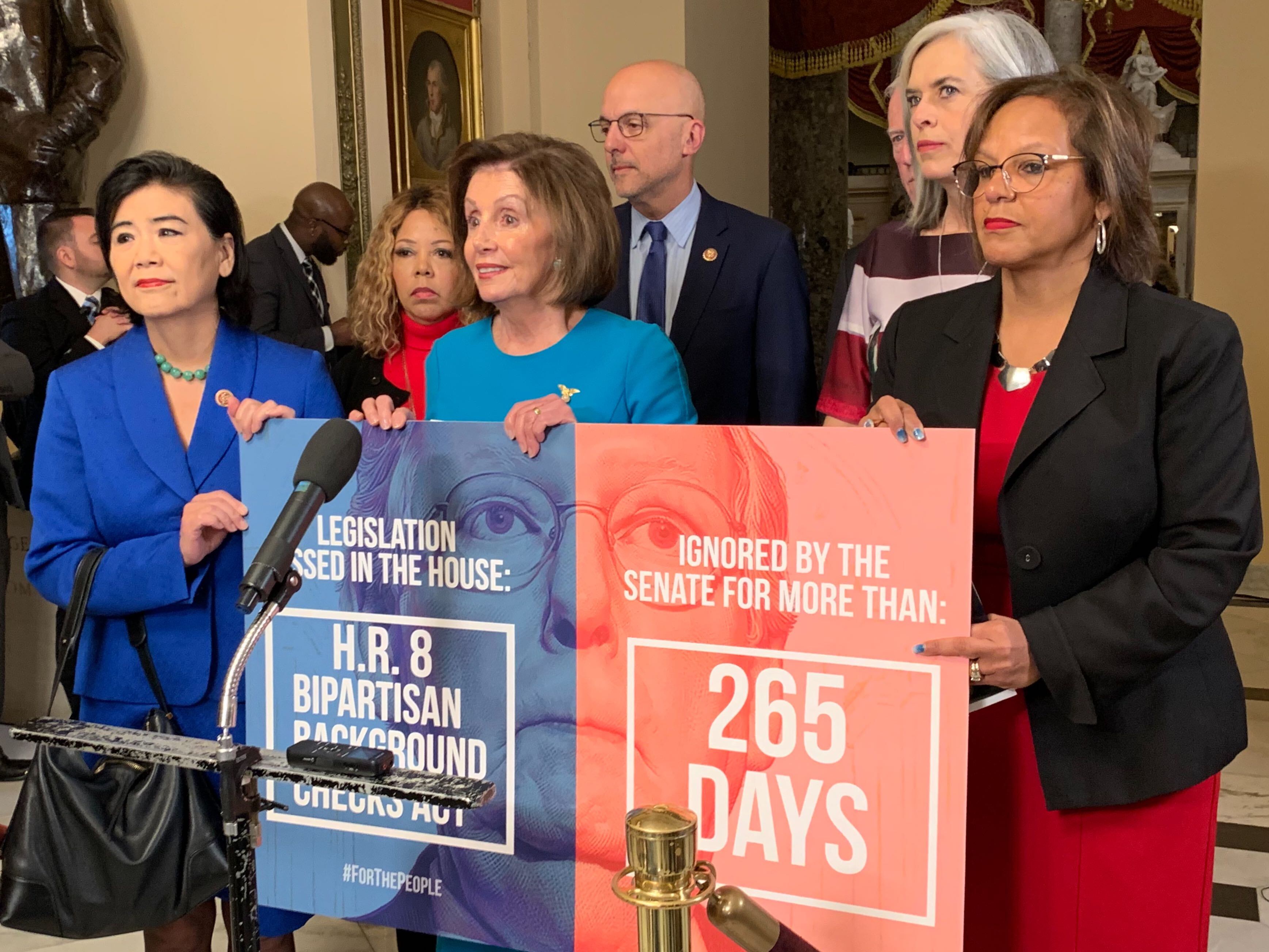
Speaker Nancy Pelosi and several Democratic lawmakers held an event as the impeachment inquiry raged on drawing attention back to background check legislation currently stalled in the Senate.
These are the headlines you Need 2 Know for Wednesday, November 20, 2019.
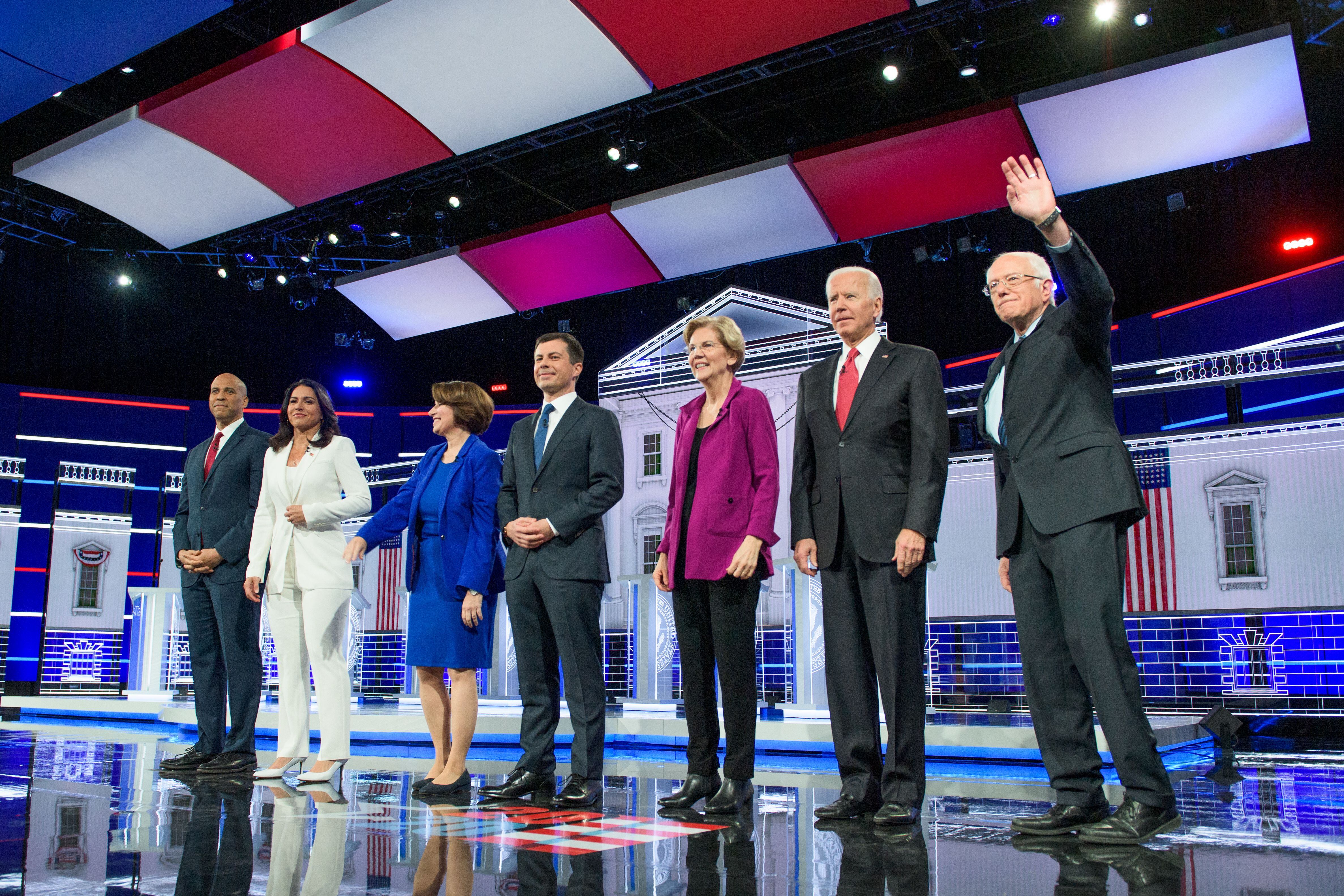
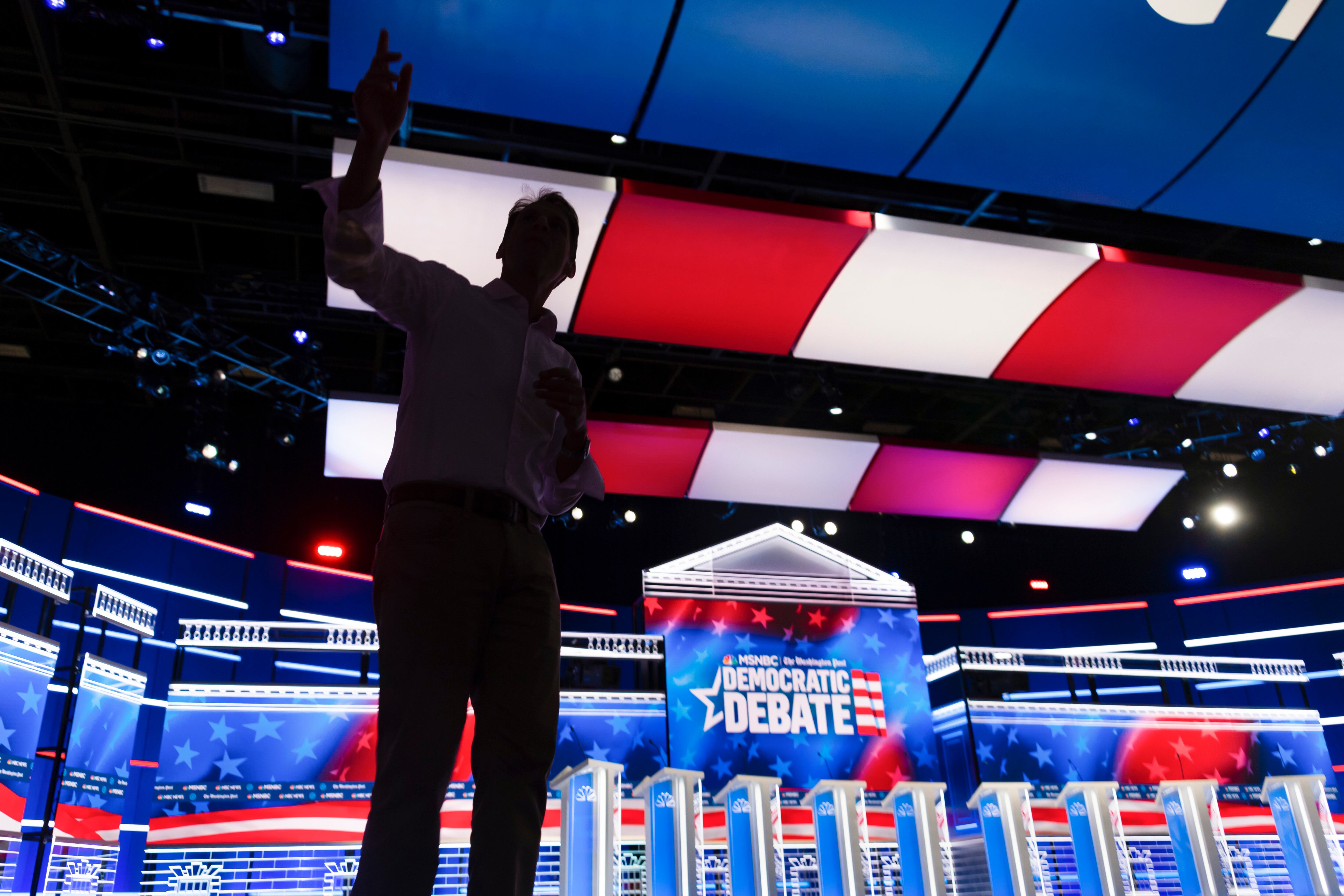
As 2020 presidential candidates prepare to take the stage at the fifth Democratic debate on Wednesday, the lower tier candidates continue their fight for a spot on the national stage.
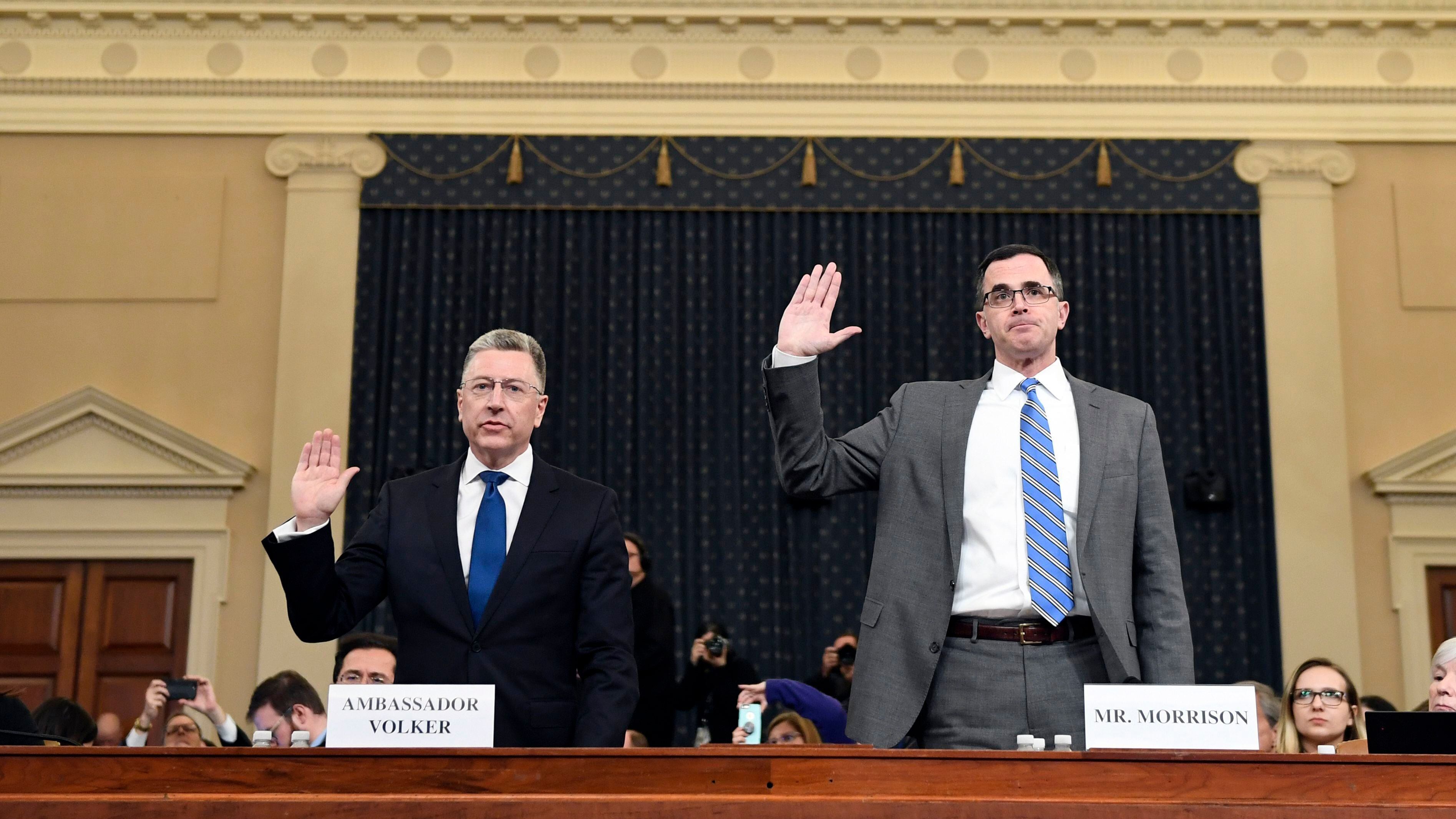
The third day of impeachment hearings finished up with testimony from Kurt Volker, the former special envoy to Ukraine who attempted to clarify inconsistent testimony, and Timothy Morrison, a former National Security Council official.
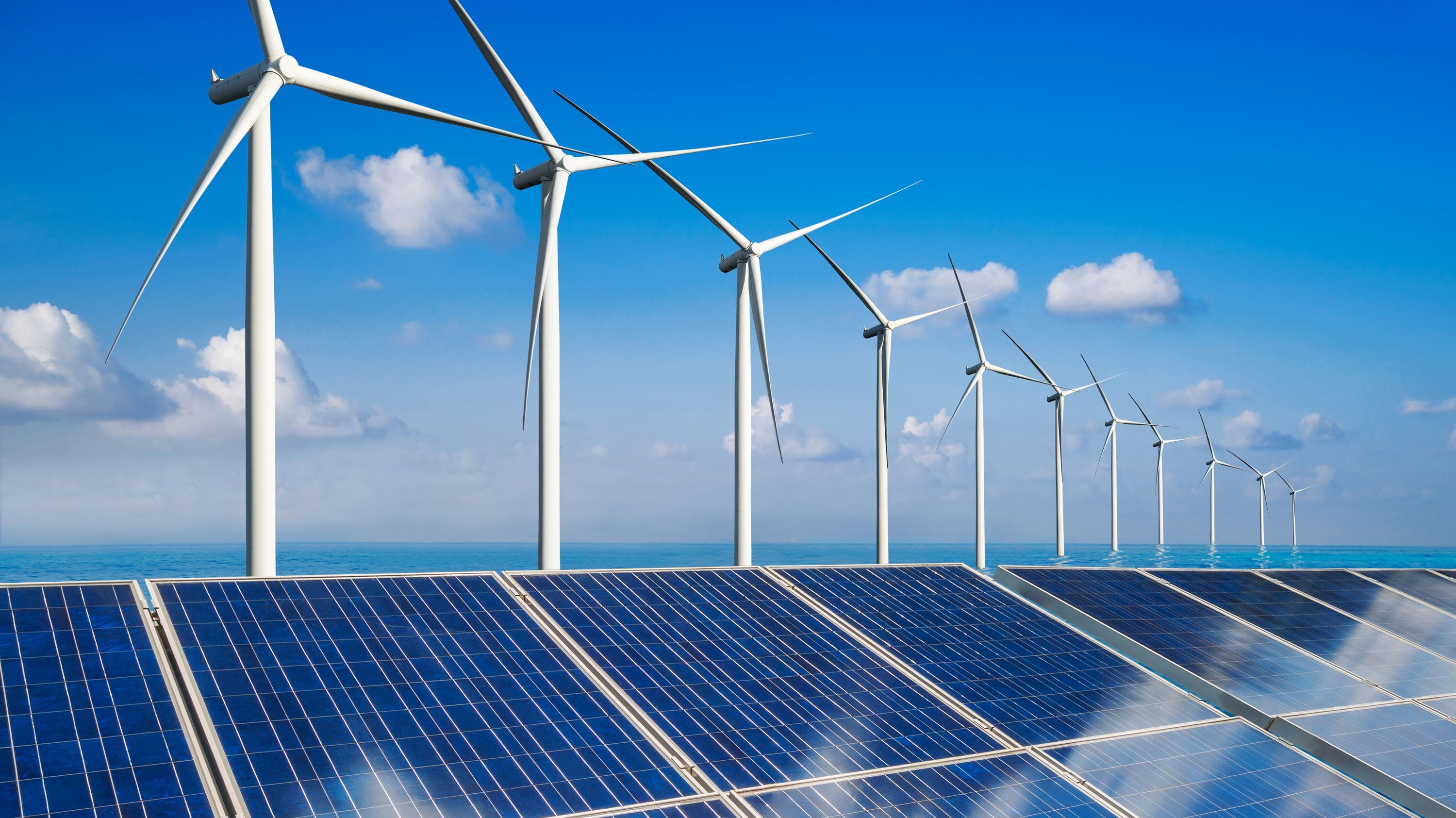
The Growing Renewable Energy and Efficiency Now (or GREEN) Act would add five years to the so-called investment tax credit (ITC) that provides an upfront subsidy to solar and offshore wind projects.
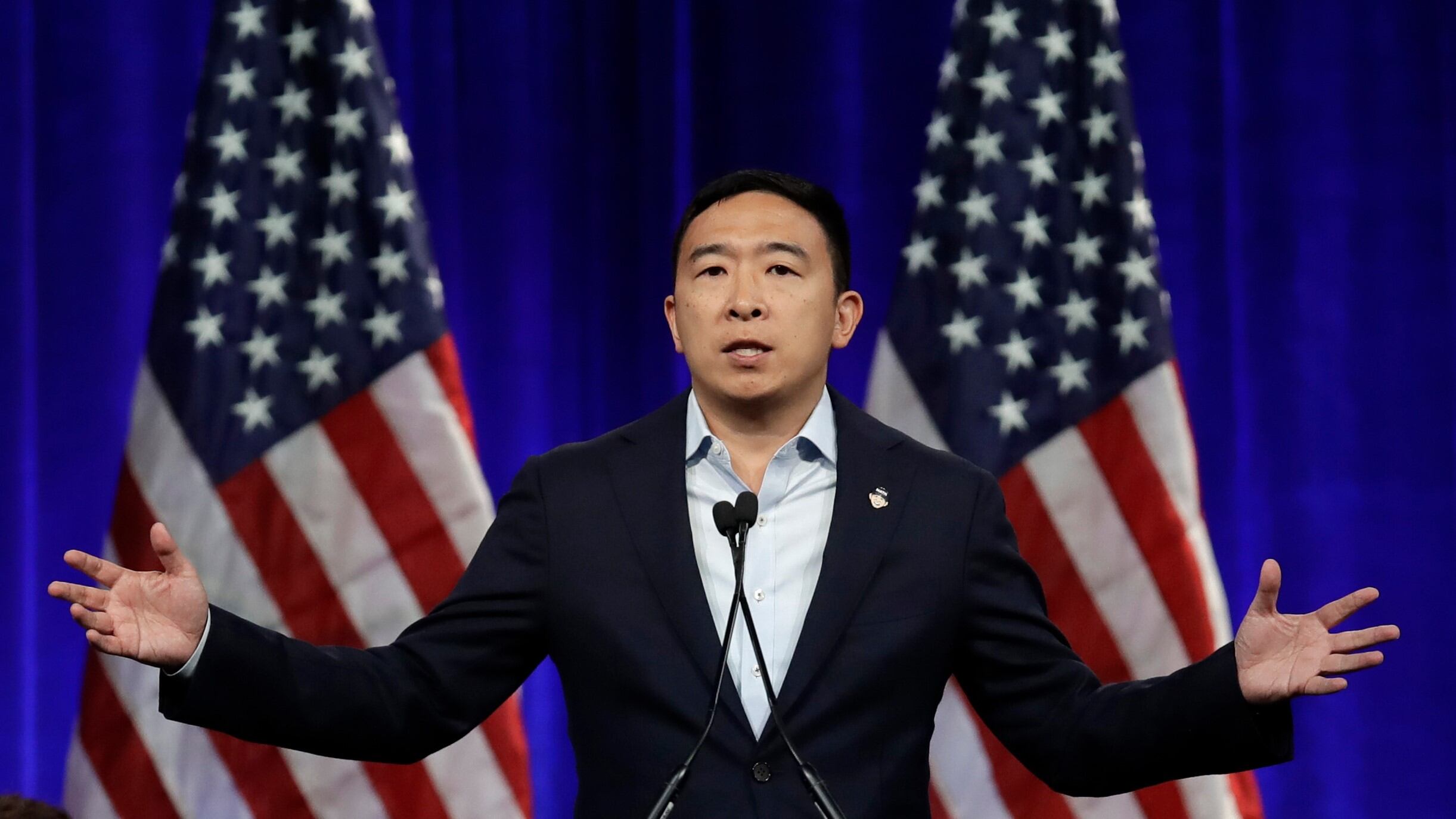
Andrew Yang wants the U.S. to create useful rules for cryptocurrency businesses and projects now, rather than playing catch-up after another jurisdiction has already done it. He recently layed out his vision for a national framework on cryptocurrencies.
The social media company is worried its Chinese roots could get in the way of growth opportunities and is now considering ideas like moving operations to Singapore and rebranding the app in the U.S., according to a report.