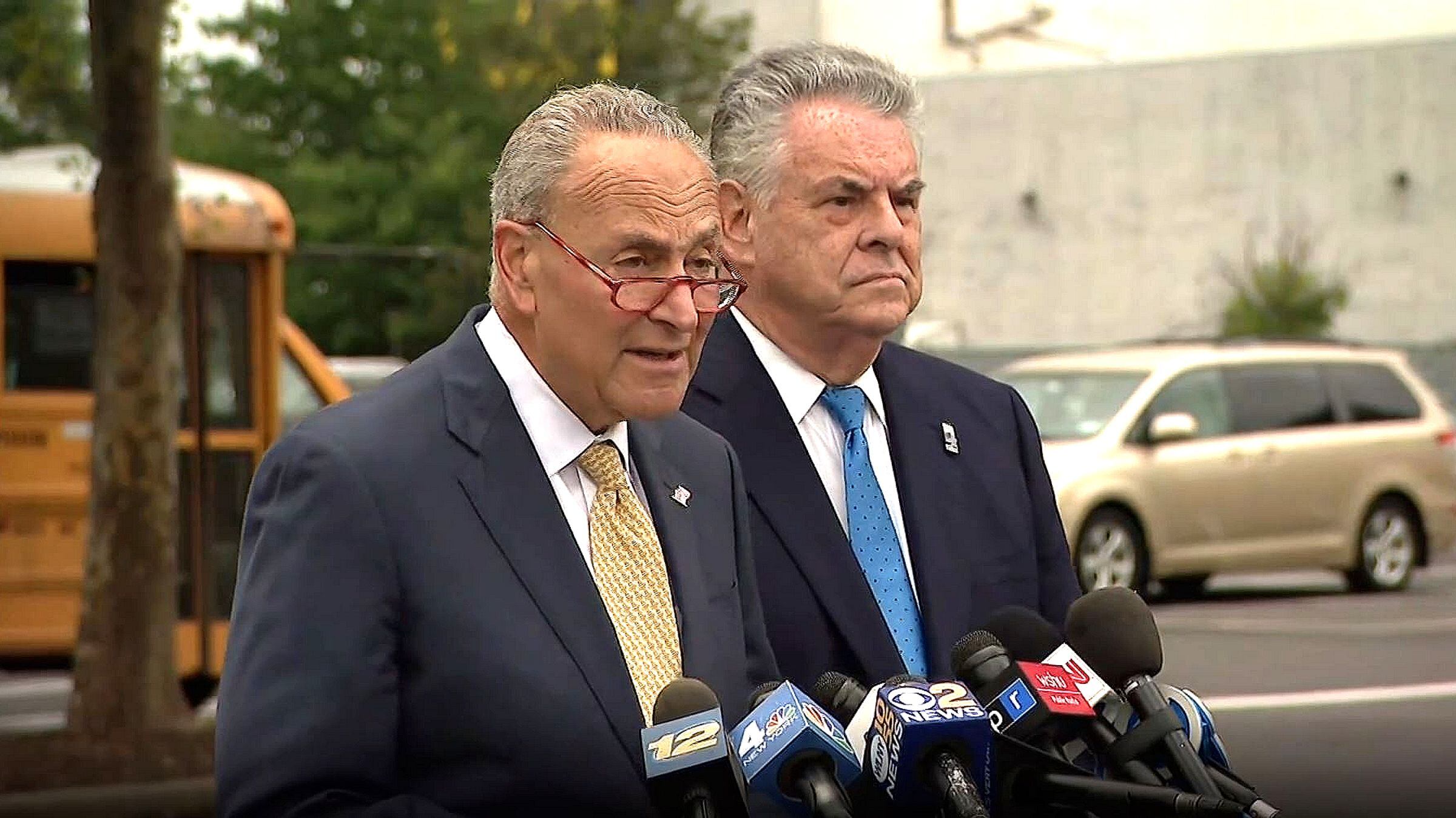
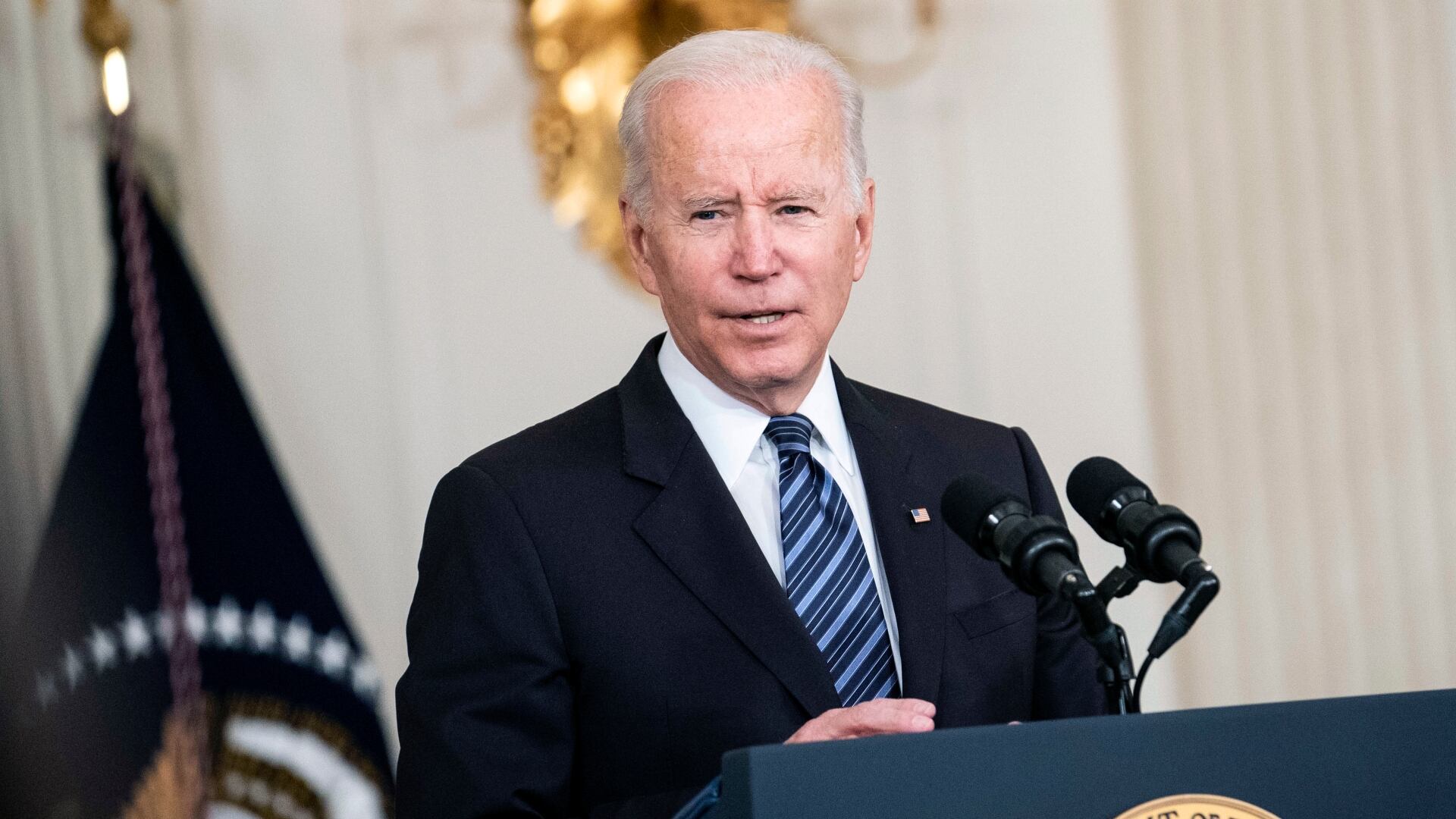
Sen. Chuck Schumer (D-N.Y.) and Rep. Peter King (R-N.Y.) made a bipartisan call Tuesday for the Senate to vote on background check legislation, just days after two back-to-back mass shootings killed at least 31 people.
The bill, H.R. 8, passed the House in February but was never brought to a vote in the Senate, which is controlled by GOP Majority Leader Sen. Mitch McConnell of Kentucky.
"We're saying to Leader McConnell: do the right thing," Minority Leader Schumer said at a press conference, alongside King, at a Walmart near New York City.
Over the weekend, two seperate mass shootings killed at least 22 people at a Walmart in El Paso, Texas and nine people in an entertainment district in Dayton, Ohio.
"If anything good can come from the horrible tragedies of this weekend, it would be if we can get this legislation passed," King said. "This should not in anyway be a partisan issue."
The plea for a vote came a day after President Trump's live address to the nation in which he called for "real, bipartisan solutions" to gun violence.
H.R. 8 — formally titled the Bipartisan Background Checks Act of 2019 — won passage with a vote of 240 to 190, including support from eight Republicans. The bill would establish universal background check requirements for firearm sales and transfers, and specifically make it harder for those with criminal records and mental illnesses from obtaining a gun.
"McConnell has had 200+ days to pass gun laws & save lives. On average 100 Americans are fatally shot every day as the Senate fails to act," the advocacy group Everytown for Gun Safety said on Twitter. The Brady Campaign to Prevent Gun Violence also urged the Senate "to be on the right side of history" and schedule a vote.
In a statement on Monday, McConnell said that "Senate Republicans are prepared to do our part" in response to Trump's call, adding that "partisan theatrics and campaign-trail rhetoric will only take us farther away from the progress all Americans deserve."
Schumer and King both said that they believe the bill, which King co-sponsored, would pass the Senate if it is brought up for a vote.
"It is essential that Leader McConnell brings this to a vote," King said. "He doesn't have to support it, he doesn't have to get behind it. Just let it come to a vote."
"It is a piece of paper," Schumer said as he held up the bill on Tuesday. "But it is a piece of paper that can save lives."
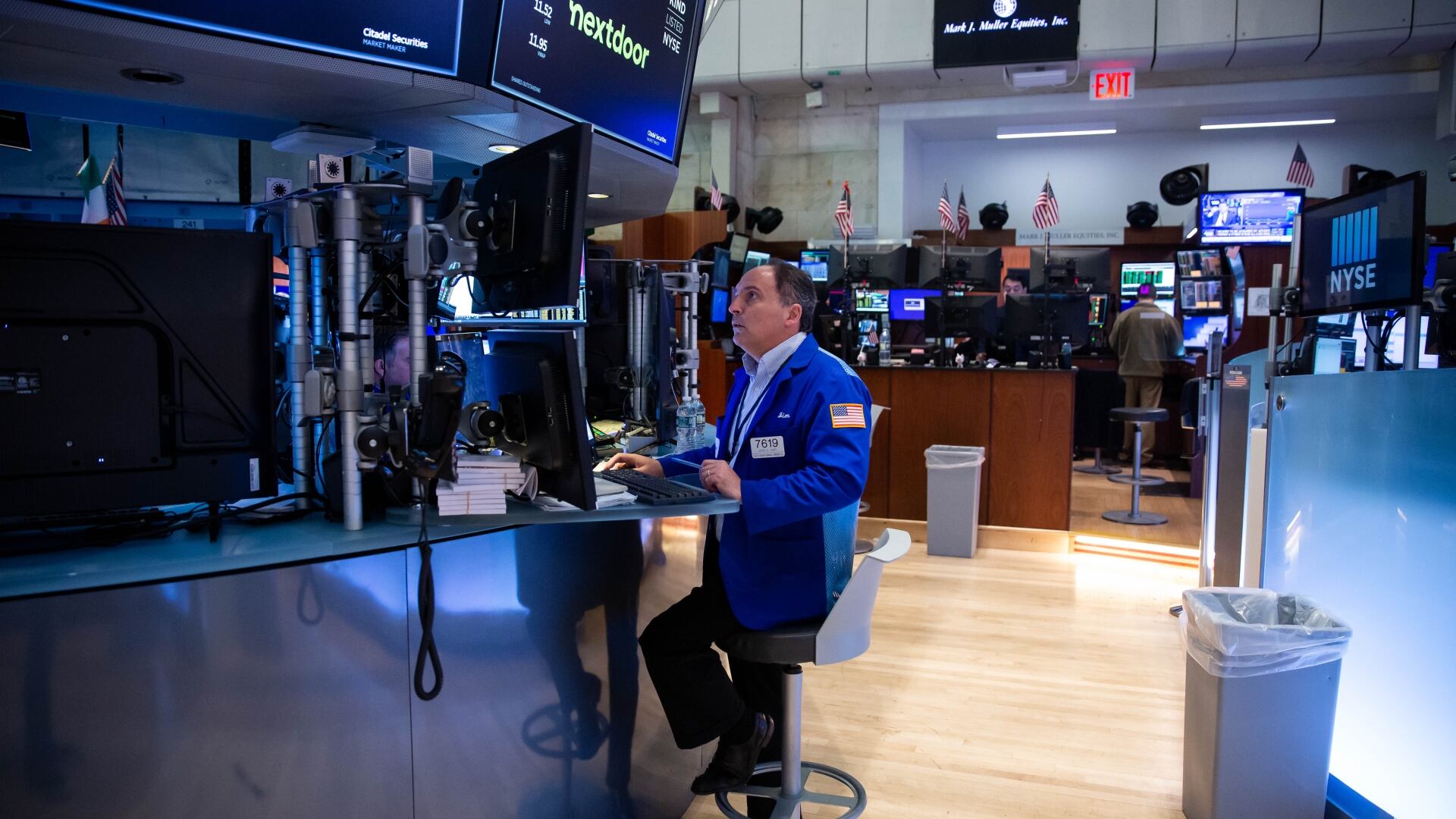
Markets opened higher to kick off the week as investors continue to digest the better-than-expected jobs report, which showed 531,000 new jobs created in October. Ken Johnson, CFA, Investment Strategy Analyst joined Cheddar's Opening Bell to break down his early market insights.
Almost 2 years into the pandemic, supply chain woes continue to wreak havoc on our everyday lives.
From groceries to chip shortages, both consumers and retailers are feeling the strain with prices only climbing as a result. Data intelligence company Morning Consult is out with its U.S. Economic Outlook for November revealing just how much of a threat these hold-ups could pose to the greater economic recovery. John Leer, Chief Economist at Morning Consult joined Cheddar's Opening Bell.
After many years and at least two presidents hoping to overhaul America's infrastructure, congress finally came to an agreement. The House passed the bipartisan infrastructure bill late Friday, receiving thirteen republican votes but failing to earn votes from the six progressive squad members. Joseph Zeballos-Roig, Economics Reporter at Insider joined Cheddar's Opening Bell to discuss the economic impact of the bill.
Jill and Carlo discuss the scenes of joy at American airports as borders reopen, another tool in the Covid toolbox, the latest in the Astroworld crowd crush tragedy and more.
Frank Lee, Managing Director at Miracle Mile Advisors, joins Cheddar News' Closing Bell, where he explains why markets are soaring after the Dow, S&P, Nasdaq, and the Russell 2000 all reached new record closes to begin the trading week.
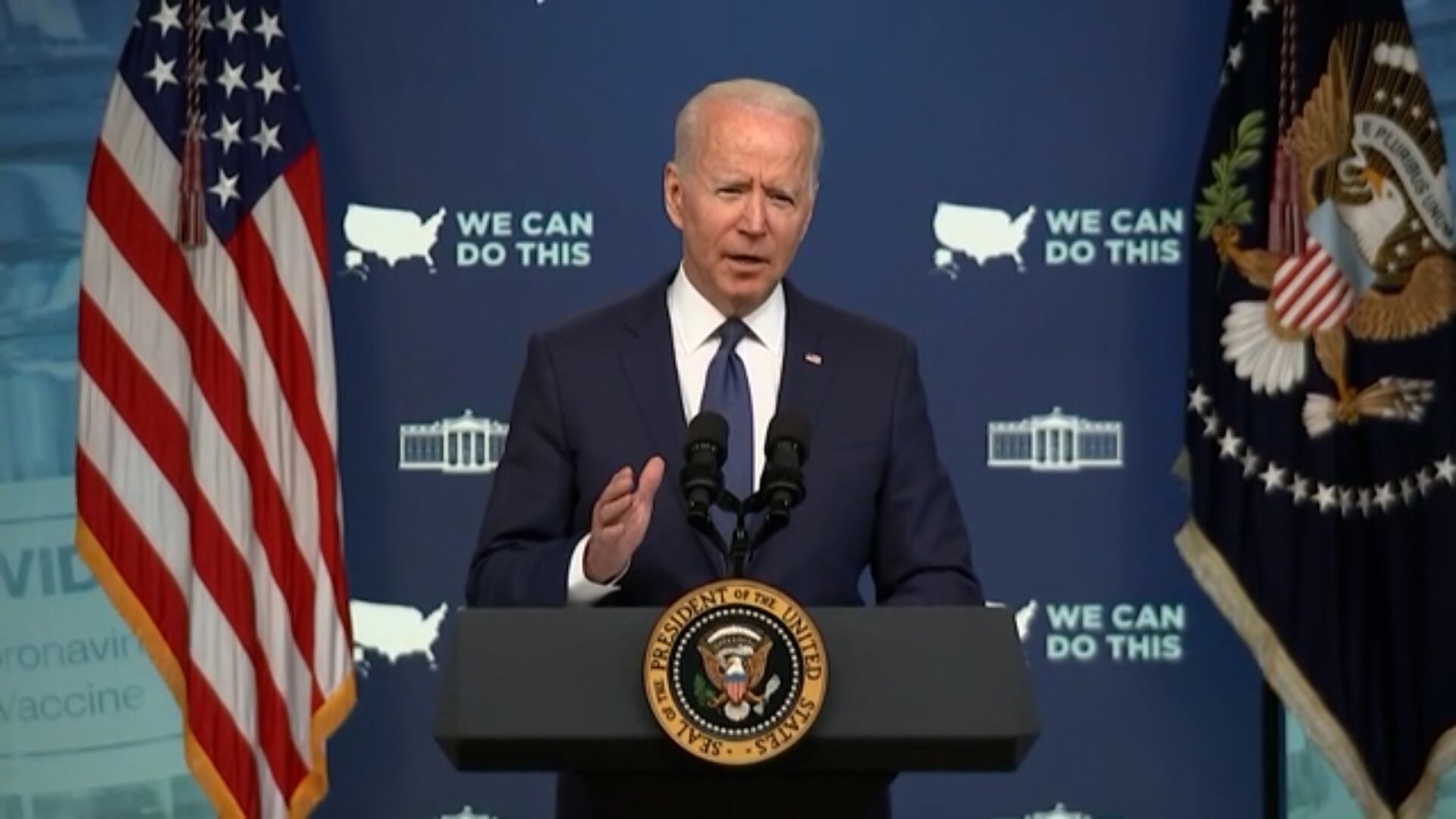
The Biden Administration's mandate for COVID vaccinations by large employers has been put on hold by federal courts as GOP-led states and some businesses push back on the order's legality. Jonathan Adler, a law professor at Case Western Reserve University, joined Cheddar to discuss the legal challenges to implementing such mandates through OSHA (Occupational Safety and Health Administration). "Certainly expanding vaccinations is a good thing, and as vaccination rates go up that's better for all of us," Adler said. "But there are some legal questions about whether or not it's appropriate to use a law about occupational safety and health as the means to do that."
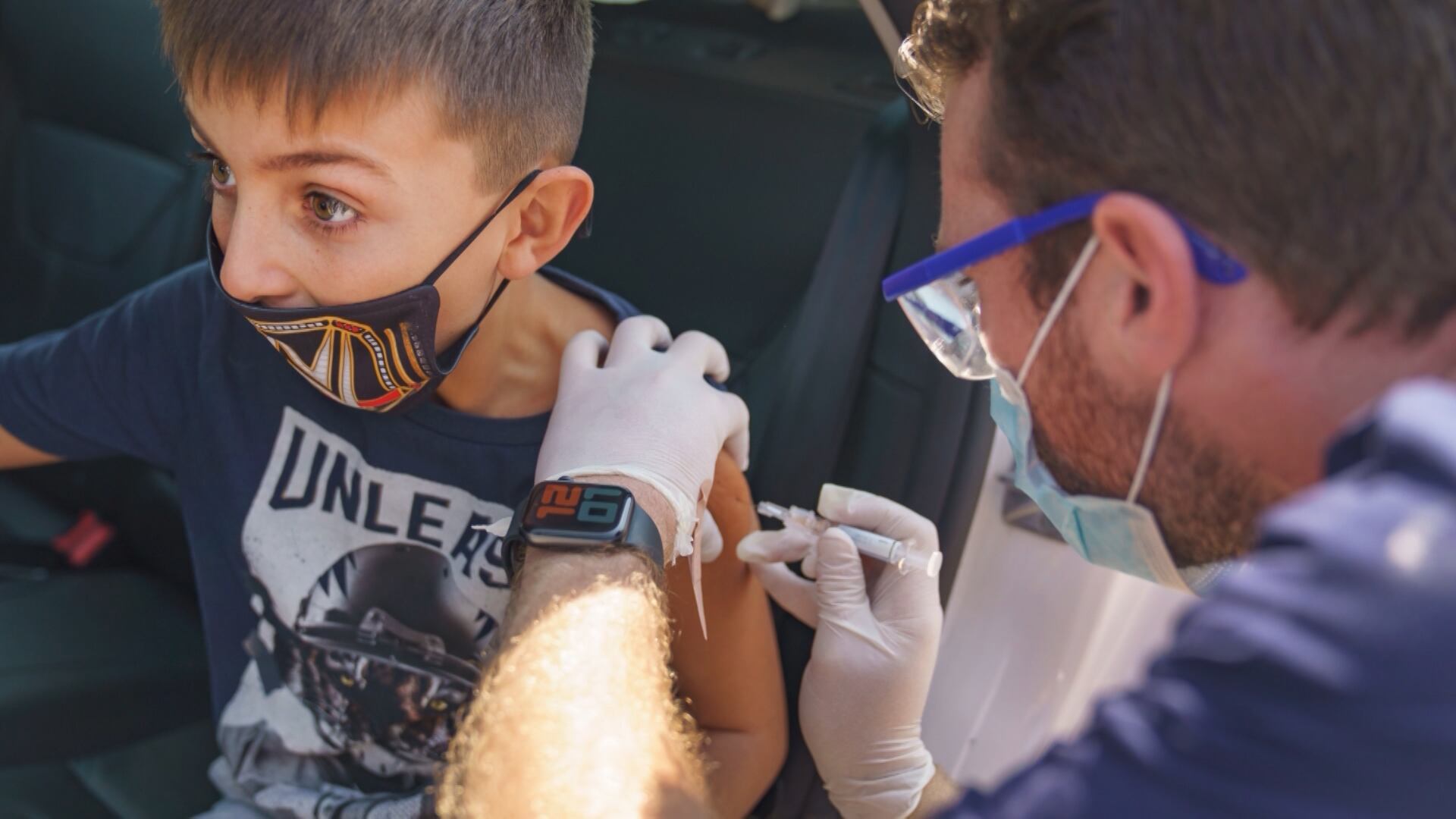
The Biden administration is giving businesses a deadline to implement a vaccination mandate, saying companies can take until after the holiday season. Andew Noymer, Associate Professor of Population Health and Disease Prevention at the University of California, Irvine, joined Cheddar to discuss.
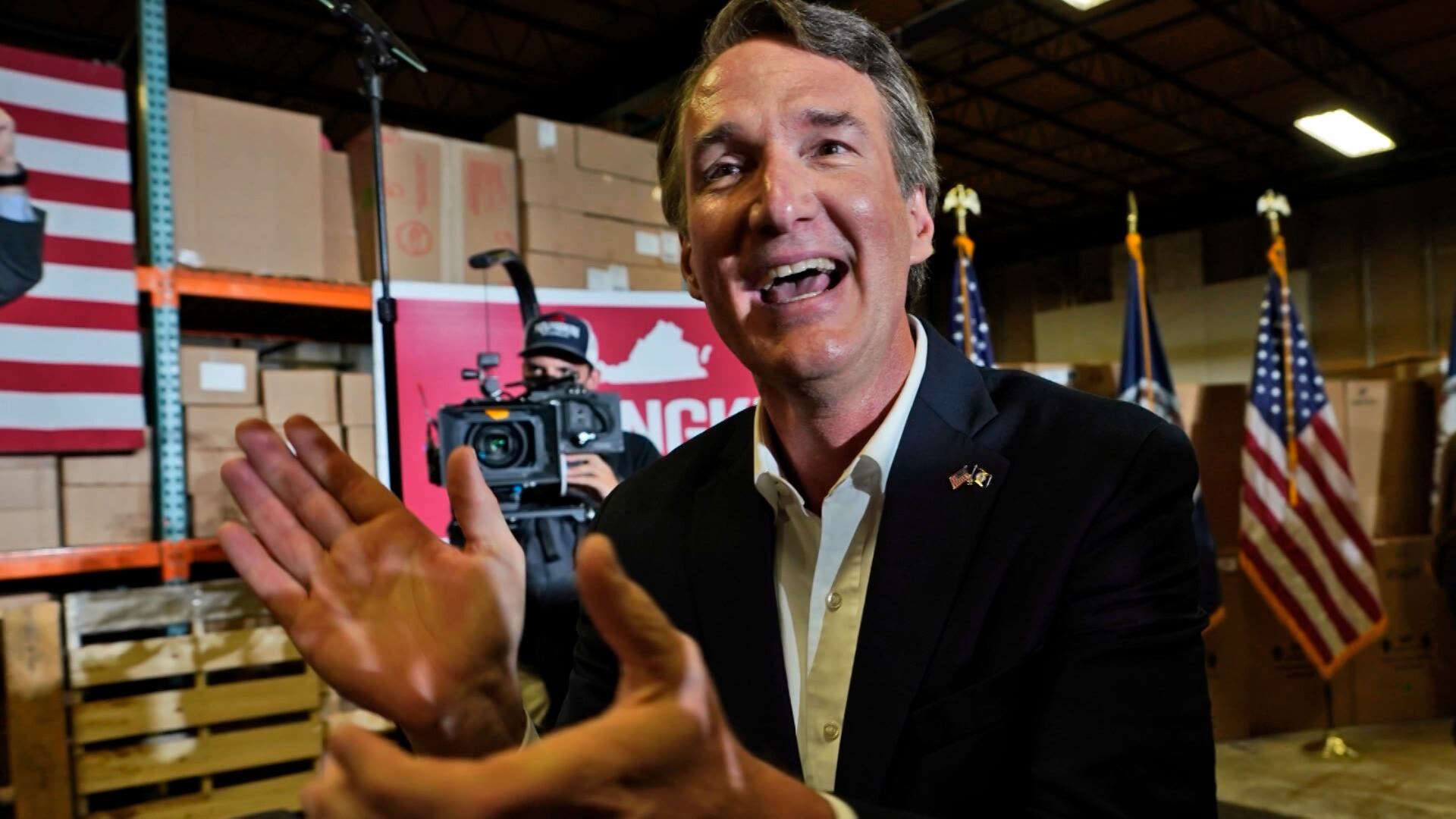
Jacob Rubashkin, reporter and analyst at Inside Elections, joined Cheddar to discuss Republicans' wins on election night and what they mean for Democrats going forward.
James Astill, Washington Bureau Chief at The Economist, joins Cheddar News to discuss the latest issue, 'ONE YEAR ON: The calamity facing Joe Biden and the Democrats.'