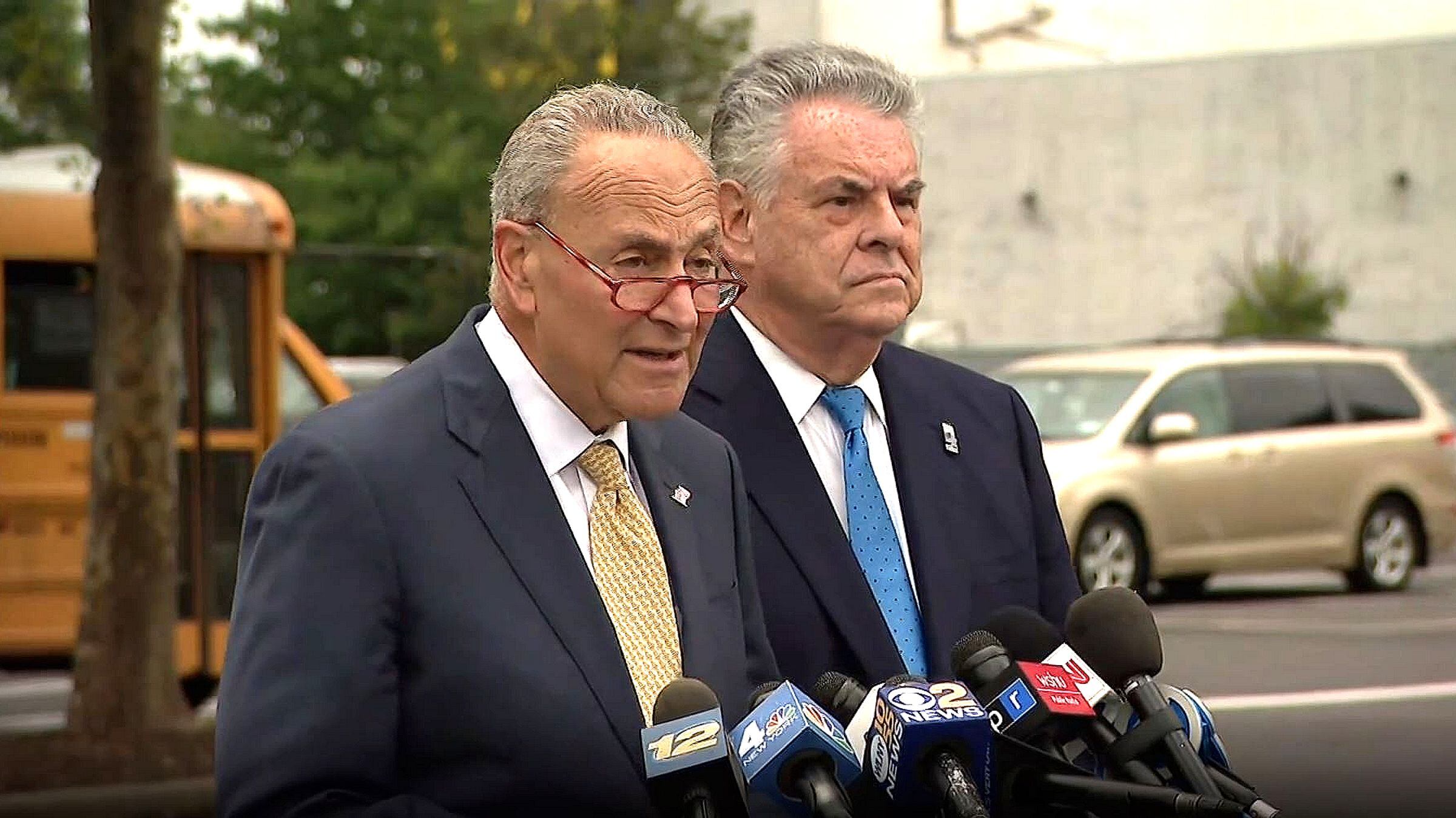
Sen. Chuck Schumer (D-N.Y.) and Rep. Peter King (R-N.Y.) made a bipartisan call Tuesday for the Senate to vote on background check legislation, just days after two back-to-back mass shootings killed at least 31 people.
The bill, H.R. 8, passed the House in February but was never brought to a vote in the Senate, which is controlled by GOP Majority Leader Sen. Mitch McConnell of Kentucky.
"We're saying to Leader McConnell: do the right thing," Minority Leader Schumer said at a press conference, alongside King, at a Walmart near New York City.
Over the weekend, two seperate mass shootings killed at least 22 people at a Walmart in El Paso, Texas and nine people in an entertainment district in Dayton, Ohio.
"If anything good can come from the horrible tragedies of this weekend, it would be if we can get this legislation passed," King said. "This should not in anyway be a partisan issue."
The plea for a vote came a day after President Trump's live address to the nation in which he called for "real, bipartisan solutions" to gun violence.
H.R. 8 — formally titled the Bipartisan Background Checks Act of 2019 — won passage with a vote of 240 to 190, including support from eight Republicans. The bill would establish universal background check requirements for firearm sales and transfers, and specifically make it harder for those with criminal records and mental illnesses from obtaining a gun.
"McConnell has had 200+ days to pass gun laws & save lives. On average 100 Americans are fatally shot every day as the Senate fails to act," the advocacy group Everytown for Gun Safety said on Twitter. The Brady Campaign to Prevent Gun Violence also urged the Senate "to be on the right side of history" and schedule a vote.
In a statement on Monday, McConnell said that "Senate Republicans are prepared to do our part" in response to Trump's call, adding that "partisan theatrics and campaign-trail rhetoric will only take us farther away from the progress all Americans deserve."
Schumer and King both said that they believe the bill, which King co-sponsored, would pass the Senate if it is brought up for a vote.
"It is essential that Leader McConnell brings this to a vote," King said. "He doesn't have to support it, he doesn't have to get behind it. Just let it come to a vote."
"It is a piece of paper," Schumer said as he held up the bill on Tuesday. "But it is a piece of paper that can save lives."
While the World Health Organization strongly advises against a COVID-19 vaccine mandate, national and local governments are moving to make inoculations compulsory. Cheddar News speaks with Dr. Joel Zinberg of the Competitive Enterprise Institute on the issue.
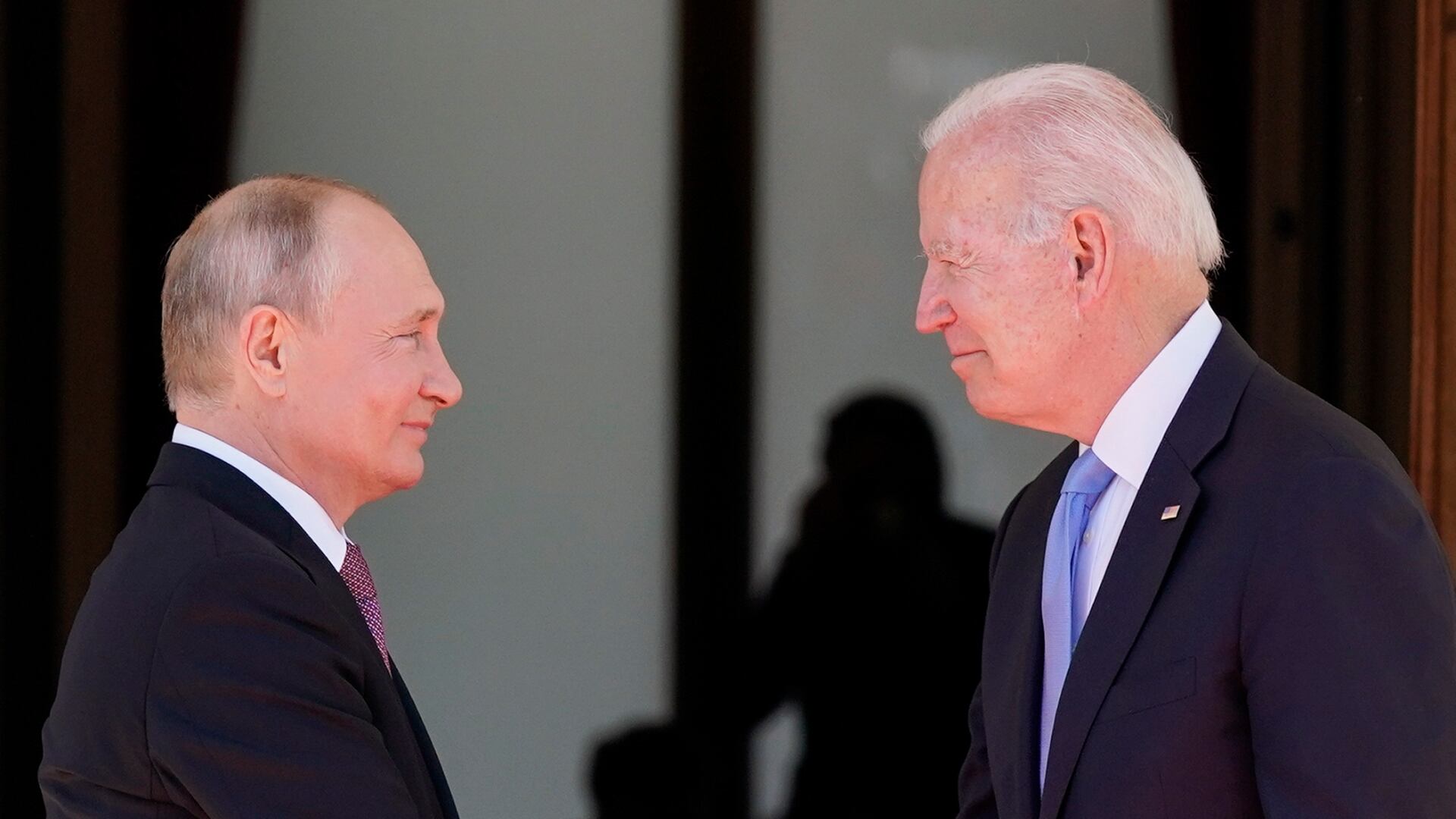
Face to face for just over two hours, President Joe Biden and Russia’s Vladimir Putin squared off in a secure video call Tuesday as the U.S. president put Moscow on notice that an invasion of Ukraine would bring enormous harm to the Russian economy.
Ahead of Instagram head Adam Mosseri's congressional hearing on the mental impact of the social platform on teens, the company announced a number of updates aimed at teen safety.
Troubled Chinese real estate giant Evergrande is once again nearing the brink of collapse. Shares of Evergrande sunk to a new record low on Monday, closing down 20 percent, as debt default fears resurfaced. Drew Bernstein, co-chairman at consultancy MarcumBP, joined Cheddar's Opening Bell to discuss. He said U.S. investors have to understand that "there is no company in China that's too big to fail, that's for sure," and that the Chinese government will be prioritizing the social welfare of the populace. Bernstein did note that it would be a managed collapse in some form.
Joan Greve, a politics reporter at The Guardian US, joined Wake Up With Cheddar to break down the implications of the Biden administration announcing a diplomatic boycott of the 2022 Beijing games in response to allegations of human rights abuses against Uyghur Muslims. She noted the significance of the move, assessing the already frayed relationship between the U.S. and China. "The Chinese have said that a boycott would be politically manipulative, and now they are actually threatening countermeasures," she said. "And that will certainly have an impact on the spirit of the games at the very least."
The Biden administration has reached an agreement with the Mexican government to resume the "Remain-in-Mexico" policy under court order. By reinstating a Trump-era border policy, asylum-seekers will be forced to stay in Mexico until their U.S. immigration court date. The program is set to resume on Monday. Ryan Devereaux, a reporter for The Intercept, joins Cheddar News to discuss.
The U.S. announced it will not send any official representation to the upcoming Beijing winter Olympics. Cheddar's Hena Doba speaks with East Asia expert Michael Swaine about the reasons behind the diplomatic move.
COVID-19 is still battering the nation's criminal justice system, causing a massive backlog in cases and delaying verdicts for months on end. This, combined with the fear of crowded prisons during a pandemic, has prompted many defendants to plead guilty in exchange for time served or probation. Tina Luongo, attorney-in-charge of the Criminal Defense Practice, joined Cheddar to discuss the court backlog, the rise in plea bargains, and why this was an issue long before the pandemic.