*By Christian Smith*
In 1991, Rep. Nita Lowey (D-NY) was among the seven female Democratic congresswomen who convinced Senate Democrats to allow Anita Hill to testify about her sexual assault allegations against then-Supreme Court nominee Clarence Thomas.
And now, given Prof. Christine Blasey Ford's searing testimony on Thursday, Lowey thinks Brett Kavanaugh should not be confirmed to the Supreme Court.
"You have to look at the whole person, and from what I hear from Dr. Ford, I would not want to see Judge Kavanaugh on the highest court of the land," she said.
To Lowey, the Court is sacred ー and its justices should follow suit in their personal conduct, not just in their careers.
"We know that an appointment to the highest court in the land, the Supreme Court of the United States of America, is more than intelligence and an Ivy League school. His credibility, and his character, has to be evaluated," she said.
In a hearing before the Senate Judiciary Committee Thursday, Ford answered questions for over three hours about her claims that Kavanaugh sexually assaulted her when the two were in high school ー accusations that Lowey said seem credible.
"She seemed, certainly to me, to present an honest, honest perspective," Lowey said.
Her convictions about Ford aside, Lowey noted that the accusations against Kavanaugh should still be investigated thoroughly by the proper authorities.
"We should take our time, and he should be subject to an FBI investigation," Rep. Lowey said. She acknowledged, though, that Kavanaugh should still get a confirmation vote.
For full interview [click here](https://cheddar.com/videos/congresswoman-nita-lowey-d-ny-calls-on-senate-to-allow-fbi-investigation-of-kavanaugh-accusers-claims).
President Trump has already spurned key allies at the annual summit, accusing Germany of being a "captive of Russia." Cheddar's J.D. Durkin, who is on the ground in Brussels, gets into the latest.
The U.S. tariffs would only end up hurting the consumer and the automakers employees across its plants and distribution centers in America, says Zack Hicks, CEO and president of the Toyota Connected unit in North America.
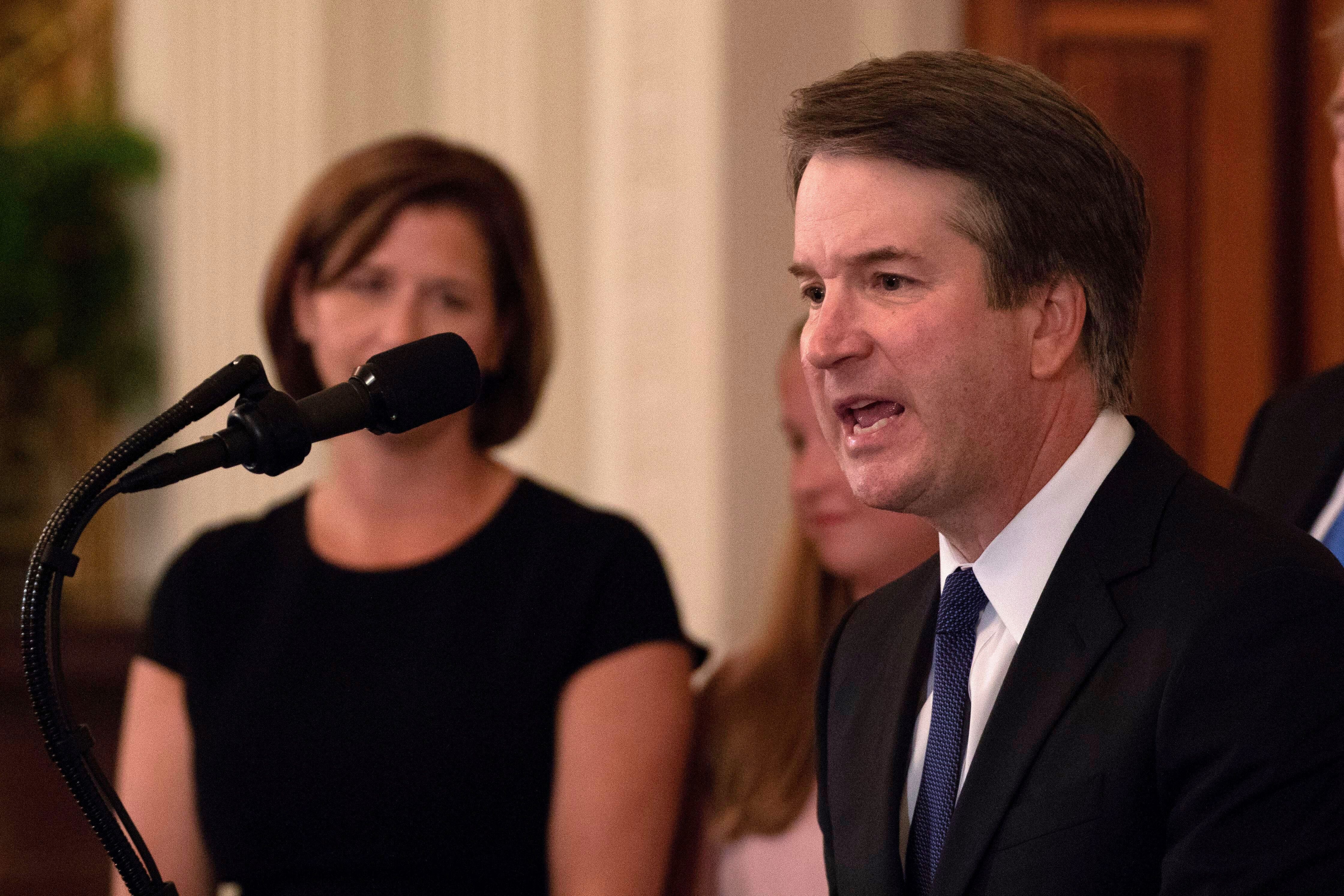
President Donald Trump nominated the DC appellate court judge to replace Supreme Court Justice Anthony Kennedy, who's retiring at the end of the month.
A study finds male political reporters in Washington, D.C., retweet other men more than women. “Men and women are operating in gender echo chambers in Washington on Twitter,” says Nikki Usher, the lead author of the study.
Members of the military alliance are prepared to be spurned by the president and worry he may start to unravel the organization. But the Trump administration has, in fact, increased its spending on NATO, suggesting that worries surrounding the event might not turn transpire, says Dan Michaels, the Wall Street Journal Brussels bureau chief.
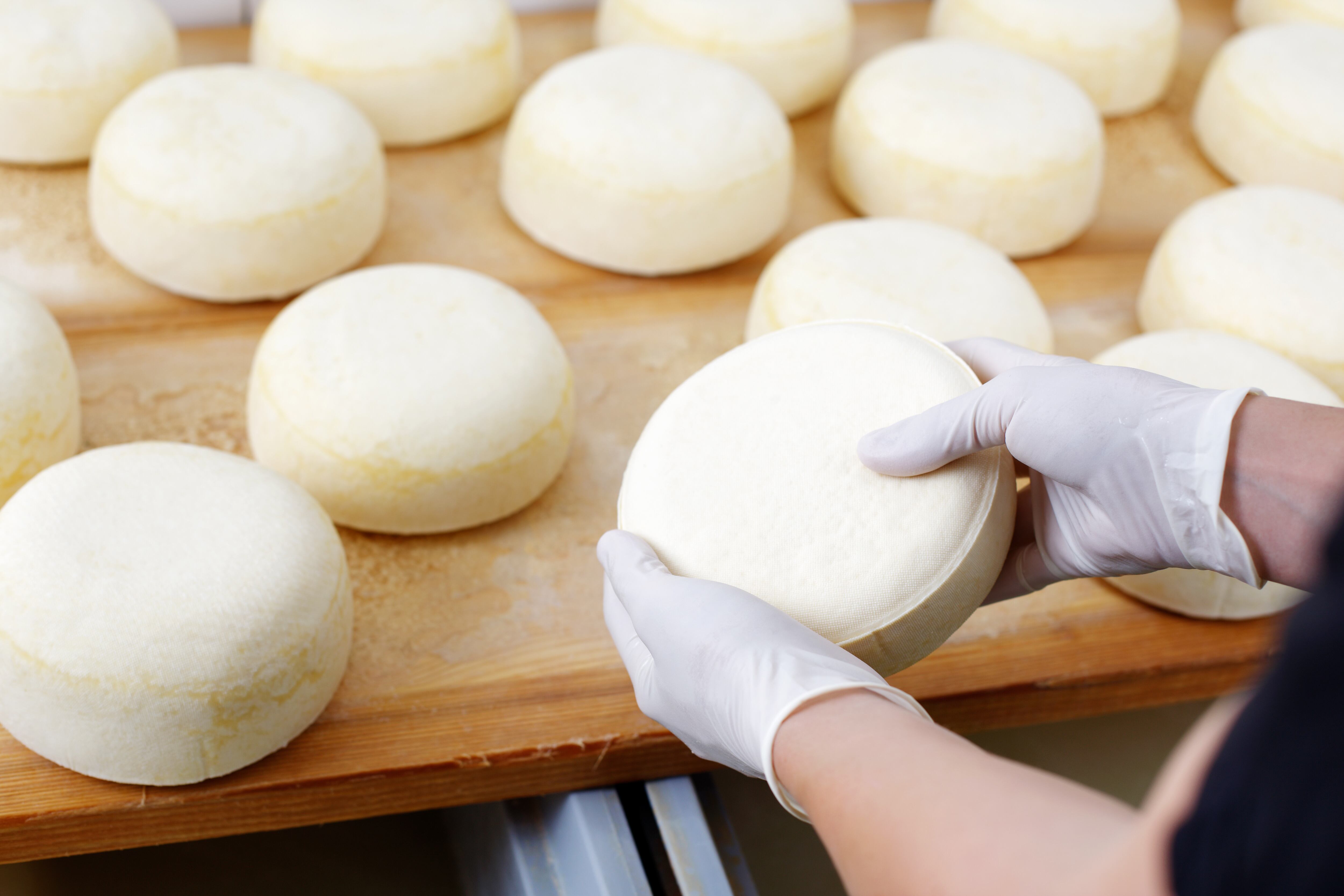
American cheese producers that rely heavily on exports are already feeling the impact of tariffs on their products, forcing them to reconsider their strategy completely, says Heather Hadden, a reporter for the Wall Street Journal.
Although the recent job report showed the U.S. economy added 213,000 jobs in June, the trade war is predicted to have a significant impact on the economy. "Unless we get either isolated resolutions of these disputes or global resolutions ... we don't see any momentum in that space," Mark Hamrick, senior economic analyst at Bankrate.com, tells Cheddar.
President Trump is expected to submit his Supreme Court nominee to replace Justice Anthony Kennedy on Monday.
The three favorites are almost "identical" in policy stances, says Rick Hasen, professor of law and political science at UC-Irvine.
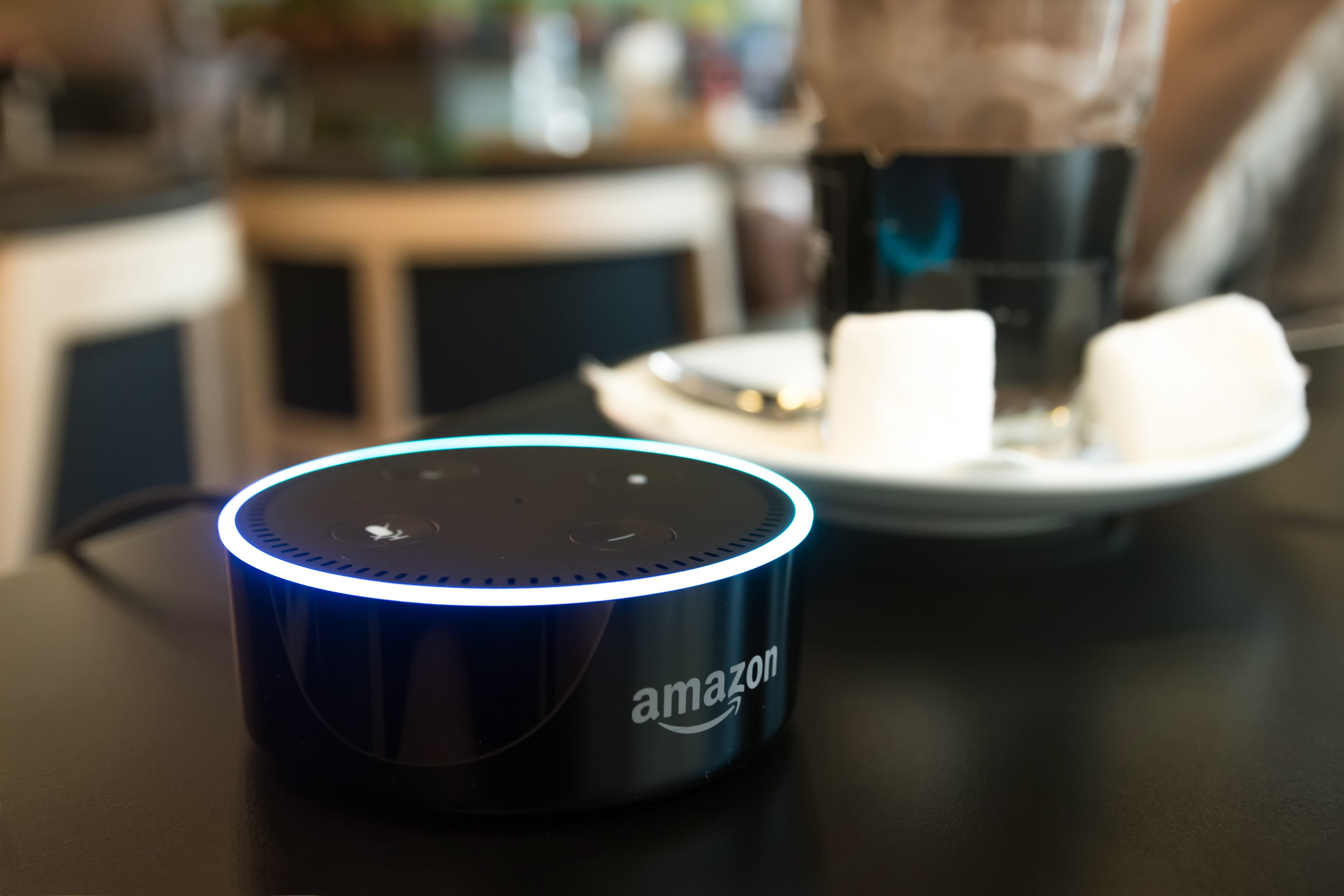
The U.S. tariffs on Chinese products that kicked in on Friday are specifically targeted at high-tech goods, an attempt to crack down on alleged intellectual property theft. But they could end up raising the cost of products like e-cigarettes, e-bikes, and smart home devices that are overwhelmingly used by millennials, says Axios reporter Erica Pandey.
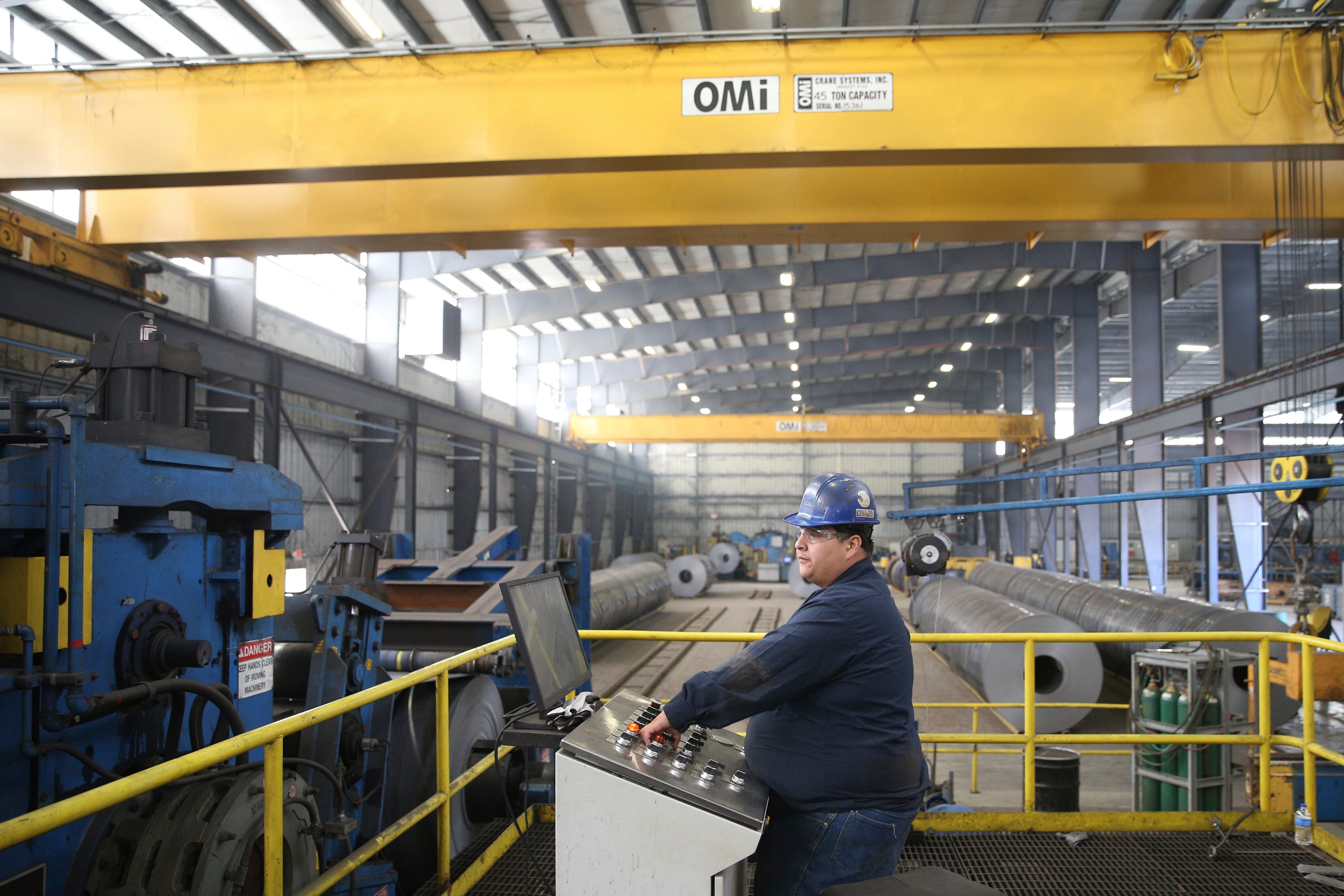
U.S. tariffs on $34 billion worth of Chinese goods kicked in early Friday, prompting China to respond in kind and escalating tensions between the two countries into what Beijing describes as "the biggest trade war in economic history."