*By Christian Smith*
In 1991, Rep. Nita Lowey (D-NY) was among the seven female Democratic congresswomen who convinced Senate Democrats to allow Anita Hill to testify about her sexual assault allegations against then-Supreme Court nominee Clarence Thomas.
And now, given Prof. Christine Blasey Ford's searing testimony on Thursday, Lowey thinks Brett Kavanaugh should not be confirmed to the Supreme Court.
"You have to look at the whole person, and from what I hear from Dr. Ford, I would not want to see Judge Kavanaugh on the highest court of the land," she said.
To Lowey, the Court is sacred ー and its justices should follow suit in their personal conduct, not just in their careers.
"We know that an appointment to the highest court in the land, the Supreme Court of the United States of America, is more than intelligence and an Ivy League school. His credibility, and his character, has to be evaluated," she said.
In a hearing before the Senate Judiciary Committee Thursday, Ford answered questions for over three hours about her claims that Kavanaugh sexually assaulted her when the two were in high school ー accusations that Lowey said seem credible.
"She seemed, certainly to me, to present an honest, honest perspective," Lowey said.
Her convictions about Ford aside, Lowey noted that the accusations against Kavanaugh should still be investigated thoroughly by the proper authorities.
"We should take our time, and he should be subject to an FBI investigation," Rep. Lowey said. She acknowledged, though, that Kavanaugh should still get a confirmation vote.
For full interview [click here](https://cheddar.com/videos/congresswoman-nita-lowey-d-ny-calls-on-senate-to-allow-fbi-investigation-of-kavanaugh-accusers-claims).
The U.S. Senate Committee on Banking, Housing and Urban Affairs introduced legislation Tuesday requiring banks to maintain “digital dollar wallets” for coronavirus stimulus payments to consumers.
New York Governor Andrew Cuomo Wednesday afternoon said the greatest strain on the state’s health care system from the coronavirus could come in approximately 21 days, while also providing early indications about steps the state might eventually take to restart the economy.
One of the most influential industries on Capitol Hill was left out of the package that advanced early Wednesday, an apparent setback for a sector that had expected to easily secure $3 billion to fund the purchase of oil to fill the Strategic Petroleum Reserve (SPR).
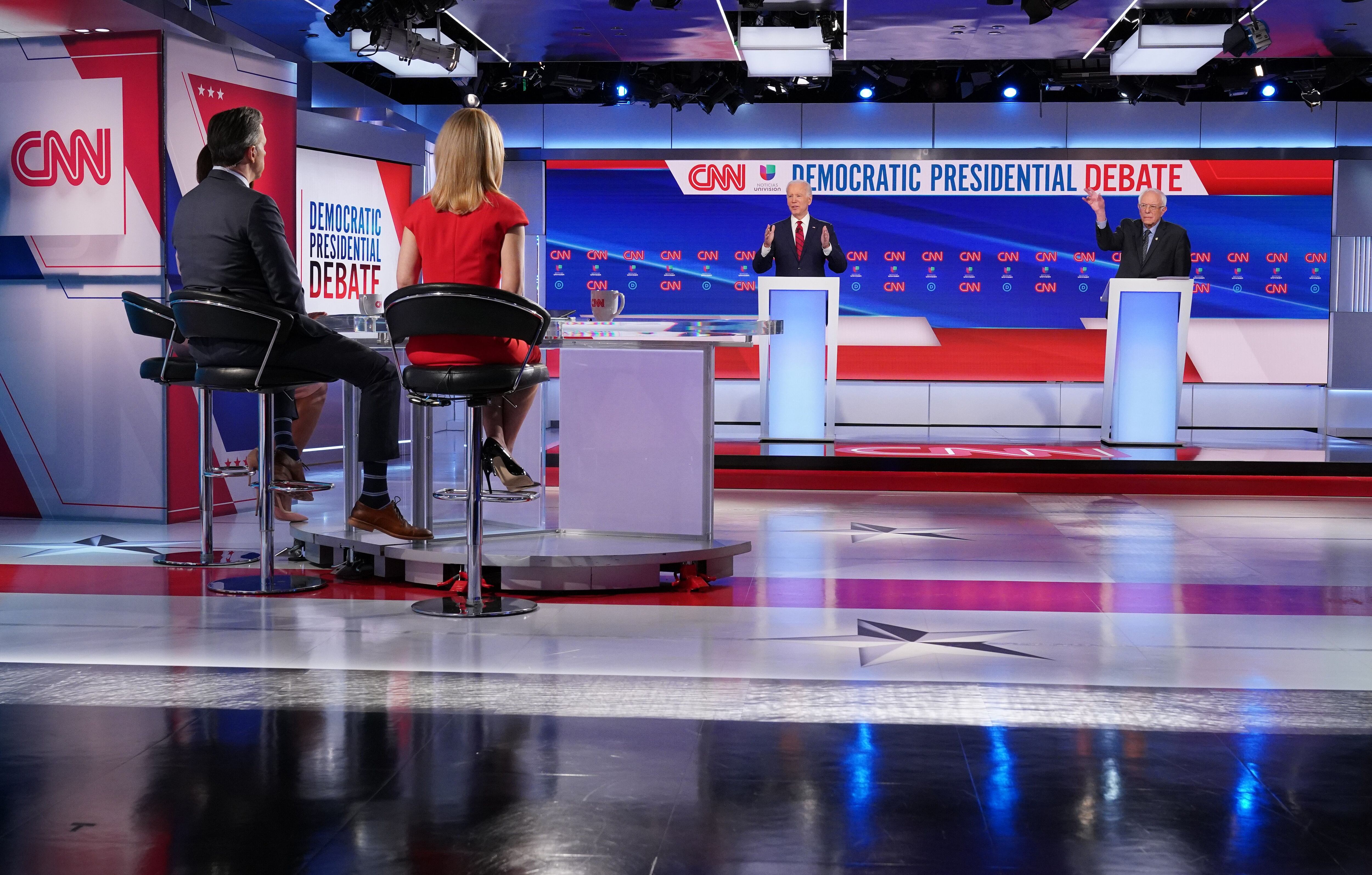
There's no 12th Democratic presidential debate on the horizon now that the nominating process is in a holding pattern due to the coronavirus pandemic.
The Senate will reconvene later Wednesday to vote on the package. But that does not mean the bill is guaranteed to land on President Donald Trump’s desk. The House of Representatives has to pass it, and that may not be an easy feat.
The White House and Senate leaders of both major political parties announced agreement early Wednesday on an unprecedented $2 trillion emergency bill to rush sweeping aid to businesses, workers and a health care system slammed by the coronavirus pandemic.
Stocks are moving tentatively higher in early trading on Wall Street Wednesday after Congress and the White House reached a deal to inject nearly $2 trillion of aid into an economy ravaged by the coronavirus.
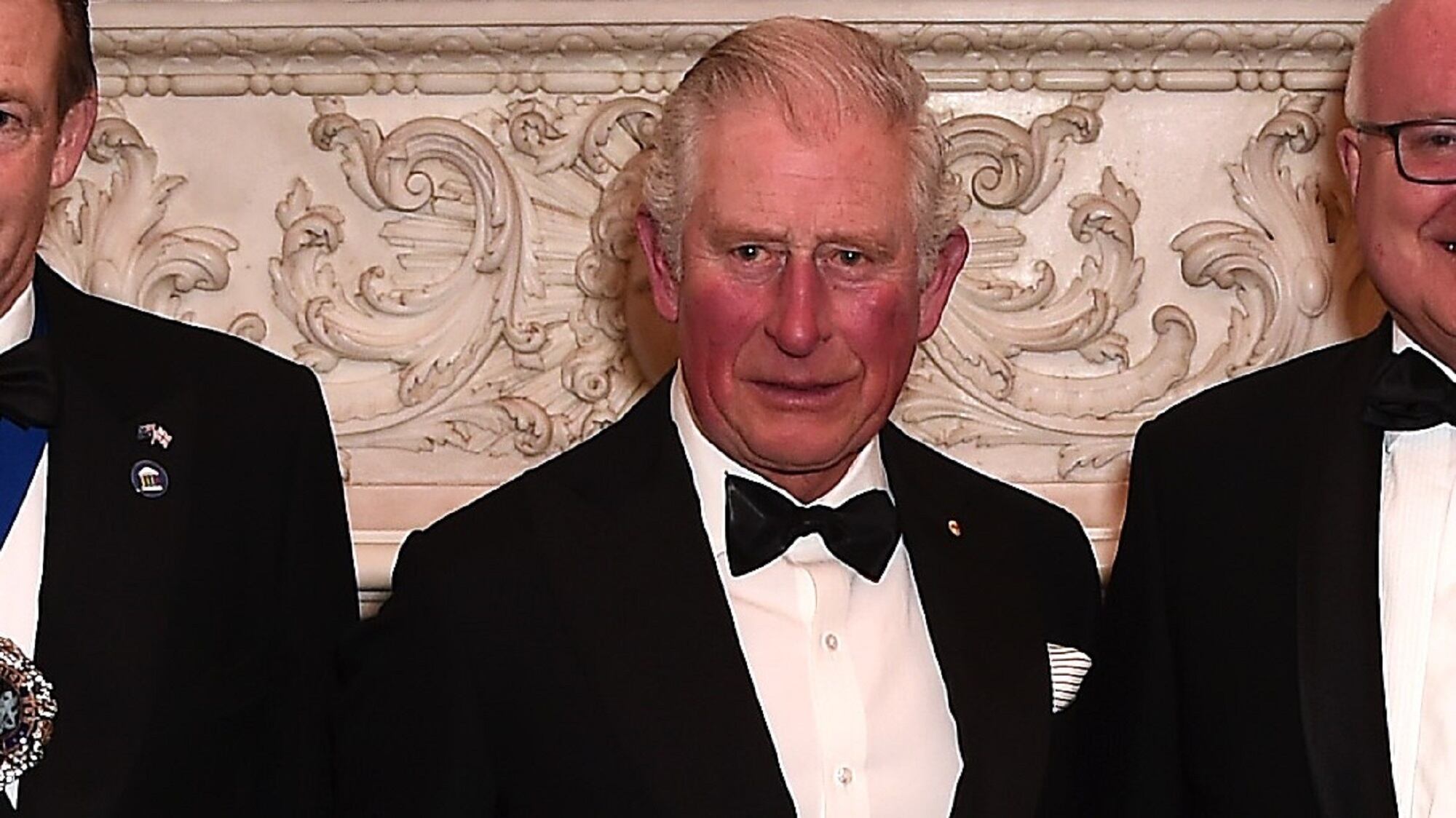
The death toll in Spain from the coronavirus shot up by more than 700 on Wednesday, surpassing China and is now second only to Italy as the pandemic spread rapidly in Europe, with even Britain’s Prince Charles testing positive for the virus.
Each piece of legislation is long: 247 pages for the Senate bill and a whopping 1,404 pages for the House bill. While we cannot distill every provision, here’s a look at some of the major differences between the two pieces of legislation.
Stocks are jumping in midday trading on Wall Street Tuesday amid expectations that Congress is nearing a deal on a big coronavirus relief bill. That would follow more aggressive steps from the Federal Reserve announced a day earlier to support lending and bond markets.