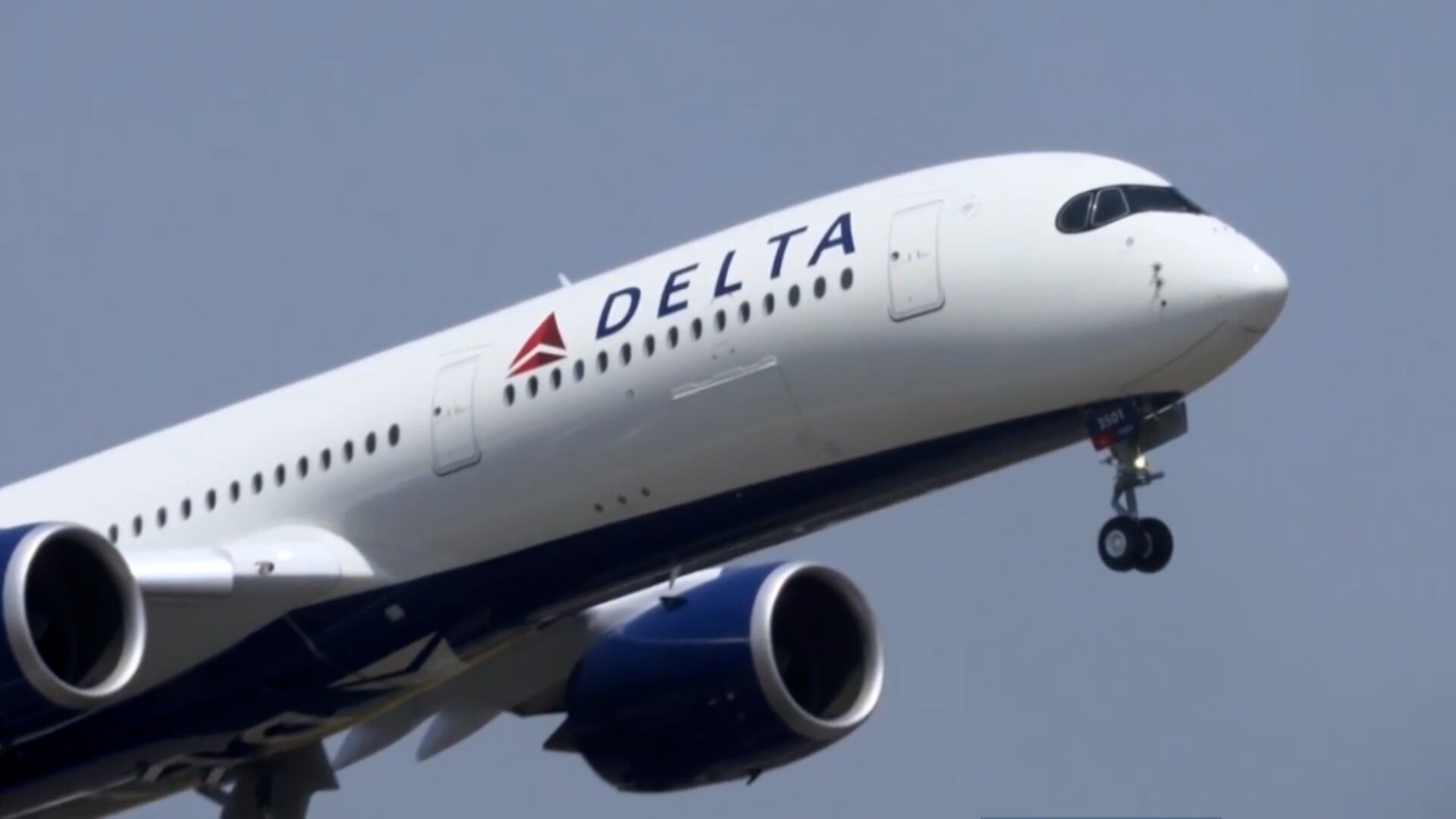
In case you needed yet another incentive to cram all your travel items into a carry-on, Delta Airlines just boosted the cost of your first checked bag by 17%. The increase adds $5 to the previous, and not-exactly-insignificant, $30 fee for domestic flights.
Delta is the third major U.S. carrier to hike bag fees in the past several weeks. Its move follows similar increases that American Airlines and United Airlines announced in February, three days apart; those high fees themselves followed fee hikes by smaller carriers Alaska Airlines and JetBlue Airways. Major U.S. carriers often copy one another’s pricing changes, a move that behavior analysts sometimes refer to as herd instinct.
Delta said Tuesday that the first bag checked on a domestic flight will now incur a $35 fee. The charge for a second bag rose from $40 to $45.
Delta last raised bag fees for domestic flights in 2018. The airline said the increase will help it keep up with unspecified rising industry costs. Customers with status perks can still check their first bag for free; those with first class tickets can check two free bags.
Bag fees have become a dependable source of revenue for airlines since American introduced them in 2008, when jet fuel prices were surging. In 2022, the last full year for which statistics are available, U.S. airlines took in $6.8 billion in checked-bag fees, led by American at $1.4 billion and United at $1.1 billion. Delta was in third place with $979.4 million.