Delegate-Elect Elizabeth Guzman: Virginia Is Not a State of Hate
History was made in several races during the 2017 off-year elections, with minorities, first-timers, and other under-represented candidates winning their campaigns. But it was no easy feat. Some hopefuls were hit with racial epithets and discriminatory advertisements before they won.
And for them, victory sent a clear message: our state is not a state of hate.
At least this was Virginia’s delegate-elect Elizabeth Guzman’s reaction. She and Hala Ayala this year became the first two Latinas ever elected to the state's House of Delegates. In an interview with Cheddar on Tuesday, Guzman said that many Republicans were mimicking the anti-immigration rhetoric exhibited by President Donald Trump. In her case, her opponent accused her of wanting to protect criminals.
“I think it was a huge response from Virginia to Washington, D.C., and also to Richmond, and Prince William County,” she said about winning. “We are not a state of hate. We are a state that is diverse, and we are proud of our diversity.”
Guzman, who began campaigning in October 2016, says her children were a motivating factor for her run for office. The public administrator and social worker was already heavily involved in her community. As a delegate, she hopes to encourage Latin children to feel represented and hopes more people with her background run for office in the future.
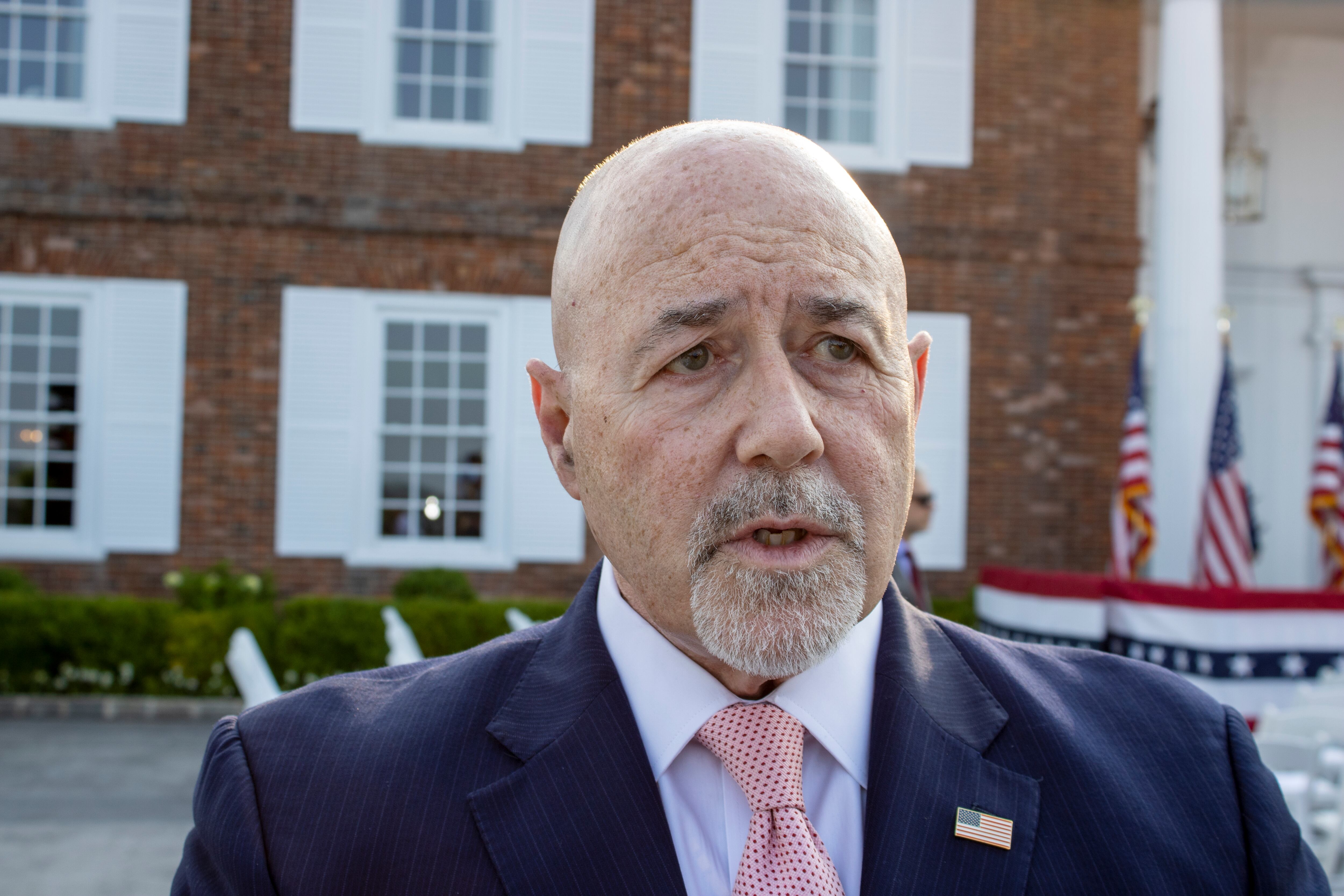
The lawyer for former NYPD commissioner Bernard Kerik turned over thousands of pages and documents to a special counsel as part of an investigation into Kerik's alleged involvement to overturn the results of the 2020 election.
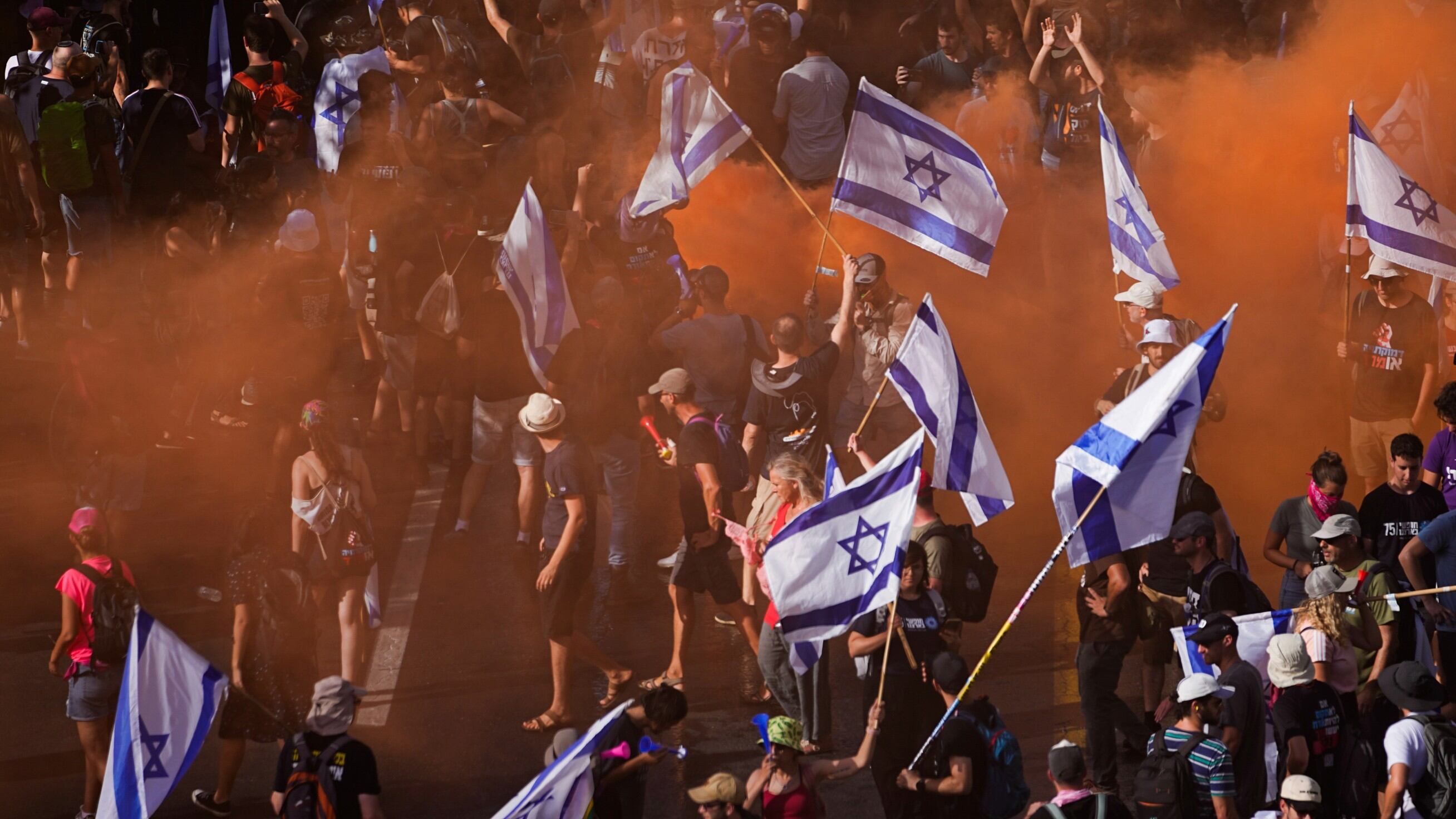
Israel’s parliament on Monday approved the first major law in Prime Minister Benjamin Netanyahu’s contentious plan to overhaul the country’s justice system, triggering a new burst of mass protests and drawing accusations that he was pushing the country toward authoritarian rule.
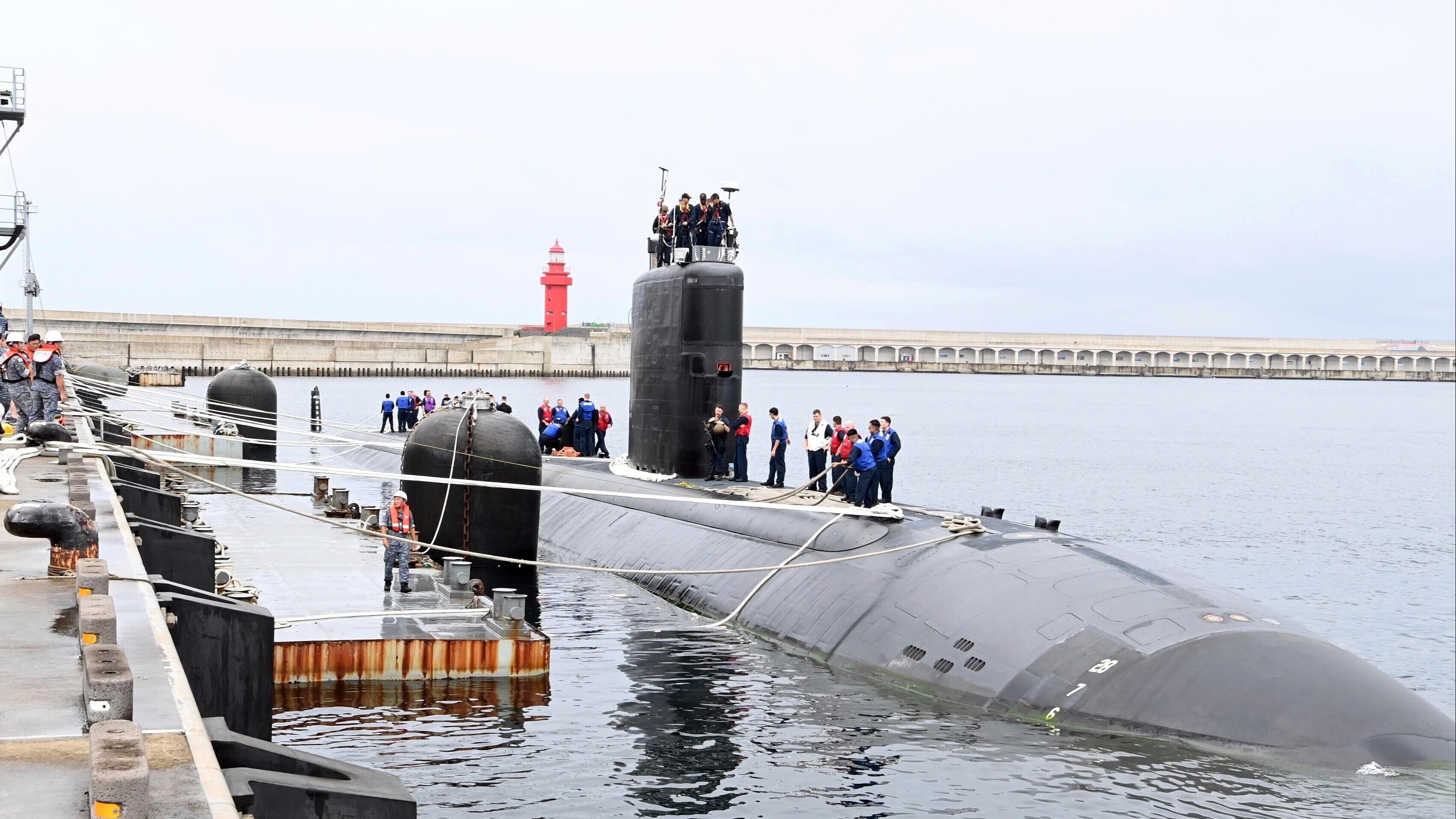
North Korea fired two short-range ballistic missiles into its eastern sea, South Korea’s military said Tuesday, adding to a recent streak in weapons testing that is apparently in protest of the U.S. sending major naval assets to South Korea in a show of force.
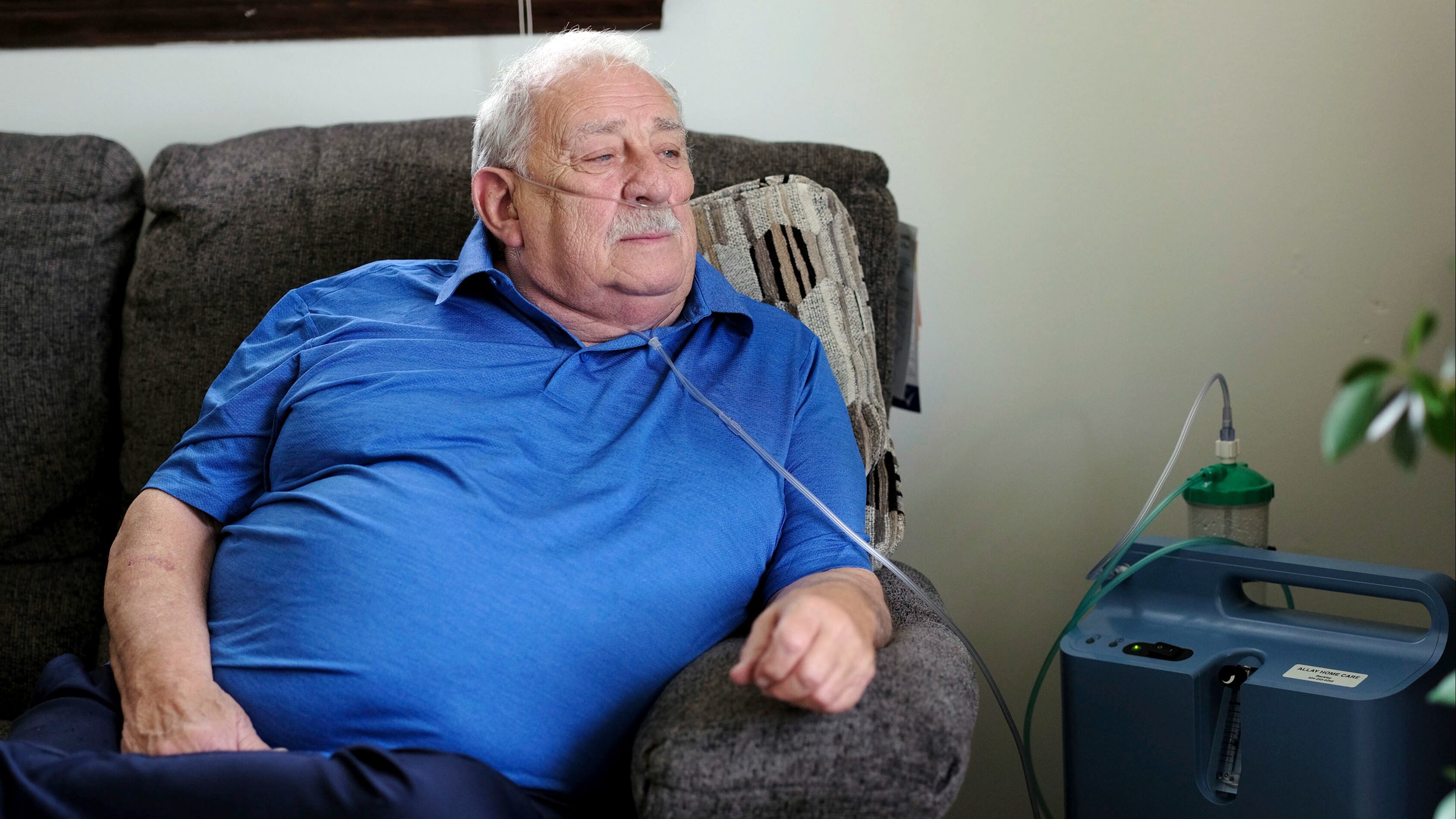
Now the federal Mine Safety and Health Administration has proposed a rule that would cut the current limit for silica exposure by half — a major victory for safety advocates. But there is skepticism and concern about the government following through after years of broken promises and delays.
A state trooper's account of officers denying migrants water in 100-degree Fahrenheit (37.7 Celsius) temperatures and razor wire leaving asylum-seekers bloodied has prompted renewed criticism.