History was made in several races during the 2017 off-year elections, with minorities, first-timers, and other under-represented candidates winning their campaigns. But it was no easy feat. Some hopefuls were hit with racial epithets and discriminatory advertisements before they won.
And for them, victory sent a clear message: our state is not a state of hate.
At least this was Virginia’s delegate-elect Elizabeth Guzman’s reaction. She and Hala Ayala this year became the first two Latinas ever elected to the state's House of Delegates. In an interview with Cheddar on Tuesday, Guzman said that many Republicans were mimicking the anti-immigration rhetoric exhibited by President Donald Trump. In her case, her opponent accused her of wanting to protect criminals.
“I think it was a huge response from Virginia to Washington, D.C., and also to Richmond, and Prince William County,” she said about winning. “We are not a state of hate. We are a state that is diverse, and we are proud of our diversity.”
Guzman, who began campaigning in October 2016, says her children were a motivating factor for her run for office. The public administrator and social worker was already heavily involved in her community. As a delegate, she hopes to encourage Latin children to feel represented and hopes more people with her background run for office in the future.
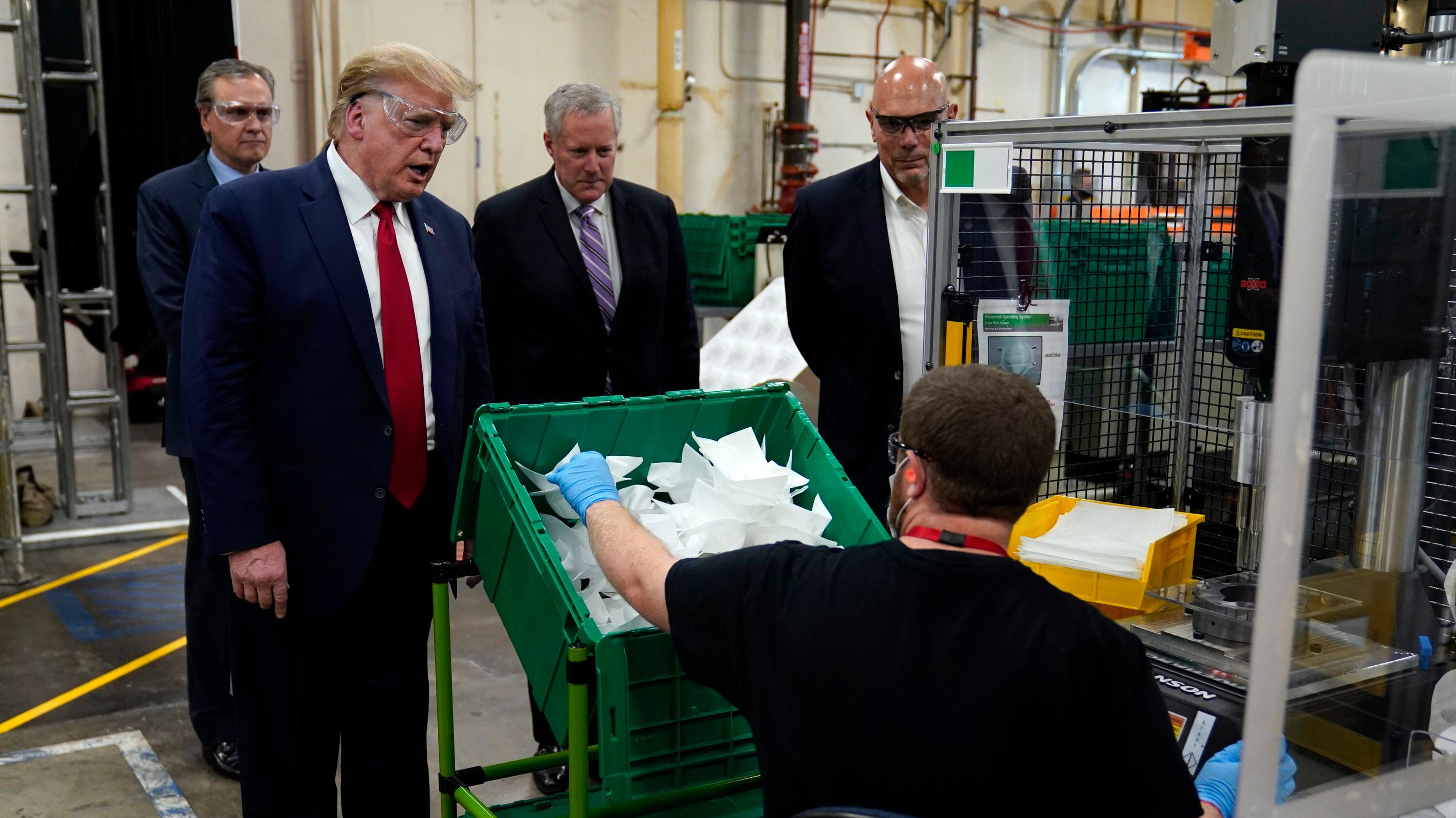
One day after saying that the COVID-19 task force would be winding down, President Donald Trump says it would continue on indefinitely, but focus on rebooting the economy.
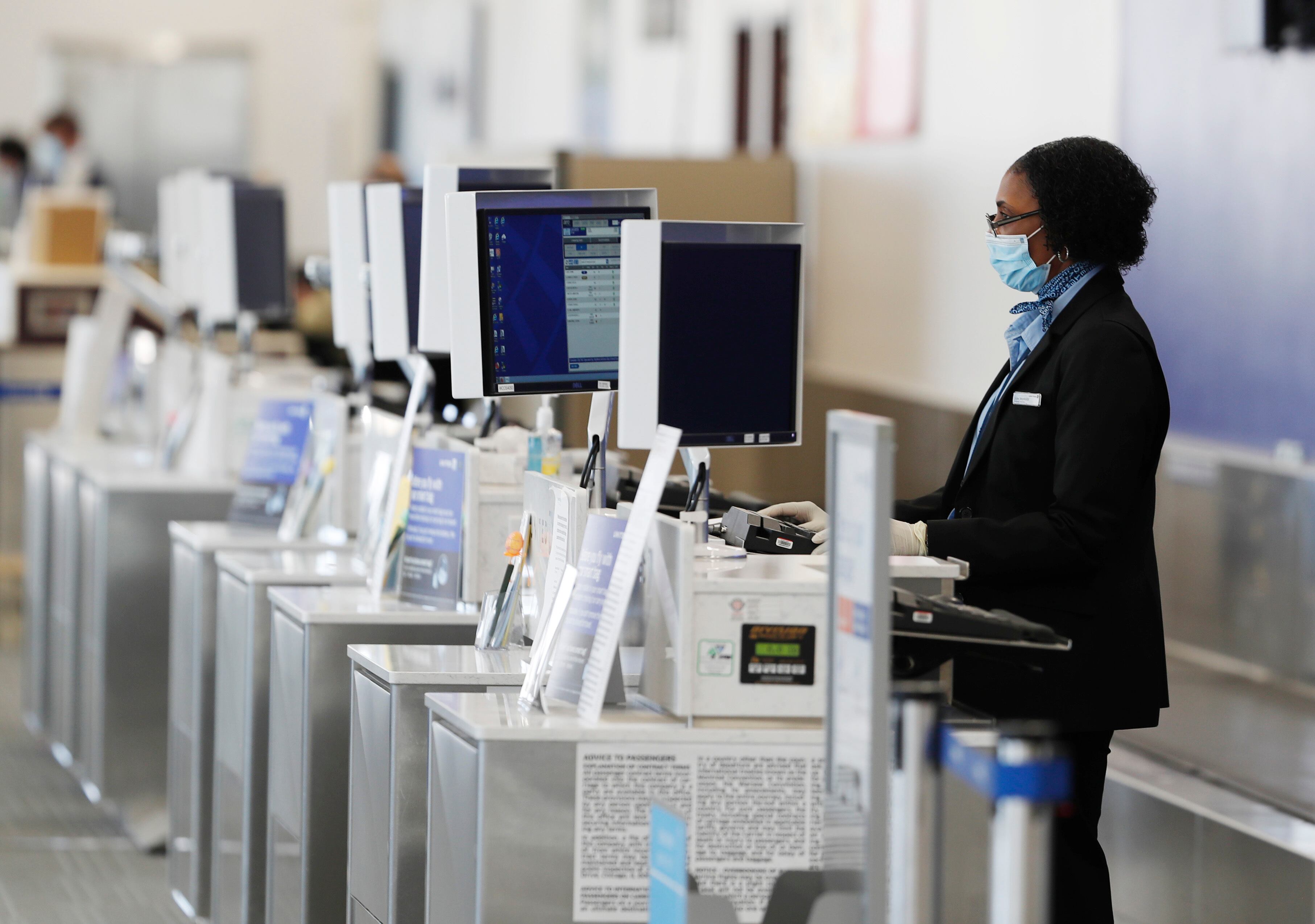
David Banmiller, an airline industry insider and former CEO of Pan Am, doesn't like referring to the $25 billion of relief the airline industry got from the federal government as a 'bailout.'
An Associated Press analysis finds that taking the New York metropolitan area’s progress against the coronavirus out of the equation shows the rest of the U.S. moving in the wrong direction, with the infection rate rising even as states move to lift their lockdowns.
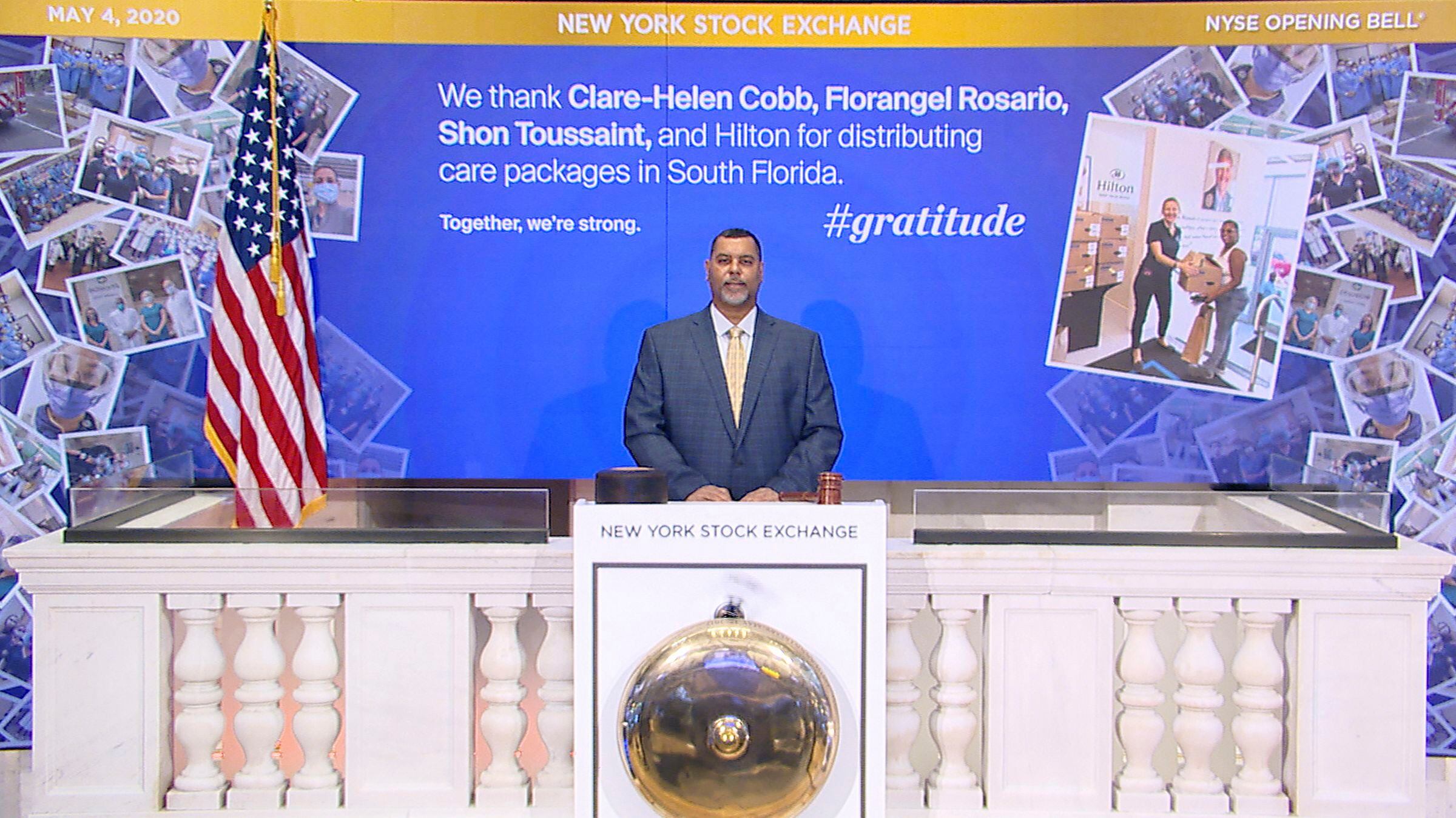
Stocks closed higher on Wall Street but gave up about half of their early gains in a late-afternoon bout of selling. The S&P 500 rose 0.9% Tuesday after being up 2% earlier.
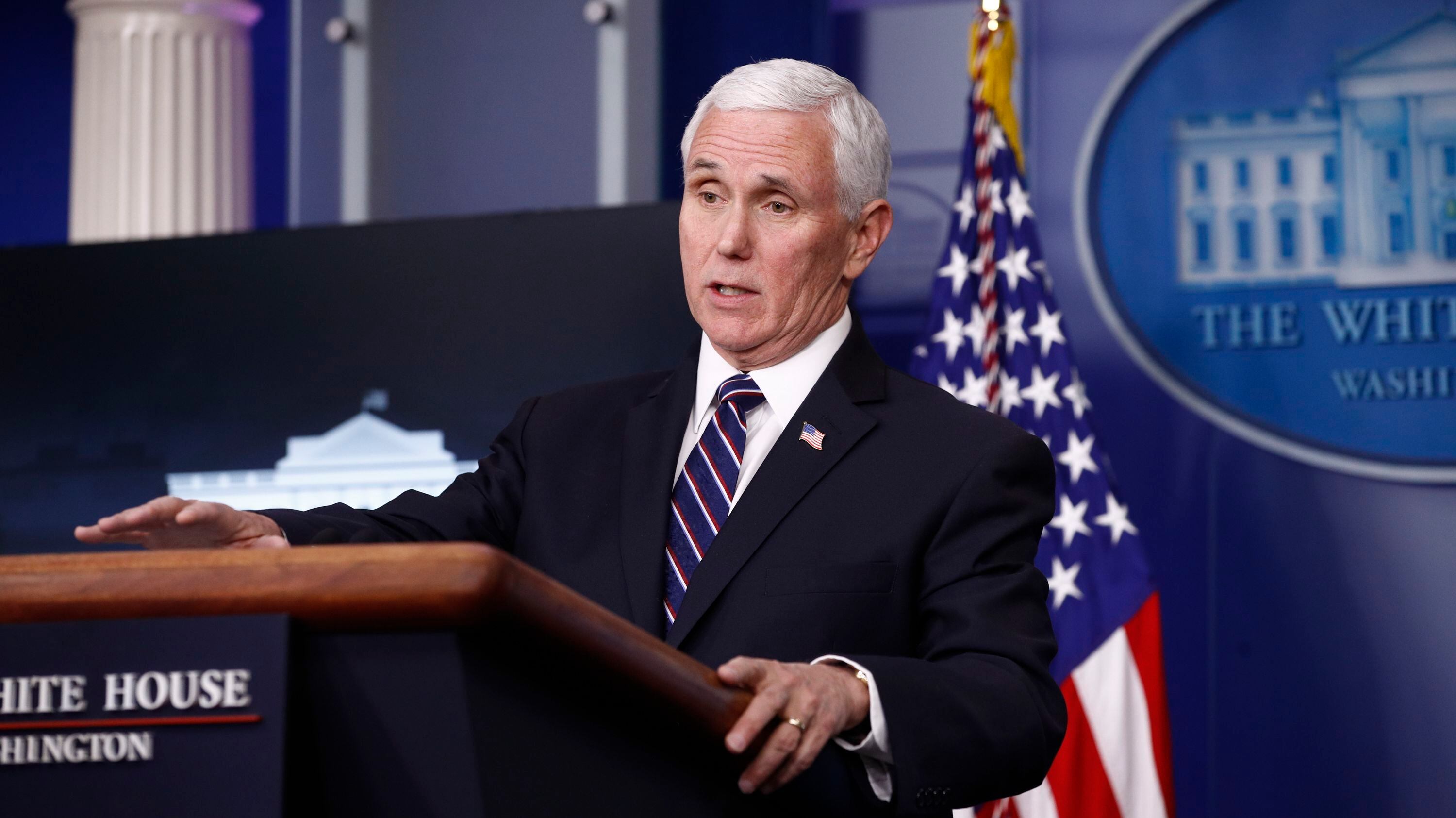
Vice President Mike Pence says the White House coronavirus task force could wind down its work by early June.
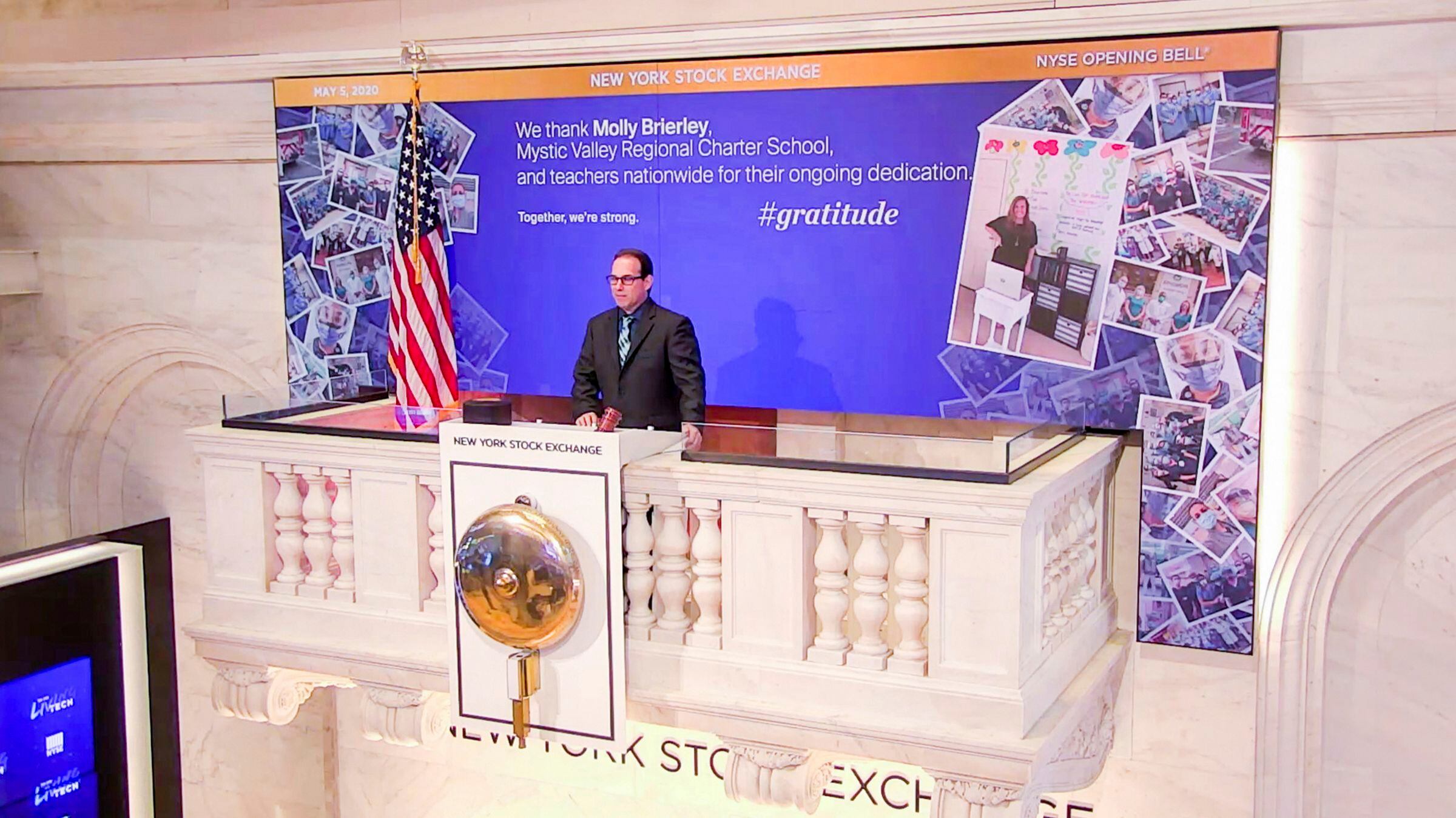
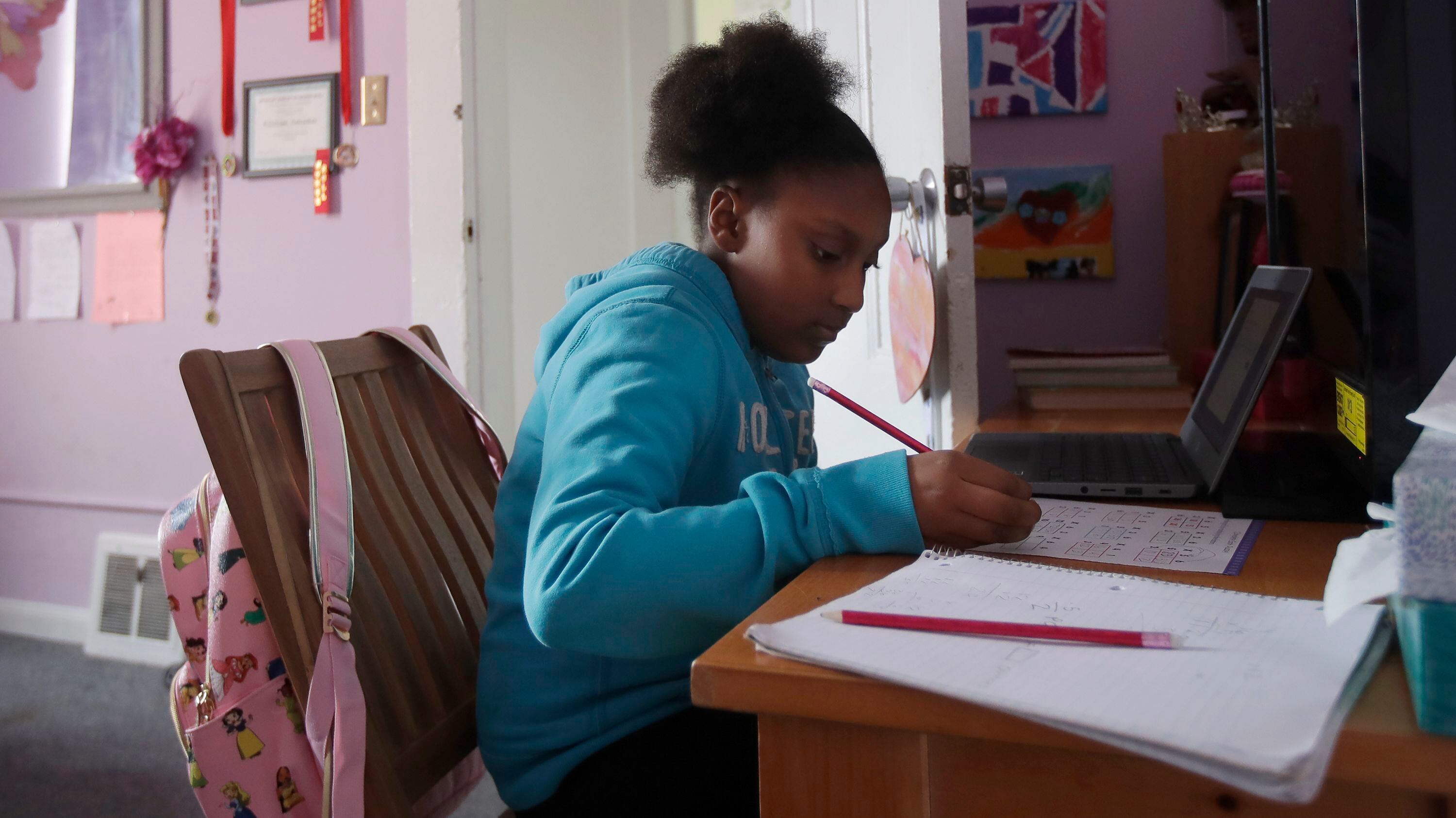
Randi Weingarten, president of the American Federation of Teachers, told Cheddar on Tuesday that they were not prepared to switch so quickly and have been working well with what they have, but online learning simply isn't the same as teaching in person.
The trip means a small army of advisers, logistical experts and security staff will also resume regularly hitting the road and taking a measure of risk to assist Trump.
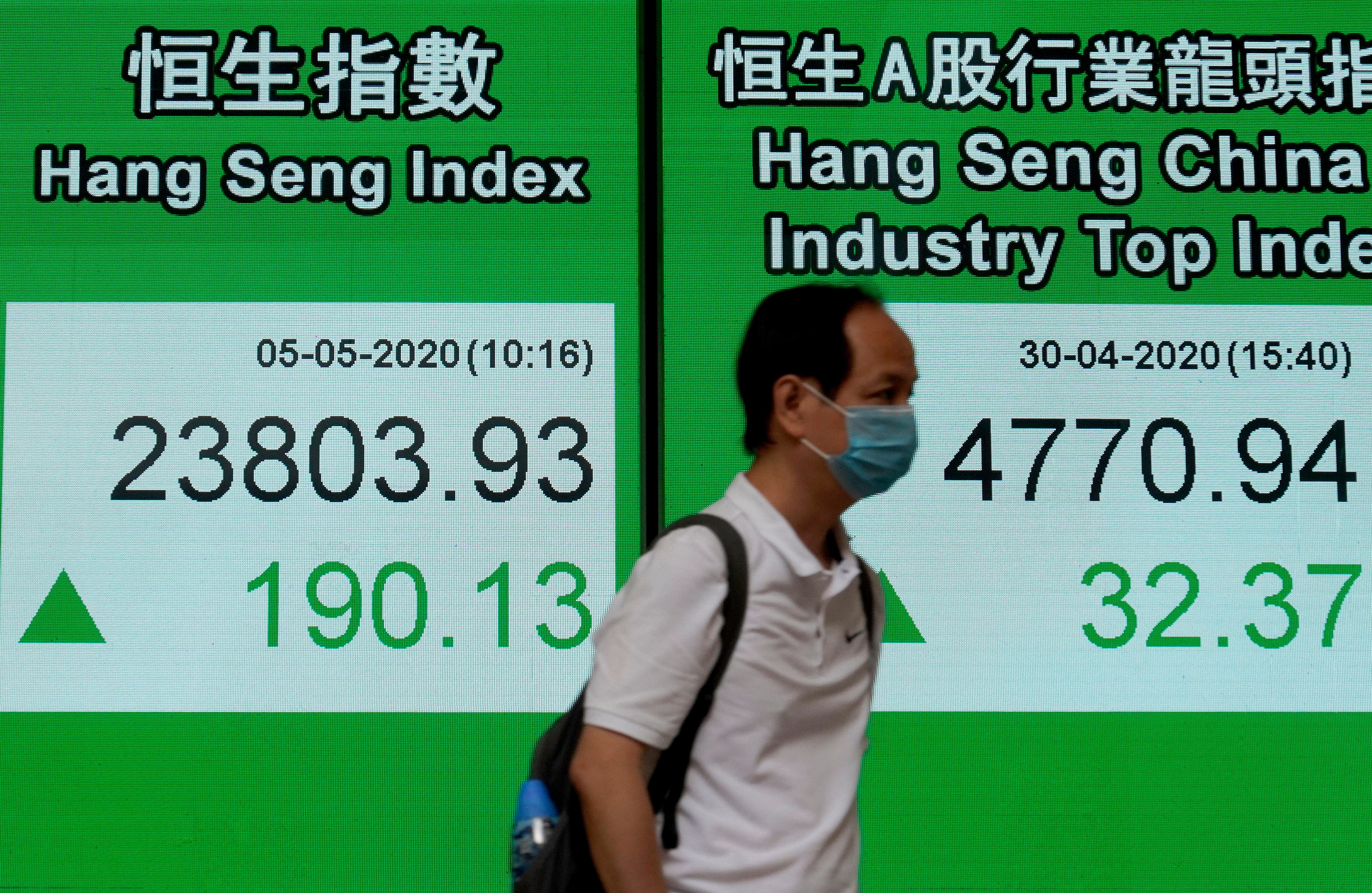
Stocks are rallying worldwide on Tuesday as more countries relaxed restrictions on businesses, raising hopes for a recovery from the historic plunge sweeping the global economy.
As governments around the world consider how to monitor new coronavirus outbreaks while reopening their societies, many are starting to bet on smartphone apps to help stanch the pandemic. But their decisions on which technologies to use — and how far those allow authorities to peer into private lives — are highlighting some uncomfortable trade-offs between protecting privacy and public health.
The stock market shook off a weak start and ended with modest gains Monday, thanks to another solid showing from big technology companies.