Delegate-Elect Elizabeth Guzman: Virginia Is Not a State of Hate
History was made in several races during the 2017 off-year elections, with minorities, first-timers, and other under-represented candidates winning their campaigns. But it was no easy feat. Some hopefuls were hit with racial epithets and discriminatory advertisements before they won.
And for them, victory sent a clear message: our state is not a state of hate.
At least this was Virginia’s delegate-elect Elizabeth Guzman’s reaction. She and Hala Ayala this year became the first two Latinas ever elected to the state's House of Delegates. In an interview with Cheddar on Tuesday, Guzman said that many Republicans were mimicking the anti-immigration rhetoric exhibited by President Donald Trump. In her case, her opponent accused her of wanting to protect criminals.
“I think it was a huge response from Virginia to Washington, D.C., and also to Richmond, and Prince William County,” she said about winning. “We are not a state of hate. We are a state that is diverse, and we are proud of our diversity.”
Guzman, who began campaigning in October 2016, says her children were a motivating factor for her run for office. The public administrator and social worker was already heavily involved in her community. As a delegate, she hopes to encourage Latin children to feel represented and hopes more people with her background run for office in the future.
The European Union is historically divided and slow when it comes to decision-making, but in the recent weeks, the 27 members have agreed upon several sanctions and decisions regarding foreign policy and defense. The EU has cut off Russian banks from the swift payment system, blocked Russian propaganda channels, and closed European skies for air travel to and from Russia. Germany, for example, who has refused to send any deadly weapons to conflict zones, has now agreed to send lethal weapons to Ukraine. Rupert Steiner, London Bureau Chief at Barron's, joins cheddar news to discuss.
Sam Stovall, Chief Investment Strategist at CFRA Research, joins Cheddar News' Closing Bell where he dives into the factors contributing to Monday's market plunge and what could be in store when February's CPI data comes out on Tuesday.
Derek Shearer, former U.S. Ambassador to Finland and contributing writer for Washington Monthly, joins Cheddar News to discuss the latest developments in the Russia-Ukraine conflict.
Americans continue to feel the pain at the pump as a result of Russia’s invasion of Ukraine. Patrick DeHaan, head of petroleum analysis at GasBuddy, joined Cheddar News to discuss how prices are being affected by the war and how much worse it could potentially get for drivers. "It's obviously a fluid situation. In one field today, I might feel differently in a half hour. But for now, I think we could see the national average realistically go somewhere into the mid $4 range, maybe $4.40 to $4.65 based on what we're seeing," he said.
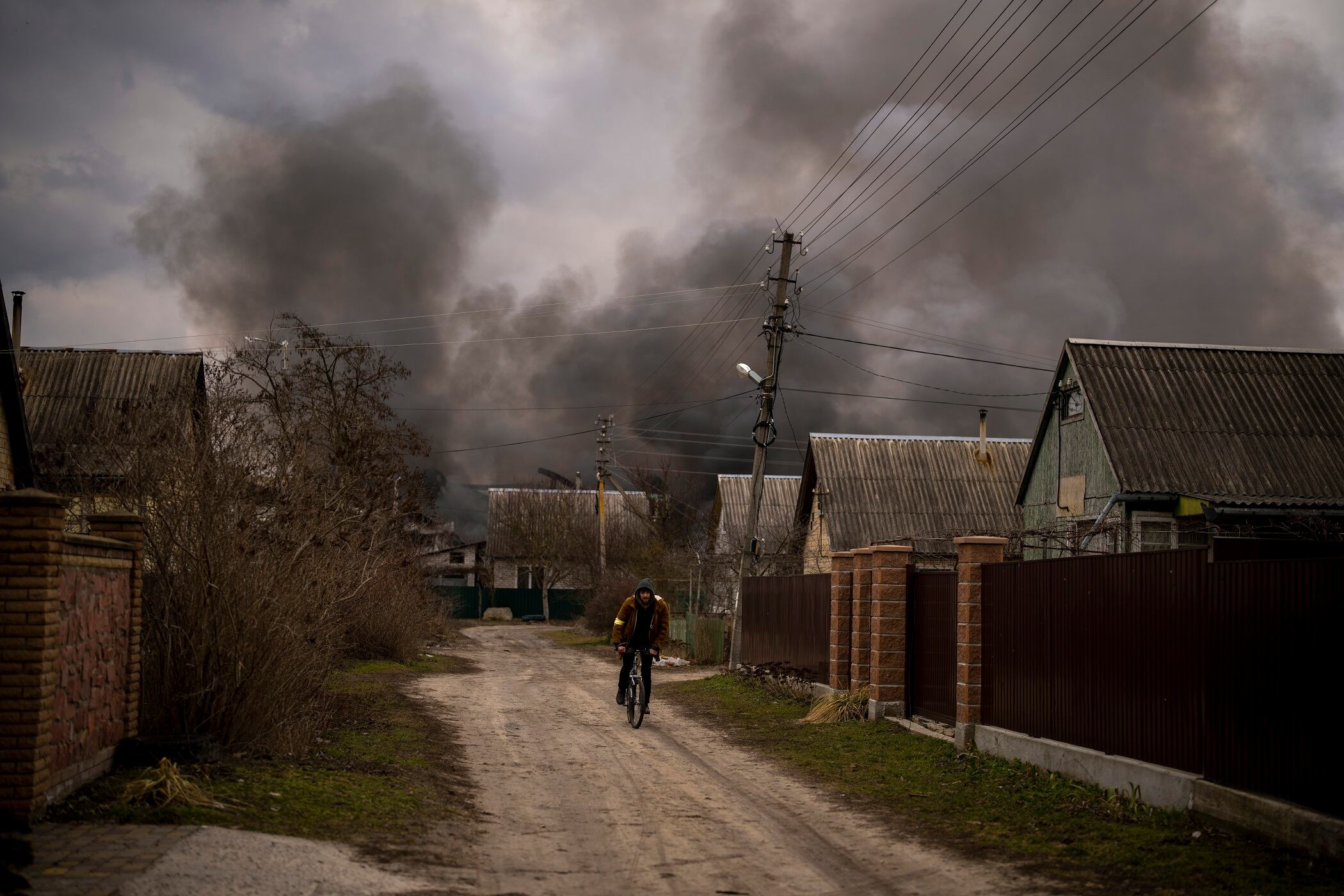
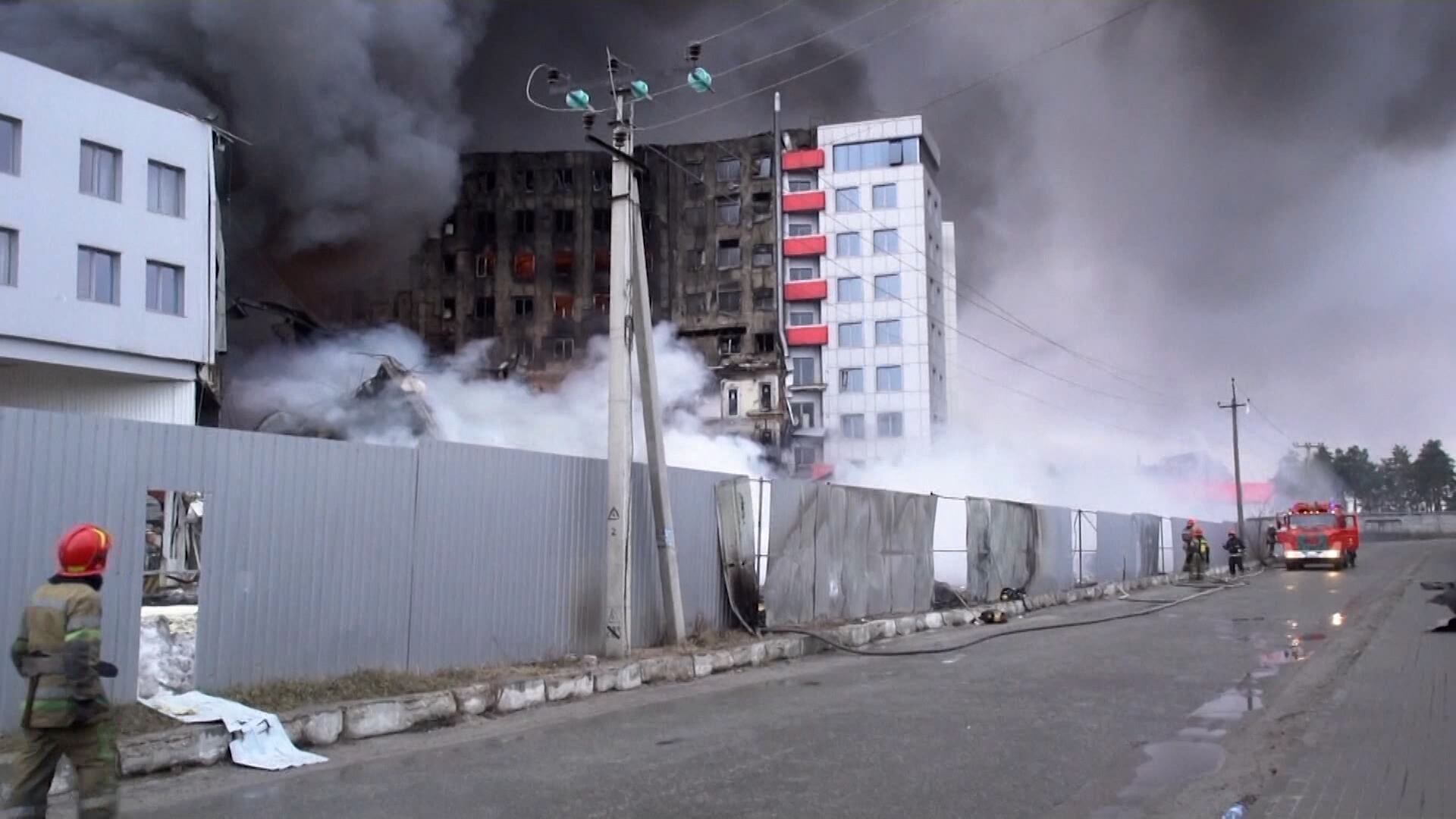
Russia’s invasion of Ukraine has entered its 12th day following what Ukrainian authorities described as increased shelling of encircled cities and another failed attempt to evacuate civilians from the port city of Mariupol.
Gasoline prices are pushing even farther above $4 a gallon, the highest price that American motorists have faced since July 2008, as calls grow to ban imports of Russian oil.
Jay Hatfield, Chief Investment Officer at ICAP, believes a lot of the bad news regarding the fighting in Ukraine and Fed is already priced into the market and looming uncertainty factored into Friday's movement. However, he also believes the upcoming Fed decision will be good news for Wall Street.
News of Russian forces taking control of a Ukrainian after artillery bombardment of a nuclear power plant raised concerns this week. Nuclear policy expert and Quincy Institute Distinguished Fellow Joe Cirincione joined Cheddar News to discuss the implications for a potential disaster. “I’m with the director general of the IAEA, the International Atomic Energy Agency. He says that he is extremely concerned, and that this Russian attack is a severe risk and that Russia clearly violated the fundamental principle of preserving the integrity of nuclear power plants," Cirincione said.