Delegate-Elect Elizabeth Guzman: Virginia Is Not a State of Hate
History was made in several races during the 2017 off-year elections, with minorities, first-timers, and other under-represented candidates winning their campaigns. But it was no easy feat. Some hopefuls were hit with racial epithets and discriminatory advertisements before they won.
And for them, victory sent a clear message: our state is not a state of hate.
At least this was Virginia’s delegate-elect Elizabeth Guzman’s reaction. She and Hala Ayala this year became the first two Latinas ever elected to the state's House of Delegates. In an interview with Cheddar on Tuesday, Guzman said that many Republicans were mimicking the anti-immigration rhetoric exhibited by President Donald Trump. In her case, her opponent accused her of wanting to protect criminals.
“I think it was a huge response from Virginia to Washington, D.C., and also to Richmond, and Prince William County,” she said about winning. “We are not a state of hate. We are a state that is diverse, and we are proud of our diversity.”
Guzman, who began campaigning in October 2016, says her children were a motivating factor for her run for office. The public administrator and social worker was already heavily involved in her community. As a delegate, she hopes to encourage Latin children to feel represented and hopes more people with her background run for office in the future.
The average city in California has a 38% higher cost of living than the average American city, according to a cost of living index. For many, the general minimum wage of $15/hour just doesn't cut it. Anti-poverty activist Joe Sanberg wants to get the minimum wage changed to $18/hour. He joins Cheddar News to discuss the Living Wage Act of 2022.
Liana Guzmán, CEO of FOLX Health, joins Cheddar News to discuss the company launching billboards across the country in response to anti-LGBTQ+ legislation.
President Biden has announced an additional $800 million in military assistance to Ukraine, including artillery, armored personnel carriers, and helicopters. It comes as Russian forces appear to be preparing for a new, aggressive offensive in the eastern part of Ukraine. Paul McLeary, defense reporter for Politico, joined Cheddar to discuss this new round of aid and what it means for the U.S. commitment to arming the embattled country.
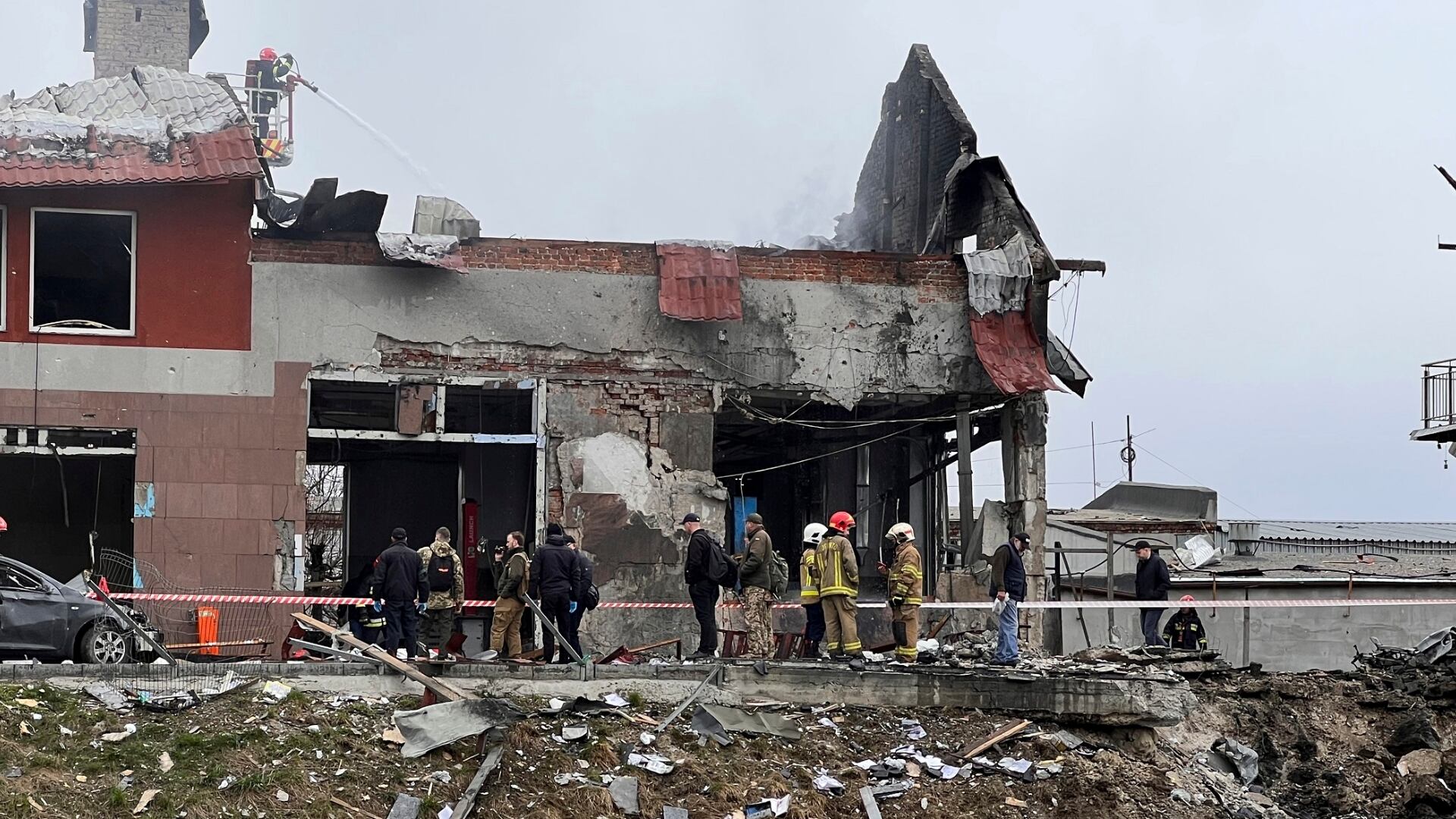
Catching you up on what you need to know on April 18, 2022, with Russian missile attacks on the Ukrainian city of Lviv killing seven, mass shootings in South Carolina and Pittsburgh, Lucky Charms cereal under official investigation by the FDA, and more.
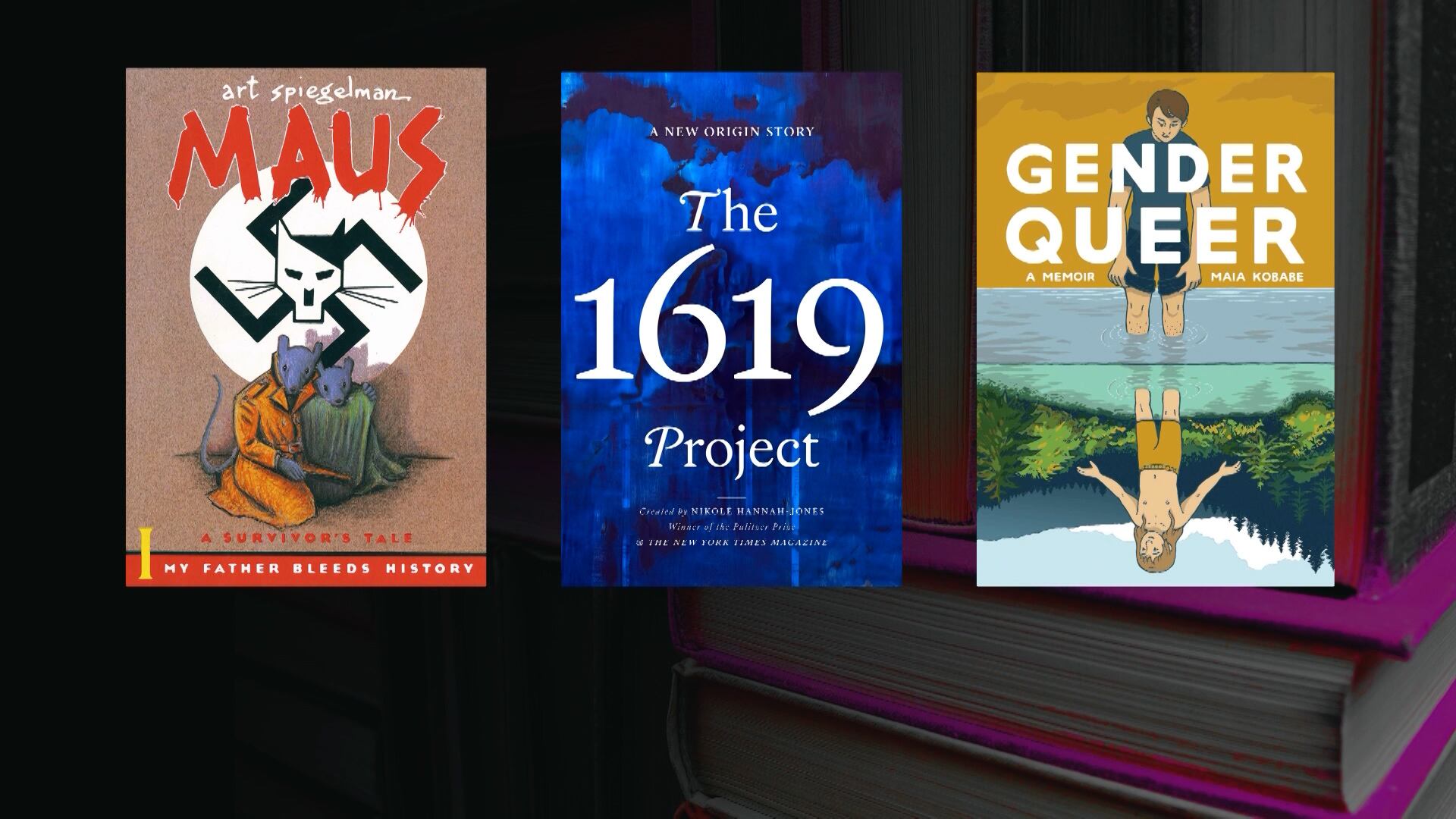
Activism is growing around the country in response to school boards banning books from shelves that focus on sexuality, gender, identity, or race. Jen Cousins, co-founder of The Florida Freedom to Read Project, joins Cheddar News to discuss.
As the Russian invasion of Ukraine intensifies, President Biden has announced a ban on importing Russian oil, gas, and energy. To discuss how this ban will impact the war and Americans, Amir Handjani, non-resident fellow at Quincy Institute, joins Cheddar News.
Thousands of protesters around the world are expressing their solidarity with Ukraine against Russia's invasion.
Jason Beardsley, national executive director of the Association of the U.S. Navy and national security expert, joins Cheddar News to discuss.
As gas prices surge amid the Russian invasion of Ukraine, other nations could potentially transition faster to using clean energy than previously expected. Philip K. Verleger, a senior fellow at the Niskanen Center, joined Cheddar News to explain how this could be a possibility in the near future. "Part of the reason I think we have this invasion and the tantrum that's being thrown by Russia, terrible tantrum, is because the Russians were trying to slow down the transition," he said. "Ironically they speeded it up."