Sunday’s “60 Minutes” featuring an interview with adult film star Stormy Daniels was the most-watched episode of the show in a decade, bringing in more than 21 million views.
But the biggest takeaway for former prosecutor Jonna Spilbor was that Daniels poses no real legal threat to the president.
“There’s nothing that Donald Trump has done that’s been illegal in terms of his dealings with her...This is really [just] an embarrassment, and it’s a way for Stormy Daniels to profit off a consensual encounter,” said Spilbor.
Daniels, whose real name is Stephanie Cliffords, claims she had a consensual affair with the president back in 2006.
In the interview, she said she was threatened into silence in 2011 after she initially sold her story to Bauer Publishing.
“[She] cannot back up any of her claims,” said Spilbor. “If she was truly threatened, she should have gone to the police.”
She also provided the salacious details of their time together, including spanking Trump with a Forbes magazine.
During the 2016 presidential election Michael Cohen, Trump’s lawyer at the time, paid Daniels $130,000 in hush money and made her sign a non-disclosure agreement.
She’s now suing to invalidate the NDA, since Trump himself never signed on the dotted line.
Daniels interview aired days after CNN correspondent Anderson Cooper caught up with Karen McDougal, a former Playboy model, who also claims to have had an affair with Trump more than a decade ago.
For the full interview, [click here](https://cheddar.com/videos/why-former-prosecutor-jonna-spilbor-says-stormy-daniels-doesnt-have-a-case-against-president-trump).
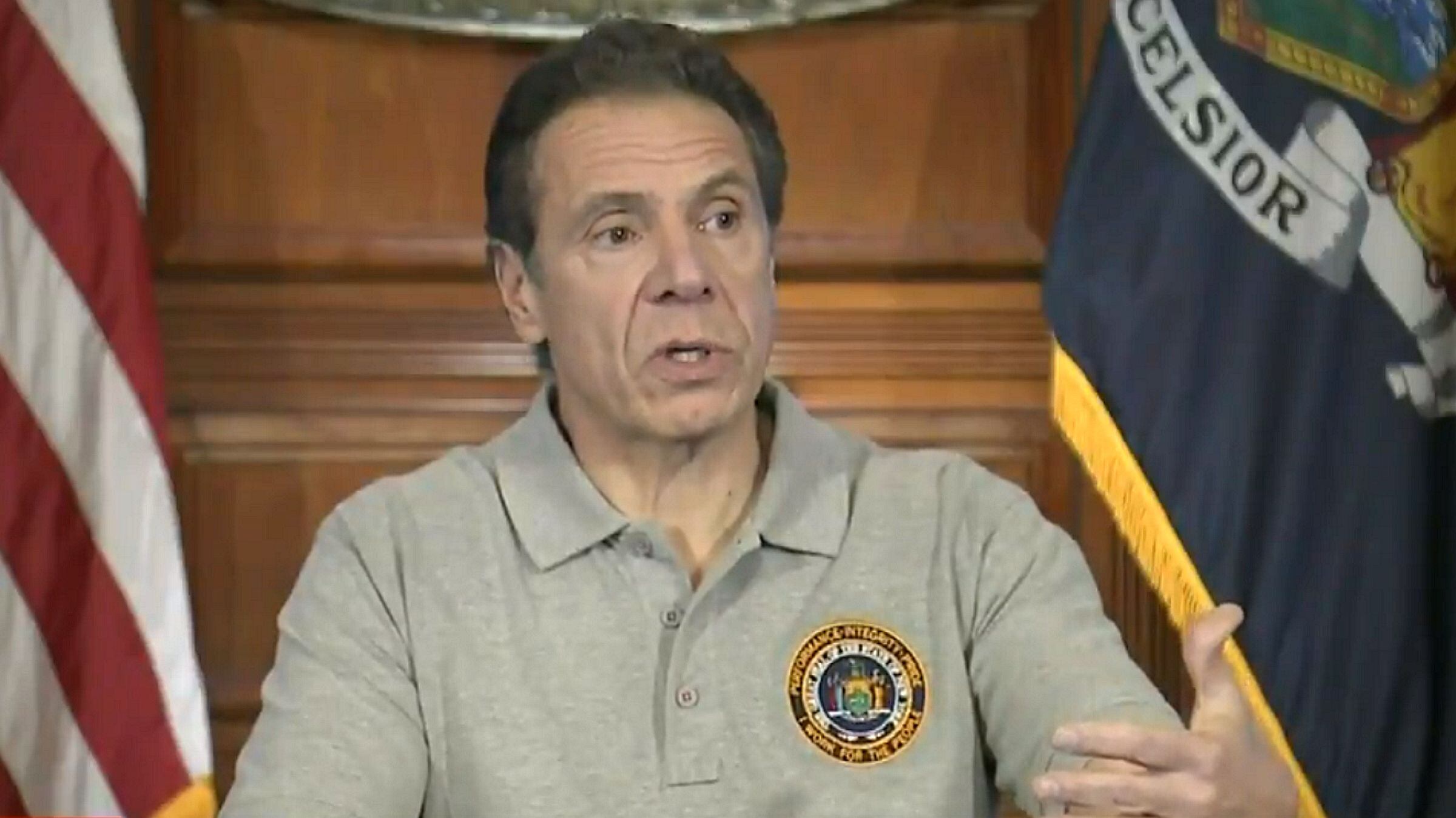
In a news conference, NY Gov. Andrew Cuomo said he has ordered the state's hospitals to increase their capacity for intake at least by half, if not doubling it., and also revealed that New York had procured more medical supplies in the fight against the coronavirus pandemic.
While the spread of the coronavirus has caused millions of layoffs across the country, select businesses are on a hiring spree to meet increased demand related to the outbreak.
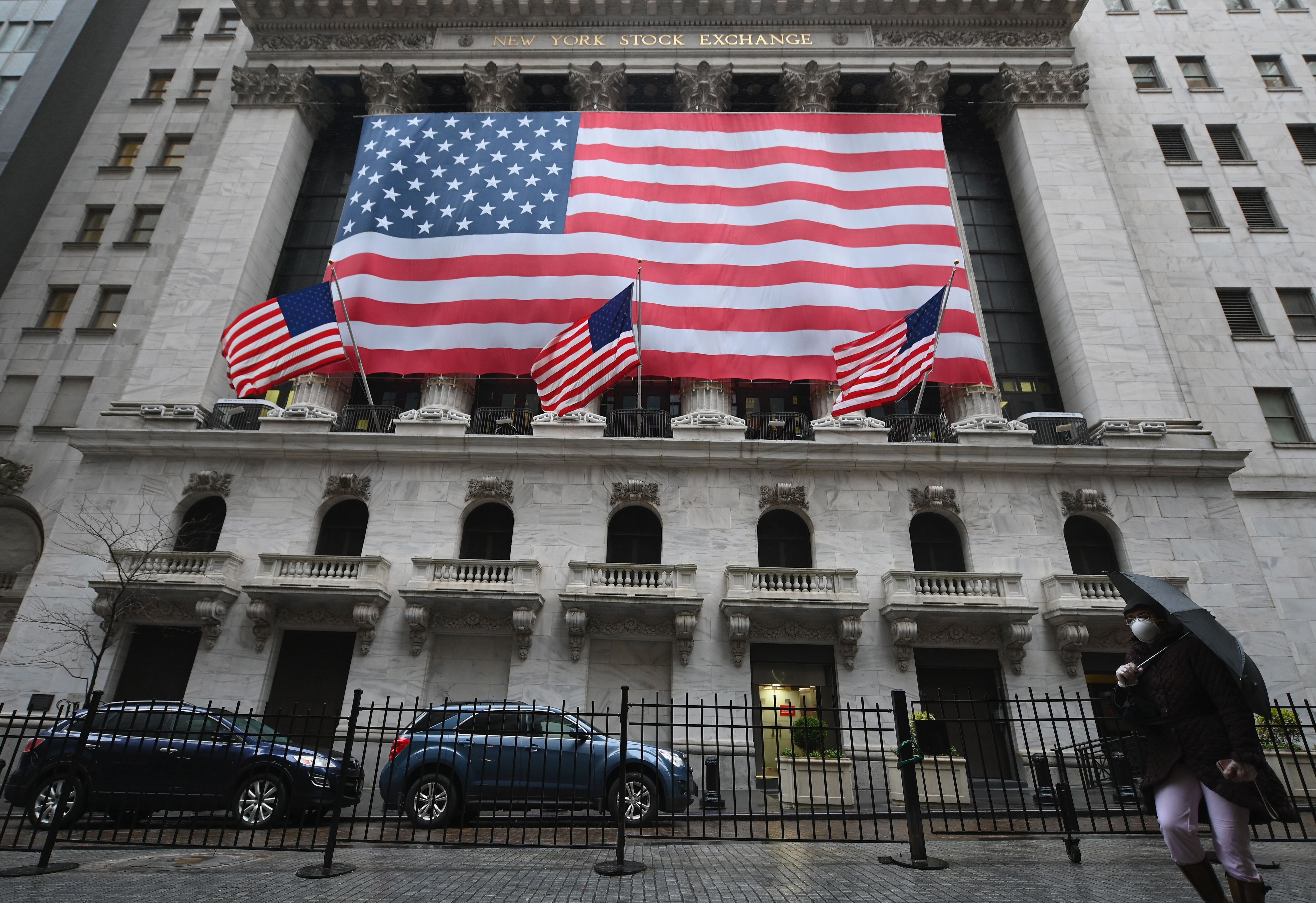
Stocks are down nearly 5 percent in volatile trading on Wall Street as investors wait for Democrats and Republicans to settle their differences and pass a nearly $2 trillion rescue package for the economy.
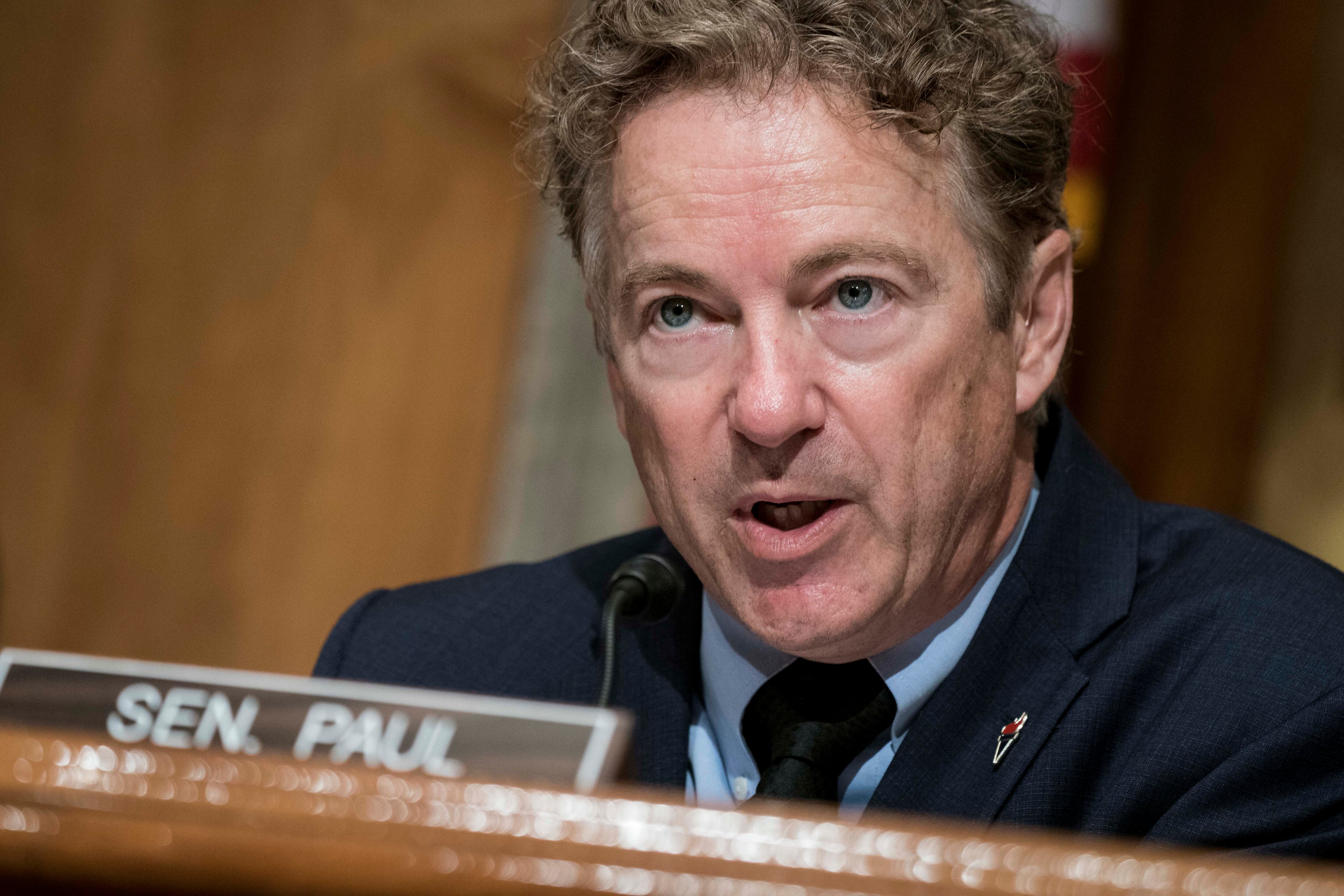
Sen. Rand Paul of Kentucky has tested positive for the novel coronavirus, becoming the first case of COVID-19 in the Senate and raising fears about the further transmission of the virus among Republicans at the Capitol.
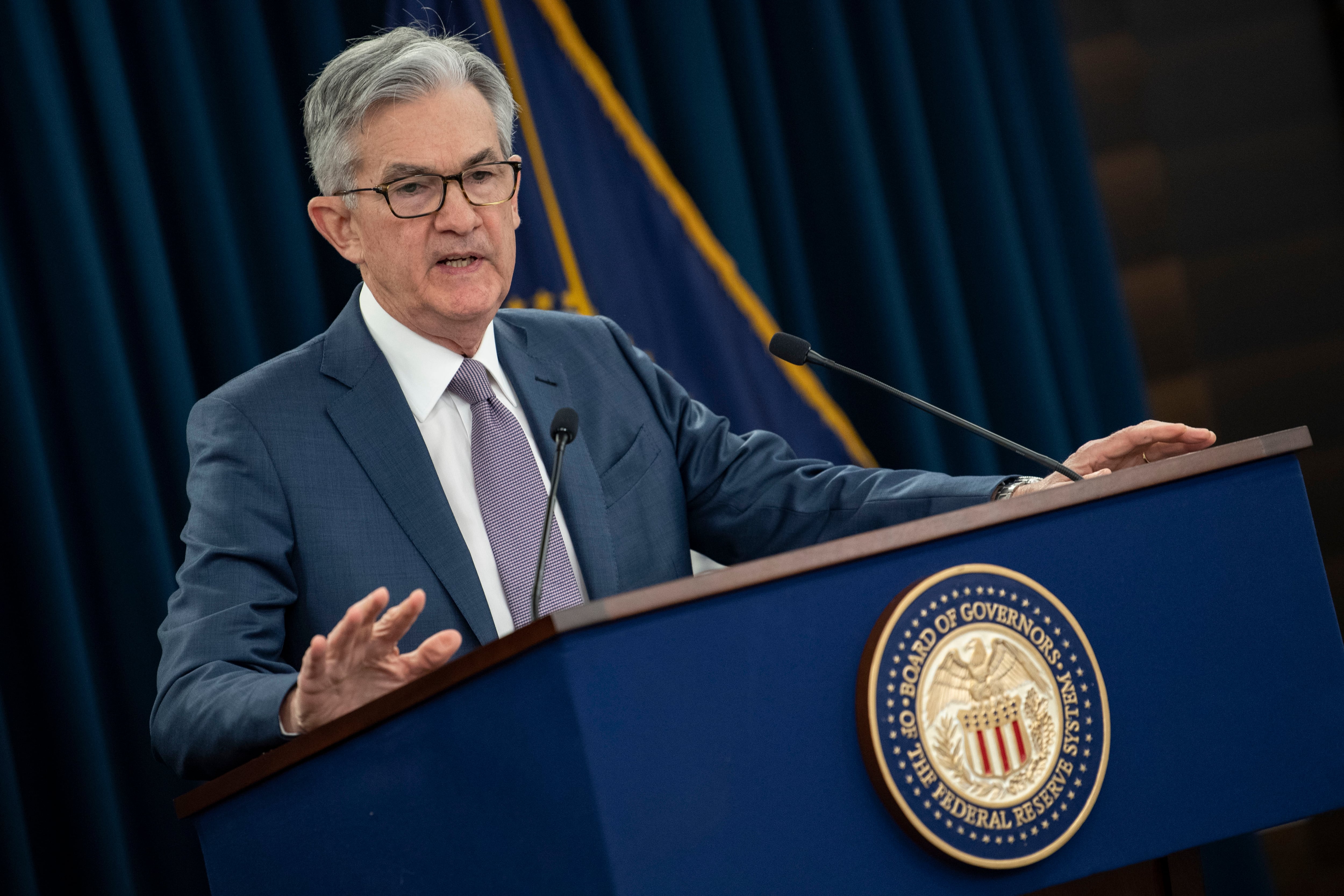
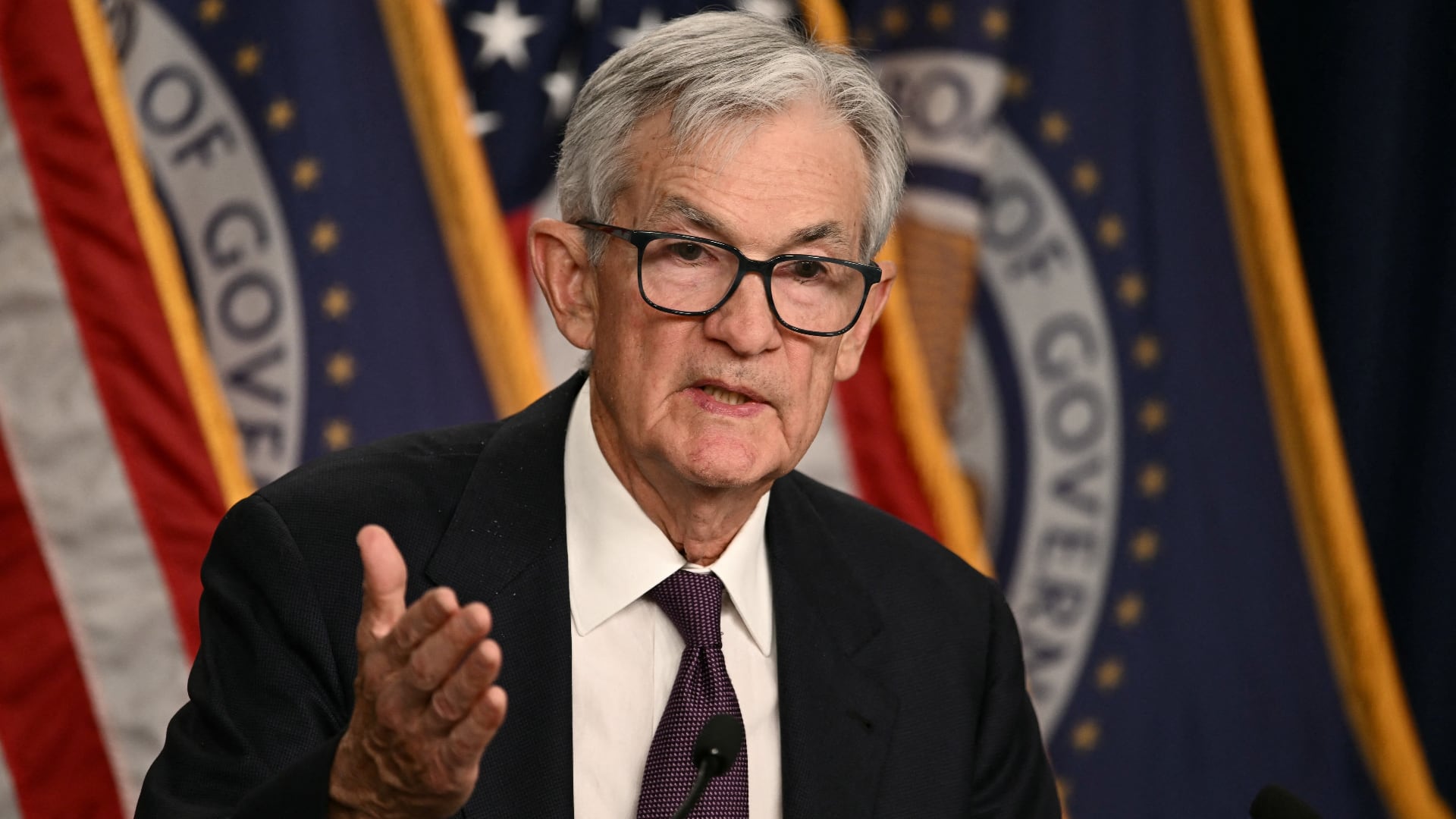
In its boldest effort to protect the U.S. economy from the coronavirus, the Federal Reserve says it will buy as much government debt as it deems necessary and will also begin lending to small and large businesses and local governments to help them weather the crisis.
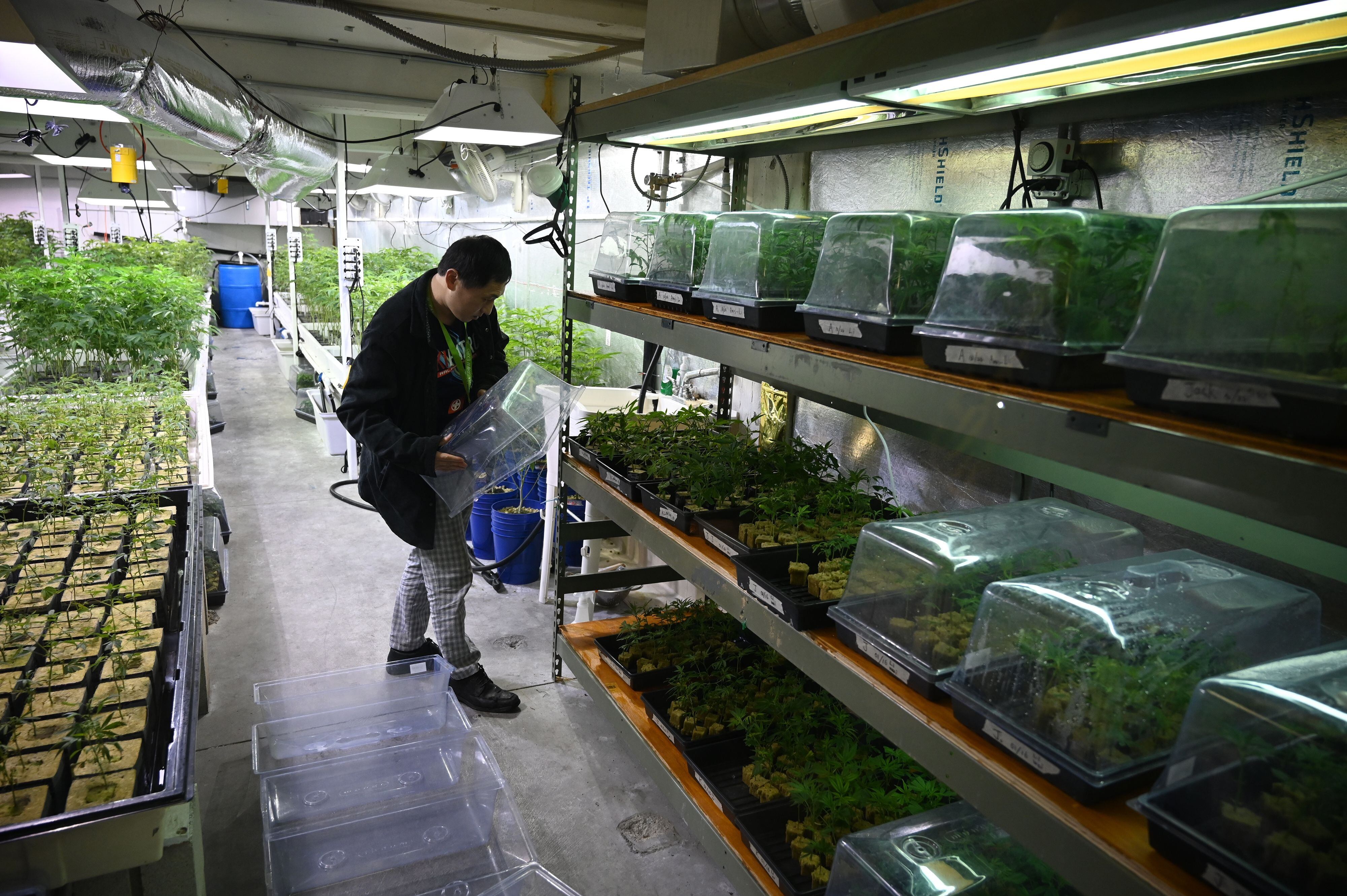
Malls, movie theaters, and retailers across the U.S. have been forced to close down to stem the spread of coronavirus, but cannabis dispensaries and retailers will stay open for business after a number of local governments deemed them “essential.”
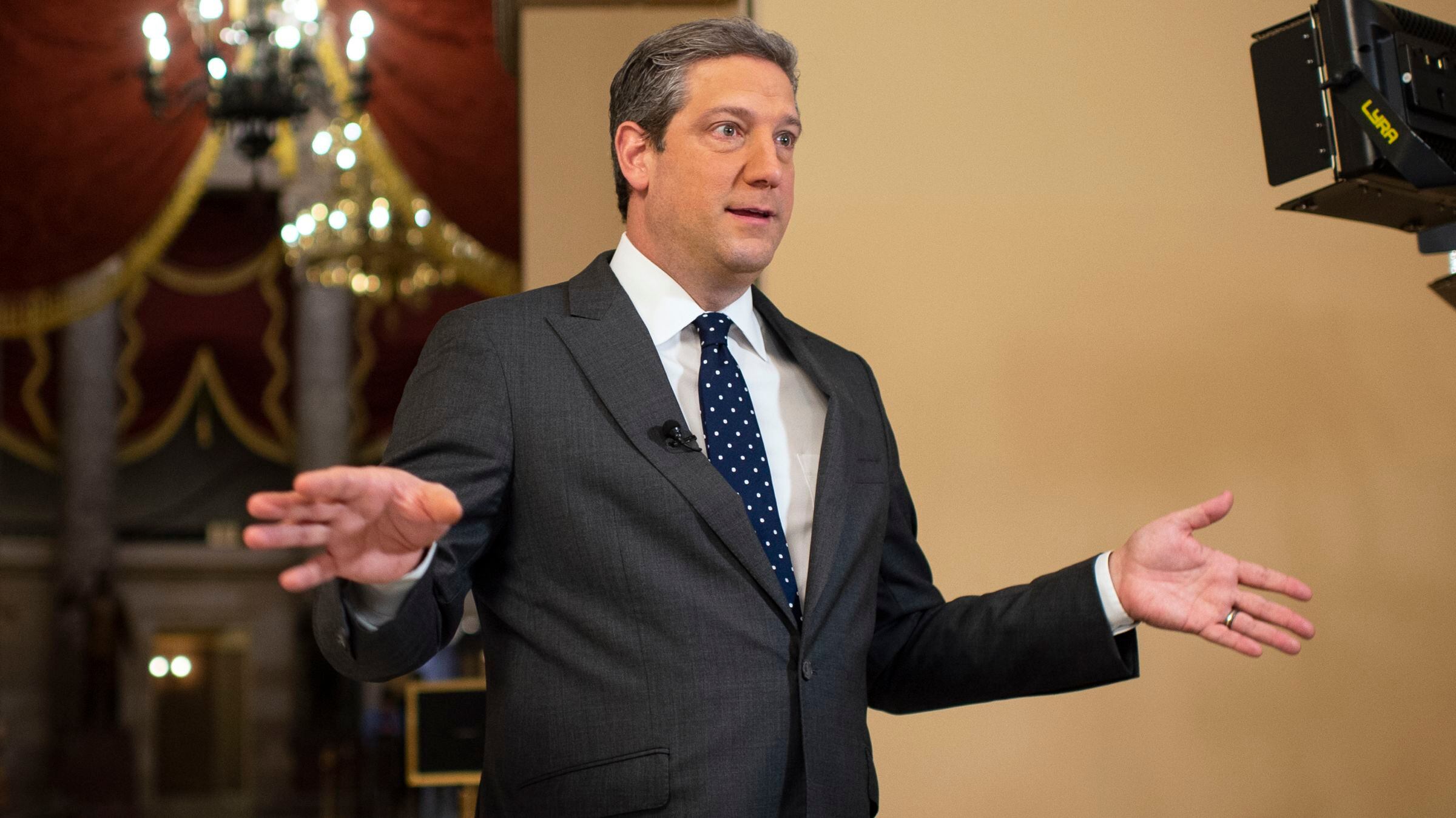
Rep. Tim Ryan (D-Ohio 13th District) said on Friday that the $1 trillion stimulus package currently being negotiated by lawmakers won't be nearly enough to make Americans whole again.
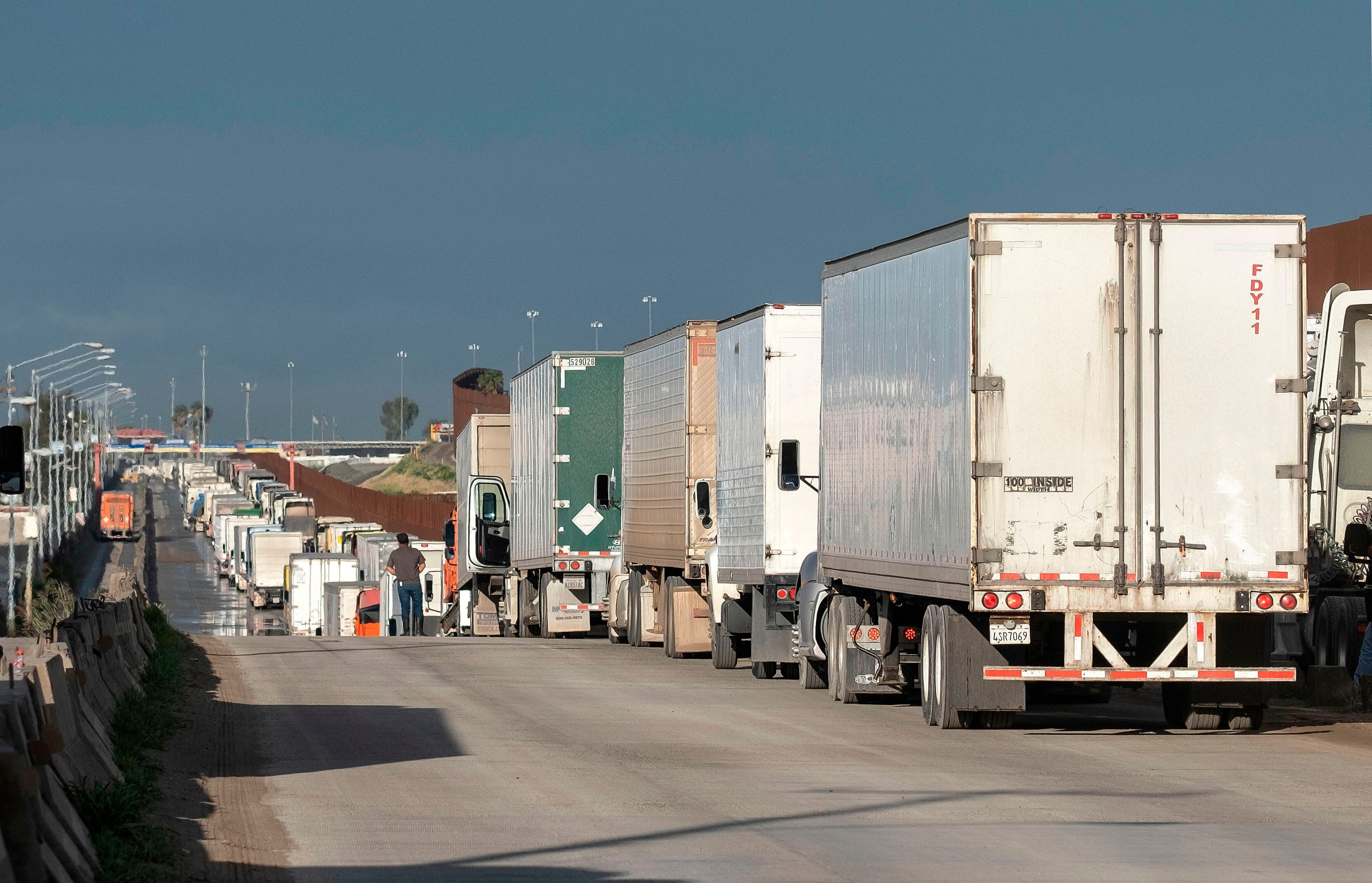
During the Friday Coronavirus Task Force briefing, President Donald Trump said that the U.S. borders will be closed to nonessential travel with Mexico and Canada, beginning at midnight on Saturday.
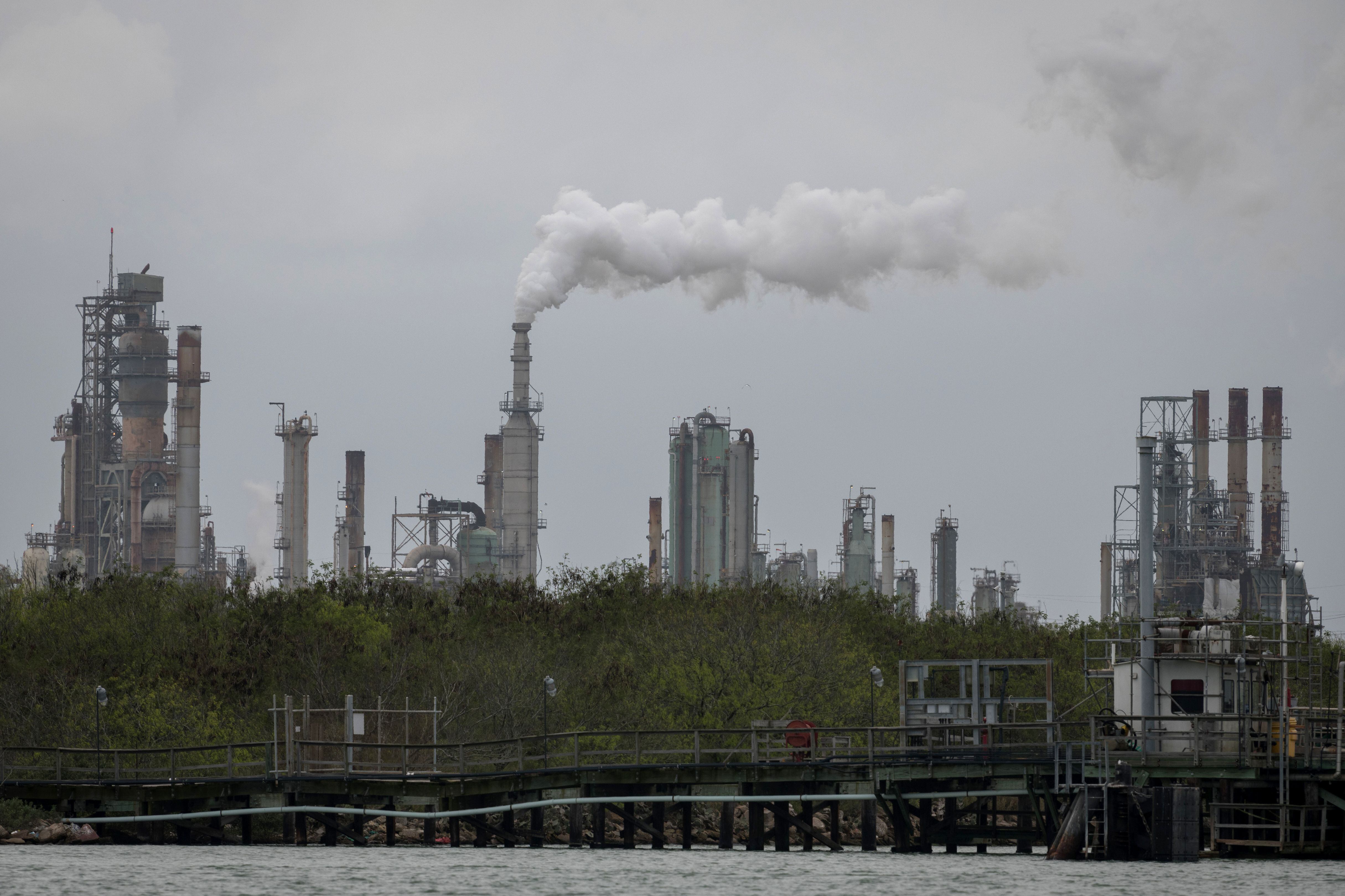
The move underscores the pain being inflicted on U.S. oil producers by the abrupt crash in oil prices earlier this month, sparked by the outbreak of a price war between Saudi Arabia and Russia and exacerbated by the global response to the coronavirus.
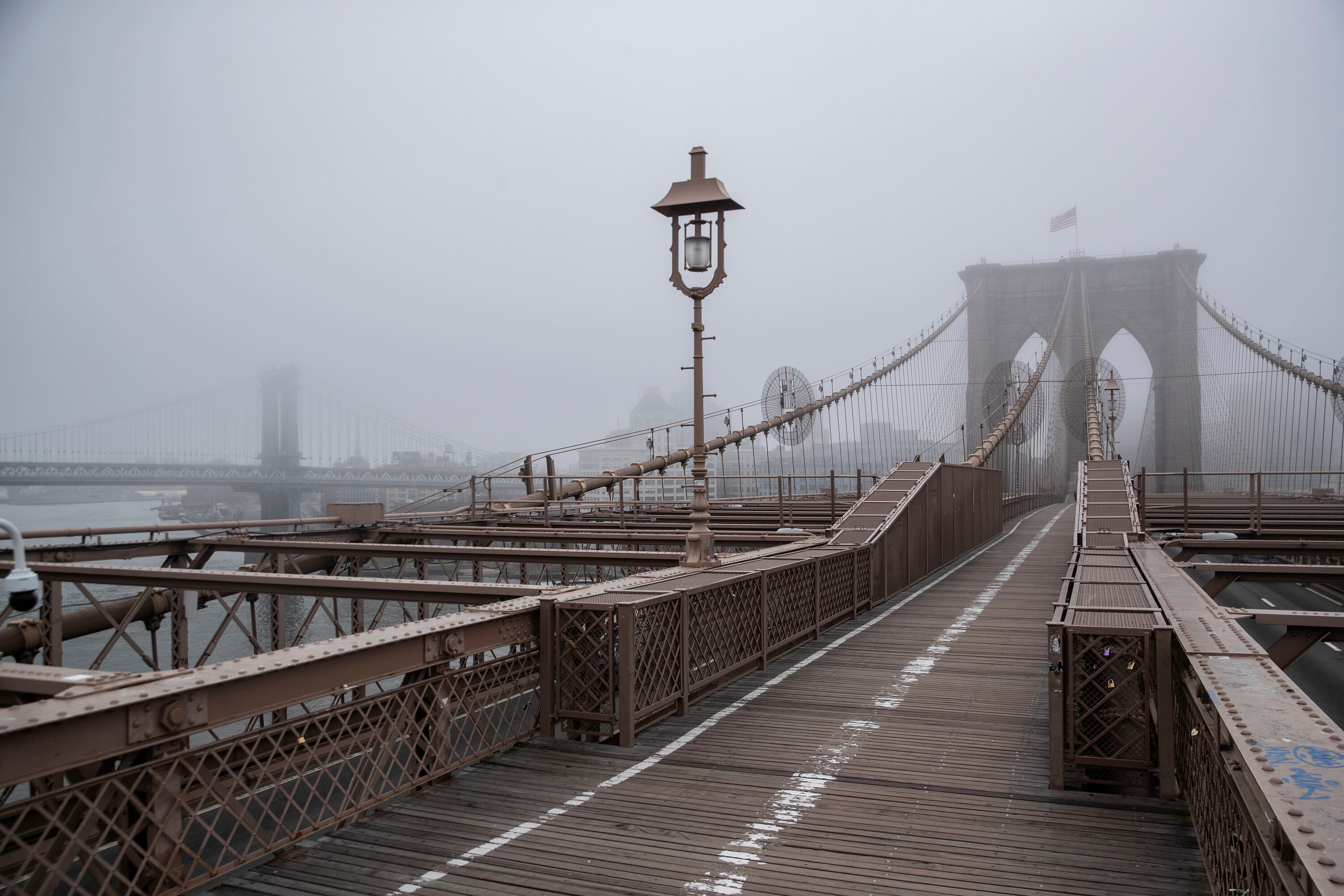
New York is joining California in seriously altering daily operations after Governor Andrew Cuomo announced he will sign an executive order mandating that 100 percent of the non-essential workforce stay home. The order will go into effect Sunday night.