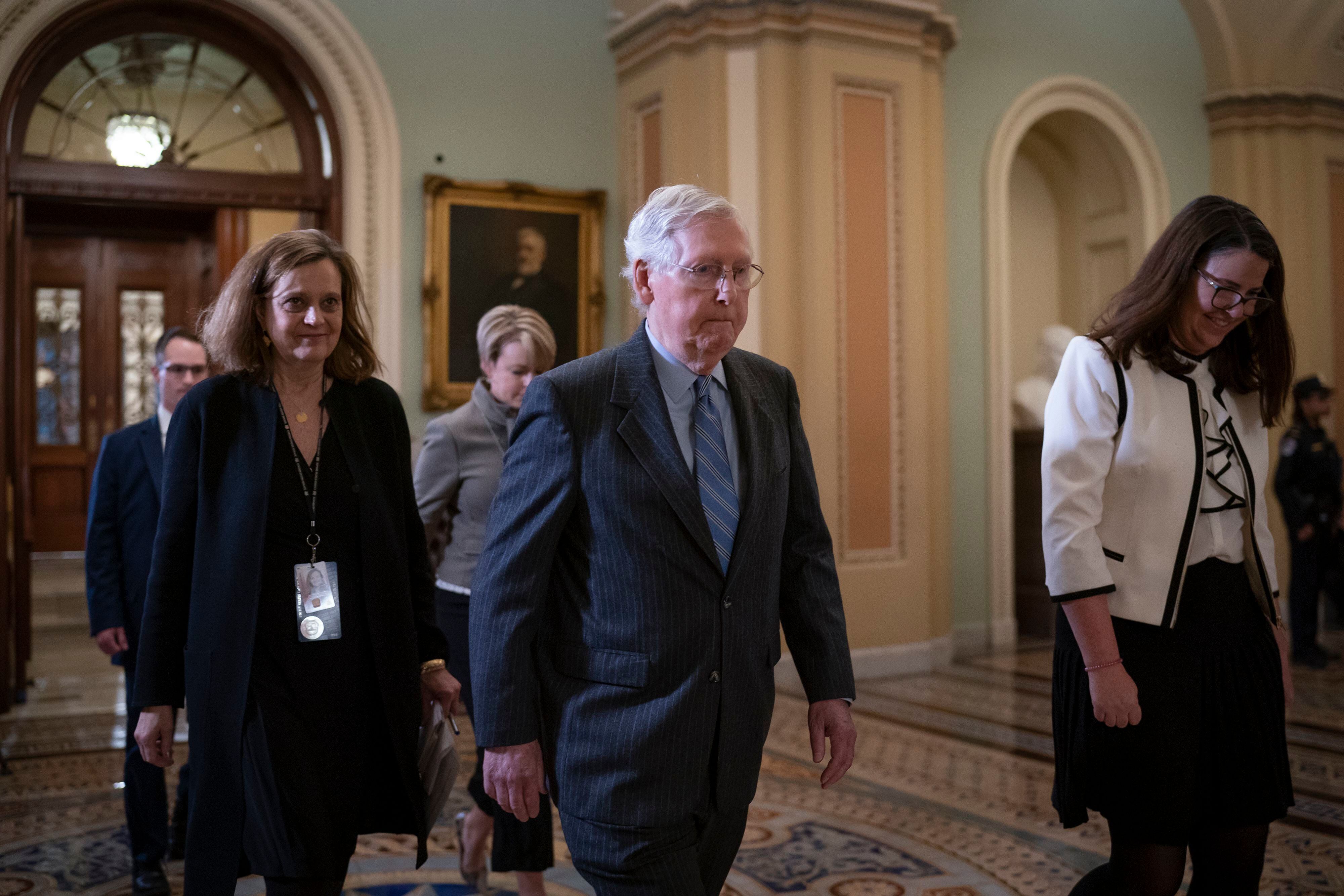
After voting to block witnesses, the Senate voted Friday to approve a resolution setting the final day of the president’s impeachment trial — and his likely acquittal — for Wednesday, after both the Iowa Caucuses and President Donald Trump's State of the Union address.
Senators debated on how to move forward during a recess after the witness vote’s conclusion. After nearly 90 minutes, it appeared that Senate leaders Mitch McConnell and Chuck Schumer had reached a deal that would pause the trial until Monday and provide each senator with 10 minutes to explain his or her decision on the president’s conviction or acquittal. The Senate voted on the organizing resolution and Democrats brought four amendments to the floor — all of which were defeated.
Chief Justice John Roberts answered a question from Schumer on whether he would cast a tie-breaking vote. Roberts said it would be “inappropriate for me” to break a 50-50 tie.
One of the amendments brought to the Senate floor tonight on impeachment rules would have required Roberts to rule on motions for evidence.
Sen. Roy Blunt (R-Mo.) had previously told reporters the expectation moving forward would not include closed deliberations. "I'm opposed to it and I believe we will not have any closed sessions," he said. The plan voted on did not include such a provision.
The new resolution provided a timetable for the end of the third impeachment trial of a sitting U.S. president. The Senate will recess for the weekend until Monday at 11 a.m. Then House Managers and the defense counsel will each have two hours to make closing arguments. Senators will be allowed to give floor speeches for parts of Monday, Tuesday, and Wednesday. The vote would be scheduled for 4 pm Wednesday.
Sen. Tim Scott (R-S.C.) said, upon leaving the GOP meeting, that "the process is important, so having the Democrats buy into this final arrangement, I think is more important than just shoving it down their throats because sooner or later the shoe will be on this foot."
Senators will vote on two articles of impeachment: abuse of power and obstruction of Congress related to allegations President Trump pressured Ukraine to announce investigations into his political rival, former Vice President Joe Biden, and his son Hunter by withholding nearly $400 million in security aid.
Democrats had been pushing to hear from new witnesses since the trial began nearly two weeks ago, especially after John Bolton, the former national security advisor, said he would testify and new evidence was reported by the New York Times indicated Bolton's unpublished manuscript contained details in which the president told advisors to withhold aid to Ukraine as early as last spring. Only two Republicans — Senators Mitt Romney (R-Utah) and Susan Collins (R-Maine) — voted with the Democrats.
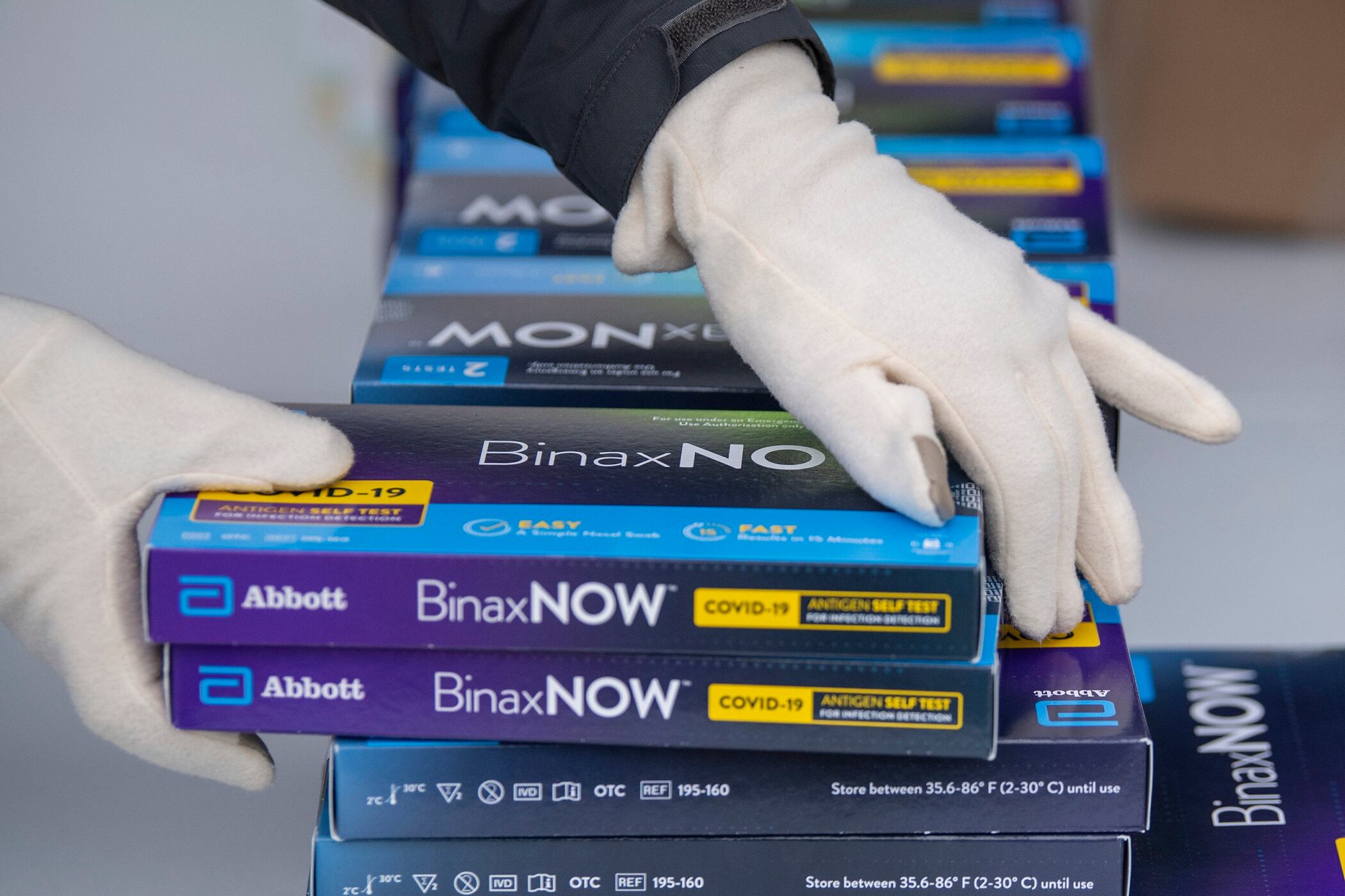
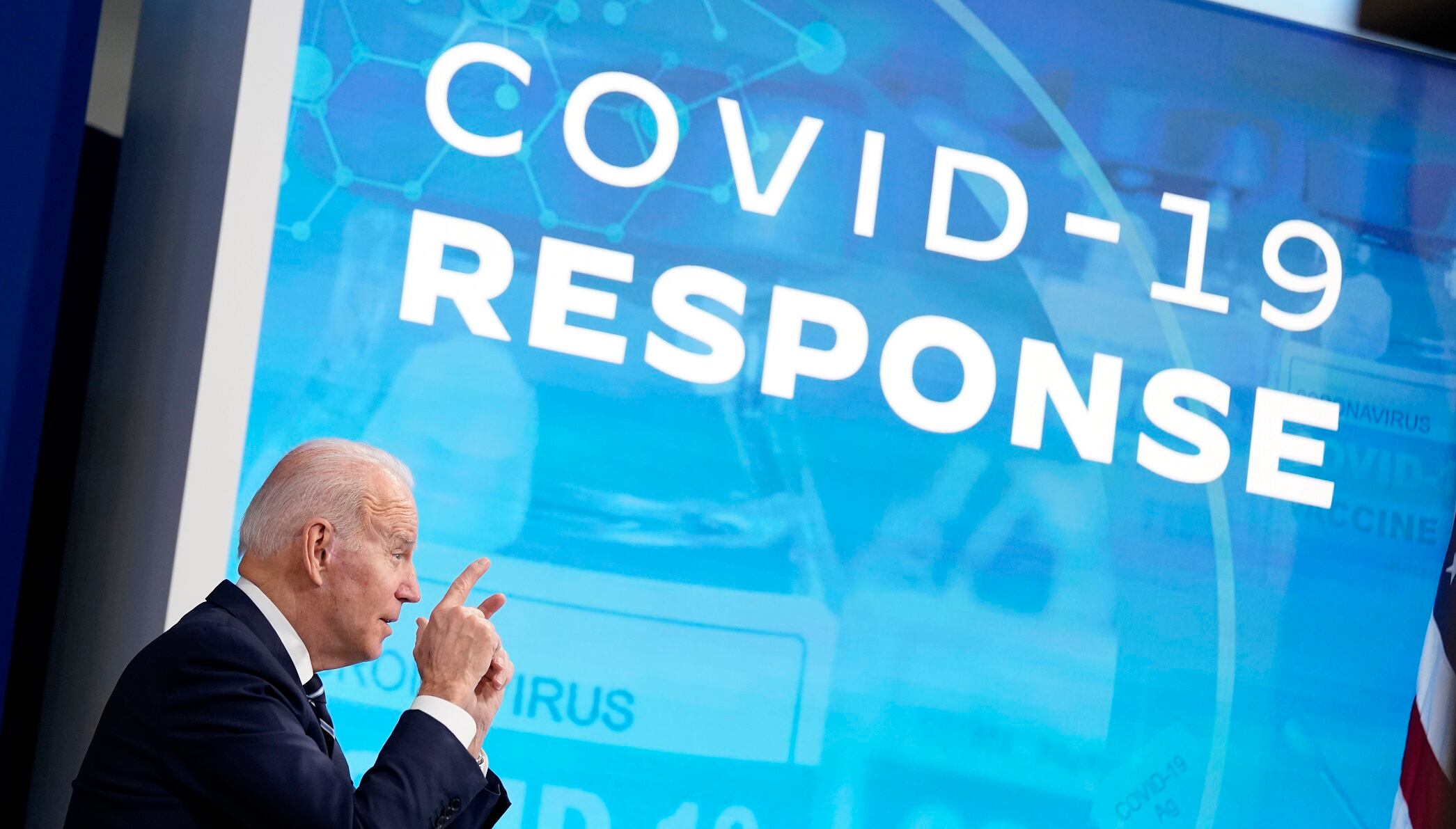
The Biden administration on Tuesday quietly launched its website for Americans to request free at-home COVID-19 tests, a day before the site was scheduled to officially launch.
Just 27% of voters aged 18-29 approve of the job Biden is doing as president, according to a survey from The Economist and YouGov late last year. Santiago Mayer, executive director of Voters of Tomorrow, joins Cheddar Politics to discuss why President Biden is losing support among young voters.
Jesse Lehrich, co-founder of Accountable Tech, joins Cheddar News to discuss it being one year since Trump was exiled from social media and the former President's new platform 'Truth Social.'
Cliff Albright, co-founder of the group Black Voters Matter, joins Cheddar Politics to discuss why he boycotted President Biden's voting rights speech this week, and the push from Senate Democrats to debate and vote on the Freedom to Vote Act and the John Lewis Voting Rights Advancement Act.
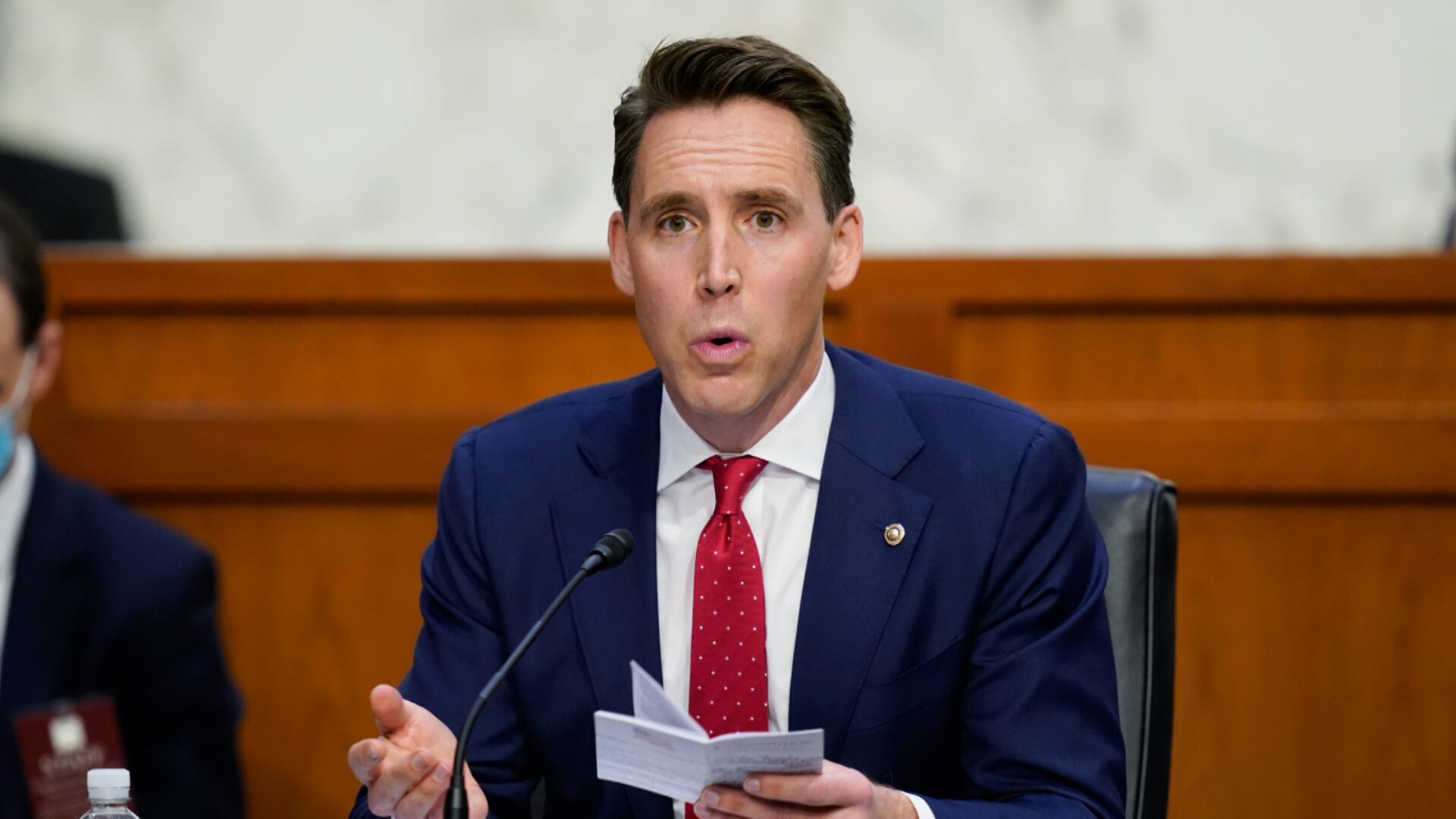
Senator Jon Ossoff (D-Ga.) has teamed up with fellow Democratic senator and former astronaut Mark Kelly to introduce the Ban Congressional Stock Trading Act, a bill to essentially end stock trading by sitting lawmakers. From the other side of the aisle, Senator Josh Hawley (R-Mo.) introduced his own legislation to enact something similar. The dueling bills come at a time when it's popular to constrain members of Congress from owning and trading stocks. Karl Evers-Hillstrom, a business and lobbying reporter at The Hill, spoke to Cheddar about the significance of the bills, and what they could mean for lawmakers, their families, and staffers moving forward.
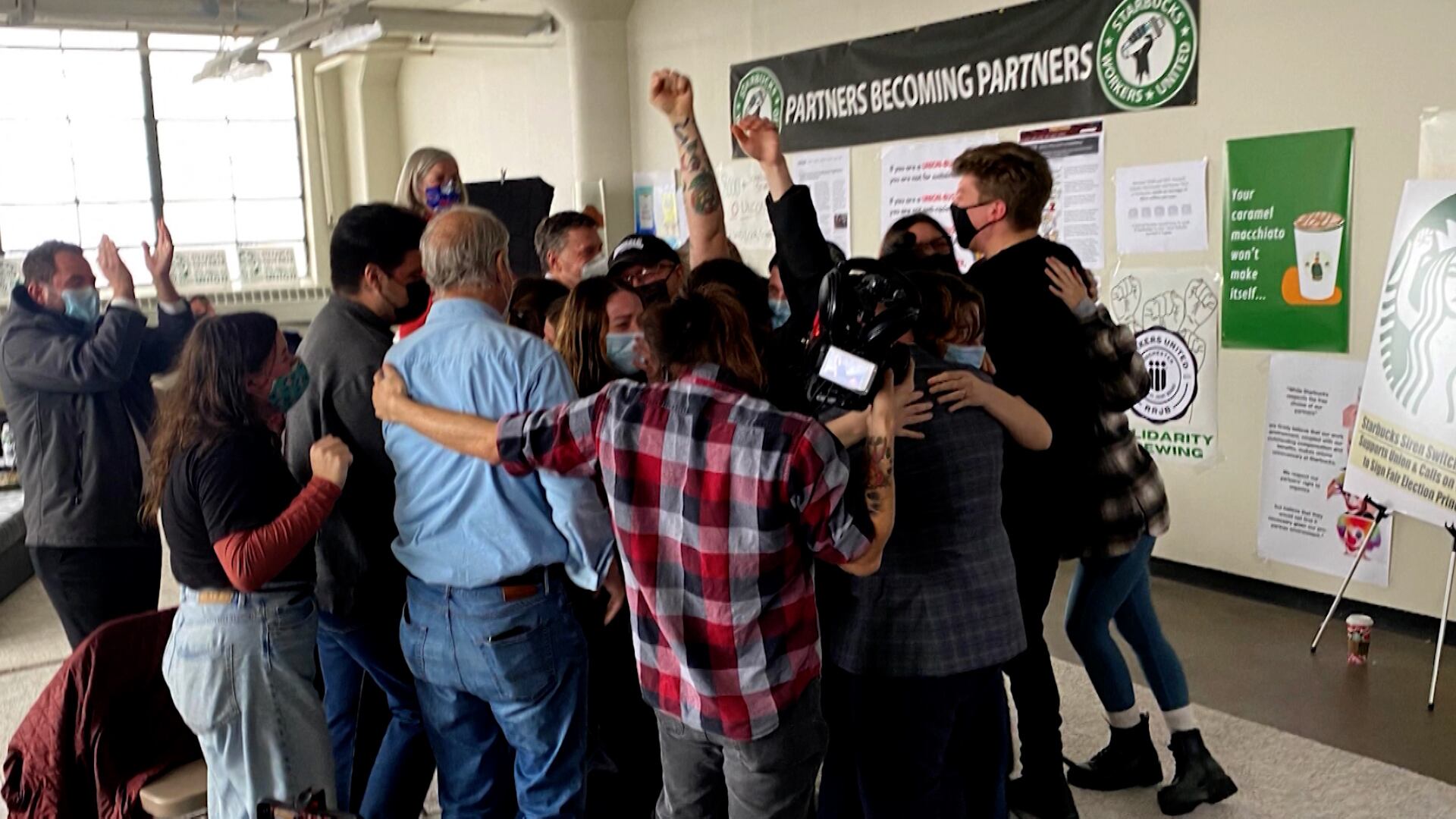
A second Starbucks location in the U.S. has officially voted to unionize. On Monday, the National Labor Relations Board announced workers at the Starbucks store located in the Buffalo, NY suburb of Cheektowaga voted 15-9 in favor of being represented by Workers United, an affiliate of the Service Employees International Union. The New York Times reports votes were tallied in December but remained inconclusive as the union challenged the ballots of several employees it said did not work at the store. A Starbucks spokesperson has said that it may appeal the labor board's decision, which comes as several other Starbucks stores across the country are also pushing to form a union. Danka Dragic, shift supervisor for the second Starbucks store in the country to unionize, joined Cheddar News' Closing Bell to discuss.