Daymond John's Investments Need to "Resonate" With Him
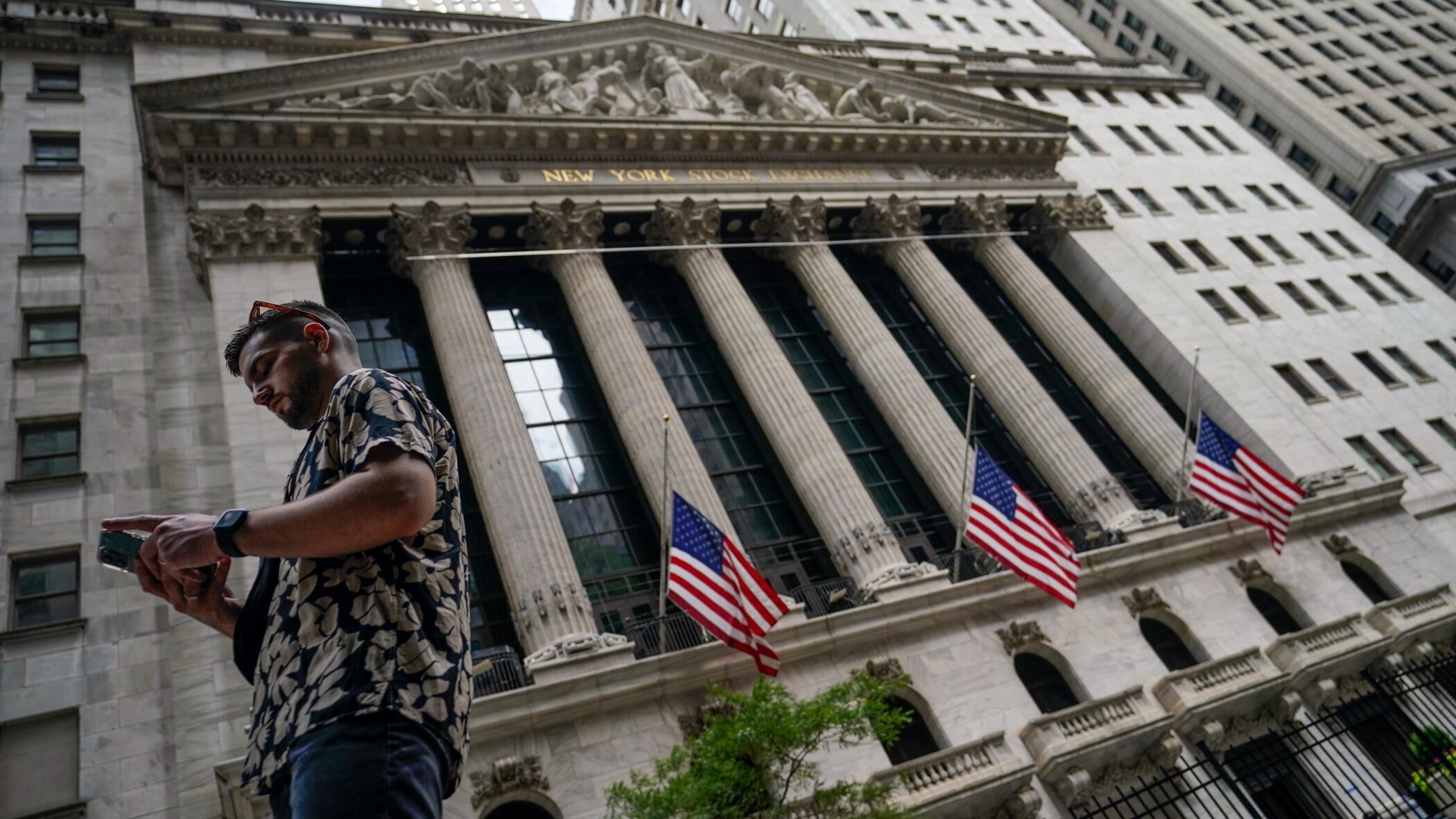
Shark Tank's Daymond John visits the NYSE for the 94th annual tree lighting. He stops by Cheddar to discuss his favorite deals from the year and the best business advice he's ever received.
John says that when an entrepreneur pitches on Shark Tank, he looks for someone who would work on their idea and company without being paid. He values passion and determination and uses that as an indicator of success.
"They tell us about all the mistakes they made, they have a passion about it," he tells Cheddar. "I feel like the train is gonna leave whether I'm on it or not. They know their customer very well, so they're not using my money as tuition....and I have to like the person."
John looked back on some of his Shark Tank deals. He explains his decision behind his deal with Moziah Bridges of Mo's Bows. Initially, Moziah pitched the Sharks on $50,000 in exchange for 20%. John came back and told him not to take any money, and instead to accept his offer of mentorship.
John explained to Cheddar that he received a similar offer when he was starting his clothing company, FUBU, and it proved to be incredibly helpful and lucrative.
If you're shopping on Amazon and want to save even more money after Prime Day, Cheddar News has got you covered. Senior reporter Michelle Castillo talked to the experts at the company to find out how you can keep an eye on deals and even get cash back on your household purchases.
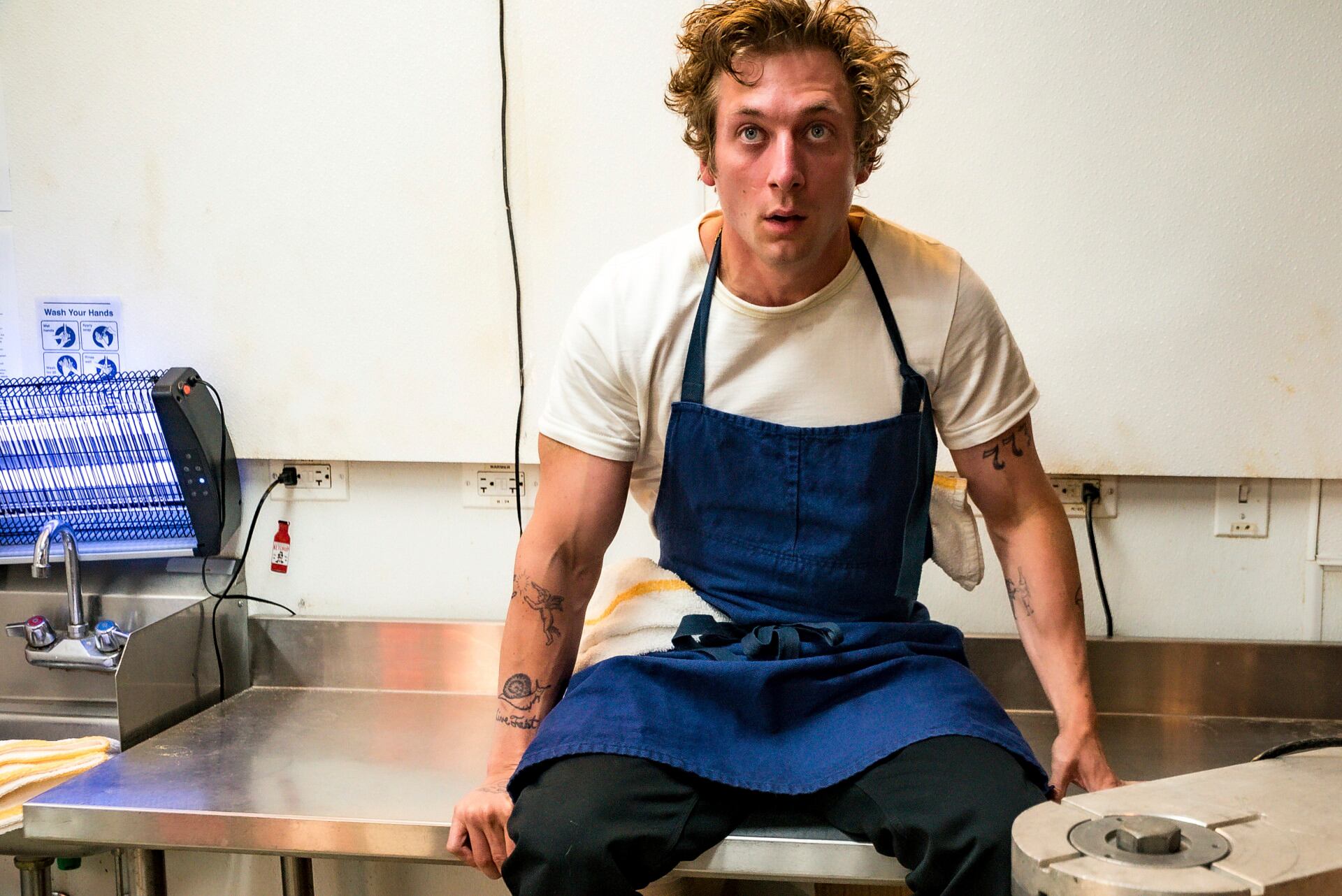
Did you happen to watch the series The Bear? The show follows a struggling small business owner in Chicago who is trying to save his business. It's a story a lot of small business owners in the U.S. can relate to. To help out these struggling entrepreneurs, Cheddar News brought on an expert here to help take your company from stressful to successful.
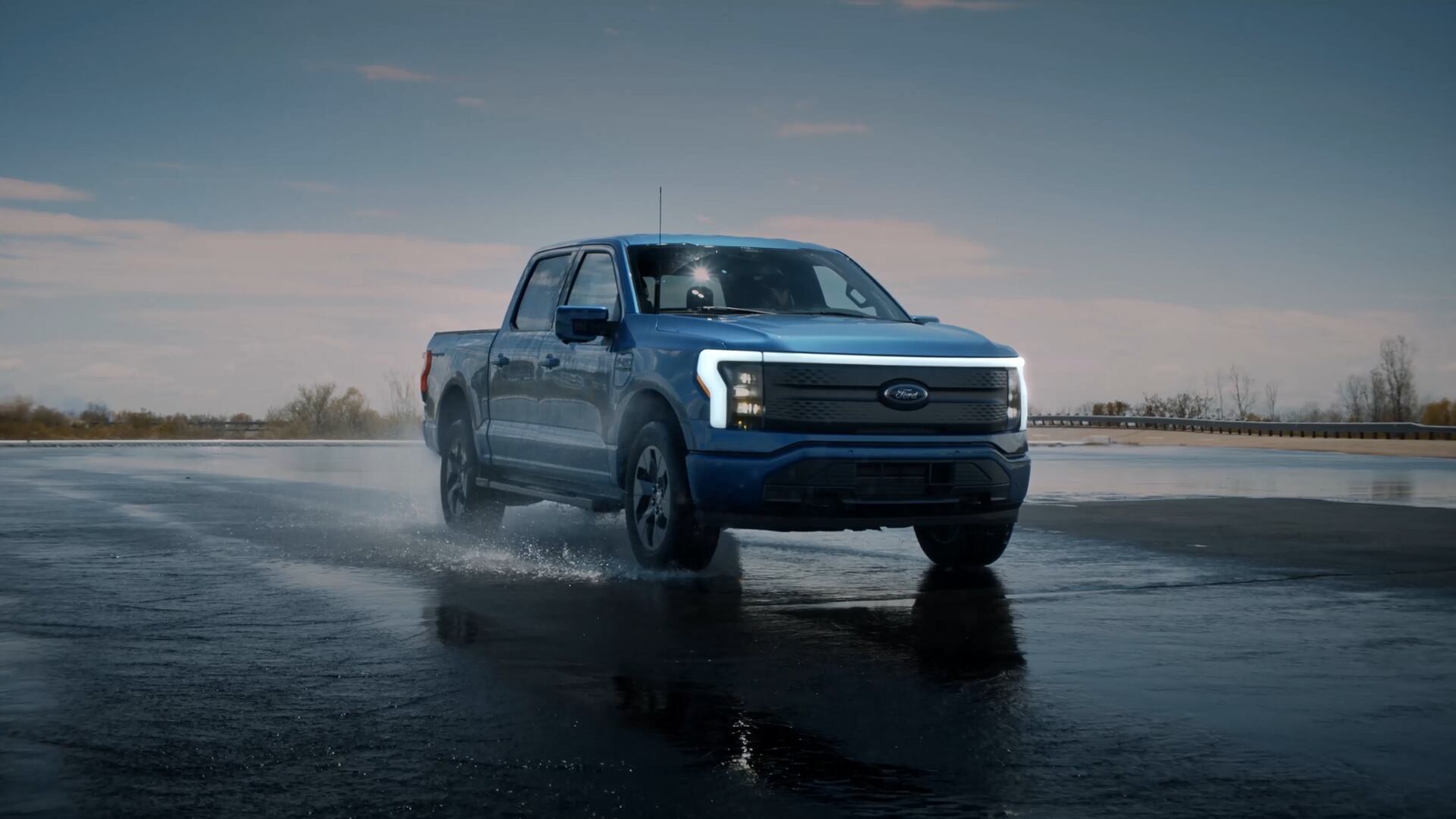
The sticker prices for Ford's F-150 Lightning electric pickup trucks are being lowered by thousands of dollars across the board, the company said Monday, due to increased plant capacity, falling costs for battery raw materials and internal efforts to scale production by the Detroit automaker.
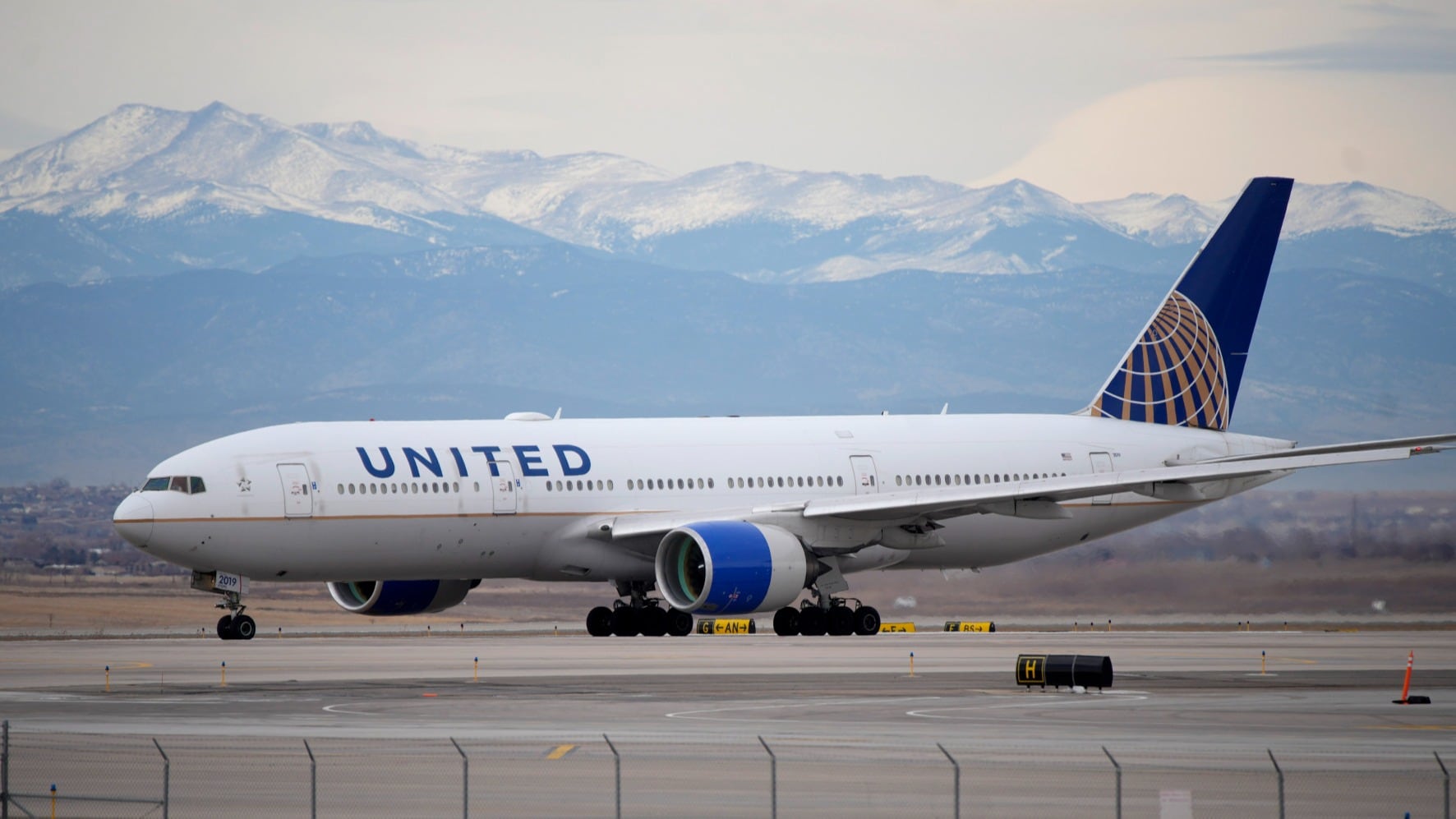
United Airlines and the union representing its pilots said Saturday they reached agreement on a contract that will raise pilot pay by up to 40% over four years.
The court’s ruling applies to higher education institutions and other entities that receive federal funding and doesn’t directly change private employer obligations, but business leaders might pull back diversity, equity and inclusion programs to avoid lawsuits.