Would you volunteer to be deliberately infected with COVID-19? It's a question some people are seriously considering. In an effort to speed up the development of a vaccine, 1 Day Sooner is asking volunteers to sign up for human challenge trials that will expose them to the virus in an effort to study the disease and develop a cure.
Josh Morrison, the co-founder of 1 Day Sooner, told Cheddar Wednesday that these human challenges have been used to study other diseases in the past, including malaria, typhoid, and cholera.
"The drug Tamiflu, for example, was developed with challenge trials, as well as the malaria vaccine RTS,S that's being deployed in Africa right now," he said. "You can find out much more quickly whether a vaccine might work, than a traditional trial which might have thousands or even tens of thousands of volunteers."
The National Institutes of Health and the World Health Organization have shown interest in the human challenge trials, according to Morrison. The WHO recently published an ethics report to which the 1 Day Sooner team offered suggestions, though they were not accepted for the publication.
Morrison said that there has been growing interest in the trials, adding, "It's not universal acclaim or an immediate 'we need challenge trials right away from every possible corner,' but the message today is immensely different, immensely more positive than what the public message was a month ago."
He acknowledged that the risk of injecting people with COVID-19 could be deadly, but he said he believes that the potential value of finding a vaccine from these challenges is worth it.
"If you look at the risks of getting COVID-19 for the young, healthy group that would participate in challenge trials, they're roughly on a par with childbirth or with kidney donation. So, again, significant risk and we're not understating that, but these are risks that we commonly allow people to accept normally, and given the tremendous possible value we think it's worth accepting them in this case," the 1 Day Sooner co-founder said.
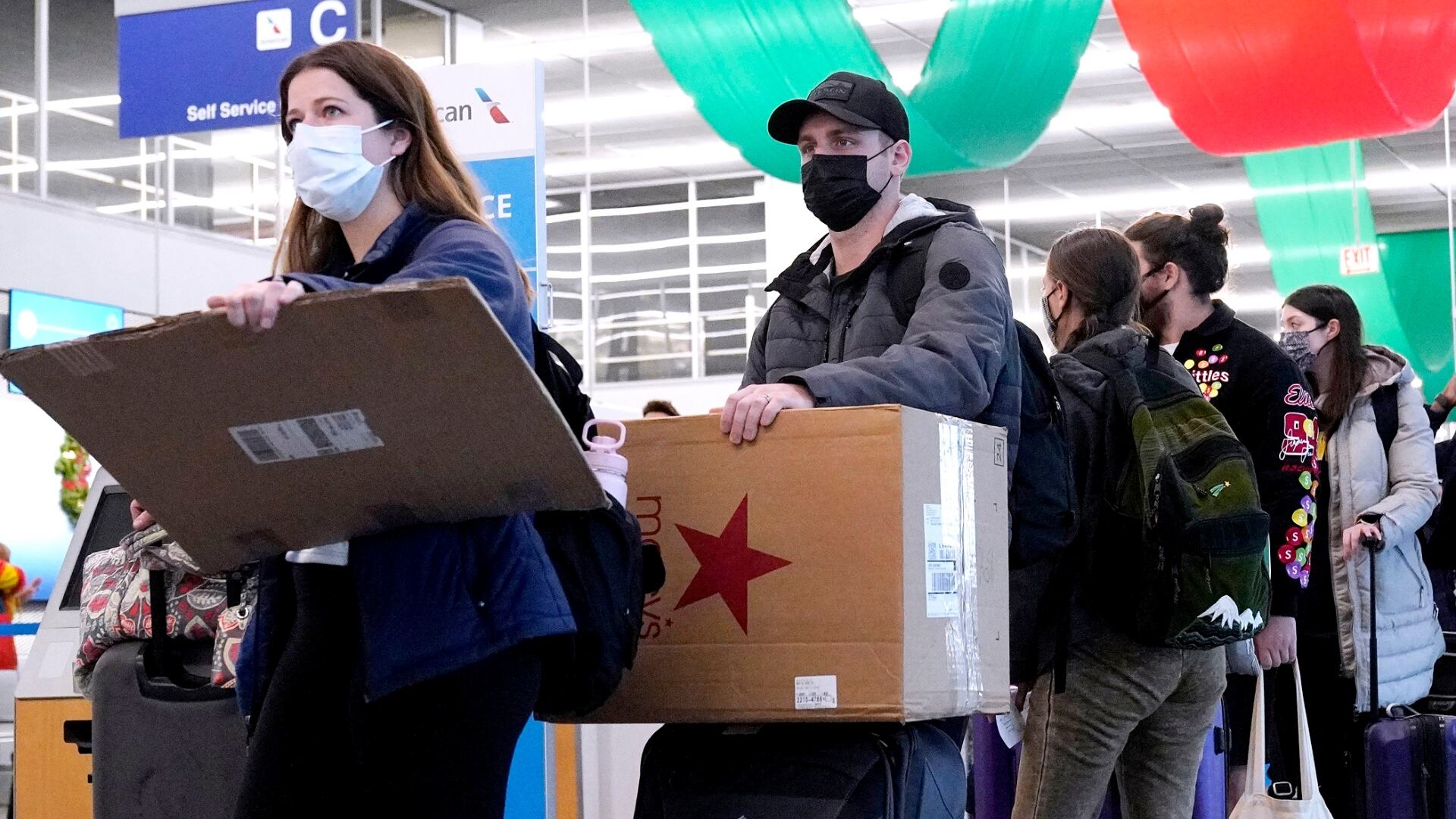
After a nationwide mask mandate for travel was struck down by a federal judge, Dr. Sampson Davis, an ER physician and bestselling author, joined Cheddar News to talk about the ramifications. "We are at a place where we are going to have to wait and see, unfortunately," he said. "The good news is that we're coming off a celebration of spring break, Easter, Passover, and we'll see what happens. But right now I'm not seeing a spike and people come into the hospital are truly sick. However, I'm still seeing people test positive for COVID."
Apple has revealed that the tech giant is working more on going green, reporting the use of more recycled materials than ever before. It's setting sustainability goals, aiming to cut emissions by 75 percent in the next 10 years and eventually ending the use of plastic in packaging.
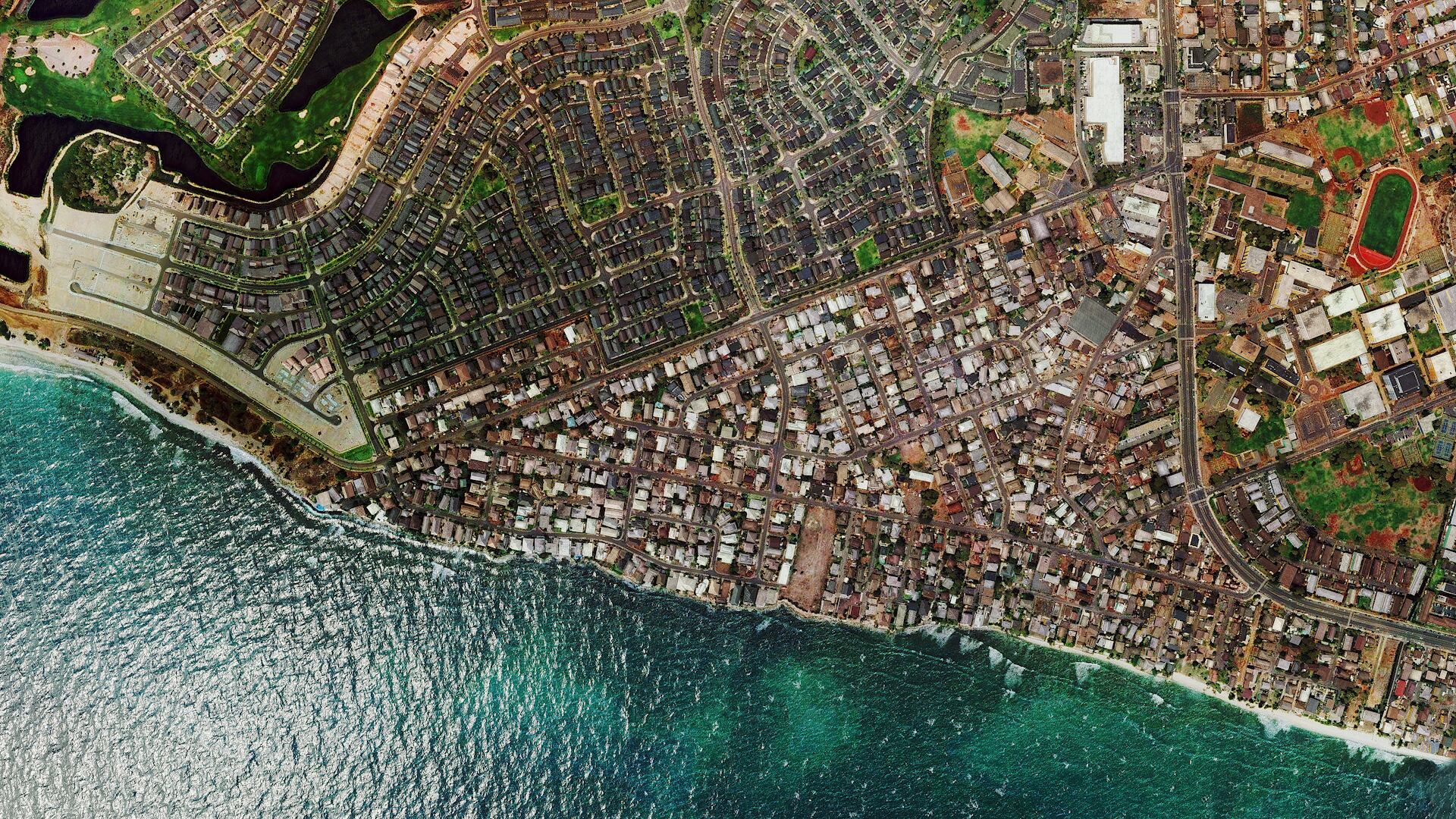
Will Marshall, CEO, Planet, joins Cheddar Reveals to discuss Planet's influence and innovation from agriculture to sustainability using geospatial insights from their constellation of over 200 satellites.
Thomas Zurbuchen, Associate Administrator, NASA Science, joins Cheddar Reveals to break down the future of space exploration and how NASA is innovating this year and into the next decade.
Catching you up on what you need to know on April 19, 2022, with a federal judge voiding mask mandates on public transportation, updates from the Russia and Ukraine war, Mac Miller’s drug dealer sentenced for involvement in the rapper's death, and more.
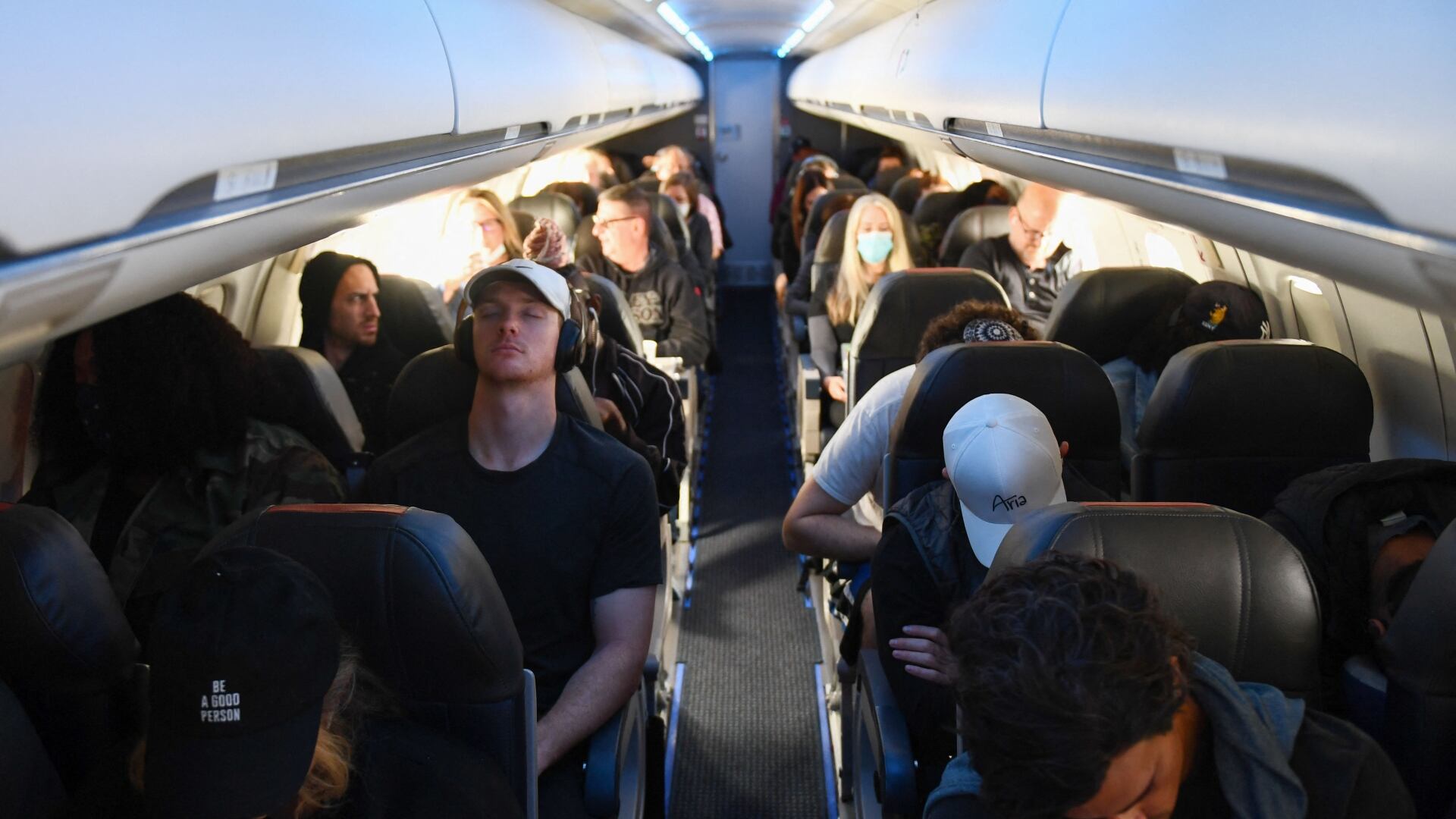
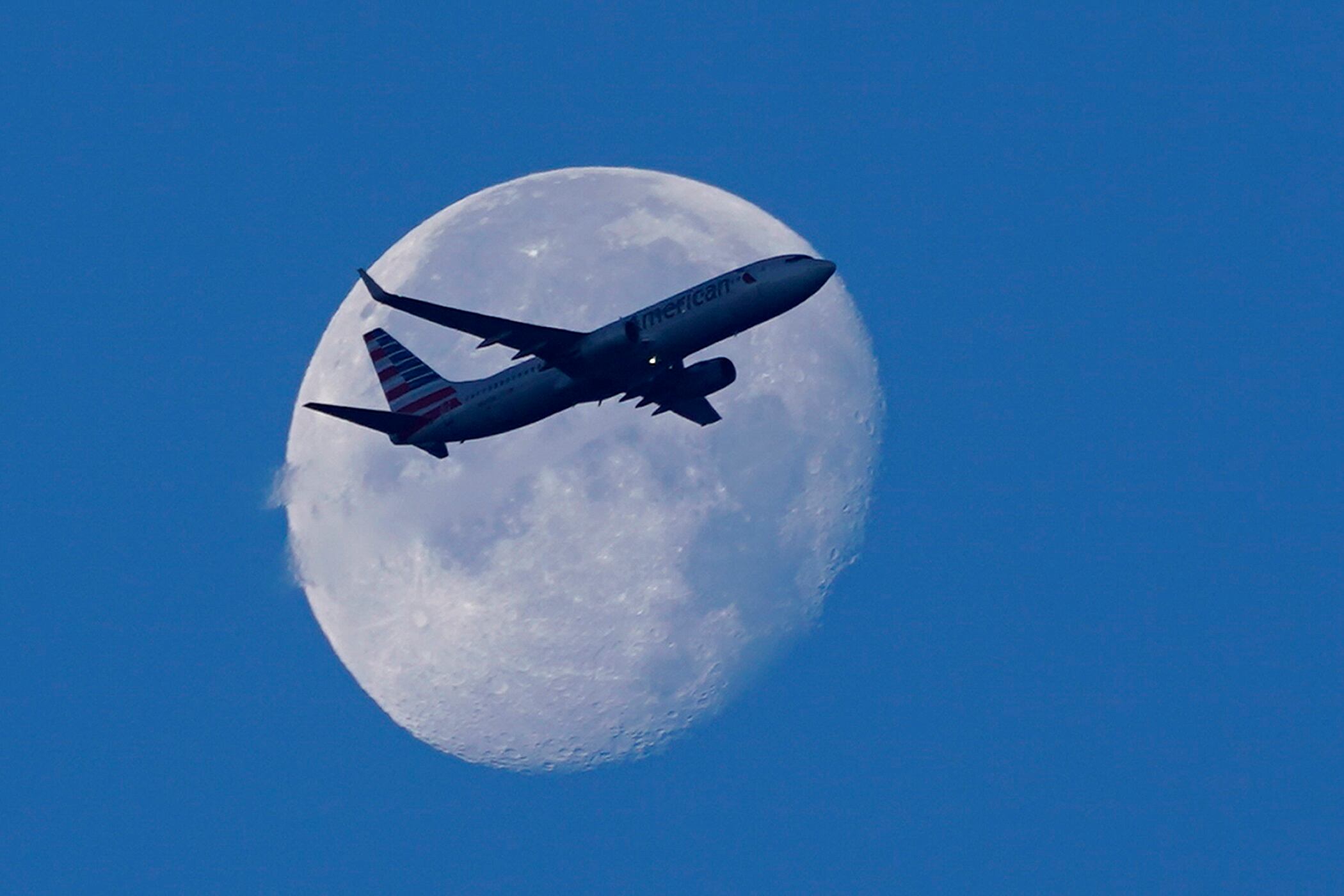
A federal judge’s decision to strike down a national mask mandate was met with cheers on some airplanes but also concern about whether it’s really time to end the order sparked by the COVID-19 pandemic.
A new Axios-Ipsos poll found that just one in ten people would currently characterize the coronavirus as a serious crisis. The vast majority do believe it's a problem, but a manageable one. It's clear that the public is itching to ditch their masks and various other restrictions. Chris Jackson, senior vice president of Ipsos public affairs, joins Cheddar News.
Between Bells executive producer Conor White recaps some of the biggest stories of the week, and teaches Azia Celestino and Hena Doba a thing or two at the same time. It's This Week In Trivia!
The Food and Drug Administration has issued an emergency use authorization for what it says is the first device that can detect COVID-19 in breath samples.
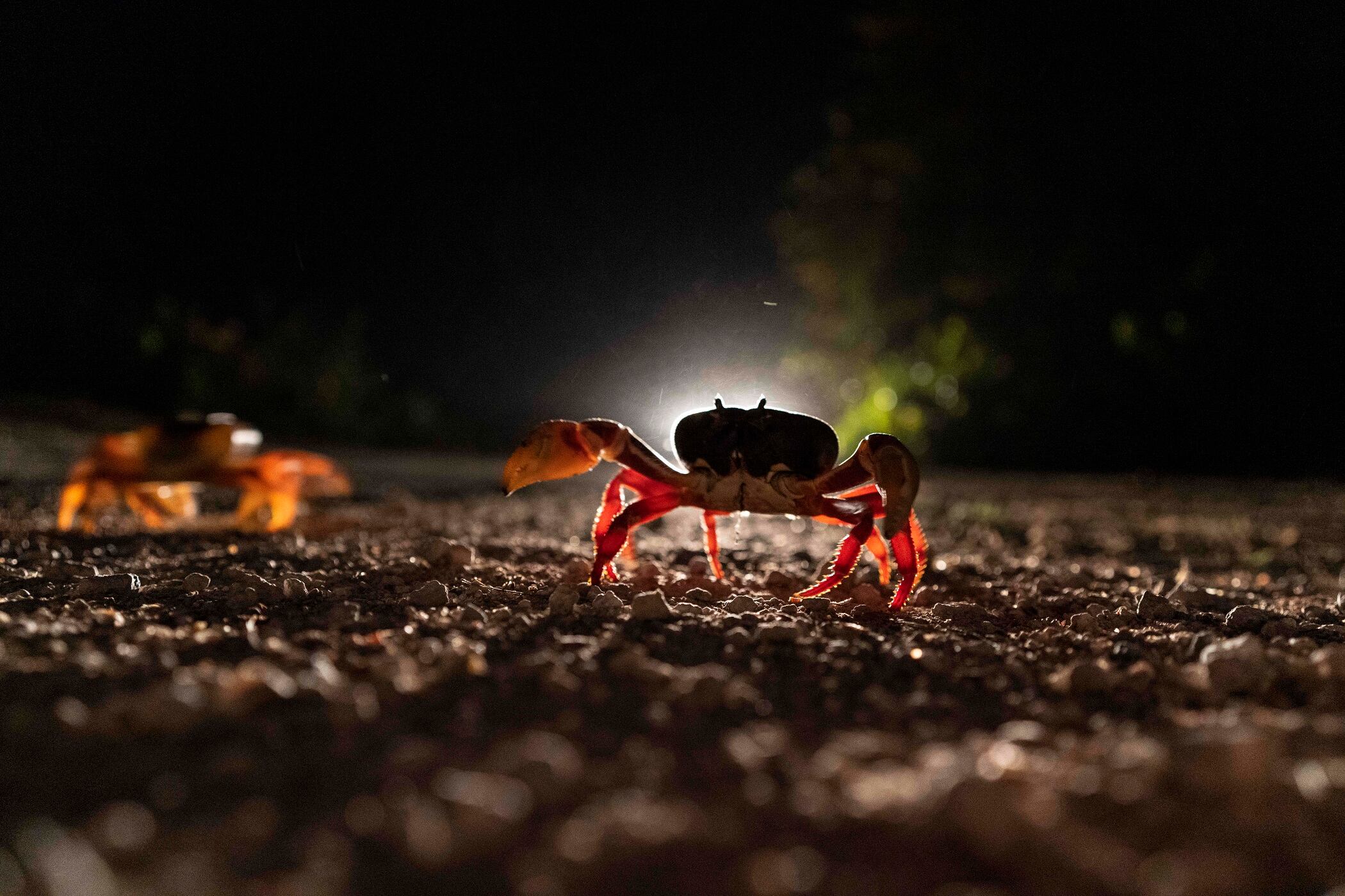
Every year in Cuba, millions of crabs emerge from the forest at the beginning of the spring rains and head for the waters of the Bay of Pigs, crossing streets and highways on a perilous journey to mate and reproduce there.