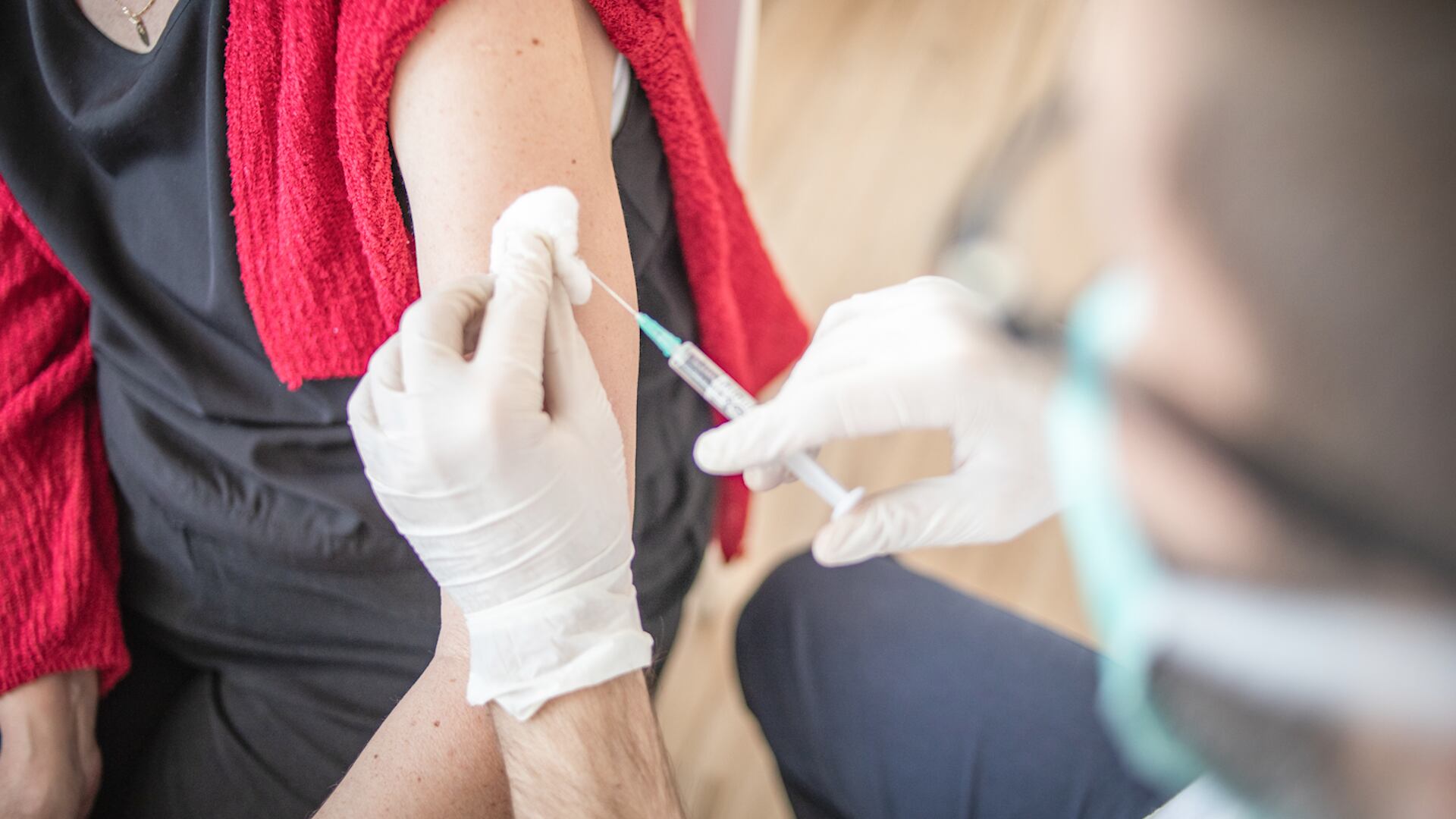
Would you volunteer to be deliberately infected with COVID-19? It's a question some people are seriously considering. In an effort to speed up the development of a vaccine, 1 Day Sooner is asking volunteers to sign up for human challenge trials that will expose them to the virus in an effort to study the disease and develop a cure.
Josh Morrison, the co-founder of 1 Day Sooner, told Cheddar Wednesday that these human challenges have been used to study other diseases in the past, including malaria, typhoid, and cholera.
"The drug Tamiflu, for example, was developed with challenge trials, as well as the malaria vaccine RTS,S that's being deployed in Africa right now," he said. "You can find out much more quickly whether a vaccine might work, than a traditional trial which might have thousands or even tens of thousands of volunteers."
The National Institutes of Health and the World Health Organization have shown interest in the human challenge trials, according to Morrison. The WHO recently published an ethics report to which the 1 Day Sooner team offered suggestions, though they were not accepted for the publication.
Morrison said that there has been growing interest in the trials, adding, "It's not universal acclaim or an immediate 'we need challenge trials right away from every possible corner,' but the message today is immensely different, immensely more positive than what the public message was a month ago."
He acknowledged that the risk of injecting people with COVID-19 could be deadly, but he said he believes that the potential value of finding a vaccine from these challenges is worth it.
"If you look at the risks of getting COVID-19 for the young, healthy group that would participate in challenge trials, they're roughly on a par with childbirth or with kidney donation. So, again, significant risk and we're not understating that, but these are risks that we commonly allow people to accept normally, and given the tremendous possible value we think it's worth accepting them in this case," the 1 Day Sooner co-founder said.
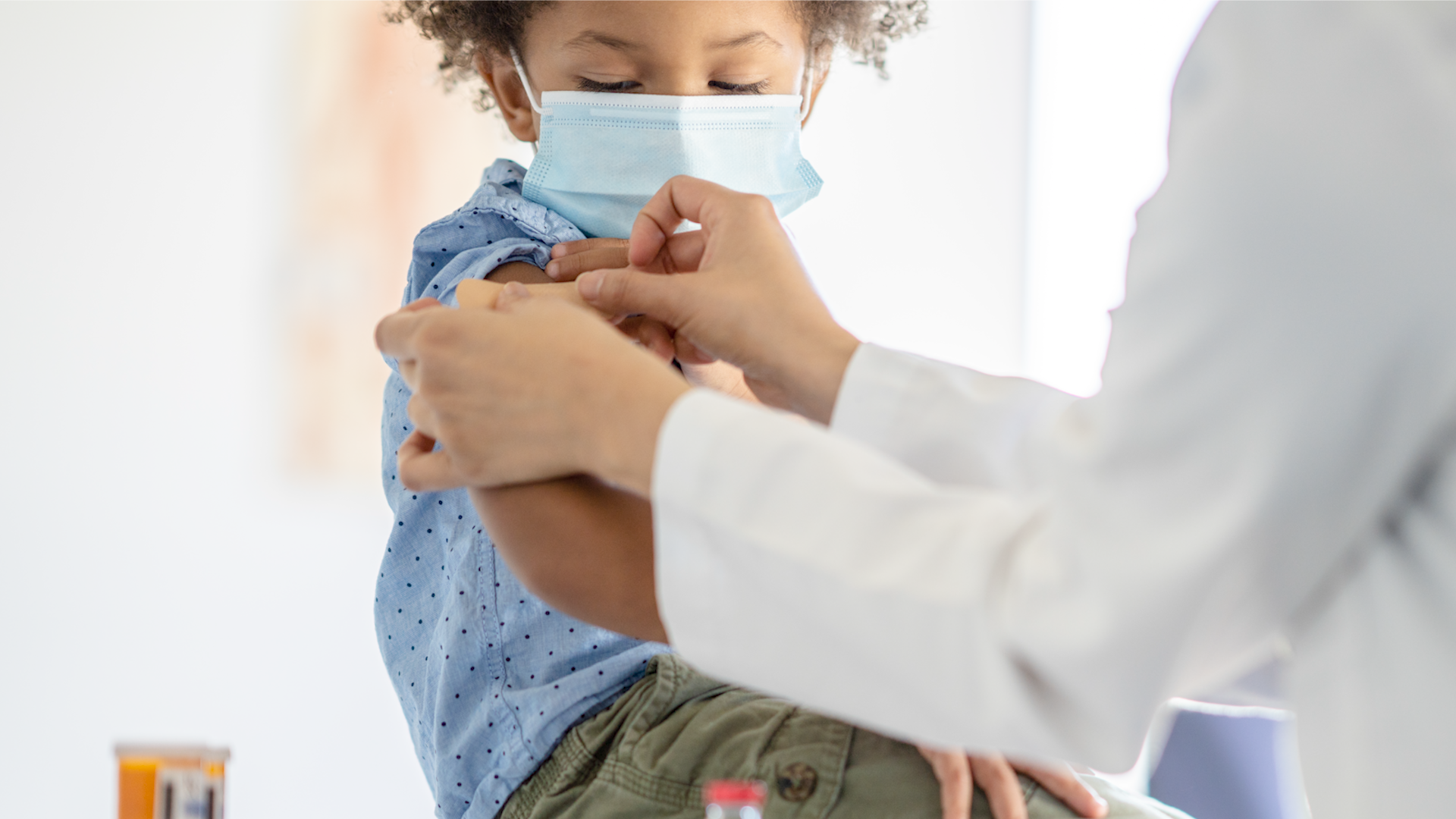
An FDA panel has recommended the low-dose Pfizer vaccine for kids ages five to 11. The recommendation now cues up the FDA to authorize the vaccine. Next week, the CDC will consider its own authorization. Once signed off by the CDC, the Pfizer vaccine can be administered in children immediately. Dr. Christina Johns, Senior Medical Advisor at PM Pediatrics, joined Cheddar's Search for a Cure.
Dr. Vivek Cherin, Internal Medicine Physician at Amita Health, joined Cheddar's Search for a Cure to break down what we need to know about eligibility and availability of COVID-19 vaccine boosters.
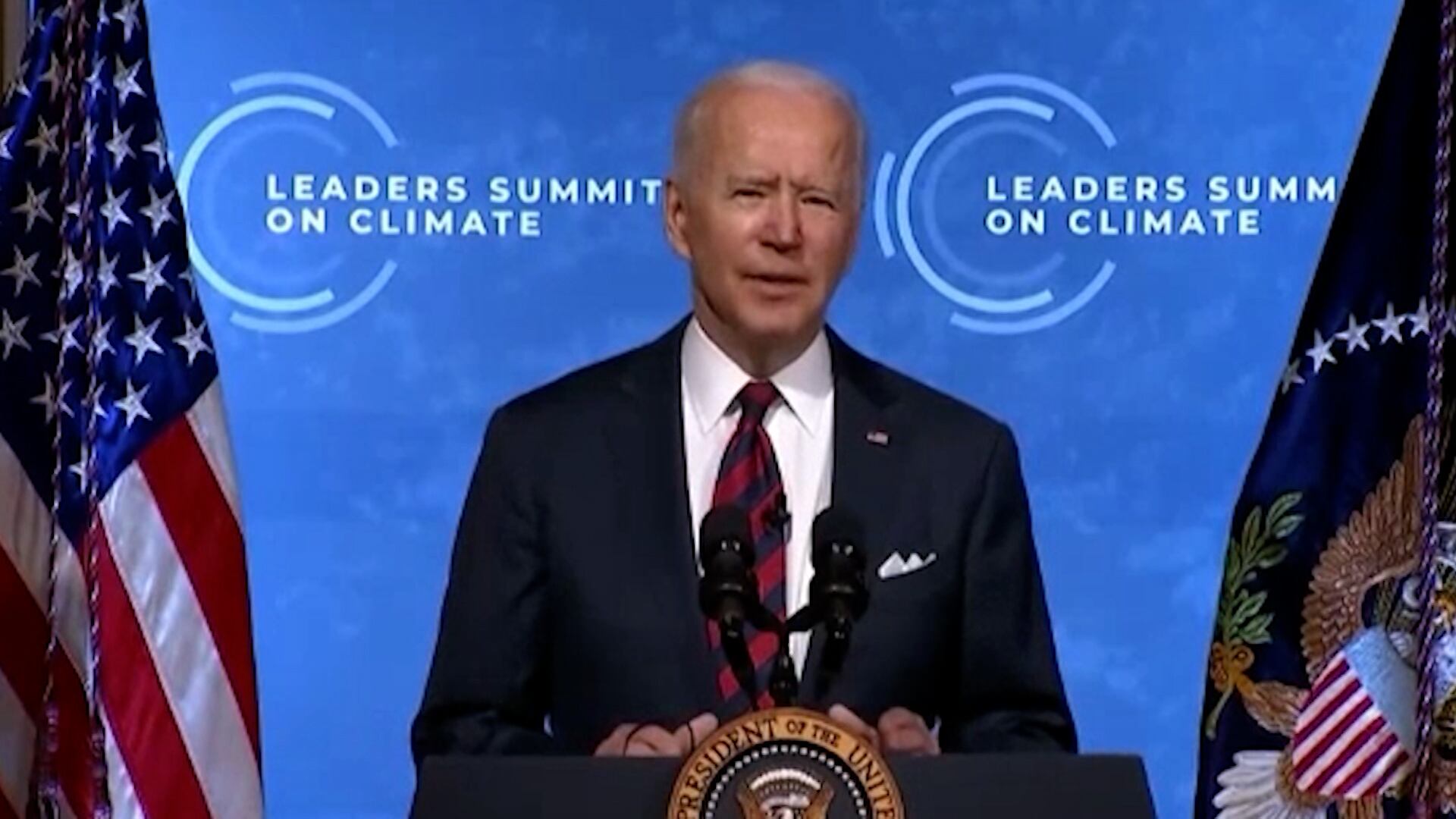
World leaders will converge this weekend at the 2021 G20 Summit in Rome and the UN COP26 conference in Glasgow with the climate crisis on the agenda. Lord Adair Turner, chair of the Energy Transitions Commission, joined Cheddar to discuss what people can expect to come out of the climate-focused conferences. Turner also noted that one of the biggest hurdles for the attending nations will be coming to a uniform decision on expanding on the Paris Climate Accord goals that have become insufficient to prevent global warming by 1.5 degrees celsius.
Nicole Lambert, President at Myriad Genetics joins ChedHER to discuss how to expand access to genetic testing for all women, and how her experience as a 'pre-vivor' motivates her role in the industry.
Carlo and Baker cover Facebook's big rebrand, the latest on Biden's economic agenda and more. Plus, ranking the best Halloween candy and the worst couple's costumes.
Proptech startup Juno recently raised $20 million in a Series A funding round. The company says the funds will be used to further its mission of building sustainable and affordable apartment buildings across the United States. Juno Co-Founder and CEO Jonathan Sherr joined Cheddar News' Closing Bell to discuss.
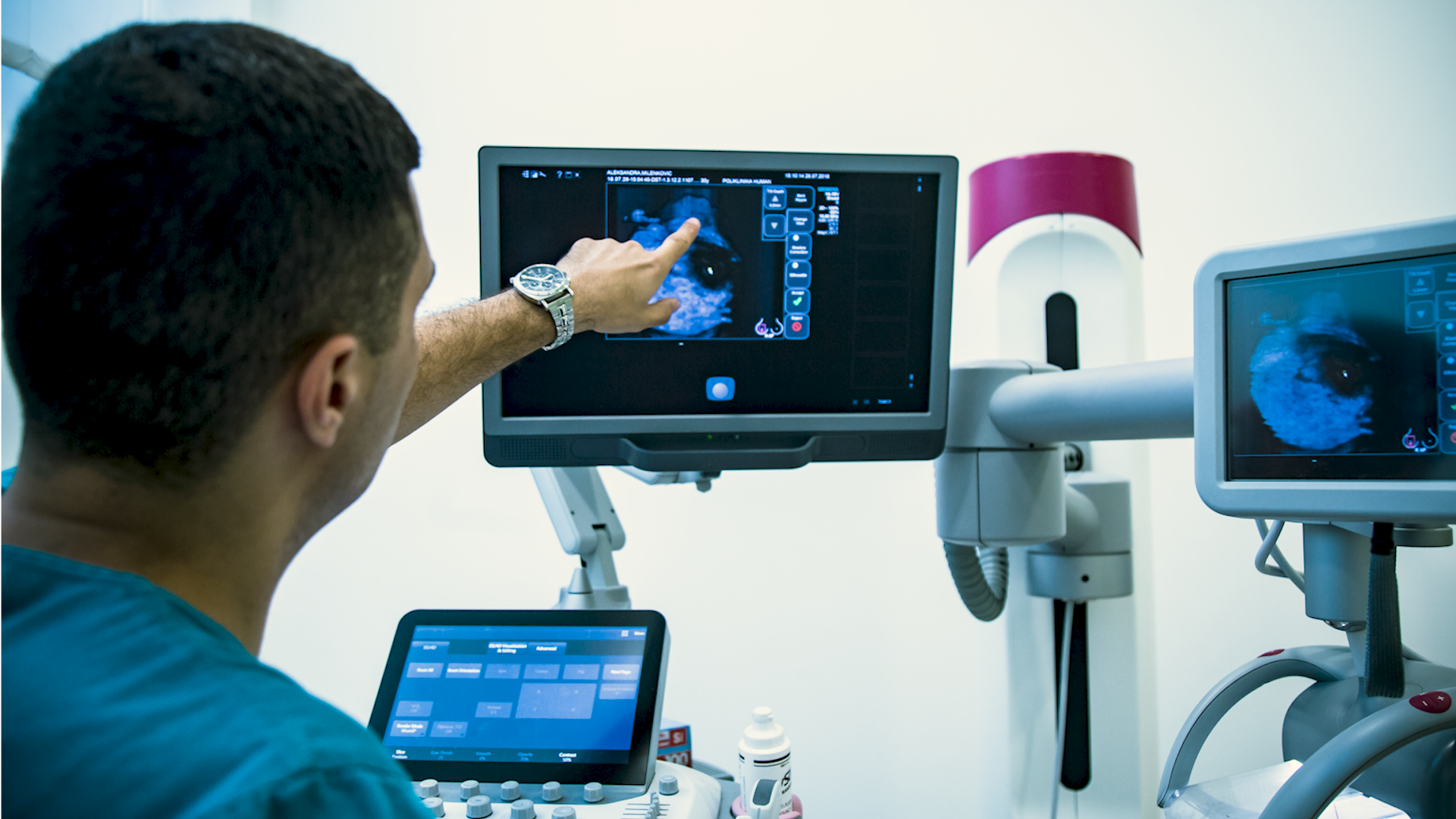
Stacey Stevens, President of iCAD, joins 'Cheddar Innovates' to discuss how 'Profound A.I. Risk' works as a short-term breast cancer risk estimation for women.
On this episode of 'Cheddar Innovates': President of iCAD breaks down how its technology is being used as a short-term breast cancer risk estimation for women; A look at Curiosity Stream's 'The Science of Thrills.'
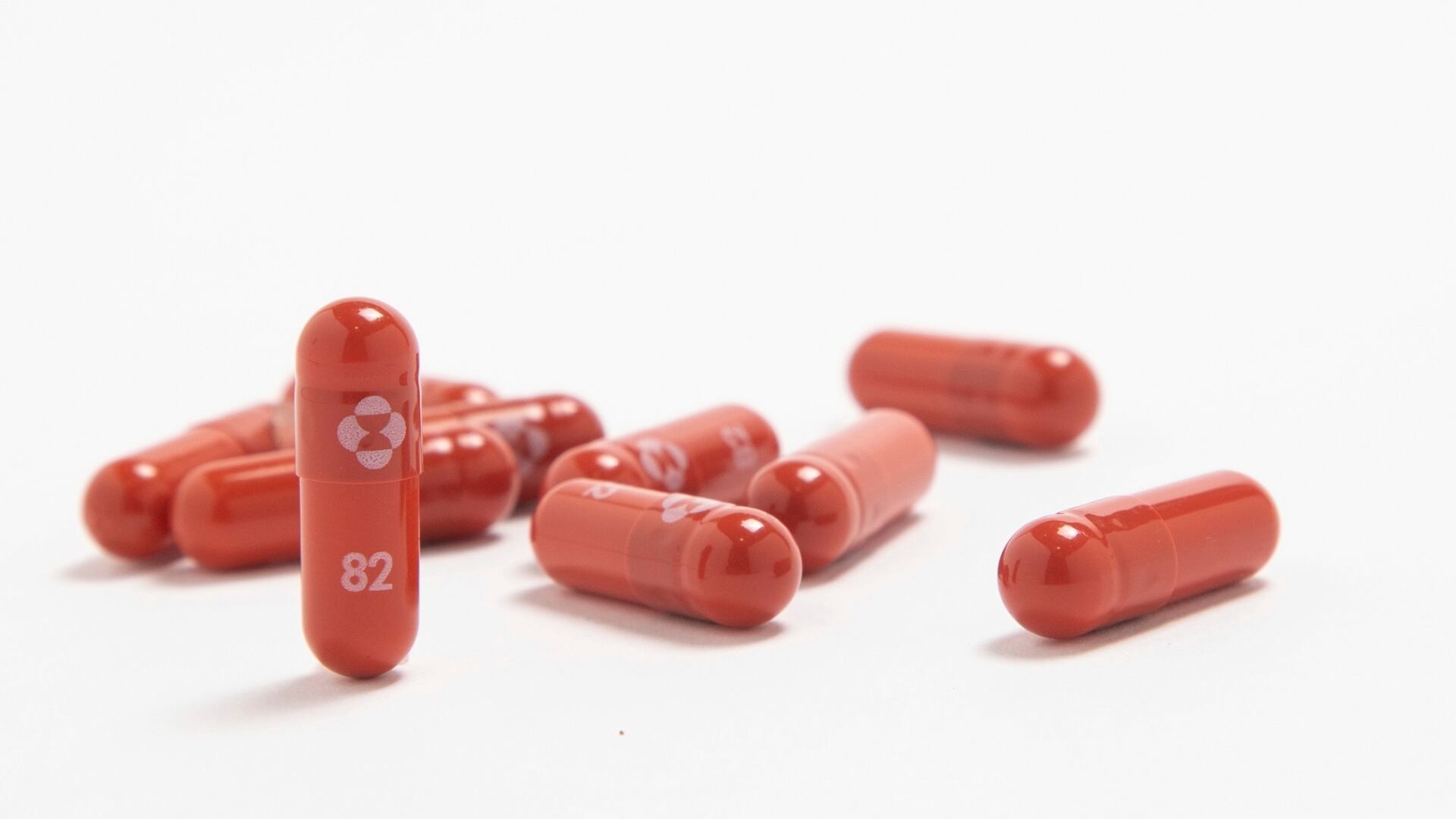
Pharmaceutical company Merck has announced that it will share the formula of its COVID-19 pill with poor countries free of charge. The company still intends to charge wealthier nations leaving the end cost at more than $700 per five-day treatment course.
Dems race for a deal on President Biden's economic agenda ahead of his big foreign trip. What to make of the latest threat assessment in Afghanistan. Plus, the meme cryptocurrency of the moment that's now worth more than many Fortune 500 companies.