Would you volunteer to be deliberately infected with COVID-19? It's a question some people are seriously considering. In an effort to speed up the development of a vaccine, 1 Day Sooner is asking volunteers to sign up for human challenge trials that will expose them to the virus in an effort to study the disease and develop a cure.
Josh Morrison, the co-founder of 1 Day Sooner, told Cheddar Wednesday that these human challenges have been used to study other diseases in the past, including malaria, typhoid, and cholera.
"The drug Tamiflu, for example, was developed with challenge trials, as well as the malaria vaccine RTS,S that's being deployed in Africa right now," he said. "You can find out much more quickly whether a vaccine might work, than a traditional trial which might have thousands or even tens of thousands of volunteers."
The National Institutes of Health and the World Health Organization have shown interest in the human challenge trials, according to Morrison. The WHO recently published an ethics report to which the 1 Day Sooner team offered suggestions, though they were not accepted for the publication.
Morrison said that there has been growing interest in the trials, adding, "It's not universal acclaim or an immediate 'we need challenge trials right away from every possible corner,' but the message today is immensely different, immensely more positive than what the public message was a month ago."
He acknowledged that the risk of injecting people with COVID-19 could be deadly, but he said he believes that the potential value of finding a vaccine from these challenges is worth it.
"If you look at the risks of getting COVID-19 for the young, healthy group that would participate in challenge trials, they're roughly on a par with childbirth or with kidney donation. So, again, significant risk and we're not understating that, but these are risks that we commonly allow people to accept normally, and given the tremendous possible value we think it's worth accepting them in this case," the 1 Day Sooner co-founder said.
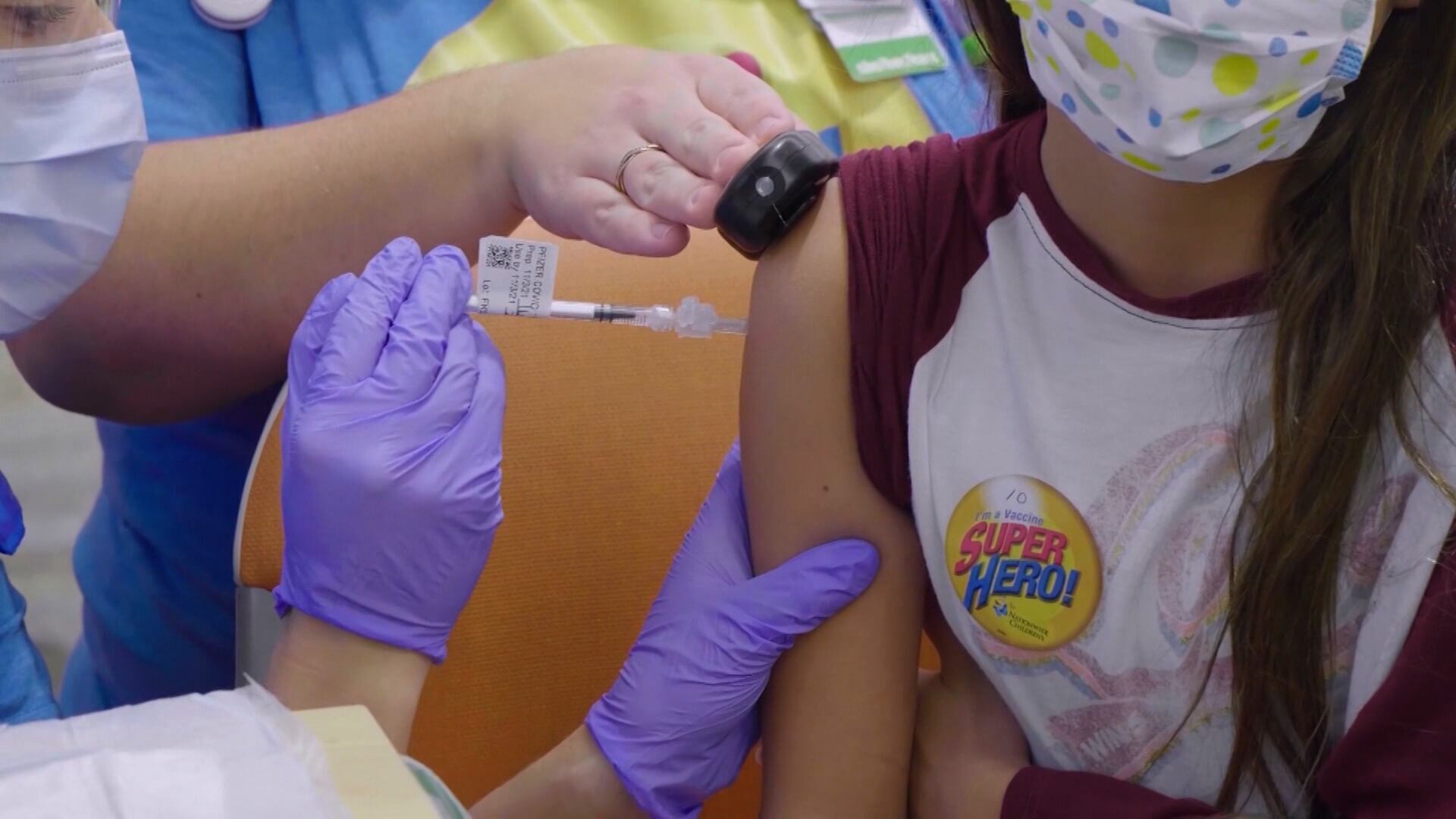
With a rising number of COVID-19 cases due to the omicron variant, the FDA is making big moves. First, Pfizer's COVID-19 booster has been authorized for those ages 12 to 15. The agency also reduced the amount of time to wait between receiving a second vaccine dose and booster from six months to five. Finally, a third primary series dose of Pfizer's shot is approved for immunocompromised children five to 11 years old. Professor Peter Pitts joins Cheddar News to discuss.
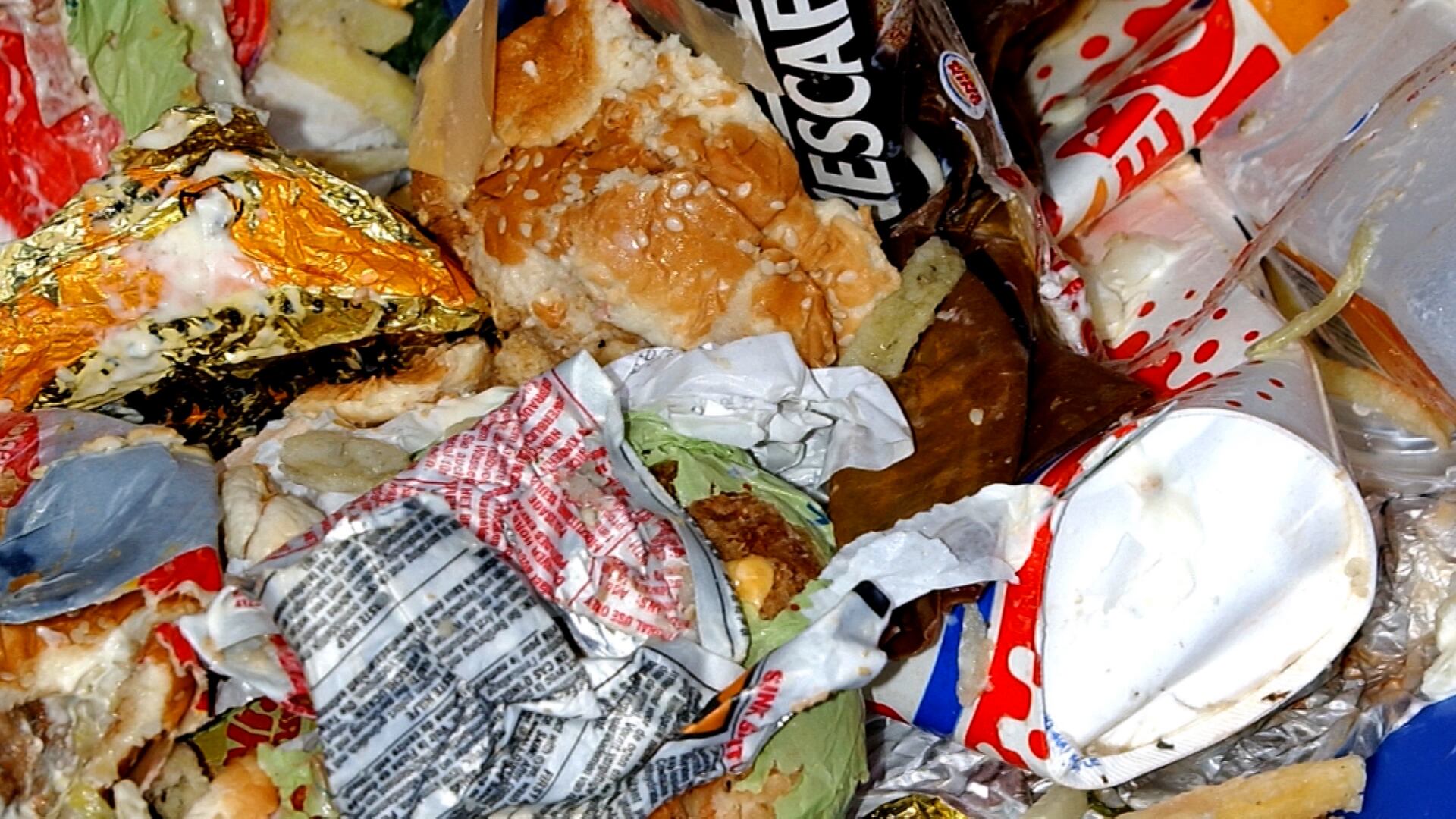
California's new composting law will affect what residents do in their kitchens. As of this week, Californians will have to recycle excess food in an effort to reduce emissions caused by food waste. Cities and counties will turn recycled food into compost or use it as a renewable energy source. California's new law is the largest mandatory residential food waste recycling program in the country. Rachel Wagoner, Director of the California Department of Resources, Recycling and Recovery called the law 'the biggest change to trash' since recycling started in the 1980s. She joined Cheddar Climate to discuss.
Deborah Brosnan, President of Deborah Brosnan & Associates, joins Cheddar Climate, where she explains why global warming brought about 'a year of reckoning' in 2021 and why previously unprecedented weather events could become the norm going forward.
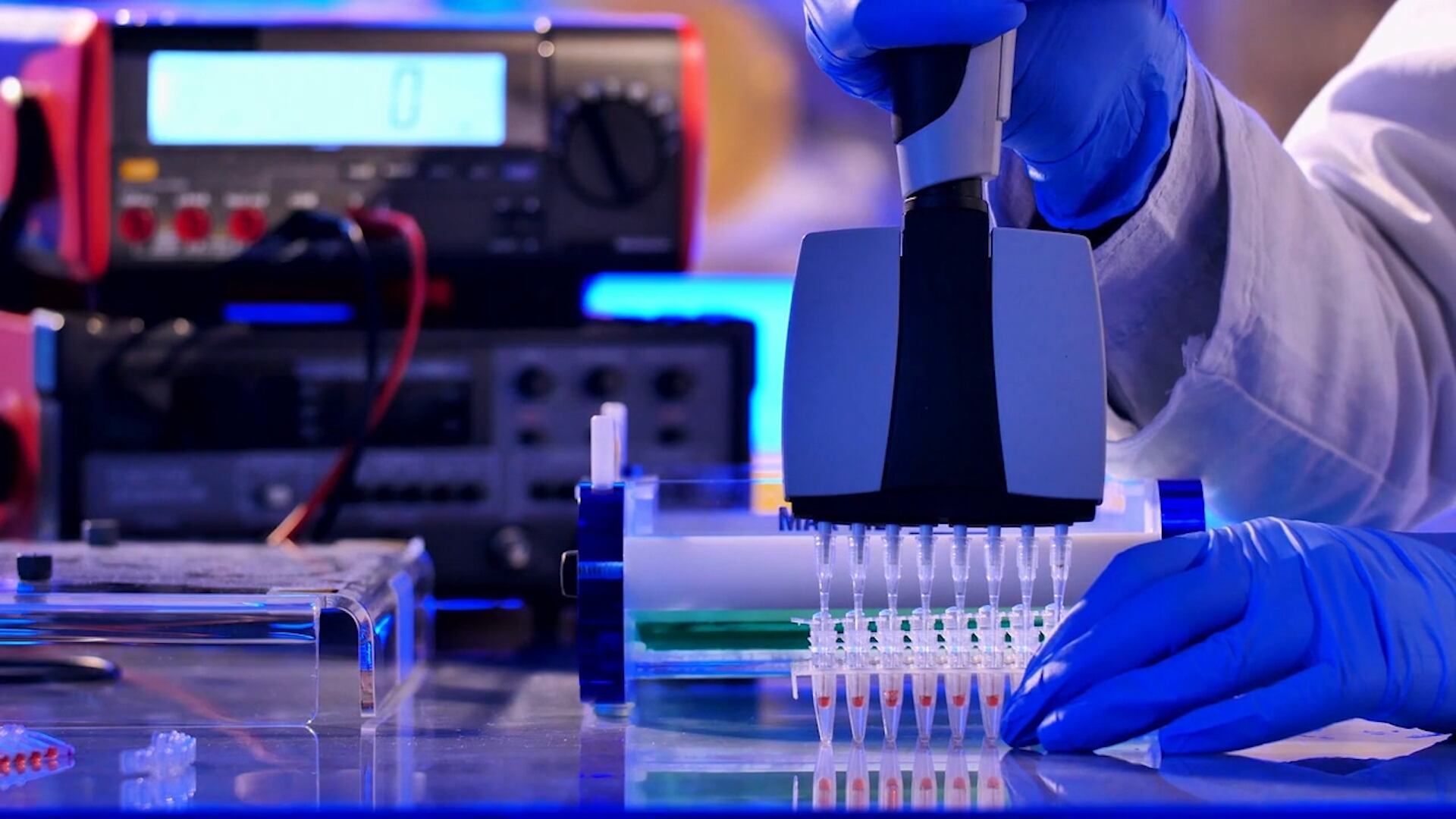
On this episode of Cheddar Reveals, Dr. Anita Gupta, Adjunct assistant professor of anesthesiology and critical care medicine at the Johns Hopkins University School of Medicine, shares her forecast for the healthcare industry in 2022; Waseem Asghar, Ph.D., Associate Professor, Department of Computer & Electrical Engineering and Computer Science, Florida Atlantic University, breaks down the latest progress, trends, and innovations in wearable health tech; Cheddar gets a look at Curiosity Stream's 'Hacking our Biome.'
Dr. Anita Gupta, Adjunct assistant professor of anesthesiology and critical care medicine at the Johns Hopkins University School of Medicine, joins Cheddar Reveals to share her forecast for the healthcare industry in 2022.
Waseem Asghar, Ph.D., Associate Professor, Department of Computer & Electrical Engineering and Computer Science, Florida Atlantic University, joins Cheddar Reveals to break down the latest progress, trends, and innovations in wearable health tech.
Washington DC and the surrounding areas saw a record breaking snow storm Monday as a strong storm system works its way across the eastern U.S. The extreme weather event caused extensive damage in the greater Washington area, leaving thousands in the region without power. Jonathan Porter, Chief Meteorologist, AccuWeather, joined Wake Up with Cheddar to discuss the fierce storm.
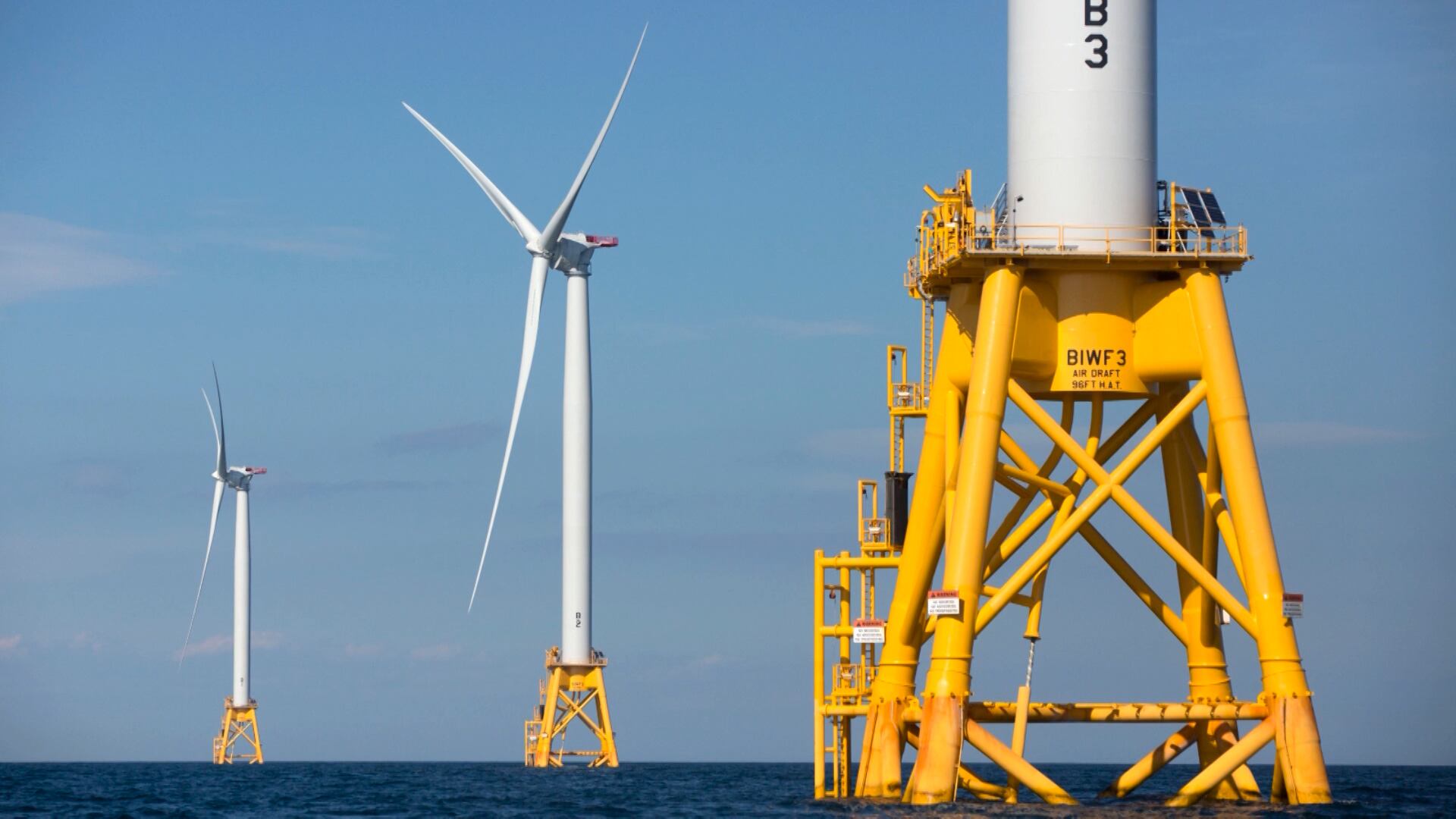
Sweta Chakraborty, U.S. President of We Don't Have Time and climate change expert, joins Cheddar News to discuss how mining the proper resources for the clean energy sector is crucial.
Over the past year alone, we've seen an increasing push-back on fossil fuels, legislation to reduce plastic pollution, greater protection over our worlds' forests, and a growing number of companies working to reduce total carbon footprint. To discuss the sustainability trends that defined 2021 and the changes individuals can make in 2022, J.D. Durkin is joined by Ashlee Piper, a sustainability expert and author of 'Give a Sh*t: Do Good. Live Better. Save the Planet,' joins Cheddar News.