Would you volunteer to be deliberately infected with COVID-19? It's a question some people are seriously considering. In an effort to speed up the development of a vaccine, 1 Day Sooner is asking volunteers to sign up for human challenge trials that will expose them to the virus in an effort to study the disease and develop a cure.
Josh Morrison, the co-founder of 1 Day Sooner, told Cheddar Wednesday that these human challenges have been used to study other diseases in the past, including malaria, typhoid, and cholera.
"The drug Tamiflu, for example, was developed with challenge trials, as well as the malaria vaccine RTS,S that's being deployed in Africa right now," he said. "You can find out much more quickly whether a vaccine might work, than a traditional trial which might have thousands or even tens of thousands of volunteers."
The National Institutes of Health and the World Health Organization have shown interest in the human challenge trials, according to Morrison. The WHO recently published an ethics report to which the 1 Day Sooner team offered suggestions, though they were not accepted for the publication.
Morrison said that there has been growing interest in the trials, adding, "It's not universal acclaim or an immediate 'we need challenge trials right away from every possible corner,' but the message today is immensely different, immensely more positive than what the public message was a month ago."
He acknowledged that the risk of injecting people with COVID-19 could be deadly, but he said he believes that the potential value of finding a vaccine from these challenges is worth it.
"If you look at the risks of getting COVID-19 for the young, healthy group that would participate in challenge trials, they're roughly on a par with childbirth or with kidney donation. So, again, significant risk and we're not understating that, but these are risks that we commonly allow people to accept normally, and given the tremendous possible value we think it's worth accepting them in this case," the 1 Day Sooner co-founder said.
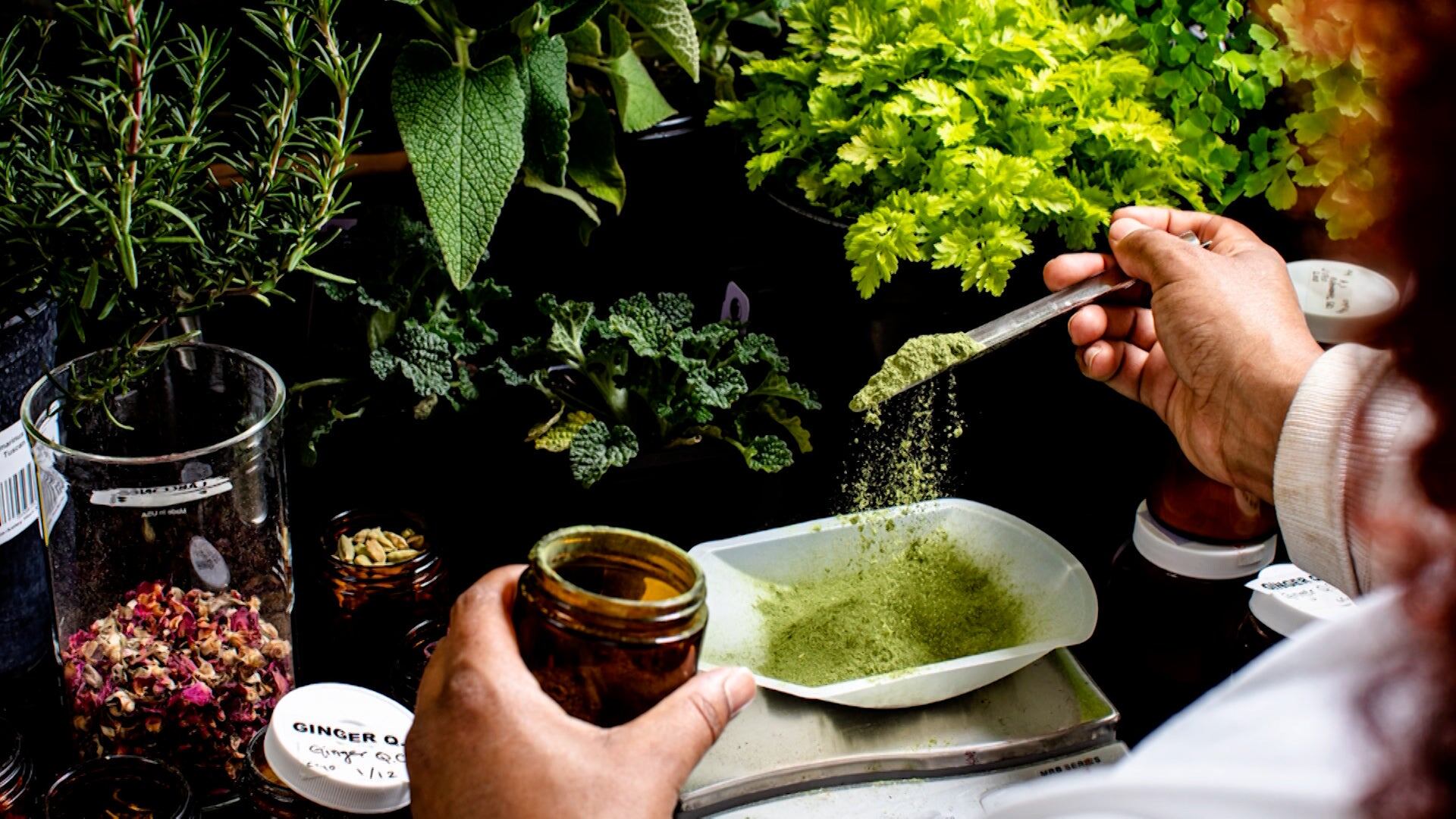
Brightseed Co-Founder Sofia Elizondo breaks down what plant bioactives are, and how they're using the latest technology to study human's biological connections with plants.
On this episode of Cheddar Innovates: Brightseed Co-Founder breaks down what plant bioactives are, and how they're using the latest technology to study human's biological connections with plants; Esper Bionics CEO breaks down how they re creating a mind-controlled bionic hand that guest smarter the more you use it; Cheddar gets a look at Curiosity Stream's 'Capturing A Black Hole In Our Milky Way.'
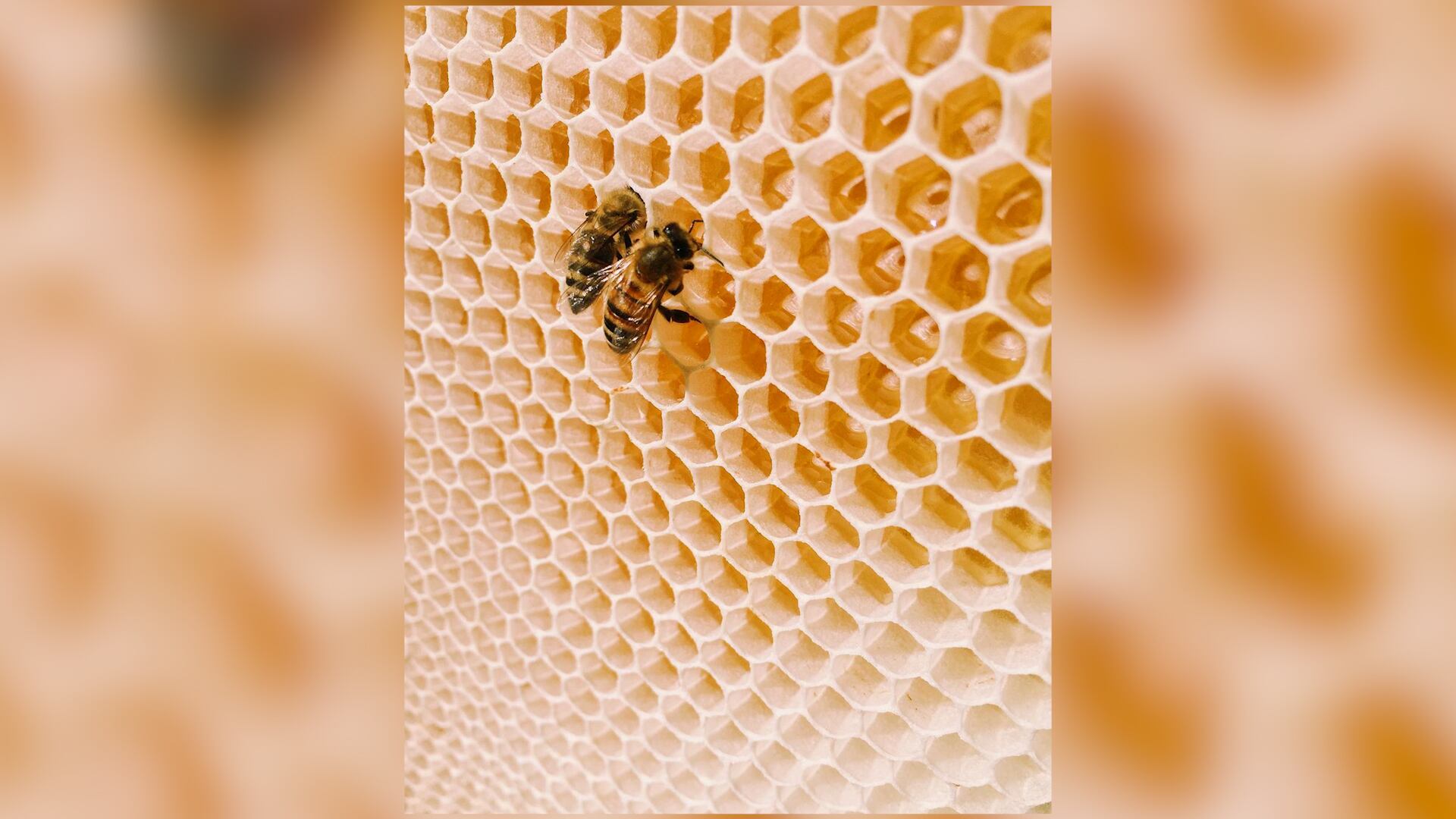
Hilary Kearney, Founder of Girl Next Door Honey, joined Closing Bell to discuss her partnership with Comvita to save the important pollinators, as bee colonies are on the decline across the United States.
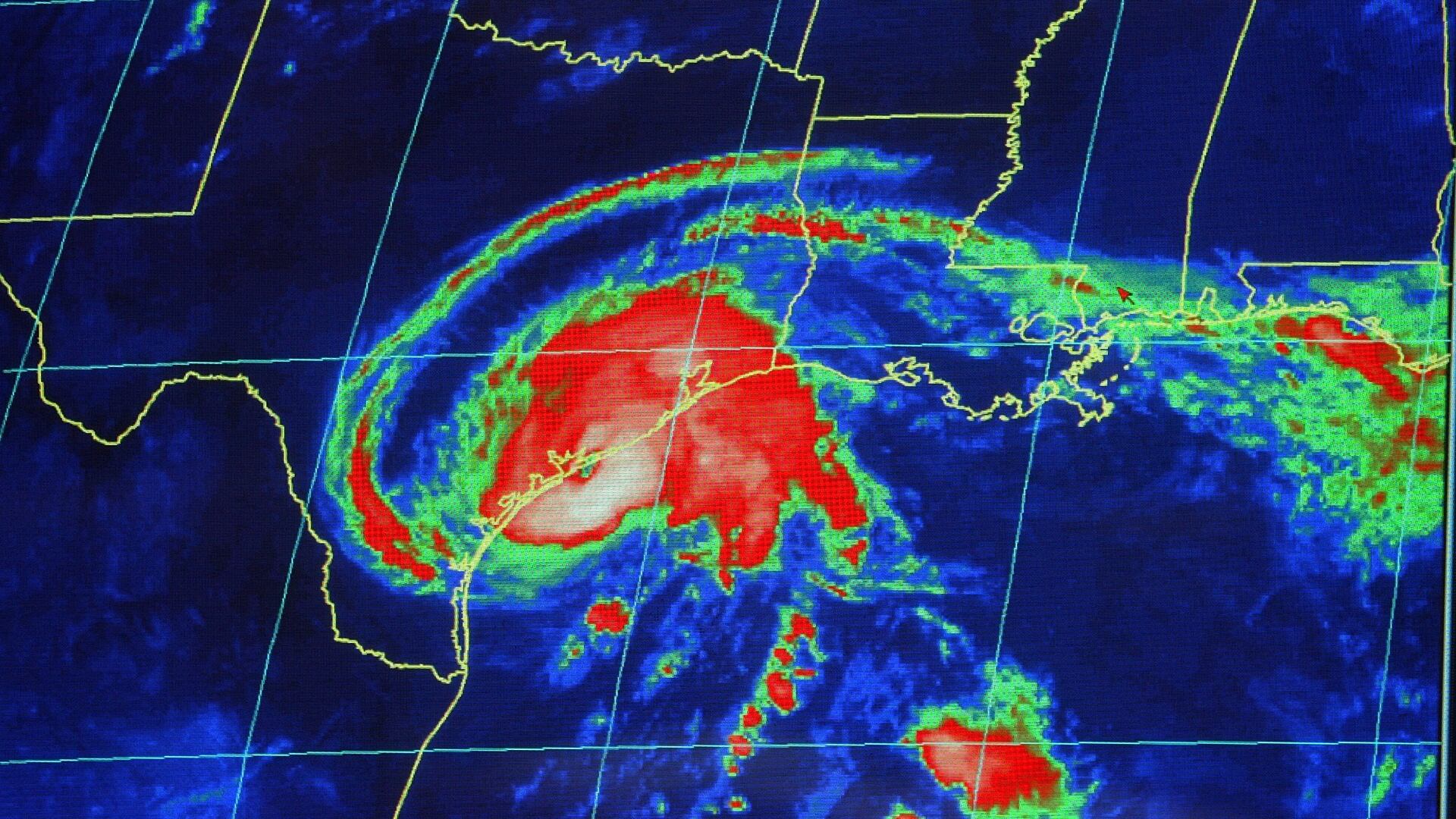
Hurricane climatologist Jill Trepanier joined Cheddar News to discuss NOAA's announced prediction for an above-normal hurricane season and what it might mean for people in the United States. "I think it's important that people who maybe haven't been used to having extreme weather events related to say tropical cycles and tropical systems, like thinking New Jersey, Northeastern seaboard, that area may get more action than they're used to in the past," she said.
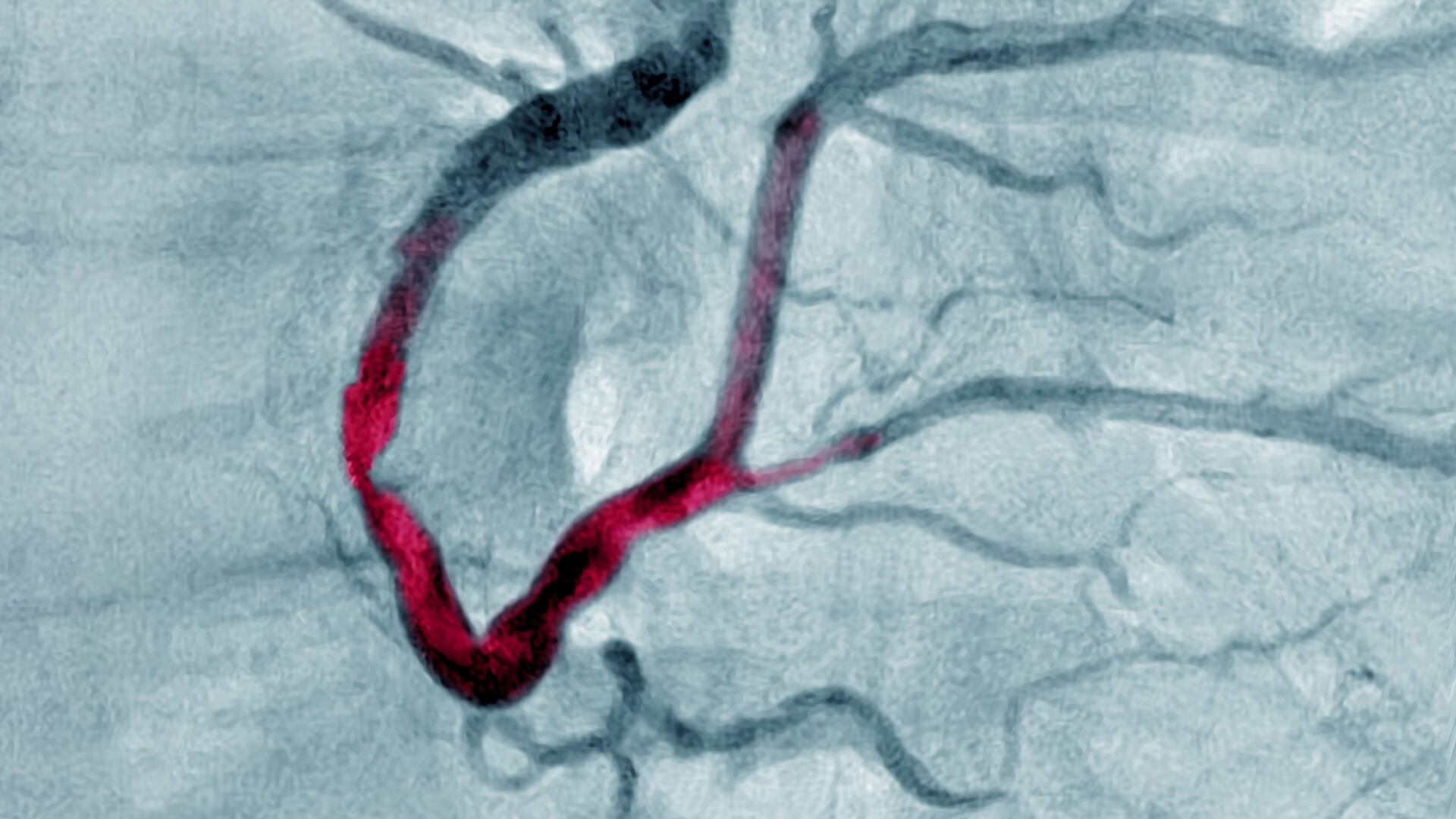
Dr. Jarrad Aguirre, Co-Founder and CEO of Miga Health, joins Cheddar News' Closing Bell, where he says his company is looking to establish the future of heart health and points to how 80% of premature heart attacks and strokes are preventable.
On this episode of Cheddar Reveals, David Keith, Professor of Applied Physics at the Harvard School of Engineering and Applied Sciences and Professor of Public Policy at the Harvard Kennedy School, and founder of Carbon Engineering outlines the viability of solar geoengineering as a solution to help reverse the effects of global warming; Lena Geraghty, Sustainability & Urban Innovation Director at National League of Cities, discusses which U.S. cities are safest from global warming and how the real estate market will be impacted from the effects of climate change; Cheddar gets a look at Curiosity Stream's 'Changing Ocean Asia.'
David Keith, Professor of Applied Physics at the Harvard School of Engineering and Applied Sciences and Professor of Public Policy at the Harvard Kennedy School, and founder of Carbon Engineering joins Cheddar Reveals to outline the viability of solar geoengineering as a solution to help reverse the effects of global warming.
Lena Geraghty, Sustainability & Urban Innovation Director at National League of Cities, joins Cheddar News to discuss which U.S. cities are safest from global warming and how the real estate market will be impacted from the effects of climate change.
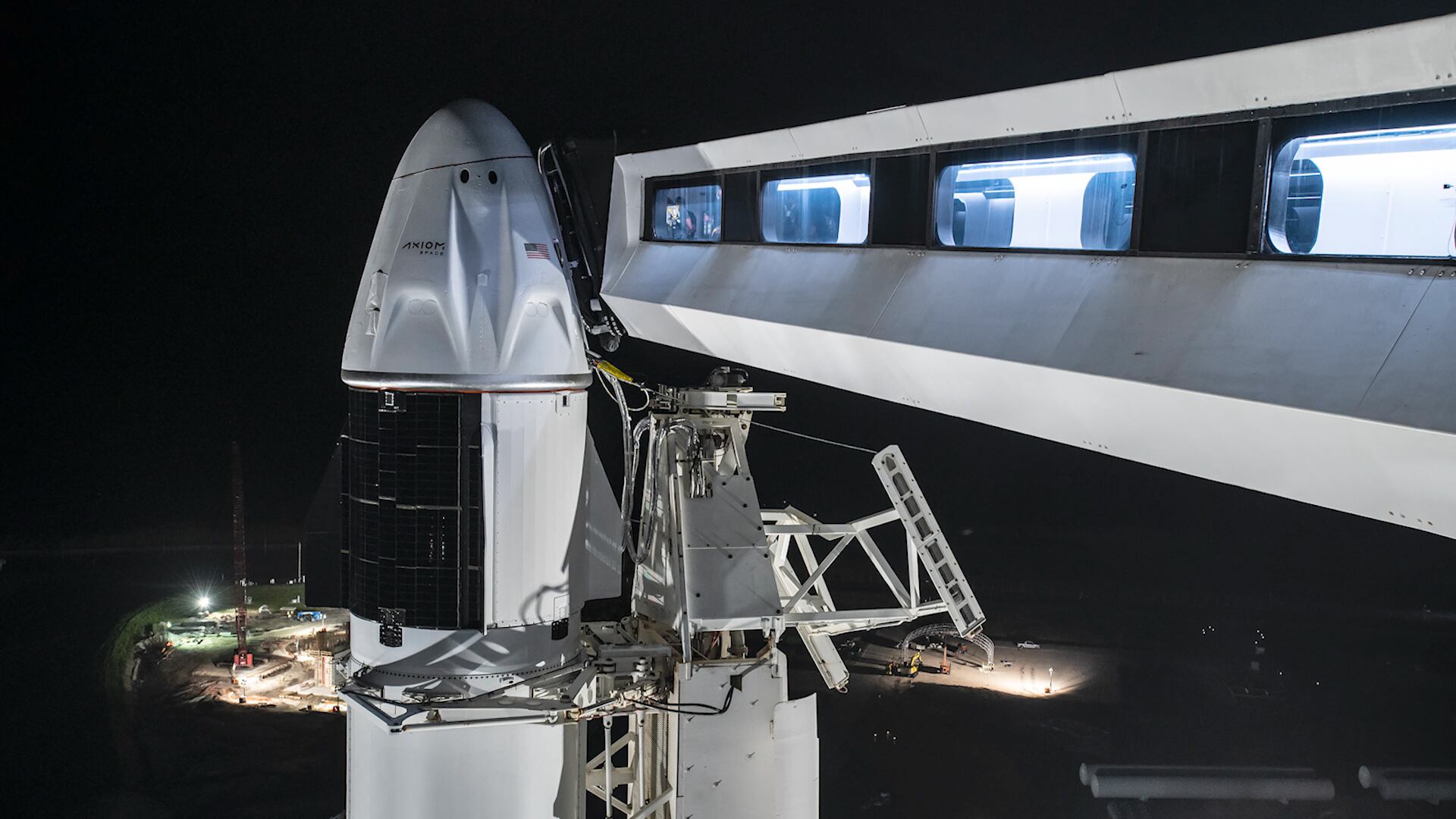
Peggy Whitson, Director of Human Space Flight, Axiom Space, joins Cheddar Innovates to discuss Axiom's involvement in the first fully-private mission to the ISS, and her experience spending 665 days in space.
On this episode of Cheddar Innovates, Peggy Whitson, Director of Human Space Flight, Axiom Space, breaks down Axiom's involvement in the first fully-private mission to the ISS, and her experience spending 665 days in space; William Li and Danielle Chang, co-founders of The Hao Life, discuss how they're shaking up the $71 billion supplement industry by putting a modern spin on traditional natural Chinese remedies; Cheddar gets a look at Curiosity Stream's 'Sagrada Familia: Gaudi's Challenge.'