Actor and director David Arquette hopes to raise awareness about the U.S. criminal justice system in his latest documentary, “Survivors Guide to Prison.”
“We have more prisons than we do colleges and universities. It’s just completely backwards,” he told Cheddar. “It’s a plea system: 98 percent of the cases are settled in a plea, so we don’t really have a court system, and that’s what we’re trying to address.”
The star-studded production is narrated by the likes of Danny Trejo, Donald Glover, Jesse Williams, and Susan Sarandon. It tells the story of Bruce Lisker and Reggie Cole, two men wrongly convicted of murders, and offers advice on how to navigate -- and survive -- the current prison system.
Arquette told Cheddar that the documentary is more than a film and that it’s has sparked activism amongst the cast.
“[Director] Matthew Cooke doesn’t think of it as a movie, he thinks of it as a movement,” he said. “So we’re getting behind groups like “Cut50, that’s Van Jones’ company, and we’re working with them on the ‘Dignity Campaign,’ and that’s to get women in prison some basic human rights.”
“Survivors Guide to Prison” premieres in theaters and on-demand on February 23.
For full interview, [click here](https://cheddar.com/videos/david-arquette-on-prison-documentary-that-has-hopes-will-become-a-movement).
The United States has issued its first passport with an “X” gender designation for people who don’t identify as male or female.
Dems race for a deal on President Biden's economic agenda ahead of his big foreign trip. What to make of the latest threat assessment in Afghanistan. Plus, the meme cryptocurrency of the moment that's now worth more than many Fortune 500 companies.
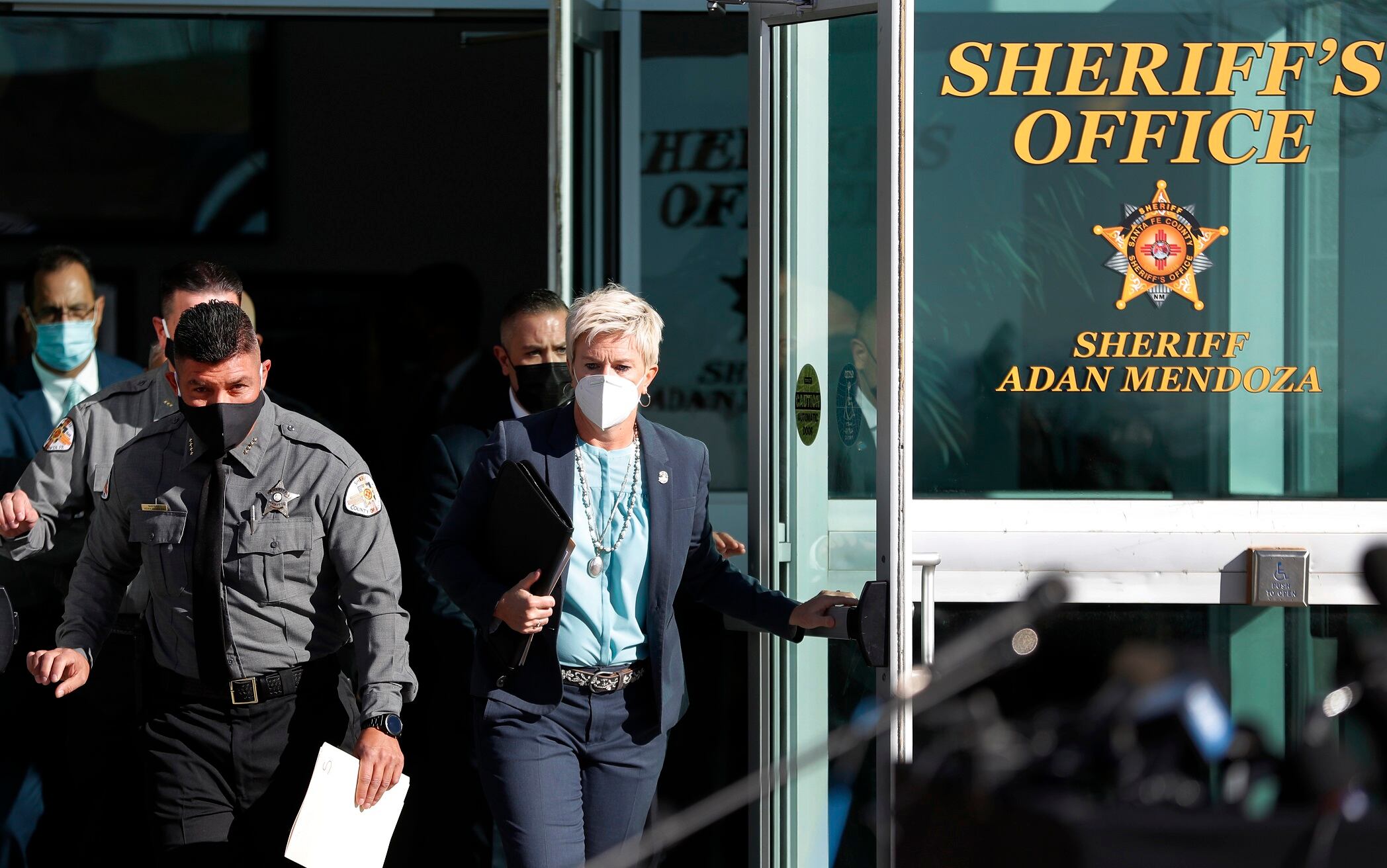
Investigators say there was “some complacency” in how weapons were handled on a movie set where Alec Baldwin accidentally shot and killed a cinematographer and wounded another person.
Jill and Carlo discuss the pending approval for Pfizer's vaccine for kids, the state of anti-Semitism three years after Tree of Life, potential criminal charges in the 'Rust' prop gun shooting and more.
New York City's first immersive cannabis experience, The Stone Age, is seeking to change the narrative about cannabis, just in time for legalization.
All the news you Need2Know for Tuesday, October 26, 2021.
A report in the New York Times published Sunday called 'Inside Amazon's Worst Human Resources Problem' details the company mishandling paid and unpaid leave for some of its workers for more than a year and a half, following an email sent to Amazon founder Jeff Bezos from a new mother who works at a warehouse in Oklahoma, which then led to an internal investigation at Amazon. Seattle tech correspondent for the New York Times Karen Weise joined Cheddar News' Closing Bell to talk about her report and what the Amazon investigation found.
Facebook the company is losing control of Facebook the product — and of the carefully crafted image it’s spent over a decade selling despite problems like misinformation, human trafficking, and pervasive extremist groups on its platform.
Jill and Carlo cover the latest developments in the Alec Baldwin prop gun shooting, when vaccines for kids as young as 5 should be approved, new reporting on Facebook and more.
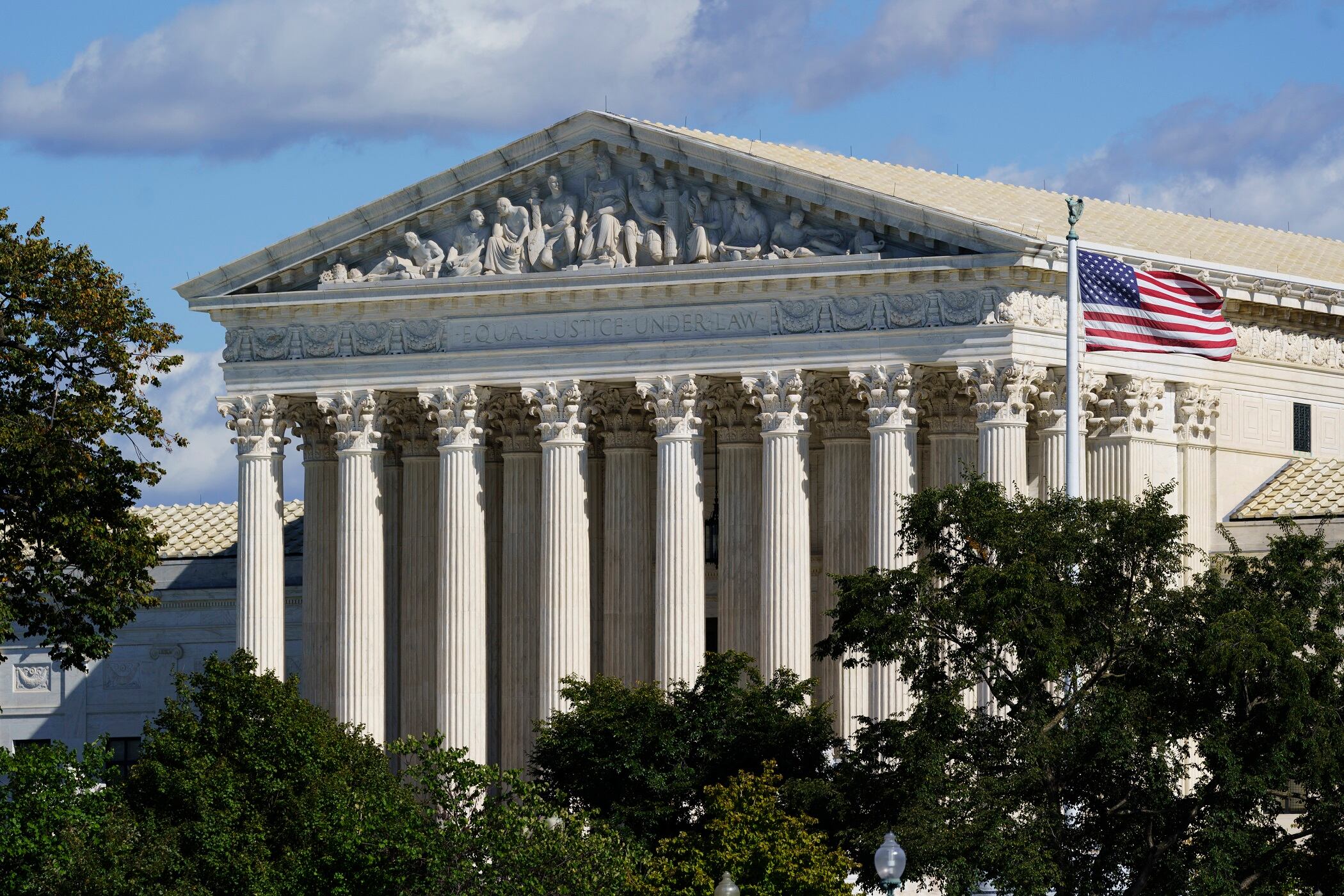
The Supreme Court is allowing the Texas law that bans most abortions to remain in place for now but has agreed to hear arguments in the case on Nov. 1.