Since 2012, data scientist roles have grown over 650%. Hundreds of companies are hiring for the positions, but only 35,000 people in the U.S. have data science skills.
At IBM, data scientists are aggressively recruited for, and yet, there is still a need at the company for more talent. For this reason, IBM is heavily investing in data scientist recruiting, education, and career opportunities.
Martin Fleming is the VP, Chief Analytics Officer, and Chief Economist at IBM, and he joins Cheddar to explain why and how IBM is funneling resources into their data scientists. IBM has developed a micro-MBA program that allows employees to continue their education and skill development while on the job. IBM also has been turning to PhD students in different fields like biology, sociology, and chemistry to diversify talent and recruitment. And IBM has also invested in universities like Columbia and MIT to help develop strong programs there.
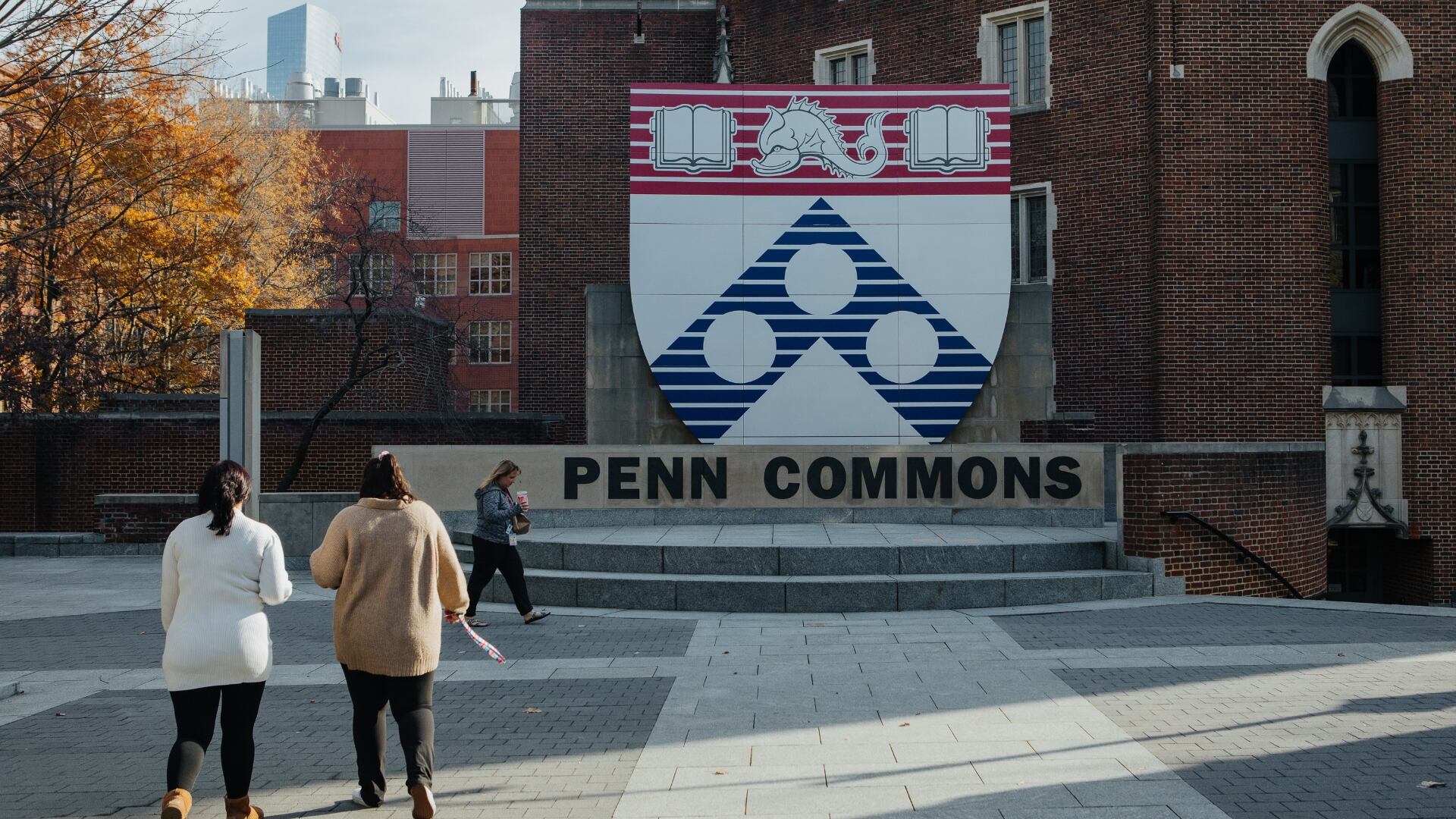
Chair of Penn Engineering’s Department of Computer and Information Science Zachary Ives shares how the department is building its artificial intelligence degree program.
Frances Stacy, Optimal Capital Director of Strategy, breaks down why the latest data indicates the economy may be struggling more than expected, plus some sectors she’s watching.
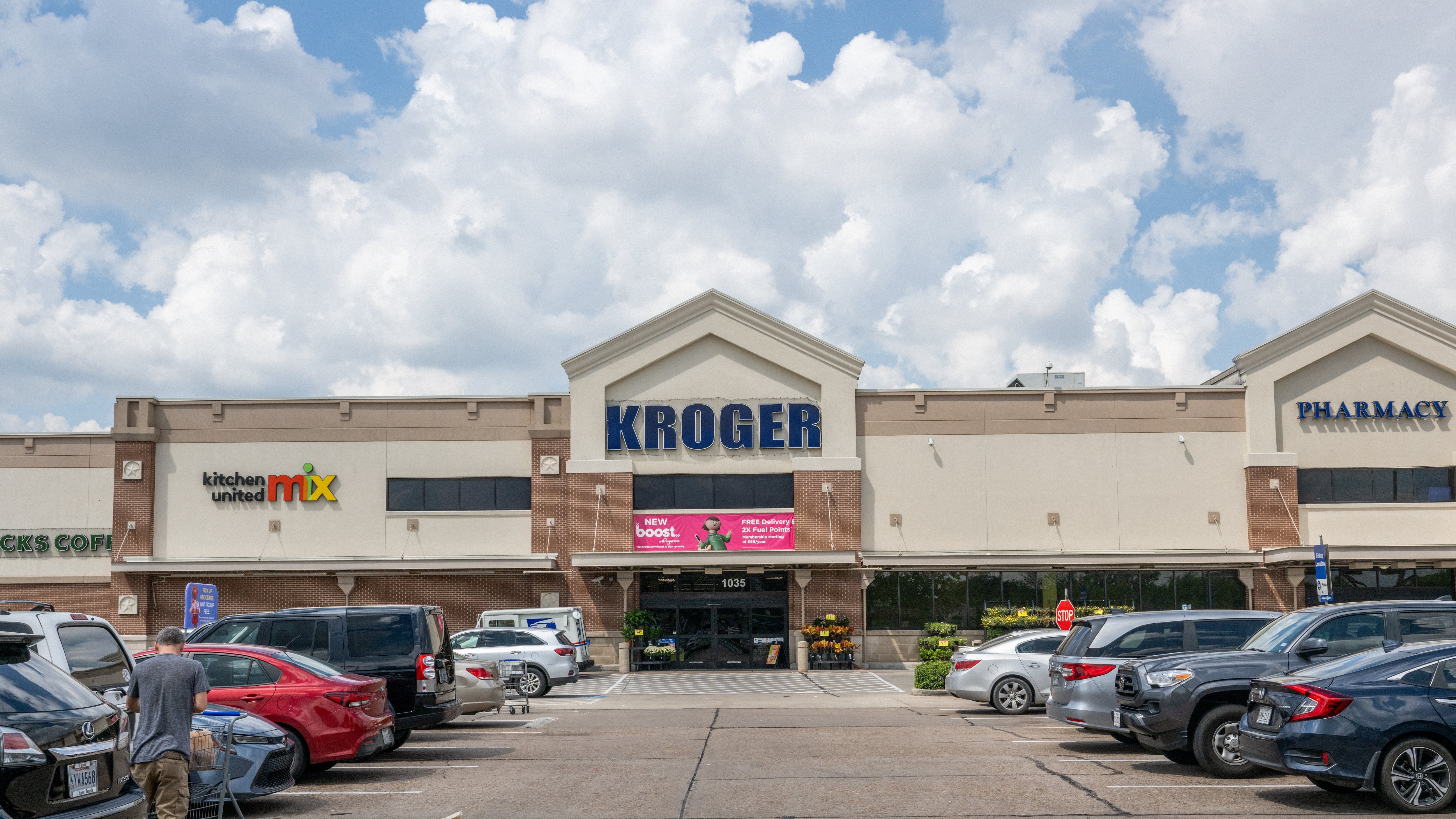
The Federal Trade Commission is suing to block a proposed merger between the two grocery stores. The FTC says the $24.6 billion deal would eliminate competition and lead to higher prices for millions of Americans.
Terecircuits CEO Wayne Rickard explains some of the other companies set to benefit from the Nvidia-led chipmaking rally, including manufacturing and toolmaking companies.
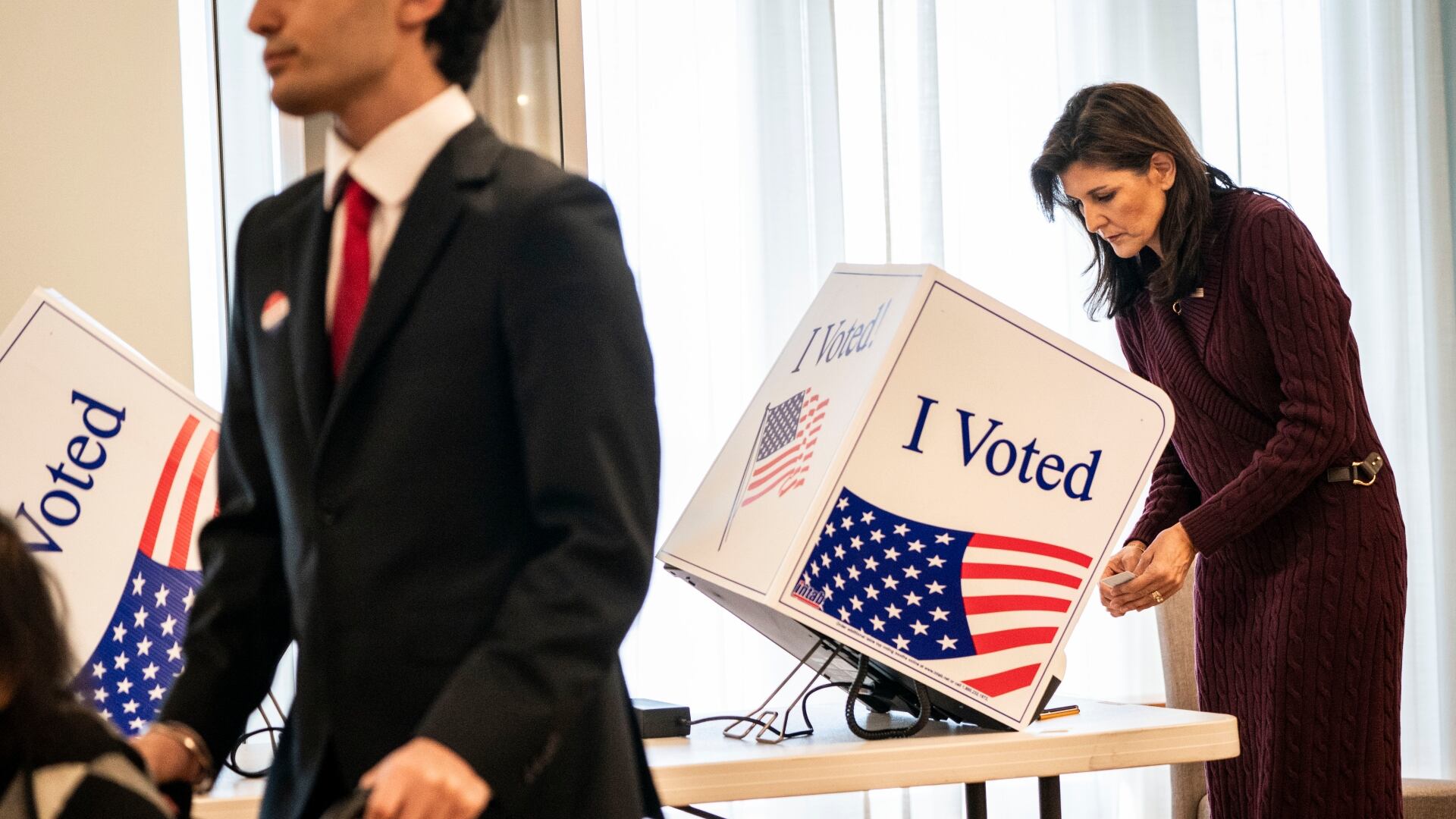
Axios reporter Erin Doherty breaks down the results from the South Carolina primary as former President Trump gets closer to winning the GOP nomination.
Jay Woods of Freedom Capital Markets shares thoughts on how the latest inflation report will impact the market, and why he expects a ‘cascade’ of IPOs if Reddit’s public debut goes well.
During AT&T's widespread outage Thursday, landline phones were a working alternative — which most of the U.S. does not have. Over half of Americans are estimated to have ditched landlines altogether.