The famed Darwin's Arch in the Galapagos Islands has lost its top, and officials are blaming natural erosion of the stone.
Ecuador's Environment Ministry reported the collapse on its Facebook page on Monday.
The rock structure — 43 meters (141 feet) high, 70 meters (230 feet) long and 23 meters (75feet) wide — is less than 1 kilometer (about half a mile) from Darwin Island and it's a popular spot for scuba divers. It's not accessible by land.
“Obviously all the people from the Galapagos felt nostalgic because it’s something we’re familiar with since childhood, and to know that it has changed was a bit of a shock," said Washington Tapia, director of conservation at Galapagos Conservancy. "However, from a scientific point of view, it’s part of the natural process. The fall is surely due to exogenous processes such as weathering and erosion which are things that normally happen on our planet.”
The unique flora and fauna on remote islands, some 1,000 kilometers (600 miles) off the coast of mainland Ecuador are famed in part for inspiring Charles Darwin's thoughts on evolution.
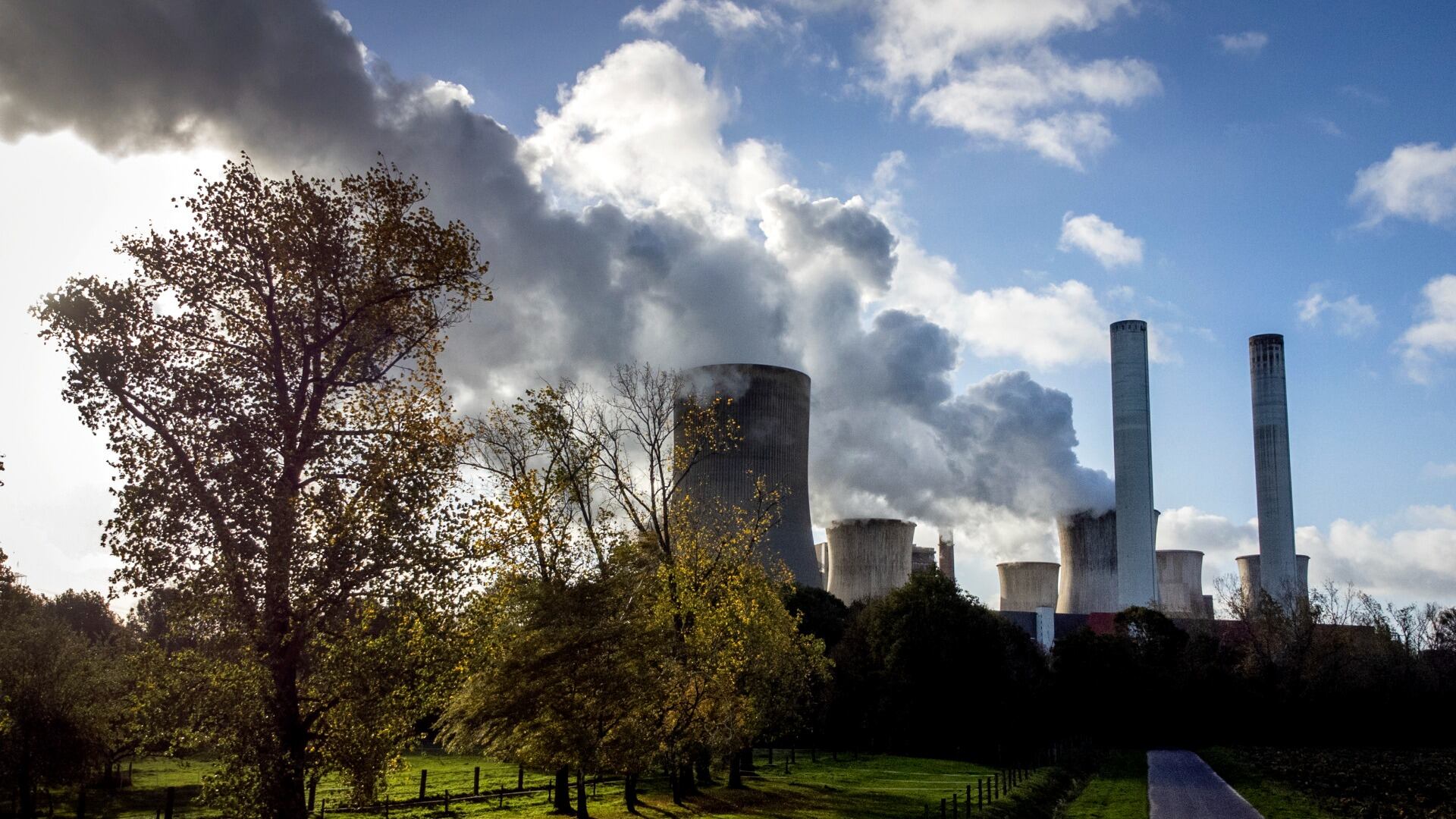
The capacity to burn coal for power went up in 2022 despite global promises to phase down the fuel that’s the biggest source of planet-warming gases in the atmosphere, a report Wednesday found.
Dr. Sandra Lee (aka Dr. Pimple Popper) visited Cheddar News to give viewers a sneak peak of season nine of her TV show, which features the dermatologist popping — you guessed it — pimples.
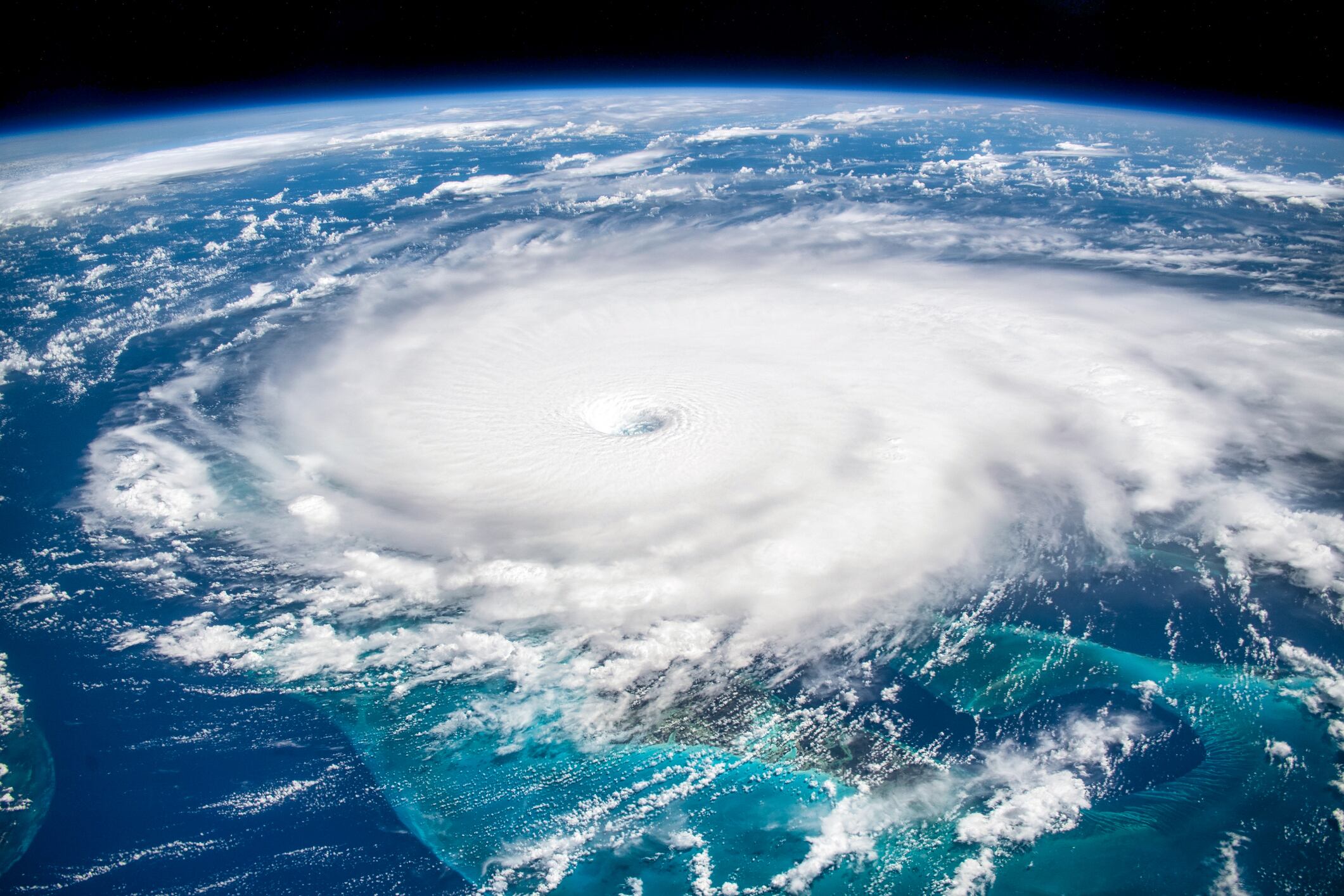
According to a Washington Post article, 82 percent of people get their weather updates on their phones, and there are more than 10,000 weather apps to choose from. The article breaks down the pros and cons of each app.
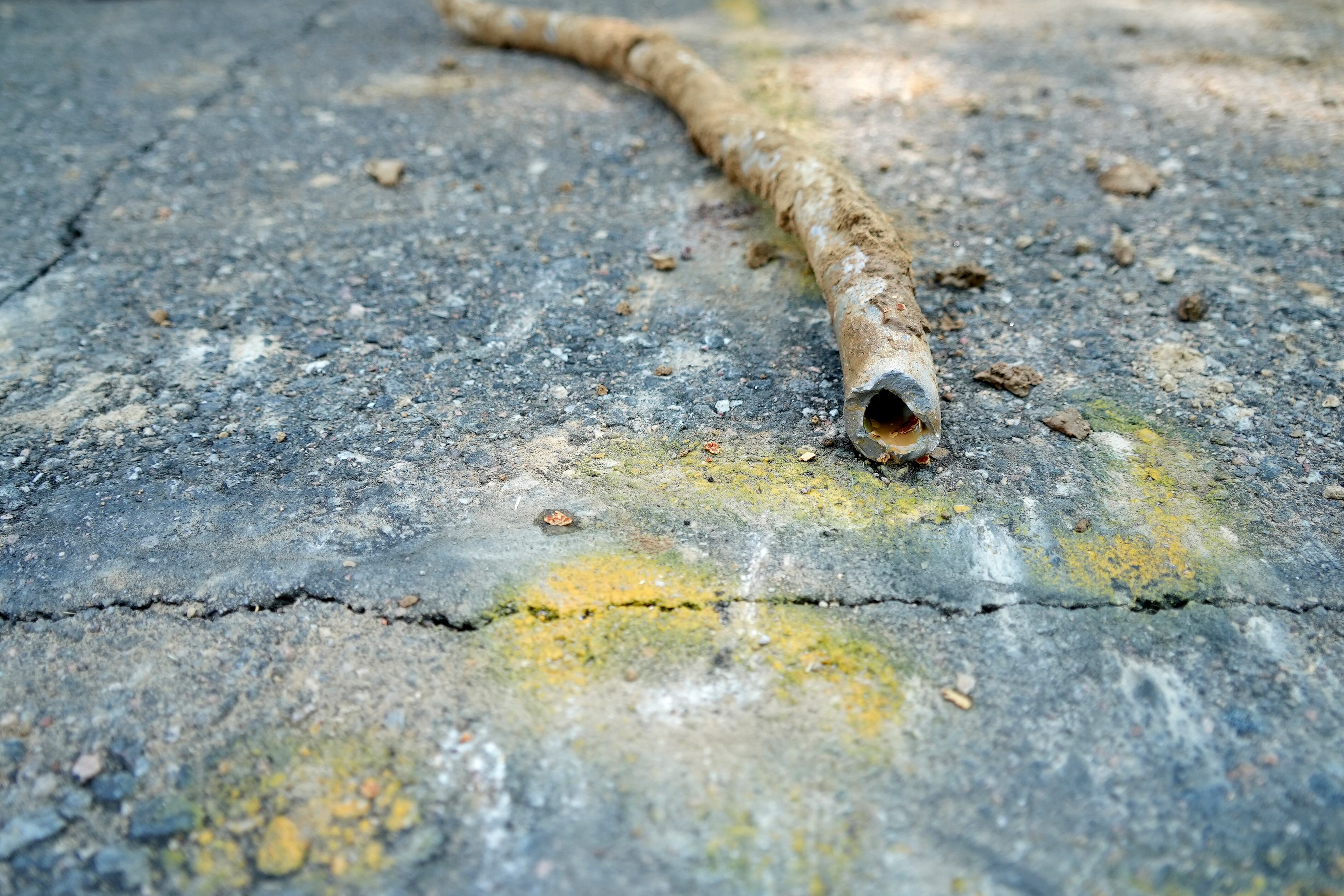
Some 9.2 million lead pipes carry water into homes across the U.S., with more in Florida than any other state, according to a new Environmental Protection Agency survey that will dictate how billions of dollars to find and replace those pipes are spent.