The famed Darwin's Arch in the Galapagos Islands has lost its top, and officials are blaming natural erosion of the stone.
Ecuador's Environment Ministry reported the collapse on its Facebook page on Monday.
The rock structure — 43 meters (141 feet) high, 70 meters (230 feet) long and 23 meters (75feet) wide — is less than 1 kilometer (about half a mile) from Darwin Island and it's a popular spot for scuba divers. It's not accessible by land.
“Obviously all the people from the Galapagos felt nostalgic because it’s something we’re familiar with since childhood, and to know that it has changed was a bit of a shock," said Washington Tapia, director of conservation at Galapagos Conservancy. "However, from a scientific point of view, it’s part of the natural process. The fall is surely due to exogenous processes such as weathering and erosion which are things that normally happen on our planet.”
The unique flora and fauna on remote islands, some 1,000 kilometers (600 miles) off the coast of mainland Ecuador are famed in part for inspiring Charles Darwin's thoughts on evolution.
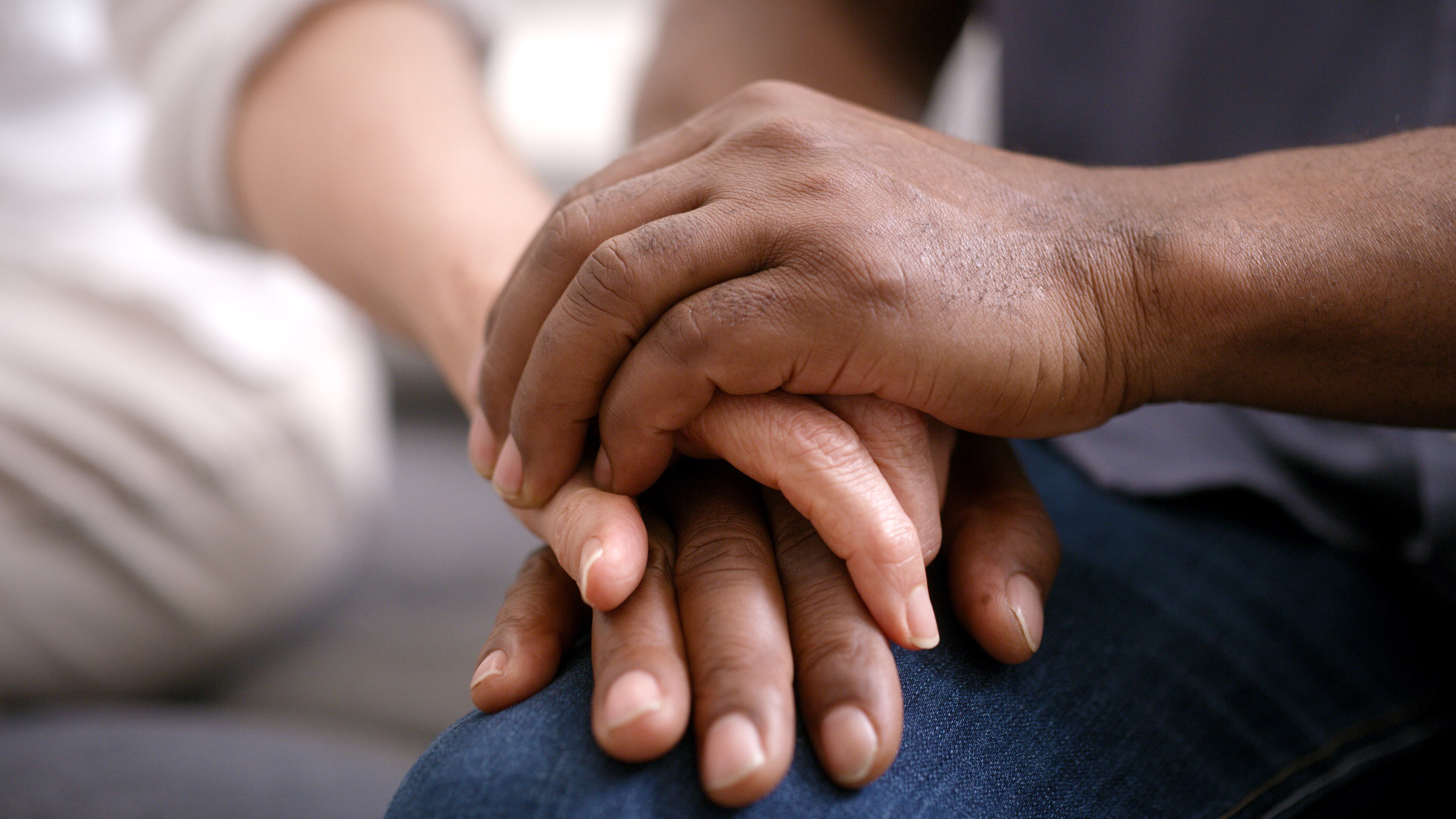
Andrea Miller, founder and CEO of Your Tango, discusses why the world is in a global relationship crisis and a loneliness epidemic that has accelerated dramatically, especially since the pandemic. "More people are working from home and so they're not getting in-person connection," she said.
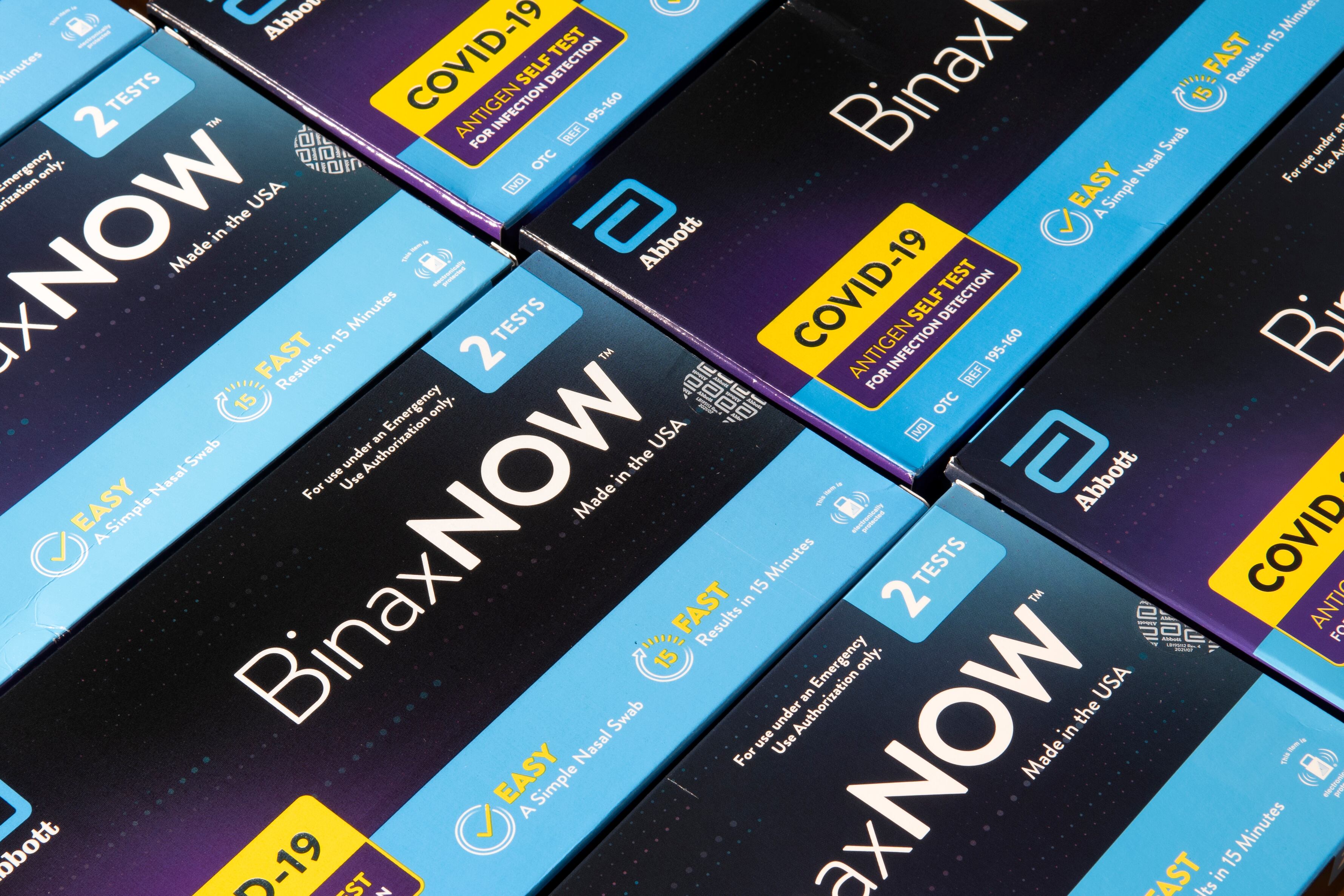
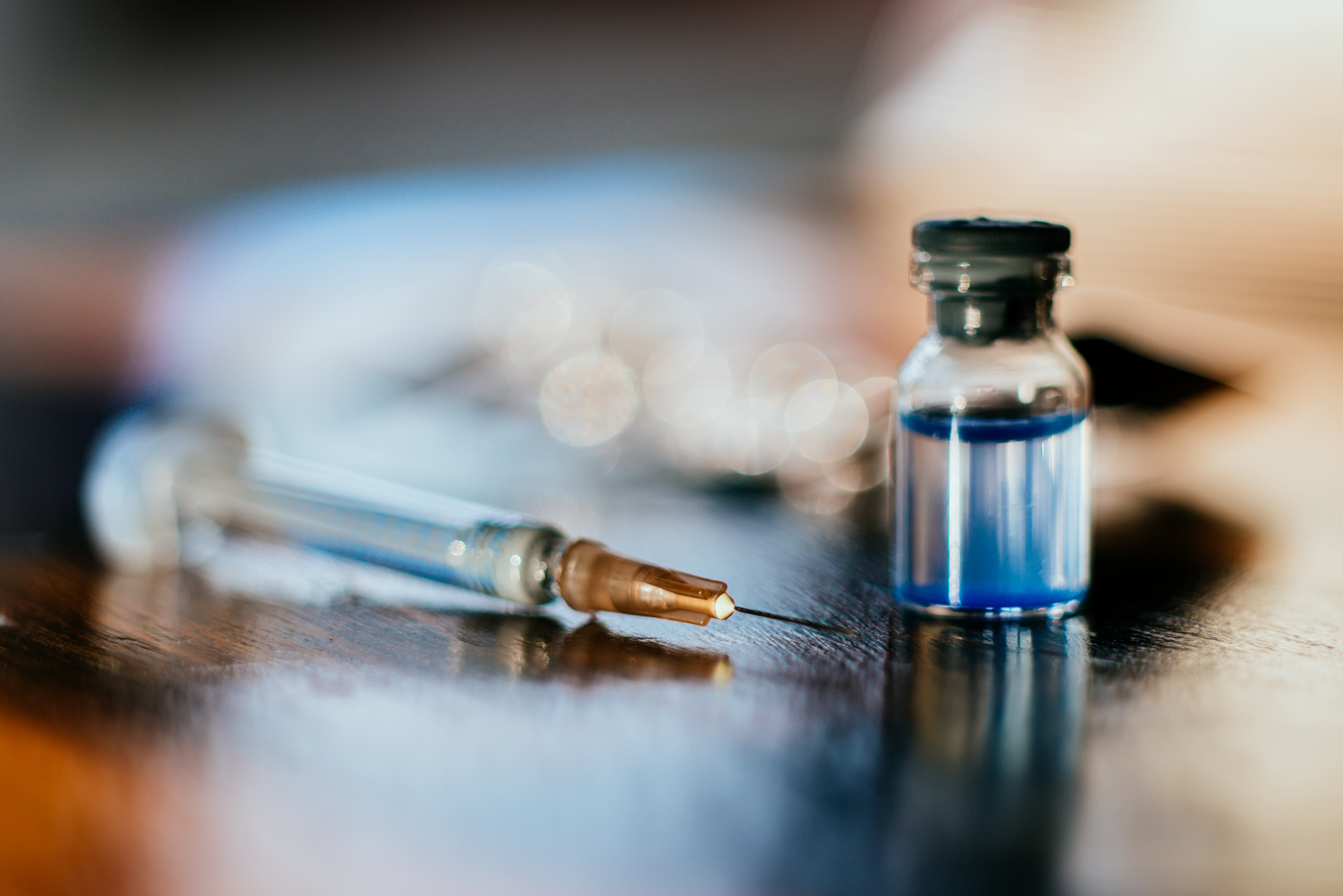
The era of free Covid tests has officially come to an end, raising concerns about potential scams. Dan Geltrude, managing partner with Geltrude & Co., joined Cheddar News to explain the most affordable way to get tests and how to avoid fake and illegitimate tests.
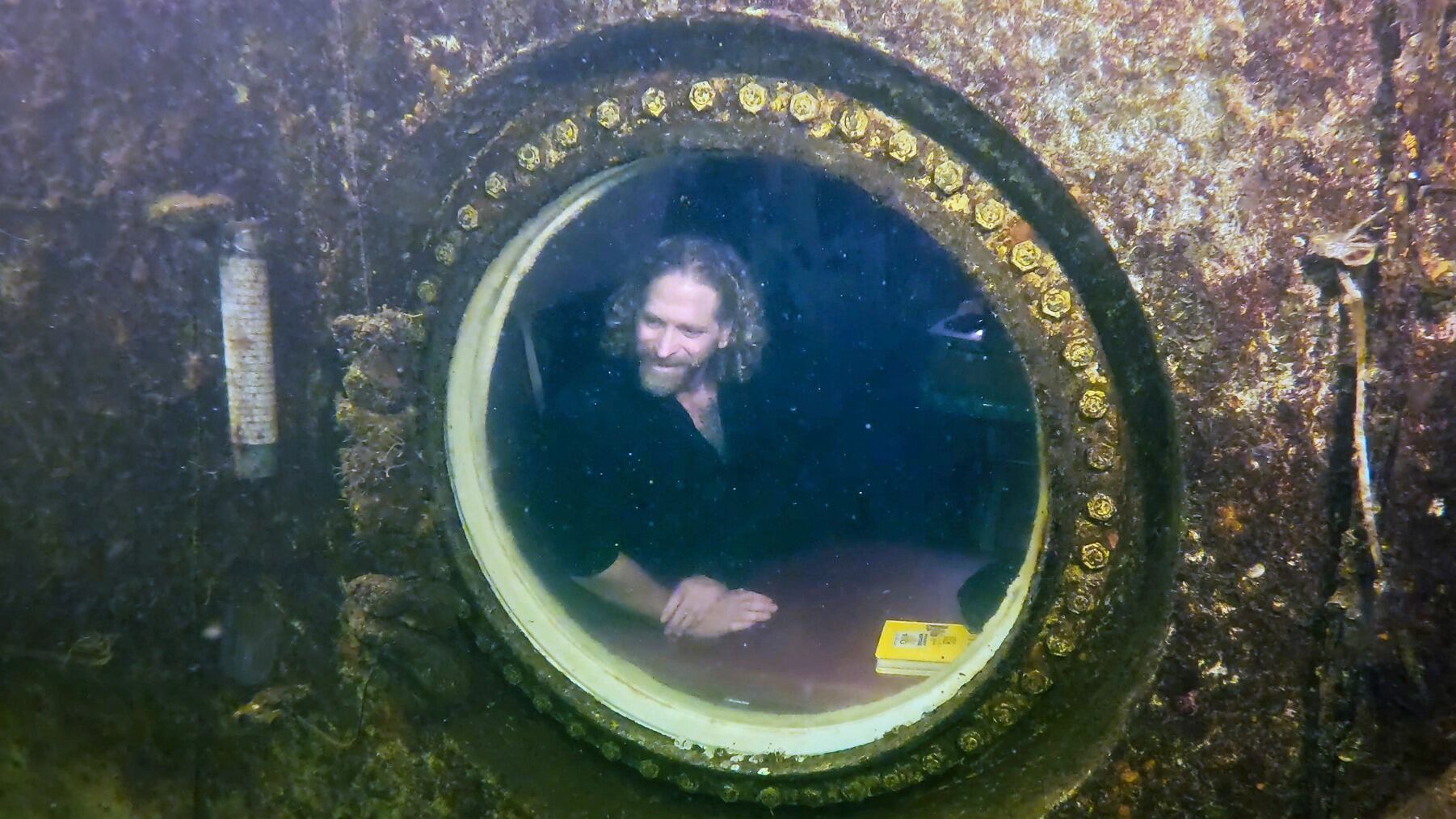
A university professor broke a record for the longest time living underwater without depressurization this weekend at a Florida Keys lodge for scuba divers.
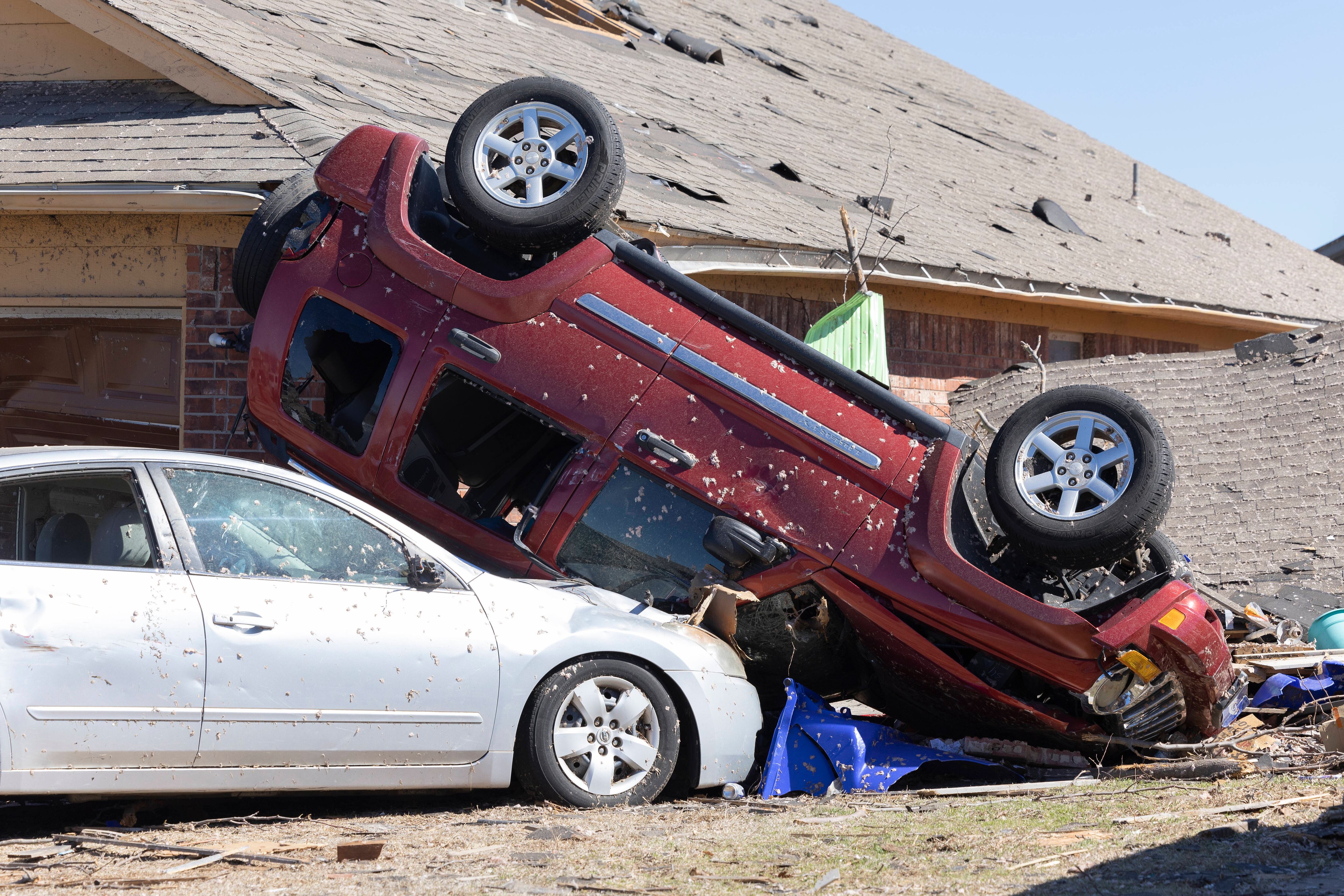
About 16 tornadoes hit America's heartland including Colorado, Kansas and Louisiana with no injuries reported, and the worst damage was registered in Oklahoma.
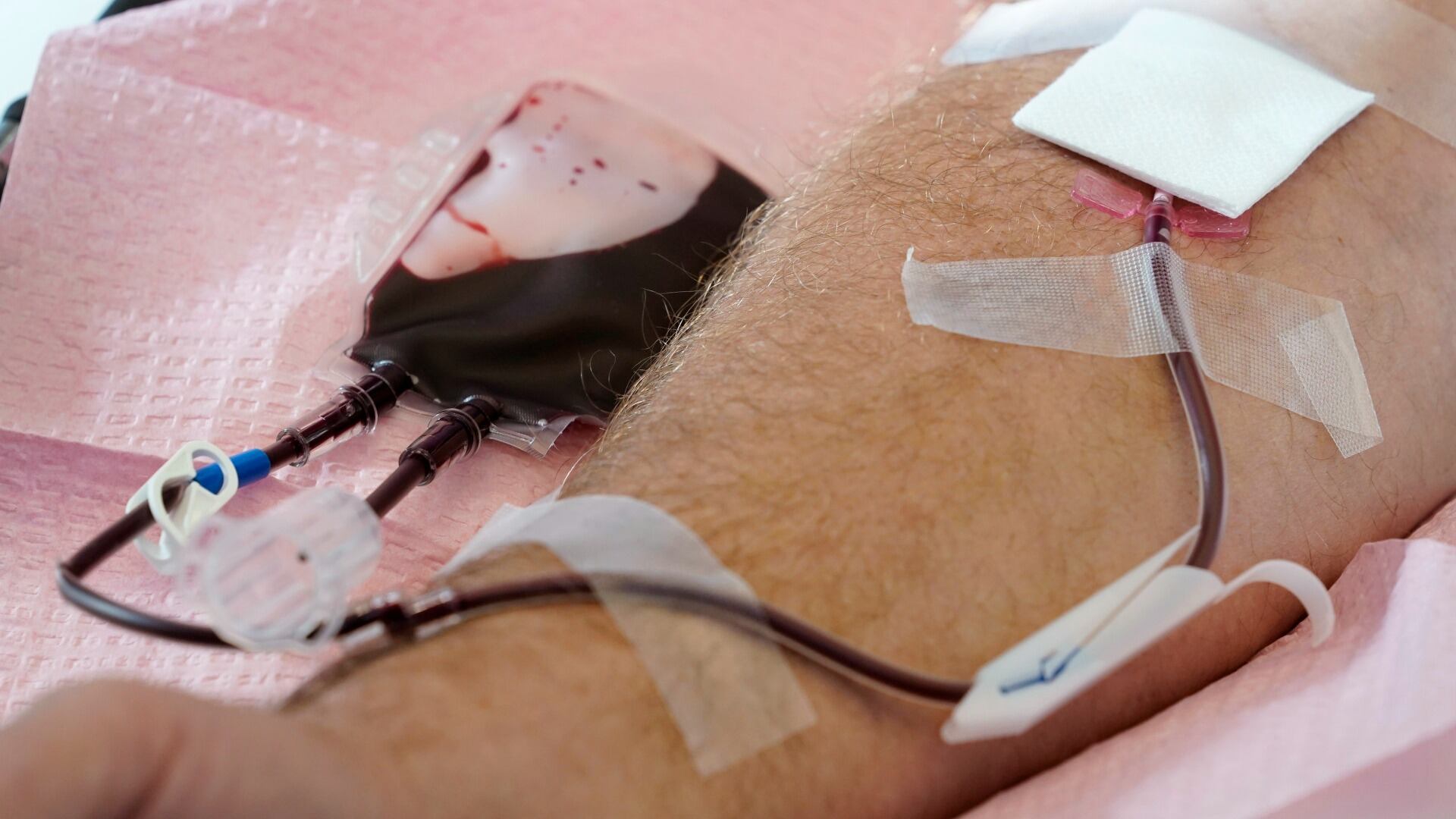
New blood donations rules will allow sexually active gay and bisexual men in monogamous relationships to give in the FDA guidelines ease decades-old restrictions put in place to protect the blood supply from HIV.