The famed Darwin's Arch in the Galapagos Islands has lost its top, and officials are blaming natural erosion of the stone.
Ecuador's Environment Ministry reported the collapse on its Facebook page on Monday.
The rock structure — 43 meters (141 feet) high, 70 meters (230 feet) long and 23 meters (75feet) wide — is less than 1 kilometer (about half a mile) from Darwin Island and it's a popular spot for scuba divers. It's not accessible by land.
“Obviously all the people from the Galapagos felt nostalgic because it’s something we’re familiar with since childhood, and to know that it has changed was a bit of a shock," said Washington Tapia, director of conservation at Galapagos Conservancy. "However, from a scientific point of view, it’s part of the natural process. The fall is surely due to exogenous processes such as weathering and erosion which are things that normally happen on our planet.”
The unique flora and fauna on remote islands, some 1,000 kilometers (600 miles) off the coast of mainland Ecuador are famed in part for inspiring Charles Darwin's thoughts on evolution.
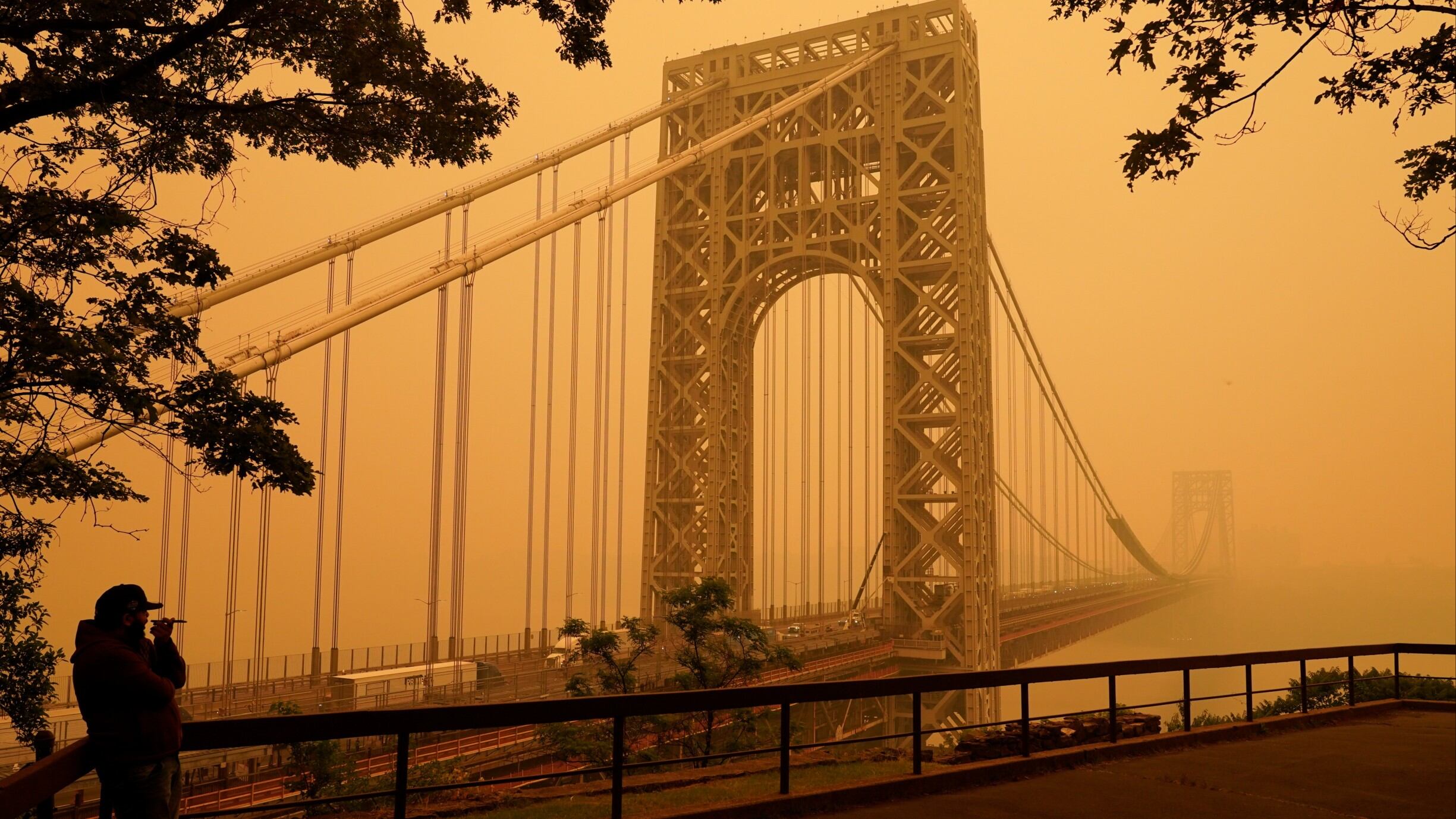
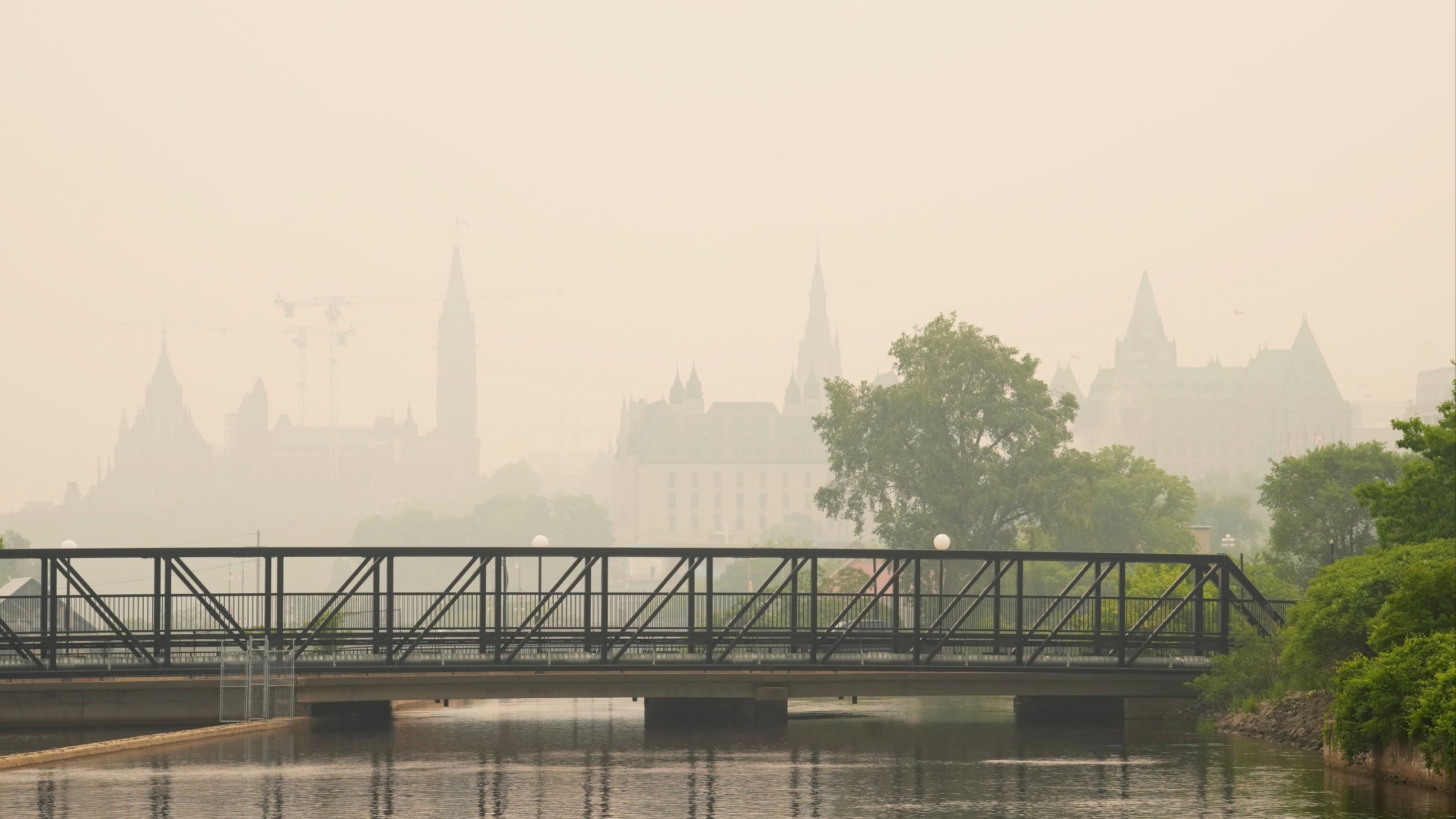
Smoke from Canadian wildfires poured into the U.S. East Coast and Midwest on Wednesday, covering the capitals of both nations in an unhealthy haze, holding up flights at major airports and prompting people to fish out pandemic-era face masks.
Be Well: Full Body Beach Workout Routine
Be Well: How Blood Tests Can Determine Your Body's Biological Age
Be Well: How Therapy Sessions Can Boost Your Mental Health
Experts are warning about a new Covid-19 wave as 14 of New York City's wastewater treatment plants showed high levels of the disease in the past week.
Canada is dealing with a series of intense wildfires that have spread from the western provinces to Quebec, with hundreds of forest fires burning. The smoke has traveled into the United States, resulting in a number of air quality alerts issued since May.
Be Well: How to Identify PTSD Warning Signs and Help With Triggers
Clinical trials of Moderna and Merck’s experimental cancer vaccine showed results in reducing the spread of the most deadly form of skin cancer.
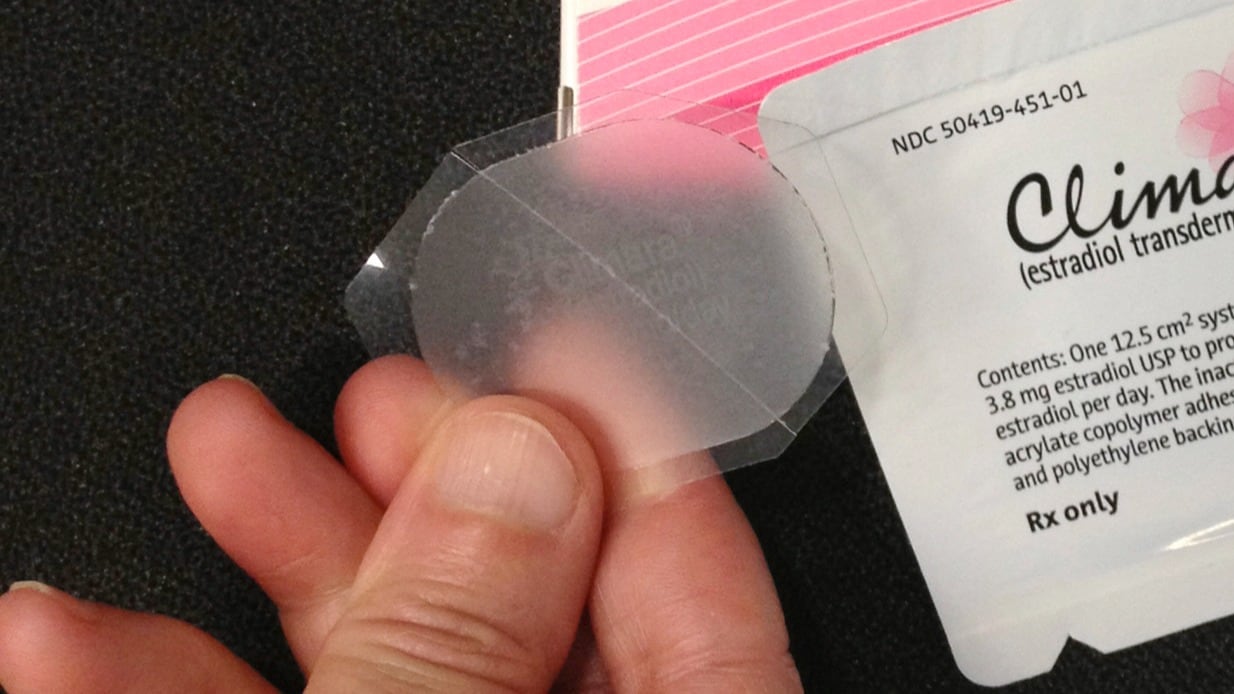
Women often use hormone therapy to relieve hot flashes and other menopause symptoms — and new research suggests patches or creams may be safer for their blood pressure than pills.
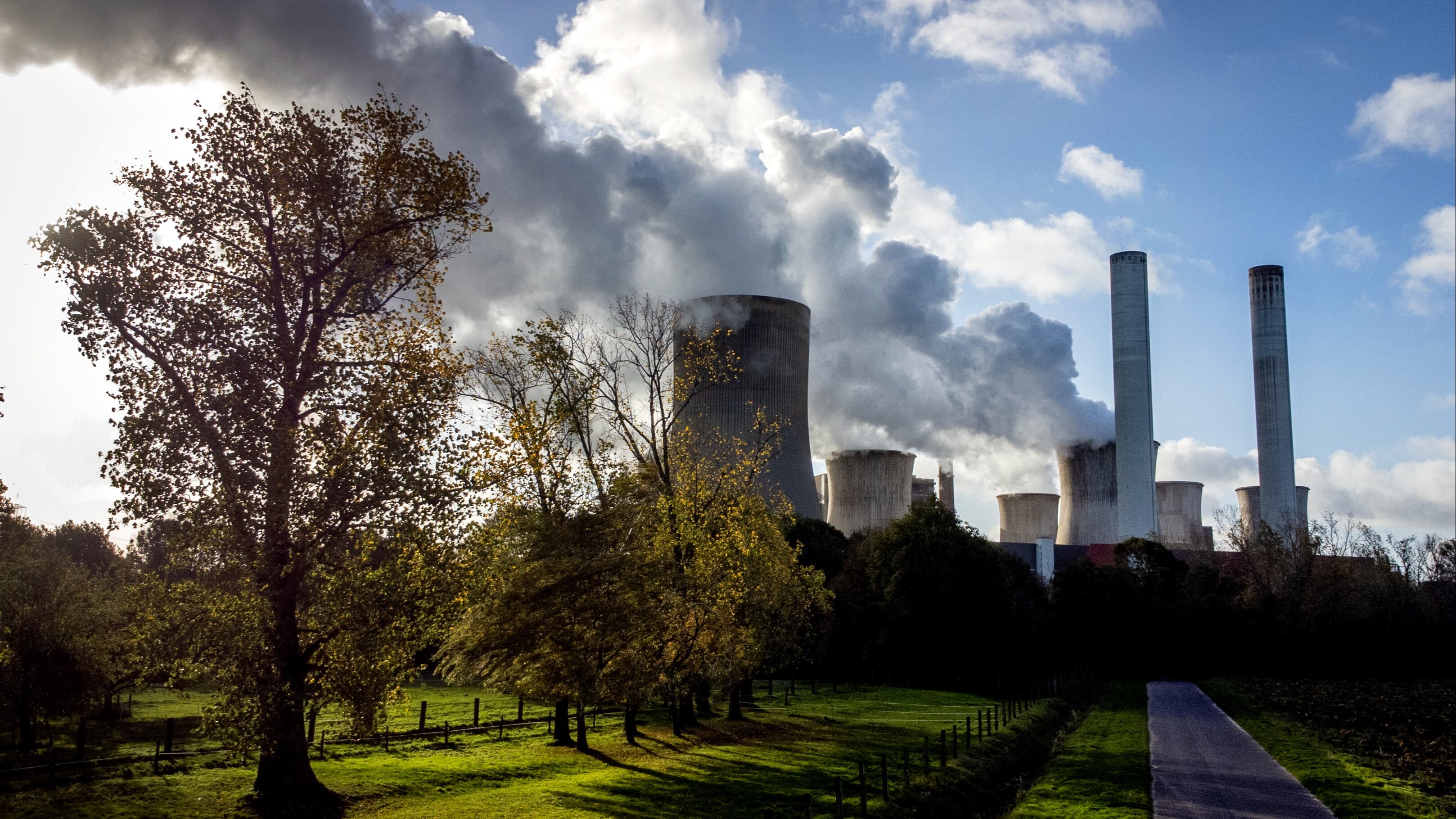
The cause of global warming is showing no signs of slowing as heat-trapping carbon dioxide in Earth’s atmosphere increased to record highs in its annual Spring peak, jumping at one of the fastest rates on record, officials announced Monday.