The famed Darwin's Arch in the Galapagos Islands has lost its top, and officials are blaming natural erosion of the stone.
Ecuador's Environment Ministry reported the collapse on its Facebook page on Monday.
The rock structure — 43 meters (141 feet) high, 70 meters (230 feet) long and 23 meters (75feet) wide — is less than 1 kilometer (about half a mile) from Darwin Island and it's a popular spot for scuba divers. It's not accessible by land.
“Obviously all the people from the Galapagos felt nostalgic because it’s something we’re familiar with since childhood, and to know that it has changed was a bit of a shock," said Washington Tapia, director of conservation at Galapagos Conservancy. "However, from a scientific point of view, it’s part of the natural process. The fall is surely due to exogenous processes such as weathering and erosion which are things that normally happen on our planet.”
The unique flora and fauna on remote islands, some 1,000 kilometers (600 miles) off the coast of mainland Ecuador are famed in part for inspiring Charles Darwin's thoughts on evolution.
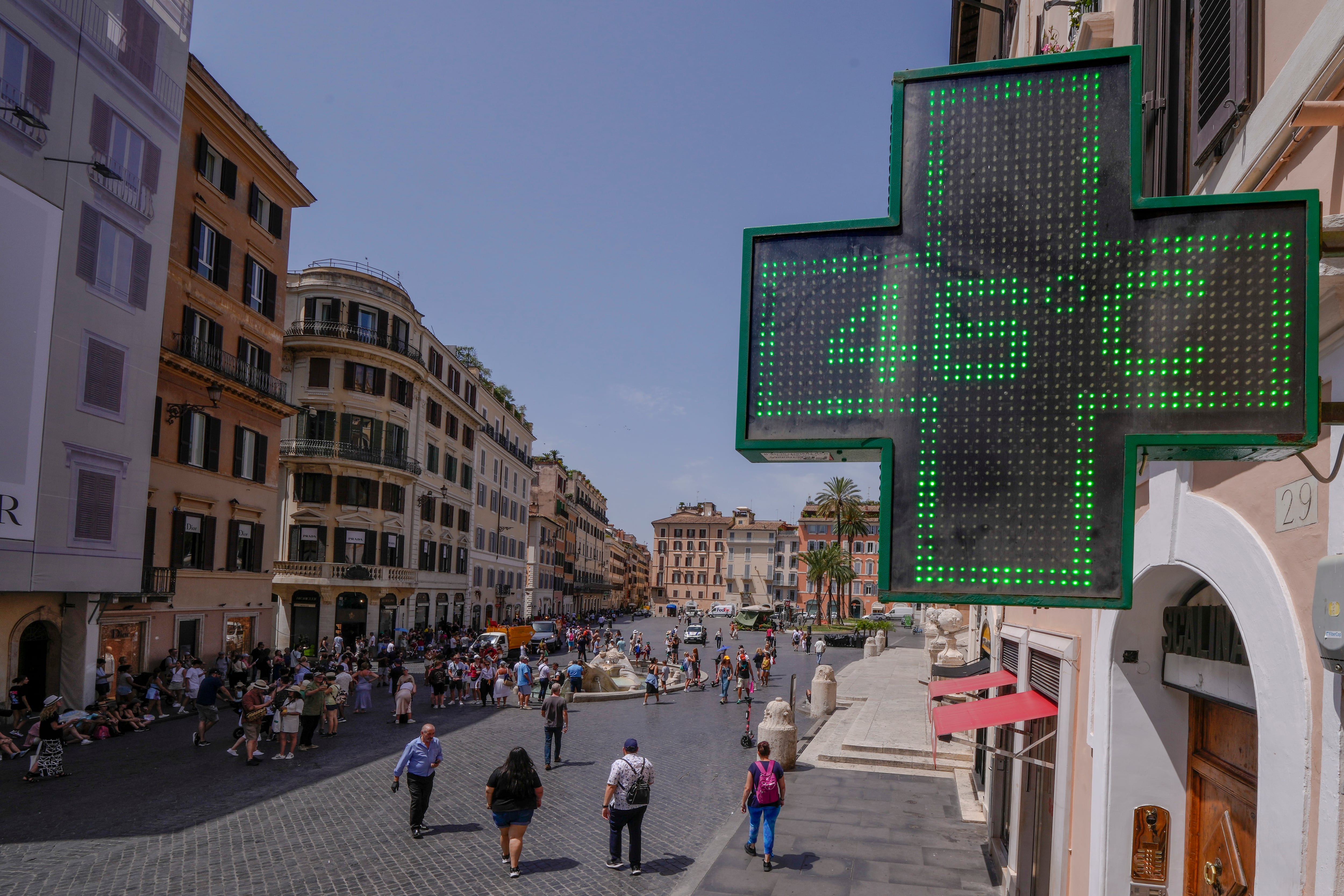
Officials warned residents and tourists packing Mediterranean destinations on Tuesday to stay indoors during the hottest hours as the second heat wave in as many weeks hits the region and Greece, Spain and Switzerland battled wildfires.
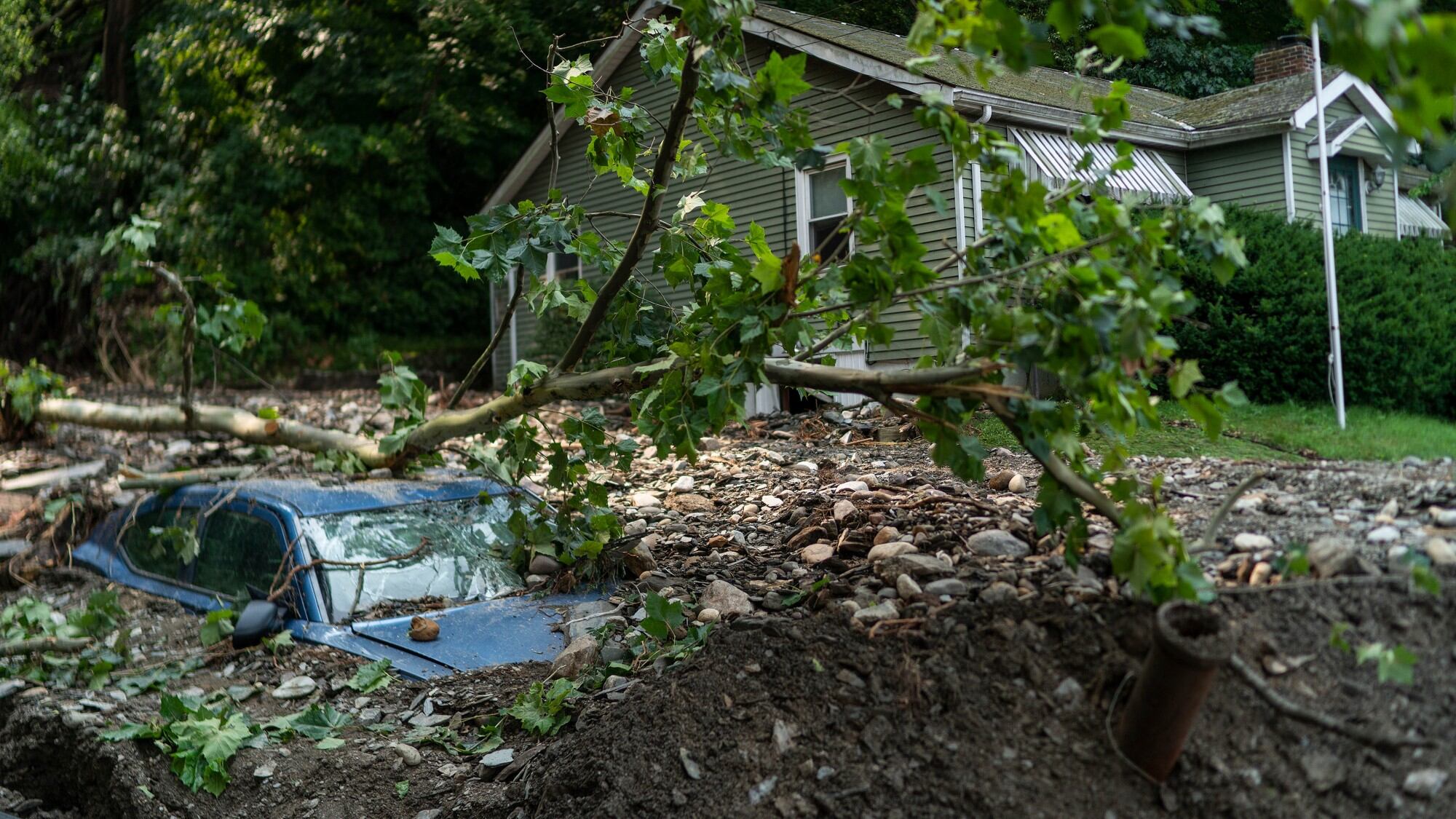
While the East Coast grappled with the aftermath of downpours that closed roads and rendered the water supply undrinkable in places, the West and other parts of the country contended with sizzling temperatures and unsafe air quality attributed to Canadian wildfires.
U.S. officials on Monday approved the first long-acting drug to protect babies and toddlers against a respiratory virus that sends tens of thousands of American children to the hospital each year.