The famed Darwin's Arch in the Galapagos Islands has lost its top, and officials are blaming natural erosion of the stone.
Ecuador's Environment Ministry reported the collapse on its Facebook page on Monday.
The rock structure — 43 meters (141 feet) high, 70 meters (230 feet) long and 23 meters (75feet) wide — is less than 1 kilometer (about half a mile) from Darwin Island and it's a popular spot for scuba divers. It's not accessible by land.
“Obviously all the people from the Galapagos felt nostalgic because it’s something we’re familiar with since childhood, and to know that it has changed was a bit of a shock," said Washington Tapia, director of conservation at Galapagos Conservancy. "However, from a scientific point of view, it’s part of the natural process. The fall is surely due to exogenous processes such as weathering and erosion which are things that normally happen on our planet.”
The unique flora and fauna on remote islands, some 1,000 kilometers (600 miles) off the coast of mainland Ecuador are famed in part for inspiring Charles Darwin's thoughts on evolution.
The shift from China to the U.S. has convinced some long-time bitcoin miners that renewable energy and crypto mining may actually be a better match for each other than expected.
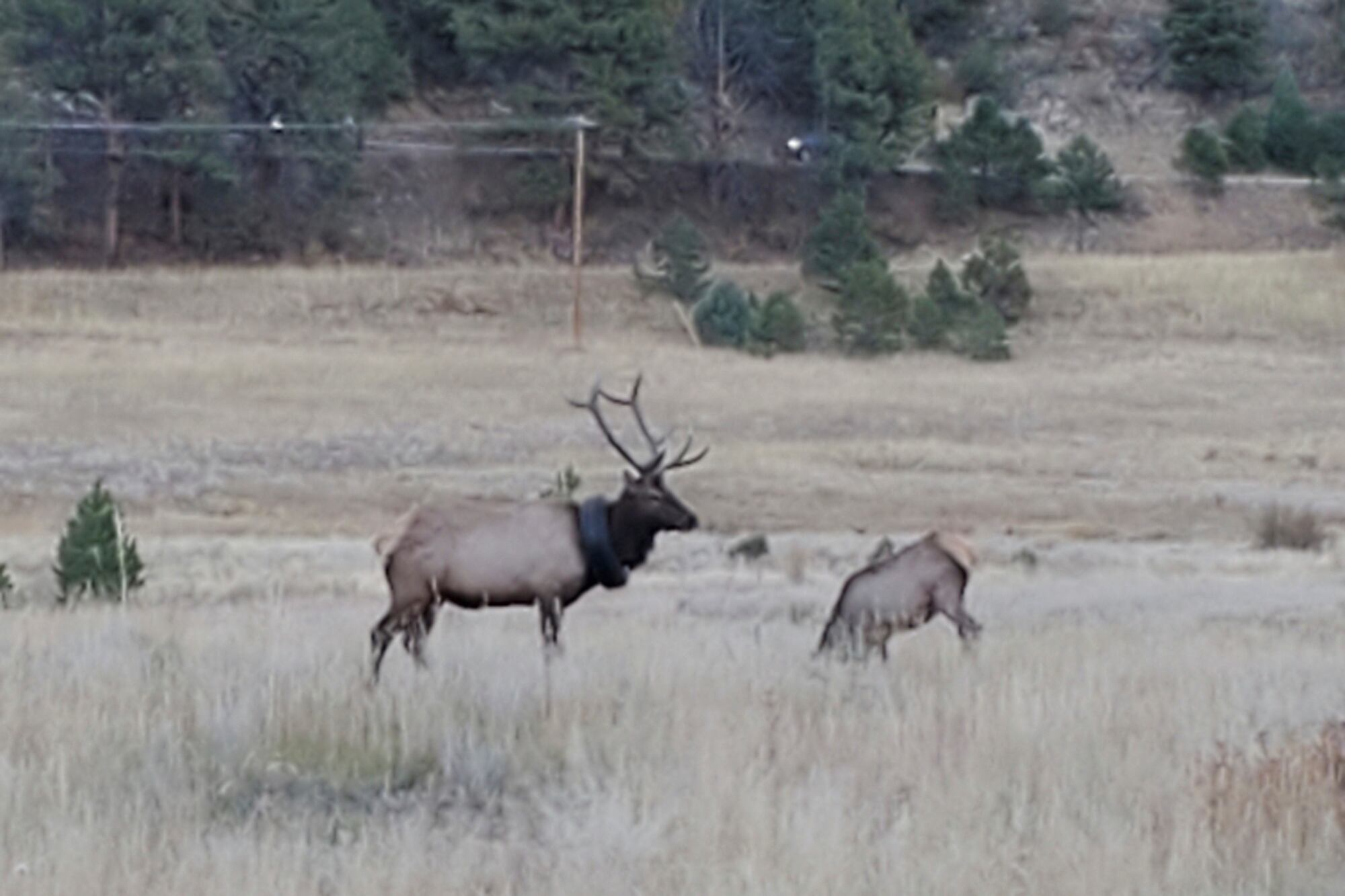
Colorado wildlife officials say an elusive elk that has been wandering the hills with a car tire around its neck for at least two years has finally been freed of the obstruction.
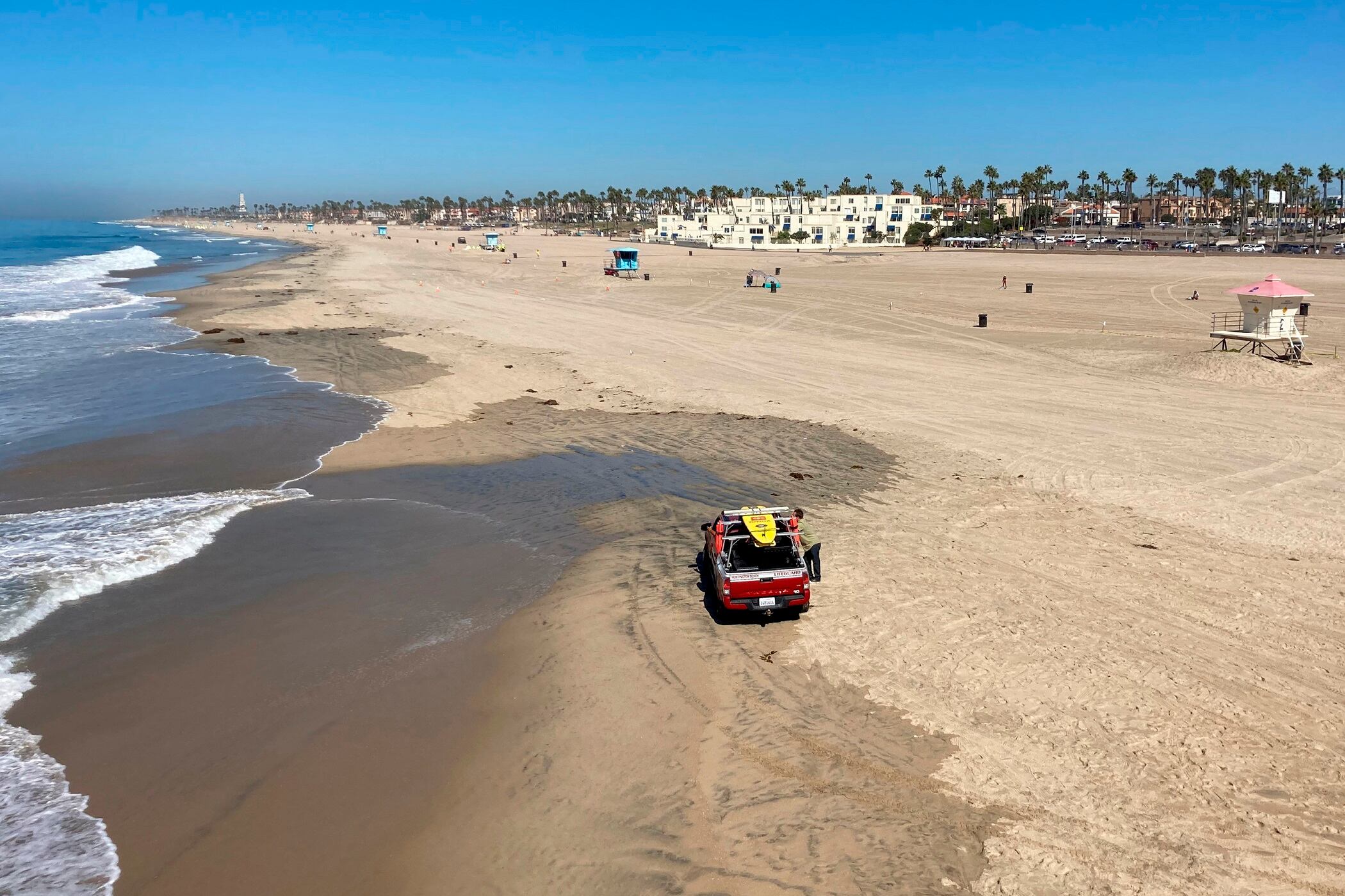
A popular Southern California beach that was closed for more than a week after an undersea pipeline leaked crude into ocean waters has reopened and it happened far sooner than many expected.
Amplify Energy’s emergency response plan for a major oil spill like the one unfolding in coastal Southern California depended heavily on a quick shutdown of its pipeline if sensors pick up a sudden loss of pressure.
A Russian actor and a film director have rocketed into space to make the world’s first movie in orbit.
Drugmaker Merck said Friday that its experimental COVID-19 pill reduced hospitalizations and deaths by half in people recently infected with the coronavirus and that it would soon ask health officials in the U.S. and around the world to authorize its use.
Video-sharing tech platform YouTube on Wednesday announced immediate bans on false claims that vaccines are dangerous and cause health issues like autism, cancer or infertility.
Alex Bell, a Post-Doctoral Scholar at UCLA, joins 'Cheddar Reveals' to discuss how exposure to innovation influences who becomes an inventor and how much genius has been lost over the years.
President Joe Biden is urging those now eligible for COVID-19 booster shots to get the added protection.
COVID-19 has now killed about as many Americans as the 1918-19 Spanish flu pandemic did — approximately 675,000.