The famed Darwin's Arch in the Galapagos Islands has lost its top, and officials are blaming natural erosion of the stone.
Ecuador's Environment Ministry reported the collapse on its Facebook page on Monday.
The rock structure — 43 meters (141 feet) high, 70 meters (230 feet) long and 23 meters (75feet) wide — is less than 1 kilometer (about half a mile) from Darwin Island and it's a popular spot for scuba divers. It's not accessible by land.
“Obviously all the people from the Galapagos felt nostalgic because it’s something we’re familiar with since childhood, and to know that it has changed was a bit of a shock," said Washington Tapia, director of conservation at Galapagos Conservancy. "However, from a scientific point of view, it’s part of the natural process. The fall is surely due to exogenous processes such as weathering and erosion which are things that normally happen on our planet.”
The unique flora and fauna on remote islands, some 1,000 kilometers (600 miles) off the coast of mainland Ecuador are famed in part for inspiring Charles Darwin's thoughts on evolution.
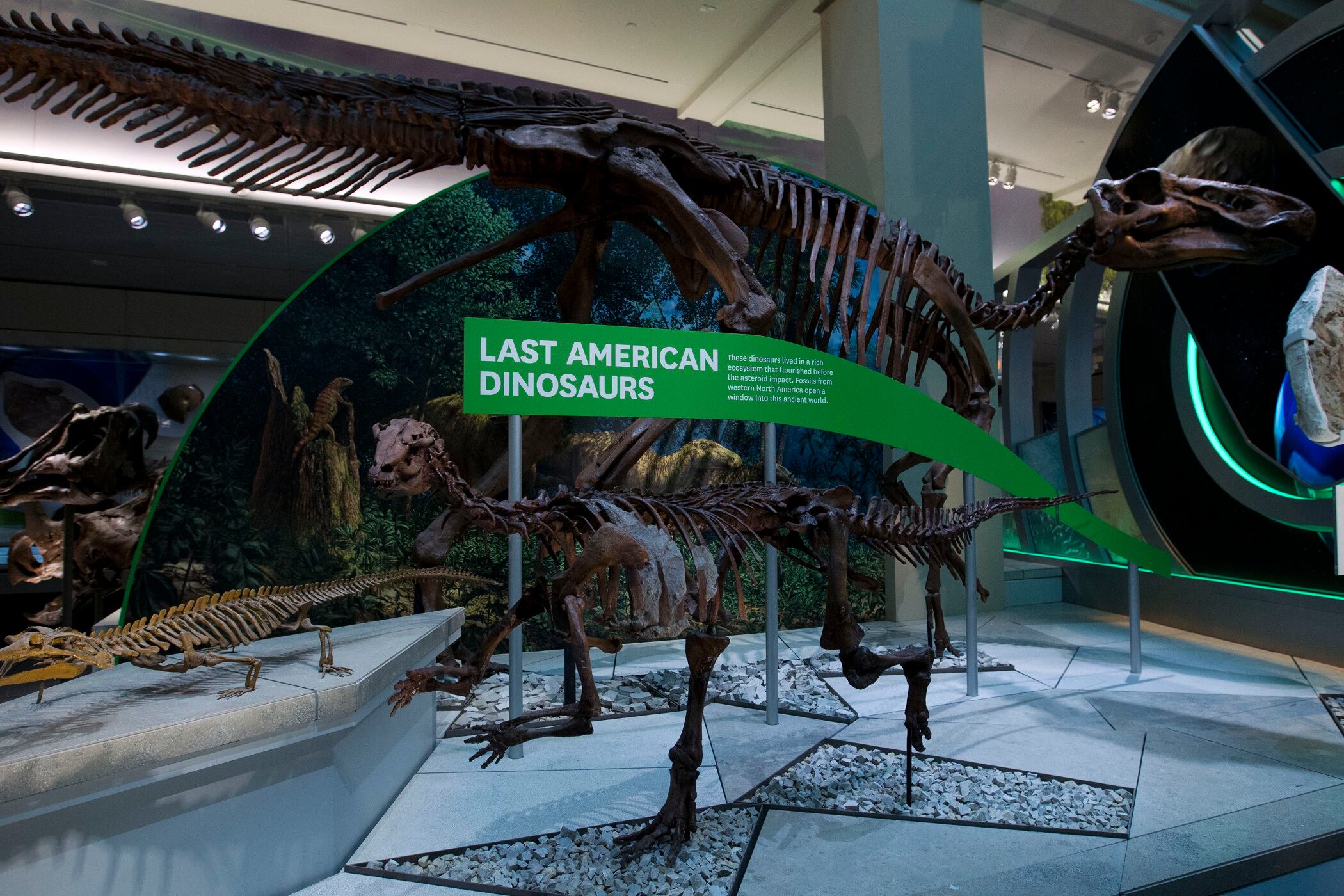
Scientists at the Smithsonian National Museum of Natural History joined Cheddar to discuss the possibility that the world is undergoing its sixth mass extinction event.
World leaders are promising to protect the world’s forests, cut methane emissions and help South Africa wean itself off coal at the U.N. climate summit.
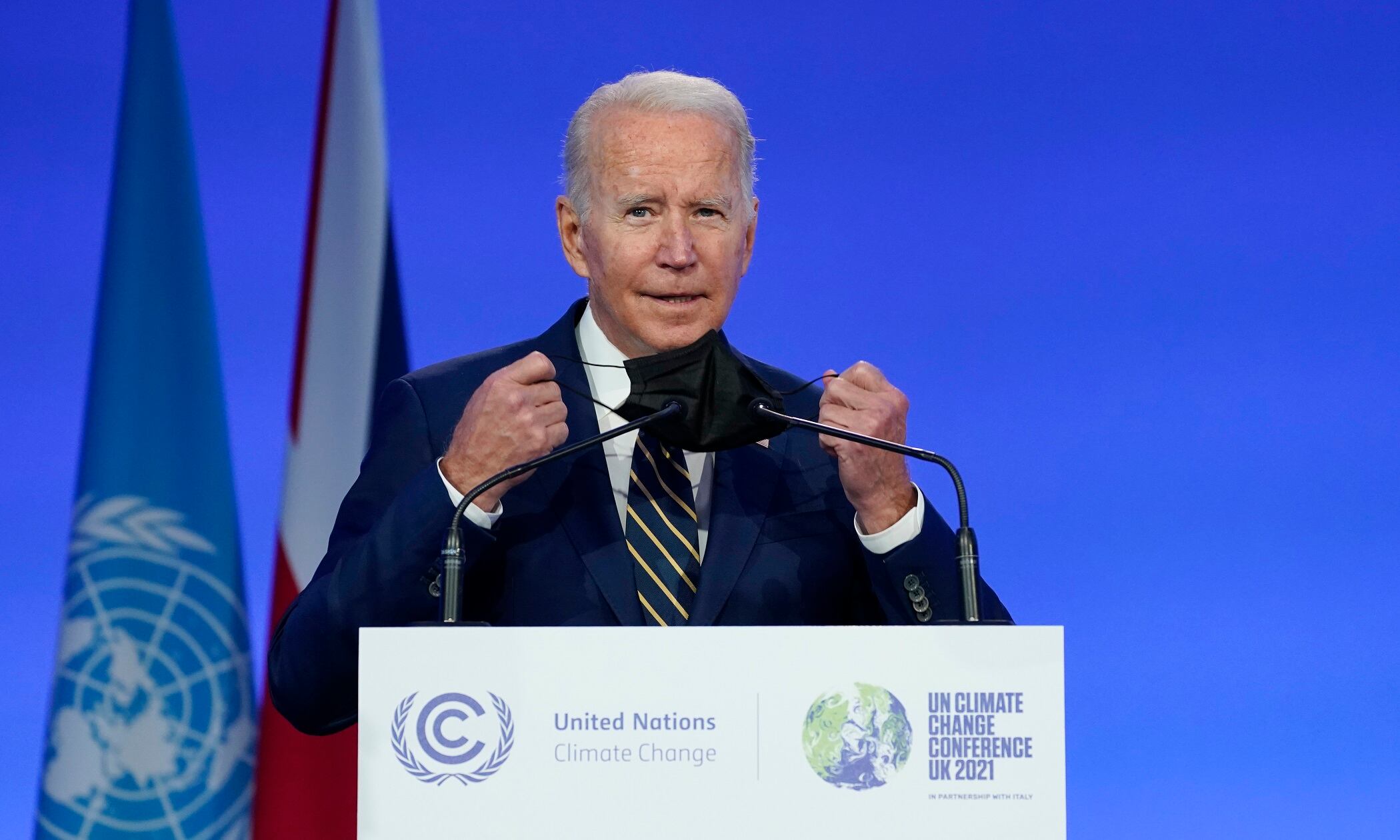
President Joe Biden is taking a markedly more humble tone for a U.S. leader on climate change.
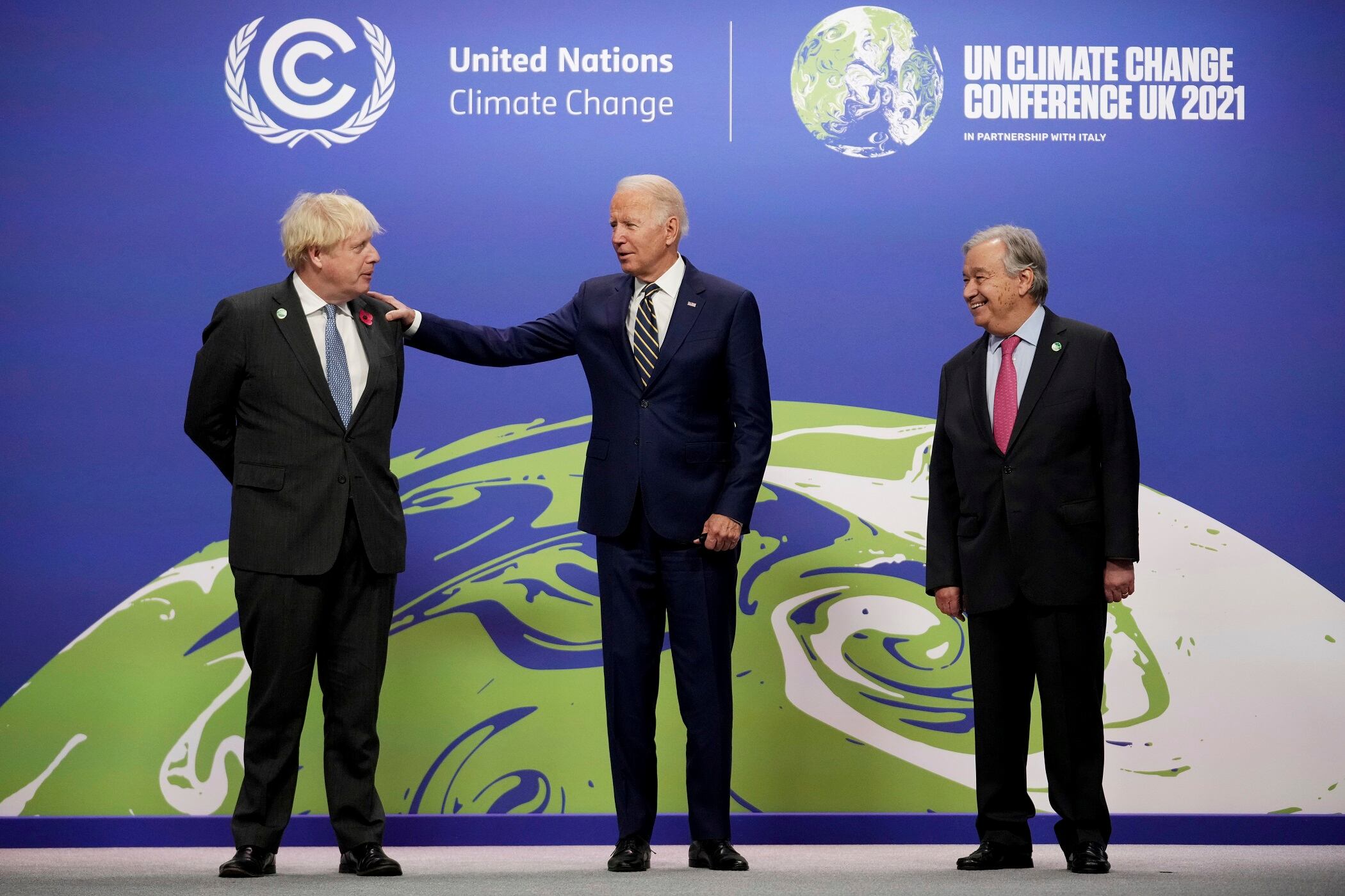
British Prime Minister Boris Johnson has opened a global climate summit, saying the world is strapped to a “doomsday device.”
A new study found a cheap antidepressant reduced the need for hospitalization among high-risk adults with COVID-19.
A group of prominent academics and activists are calling on banks and insurers to avoid the kind of systemic collapse that crippled the world economy back in 2008.
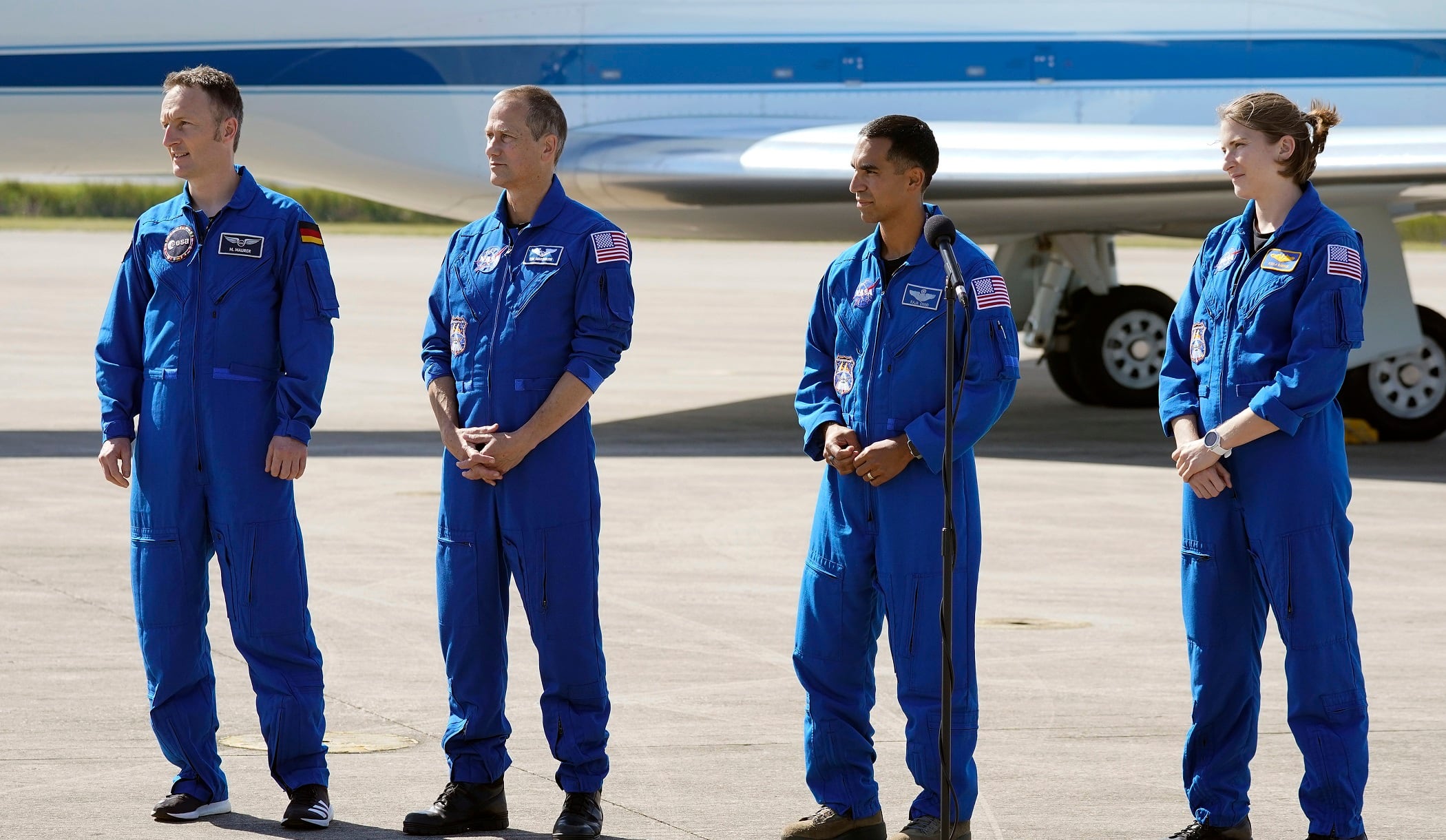
SpaceX is resolving toilet spills in its capsules before it launches another crew for NASA. Liftoff is currently set for early Sunday from Florida's Kennedy Space Center.
U.S. health advisers have endorsed kid-size doses of Pfizer's COVID-19 vaccine for younger children.
Last spring, as false claims about vaccine safety threatened to undermine the world's response to COVID-19, researchers at Facebook found they could reduce vaccine misinformation by tweaking how vaccine posts show up on users' newsfeeds.
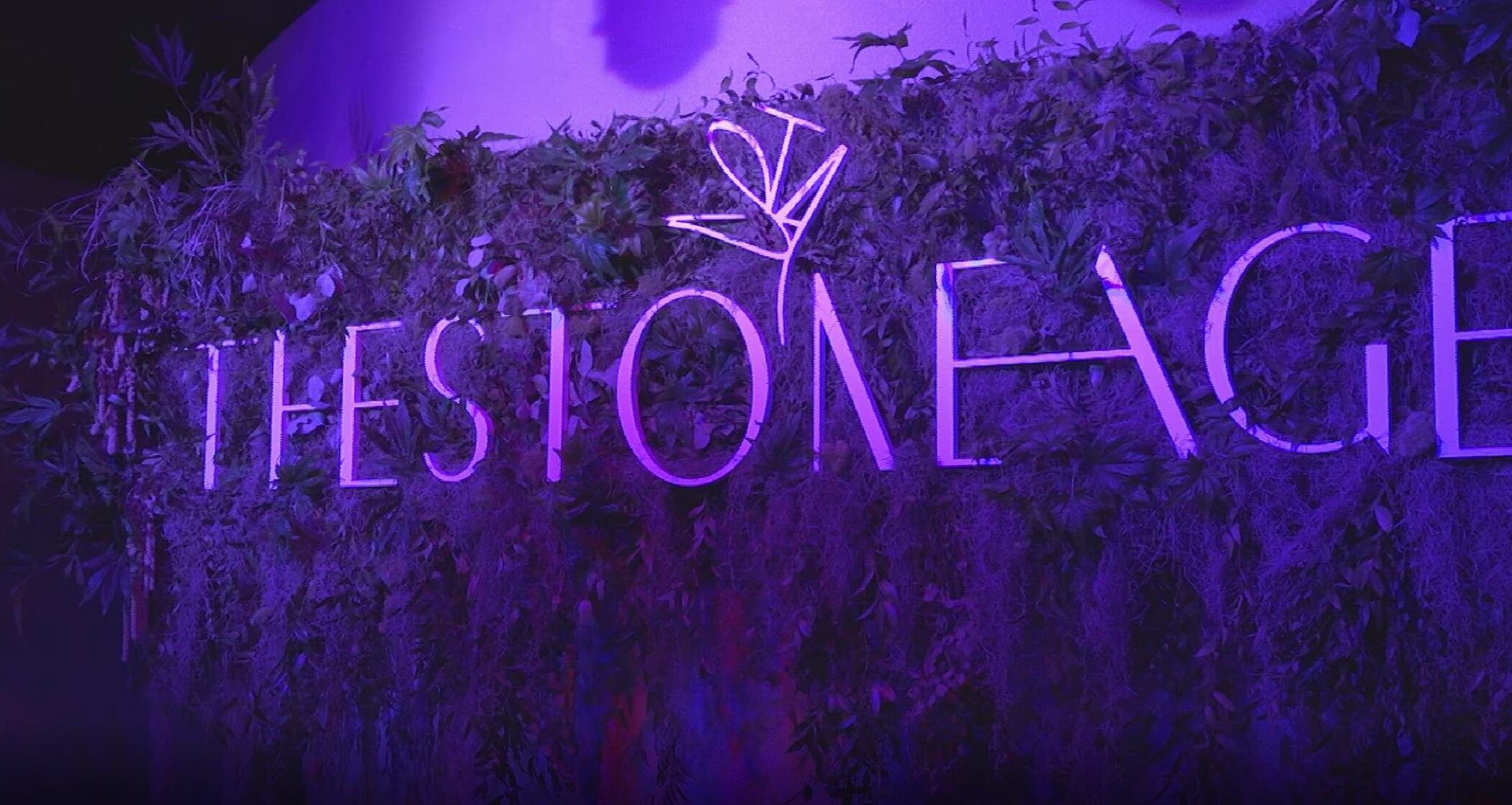
New York City's first immersive cannabis experience, The Stone Age, is seeking to change the narrative about cannabis, just in time for legalization.