The famed Darwin's Arch in the Galapagos Islands has lost its top, and officials are blaming natural erosion of the stone.
Ecuador's Environment Ministry reported the collapse on its Facebook page on Monday.
The rock structure — 43 meters (141 feet) high, 70 meters (230 feet) long and 23 meters (75feet) wide — is less than 1 kilometer (about half a mile) from Darwin Island and it's a popular spot for scuba divers. It's not accessible by land.
“Obviously all the people from the Galapagos felt nostalgic because it’s something we’re familiar with since childhood, and to know that it has changed was a bit of a shock," said Washington Tapia, director of conservation at Galapagos Conservancy. "However, from a scientific point of view, it’s part of the natural process. The fall is surely due to exogenous processes such as weathering and erosion which are things that normally happen on our planet.”
The unique flora and fauna on remote islands, some 1,000 kilometers (600 miles) off the coast of mainland Ecuador are famed in part for inspiring Charles Darwin's thoughts on evolution.
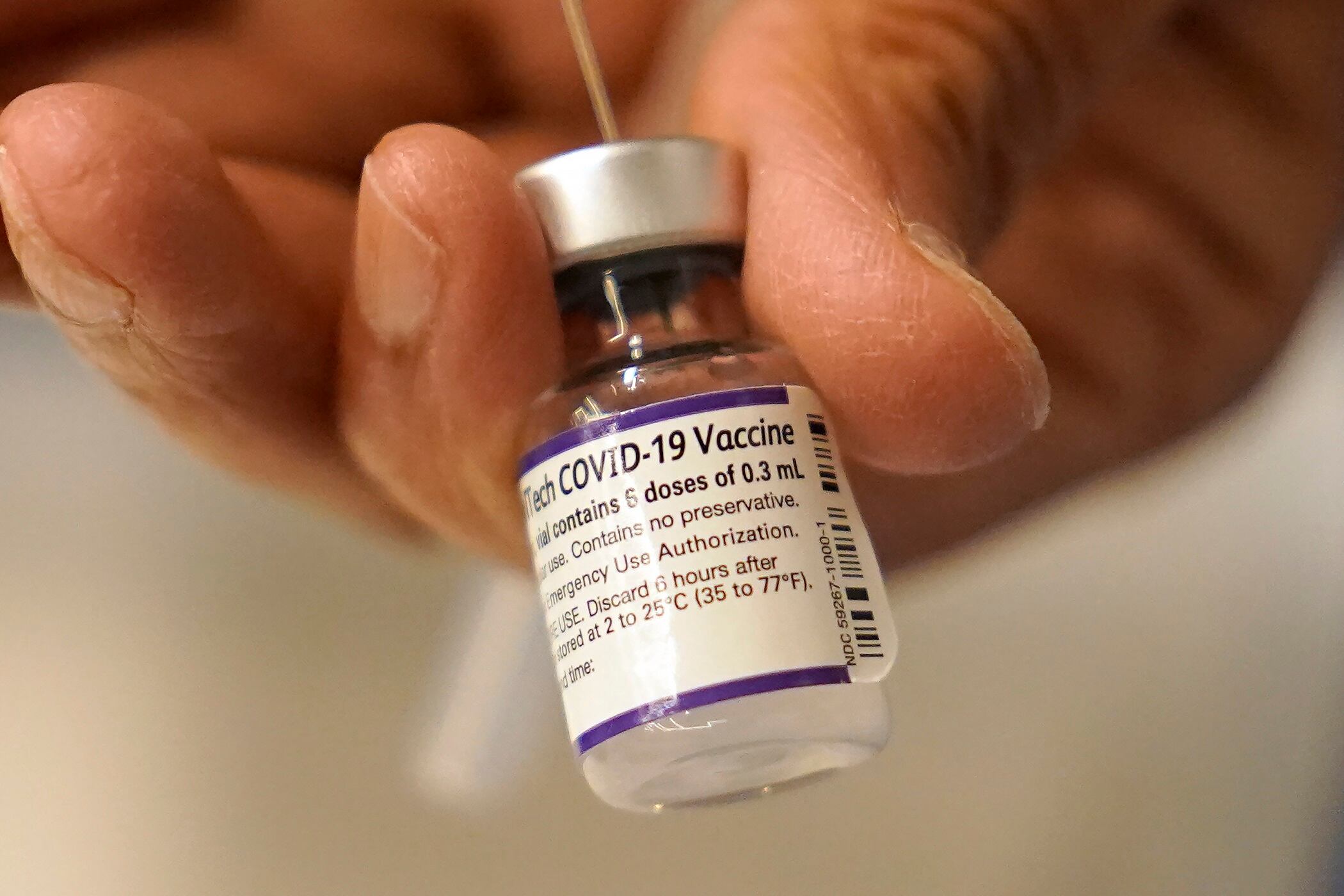
Pfizer says a booster dose of its COVID-19 vaccine appears to offer important protection against the new omicron variant.
A Japanese billionaire and his producer rocketed to space on Wednesday and reached the International Space Station several hours later.
Hawaii Flooding, Beijing Boycott & Disrupting Death
With rising numbers of COVID-19 cases predicted this winter, President Joe Biden is appealing for Americans to get their boosters and get behind his plan to tackle the new omicron variant through wider availability of vaccines and shots.
The U.S. identified its first known case of the omicron variant Wednesday — in a vaccinated traveler returning to California from South Africa — as scientists around the world raced to establish whether the new, mutant version of the coronavirus is more dangerous than the previous ones.
A person in California has become the first in the U.S. to have an identified case of the omicron variant of COVID-19.
The Supreme Court’s conservative majority is signaling it will uphold Mississippi’s 15-week ban on abortion — and may go much further to overturn the nationwide right to abortion that has existed for nearly 50 years.
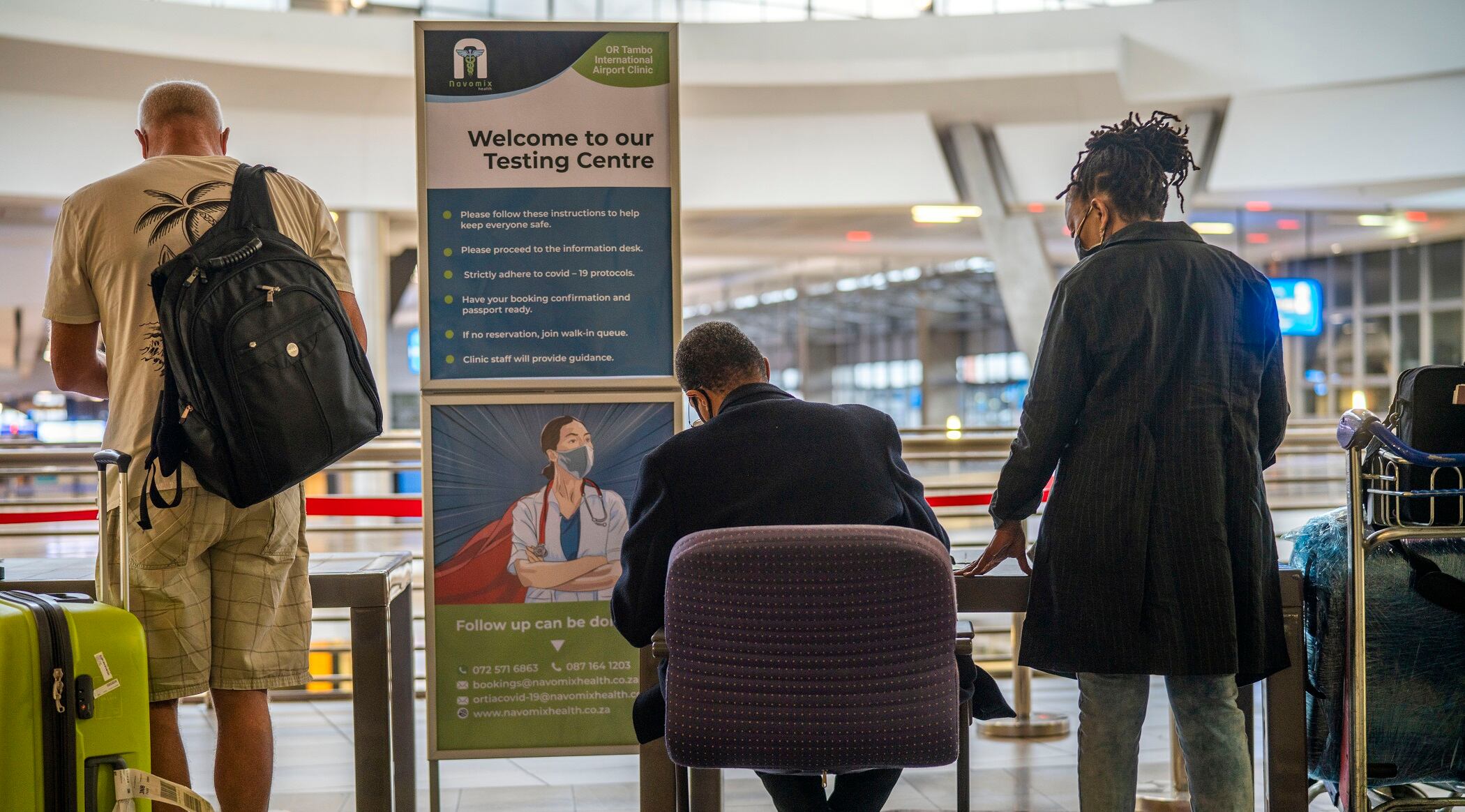
The world is confronting a new coronavirus variant, and officials have named it “omicron." A World Health Organization panel has classified it as a highly transmissible virus of concern.
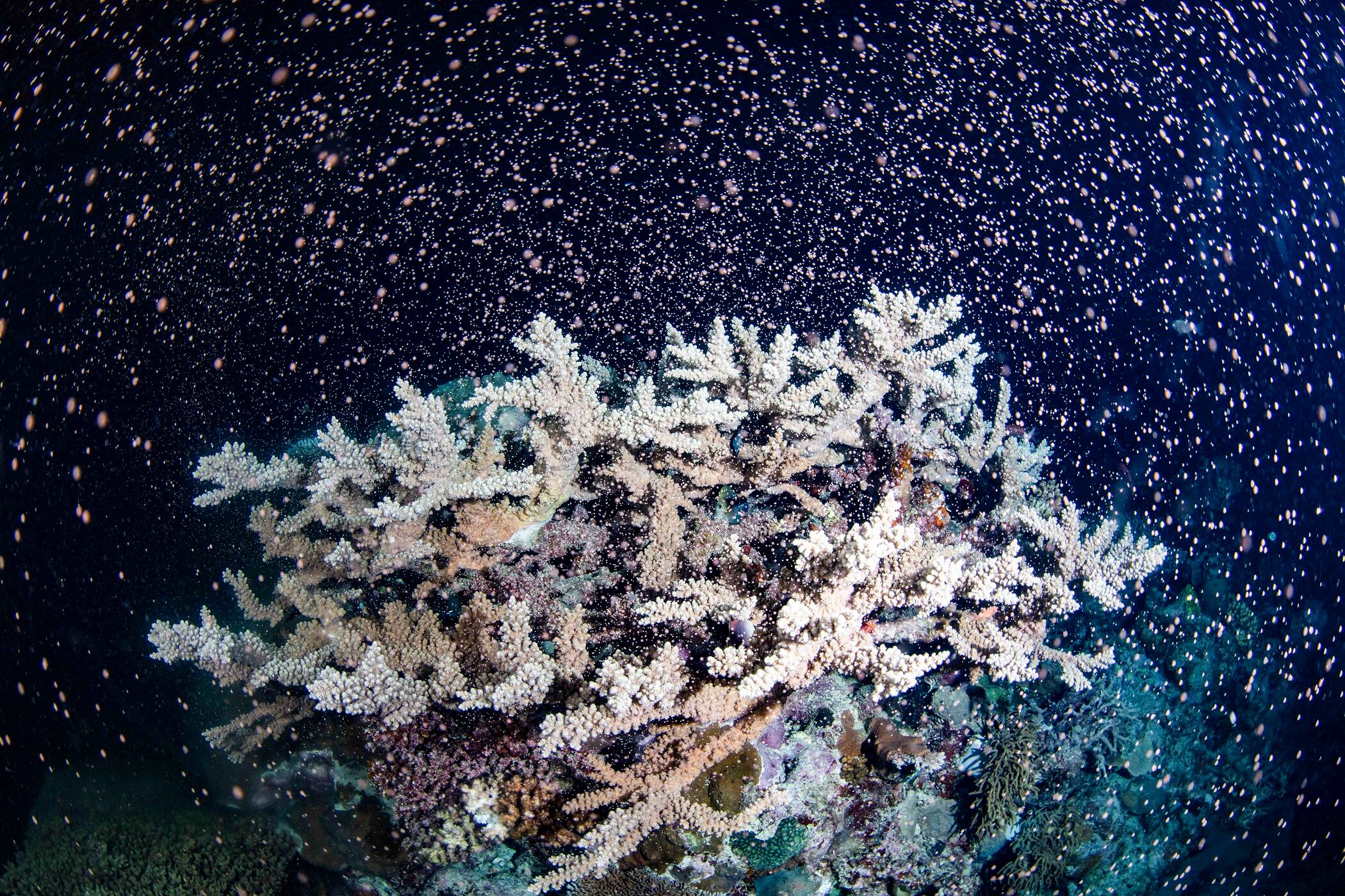
Australia’s Great Barrier Reef is spawning in an explosion of color as the World Heritage-listed natural wonder recovers from life-threatening coral bleaching episodes.
Climate change that may have contributed to a lobster boom in Maine could soon lead to a bust. Chloe Aiello reports.