The famed Darwin's Arch in the Galapagos Islands has lost its top, and officials are blaming natural erosion of the stone.
Ecuador's Environment Ministry reported the collapse on its Facebook page on Monday.
The rock structure — 43 meters (141 feet) high, 70 meters (230 feet) long and 23 meters (75feet) wide — is less than 1 kilometer (about half a mile) from Darwin Island and it's a popular spot for scuba divers. It's not accessible by land.
“Obviously all the people from the Galapagos felt nostalgic because it’s something we’re familiar with since childhood, and to know that it has changed was a bit of a shock," said Washington Tapia, director of conservation at Galapagos Conservancy. "However, from a scientific point of view, it’s part of the natural process. The fall is surely due to exogenous processes such as weathering and erosion which are things that normally happen on our planet.”
The unique flora and fauna on remote islands, some 1,000 kilometers (600 miles) off the coast of mainland Ecuador are famed in part for inspiring Charles Darwin's thoughts on evolution.
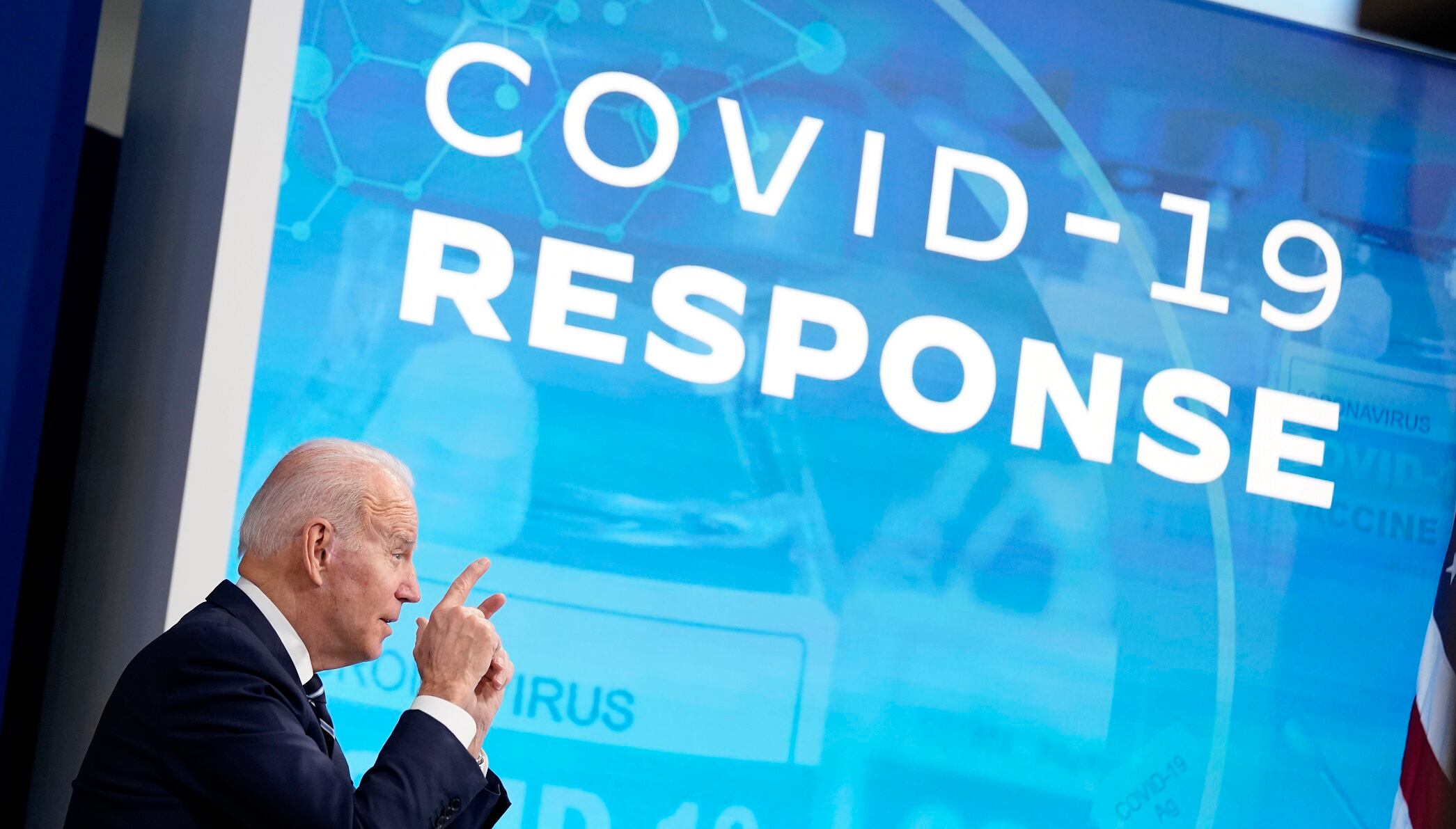
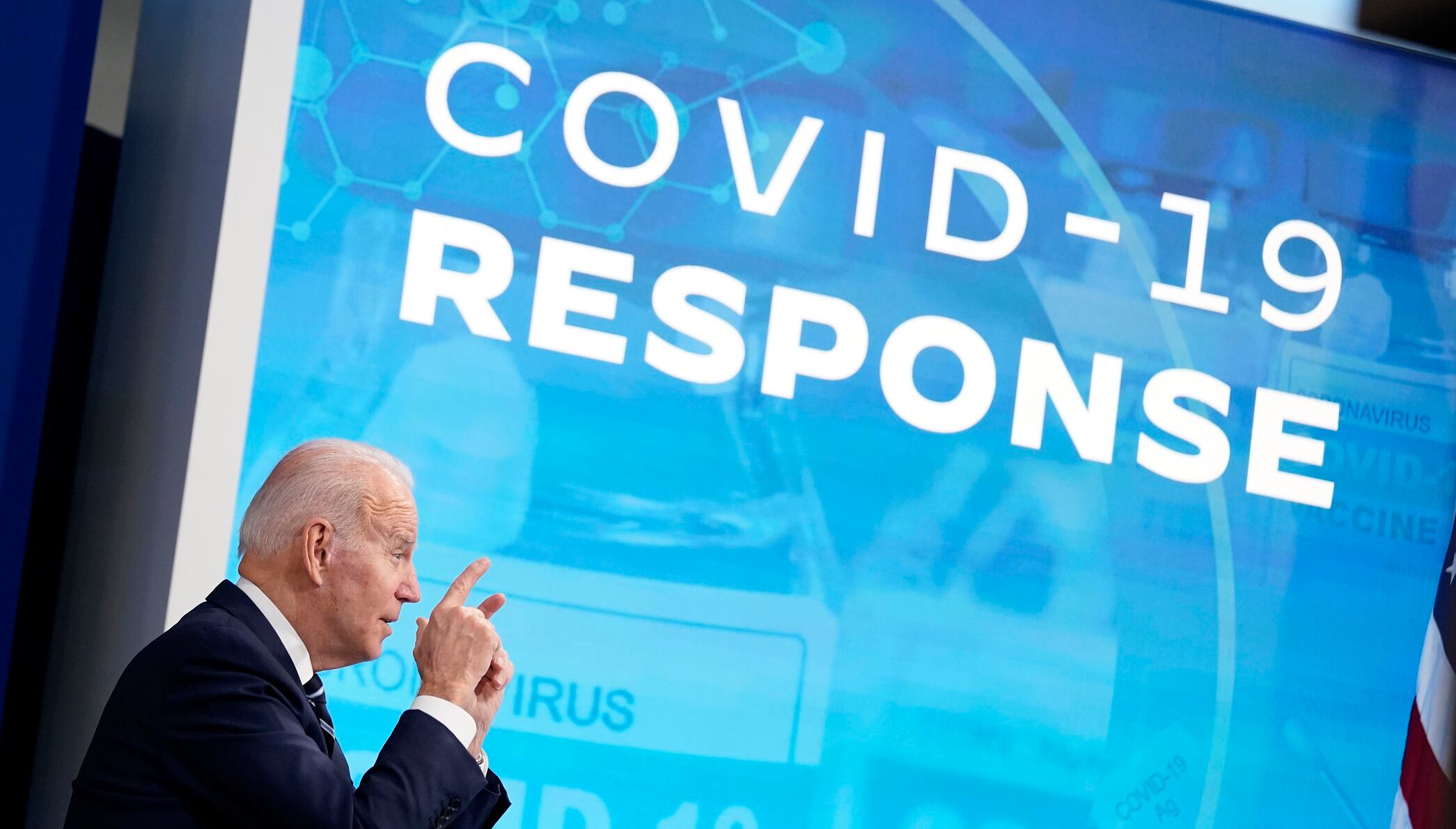
The Biden administration on Tuesday quietly launched its website for Americans to request free at-home COVID-19 tests, a day before the site was scheduled to officially launch.
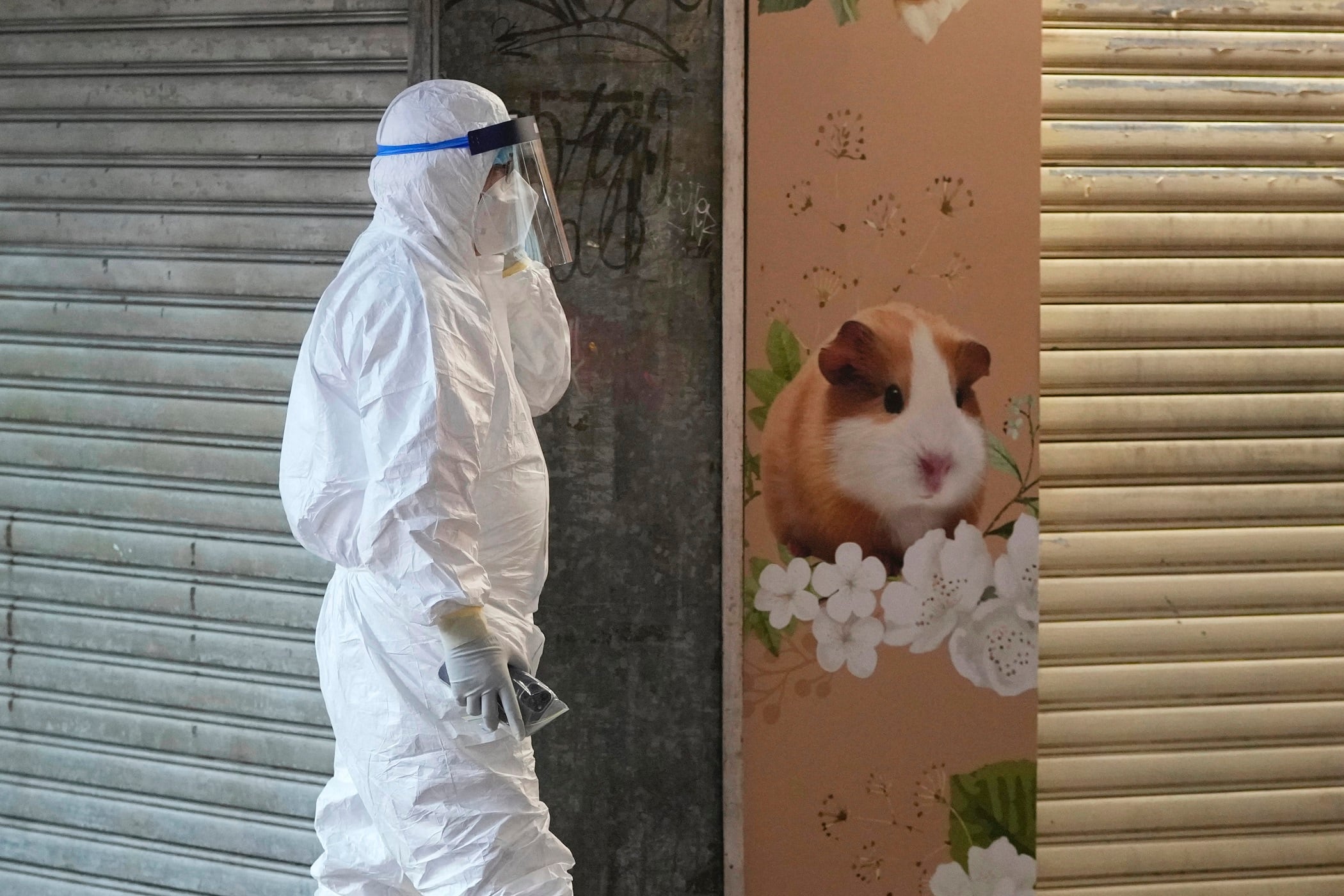
Hong Kong authorities say they will kill about 2,000 small animals, including hamsters, after several tested positive for the coronavirus at a pet store where an employee was also infected.
Technology-driven sustainable waste management platform, RoadRunner Recycling, recently raised a $70 million Series D round from BeyondNetZero, the climate investing venture of General Atlantic. RoadRunner says it creates and manages end-to-end waste and recycling solutions for businesses of all sizes and that its proprietary technology can boost cost savings and improve recycling rates for companies, which in turn drives sustainability for the waste industry and our world. RoadRunner Recycling founder and CEO Graham Rihn joined Cheddar News' Closing Bell to discuss.
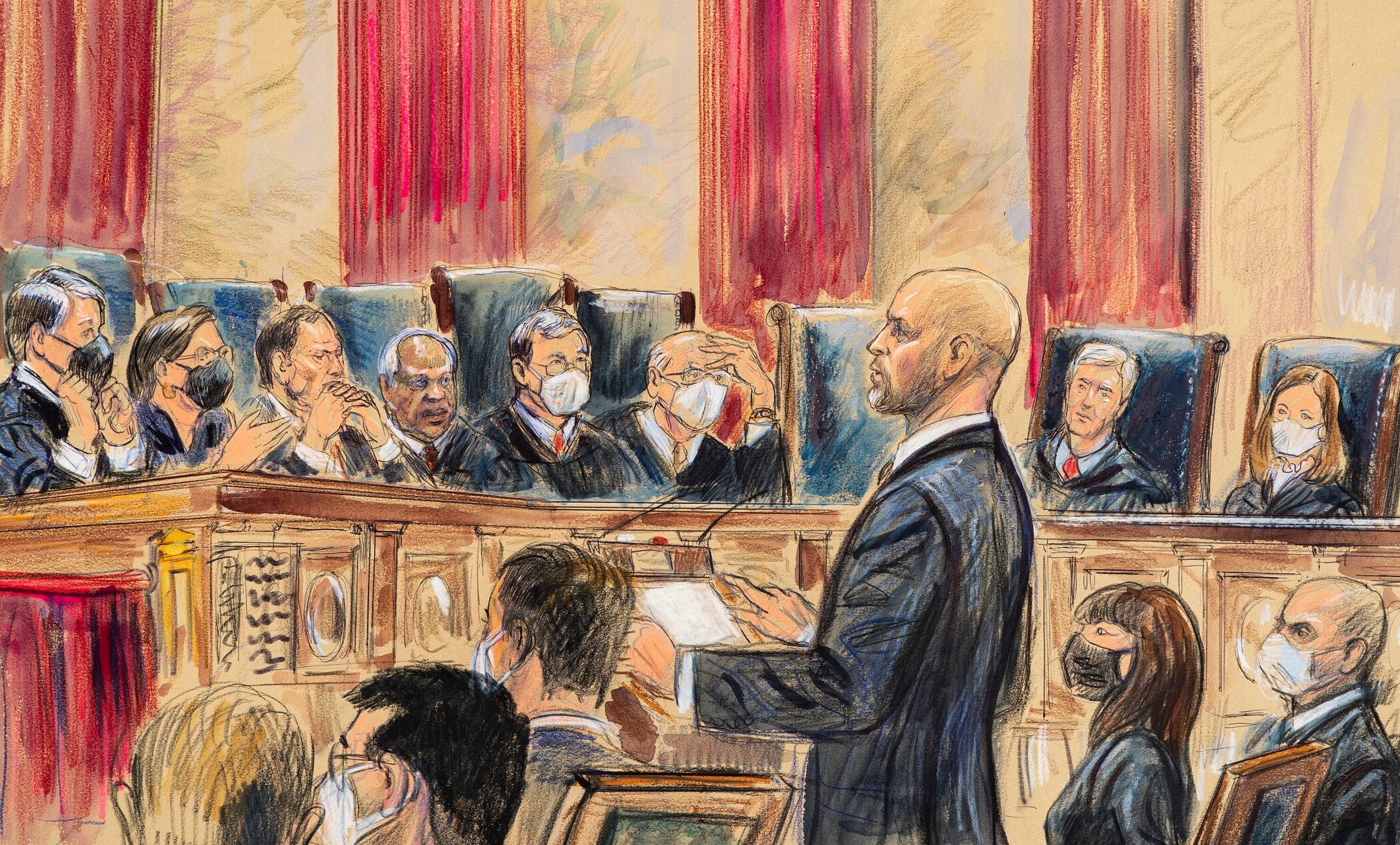
The Supreme Court has stopped the Biden administration from enforcing a requirement that employees at large businesses be vaccinated against COVID-19 or undergo weekly testing and wear a mask on the job.