The famed Darwin's Arch in the Galapagos Islands has lost its top, and officials are blaming natural erosion of the stone.
Ecuador's Environment Ministry reported the collapse on its Facebook page on Monday.
The rock structure — 43 meters (141 feet) high, 70 meters (230 feet) long and 23 meters (75feet) wide — is less than 1 kilometer (about half a mile) from Darwin Island and it's a popular spot for scuba divers. It's not accessible by land.
“Obviously all the people from the Galapagos felt nostalgic because it’s something we’re familiar with since childhood, and to know that it has changed was a bit of a shock," said Washington Tapia, director of conservation at Galapagos Conservancy. "However, from a scientific point of view, it’s part of the natural process. The fall is surely due to exogenous processes such as weathering and erosion which are things that normally happen on our planet.”
The unique flora and fauna on remote islands, some 1,000 kilometers (600 miles) off the coast of mainland Ecuador are famed in part for inspiring Charles Darwin's thoughts on evolution.
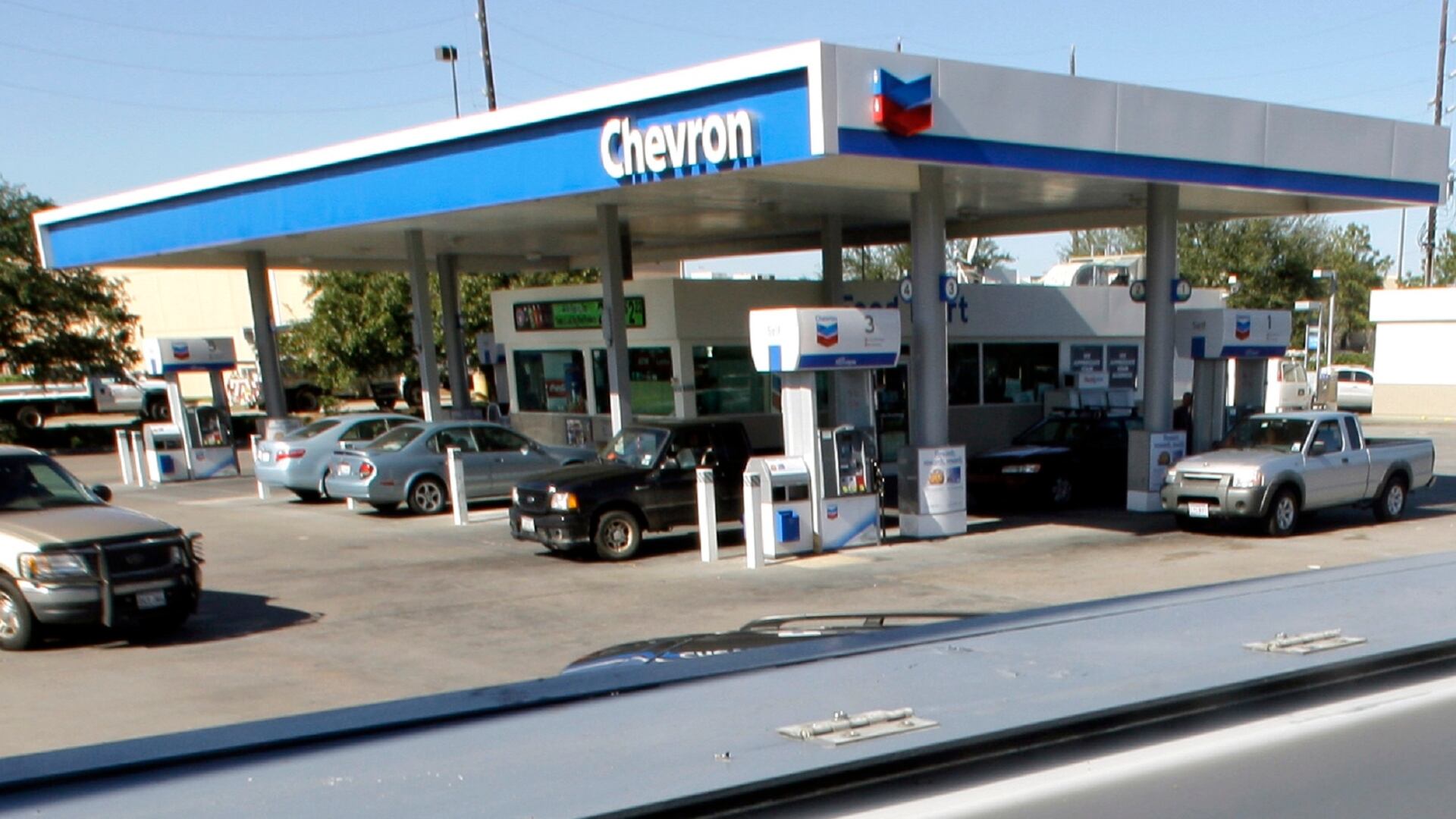
Energy company Chevron has set a goal to reduce its operational carbon footprint to net zero by 2050. However, the company has not committed to reducing emissions on its gas and oil products.
Google's users will now have extensive greener options. The updated services across platforms will allow users to look for eco-friendly routes in Google Maps, book flights with low carbon emissions, and reduce energy usage at home with Nest thermostats.
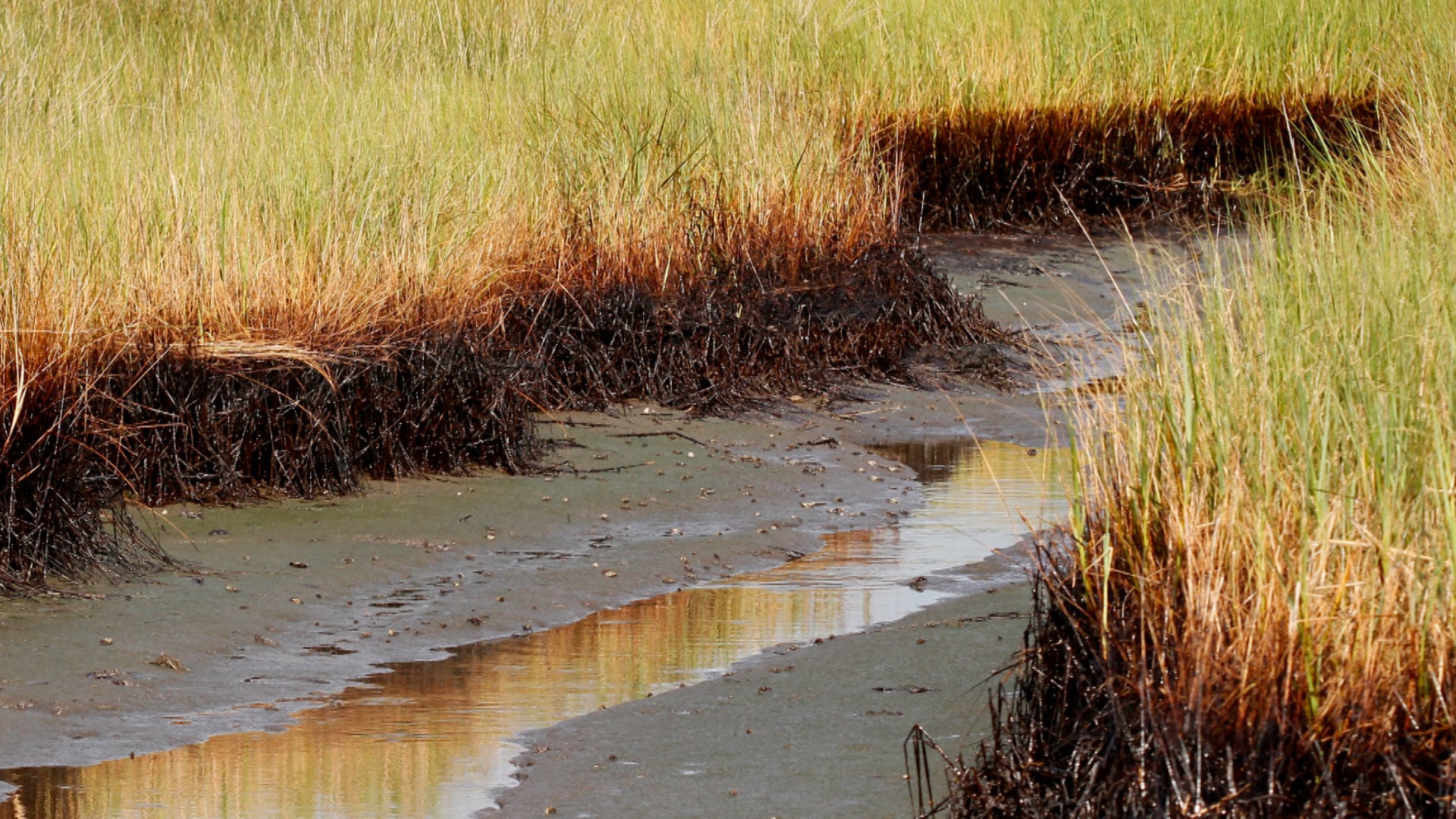
The recent California oil spill has wreaked havoc on the shores of Huntington Beach as wildlife habitats and potentially some people have been exposed to the 140,000+ gallons of oil in the ocean. Cheddar News was joined by Dr. Deborah Bronsan, President of Deborah Bronson & Associates to learn more about the environmental dangers and how the area can recover from this tragedy.
Blue Bear Capital, a venture and growth equity firm focusing on AI-powered solutions for the world’s energy, infrastructure, and climate challenges, recently announced it has raised $150 million dollars in new funding. Ernst Sack, Partner at Blue Bear Capital, joins Cheddar Climate the vision his company has when it comes to combating climate change.
Several major carriers have followed in the steps of United Airlines and will now require its staff to be vaccinated against COVID-19. Those airlines include American, Jet Blue, and Alaskan.