The famed Darwin's Arch in the Galapagos Islands has lost its top, and officials are blaming natural erosion of the stone.
Ecuador's Environment Ministry reported the collapse on its Facebook page on Monday.
The rock structure — 43 meters (141 feet) high, 70 meters (230 feet) long and 23 meters (75feet) wide — is less than 1 kilometer (about half a mile) from Darwin Island and it's a popular spot for scuba divers. It's not accessible by land.
“Obviously all the people from the Galapagos felt nostalgic because it’s something we’re familiar with since childhood, and to know that it has changed was a bit of a shock," said Washington Tapia, director of conservation at Galapagos Conservancy. "However, from a scientific point of view, it’s part of the natural process. The fall is surely due to exogenous processes such as weathering and erosion which are things that normally happen on our planet.”
The unique flora and fauna on remote islands, some 1,000 kilometers (600 miles) off the coast of mainland Ecuador are famed in part for inspiring Charles Darwin's thoughts on evolution.
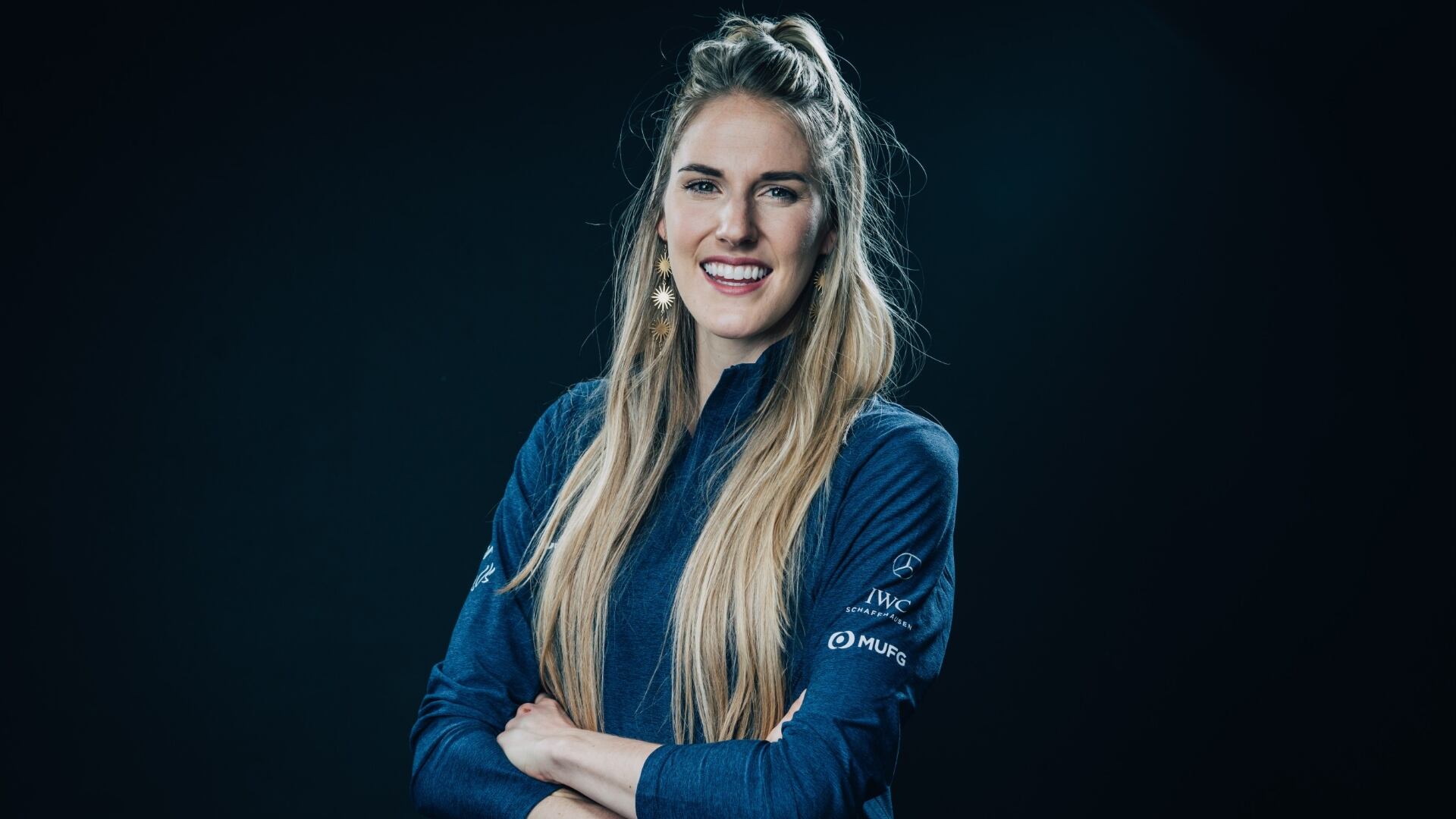
Five-time Olympic gold medal swimmer Missy Franklin was at the top of her sport when a shoulder injury forced her to retire. After that, her father was diagnosed with a rare kidney disease that forced her family to come together to support him. Now Franklin is working with Otsuka Pharmaceutical to raise awareness of genetic diseases and ADPKD, the disease that affected her father.
Federal health officials are expanding an investigation into potentially lead-tainted pouches of apple cinnamon fruit puree marketed for children amid reports of more illnesses and additional product recalls.
Kamili Bell Hill, author of "Happy Plants, Happy You: A Plant-Care & Self-Care Guide for the Modern Houseplant Parent," explains what you can do to make your houseplants thrive.
Marci Hopkins, recovery expert and author of "Chaos to Clarity: Seeing The Signs and Breaking The Cycles," talks about her own intergenerational experience with addiction that drove her to make changes and help others.
The Centers for Disease Control and Prevention announced that it will expand its infectious disease surveillance programs at major airports around the country.
Astronaut Thomas Kenneth Mattingly, who helped bring the crew of Apollo 13 back to earth after an explosion threatened their lunar mission, has died at 87.