The famed Darwin's Arch in the Galapagos Islands has lost its top, and officials are blaming natural erosion of the stone.
Ecuador's Environment Ministry reported the collapse on its Facebook page on Monday.
The rock structure — 43 meters (141 feet) high, 70 meters (230 feet) long and 23 meters (75feet) wide — is less than 1 kilometer (about half a mile) from Darwin Island and it's a popular spot for scuba divers. It's not accessible by land.
“Obviously all the people from the Galapagos felt nostalgic because it’s something we’re familiar with since childhood, and to know that it has changed was a bit of a shock," said Washington Tapia, director of conservation at Galapagos Conservancy. "However, from a scientific point of view, it’s part of the natural process. The fall is surely due to exogenous processes such as weathering and erosion which are things that normally happen on our planet.”
The unique flora and fauna on remote islands, some 1,000 kilometers (600 miles) off the coast of mainland Ecuador are famed in part for inspiring Charles Darwin's thoughts on evolution.
The Biden administration is set to boost the health standards of meals provided in public schools across the U.S.
The Food and Drug Administration still hasn't regulated the cannabis compound CBD — and the agency said it has no plans to.
World food prices fell in January for the 10th straight month, according to data.
An arctic blast is hitting the Northeast as millions are dealing with wind chills that could hit as low as 60 below zero.
Aerospace startup Atomos Space, which is developing a series of orbital transfer vehicles to help reposition satellites in space, recently closed on a $16 million financing round. CEO Vanessa Clark and COO William Kowalski joined Cheddar News to discuss the company's operations ahead of its launch.
Oatly has launched climate footprint labels on its products in North America.
British energy giant BP predicts that fossil fuels as a primary energy source will decline from 80 percent in 2019 to between 55 and 20 percent in 2050.
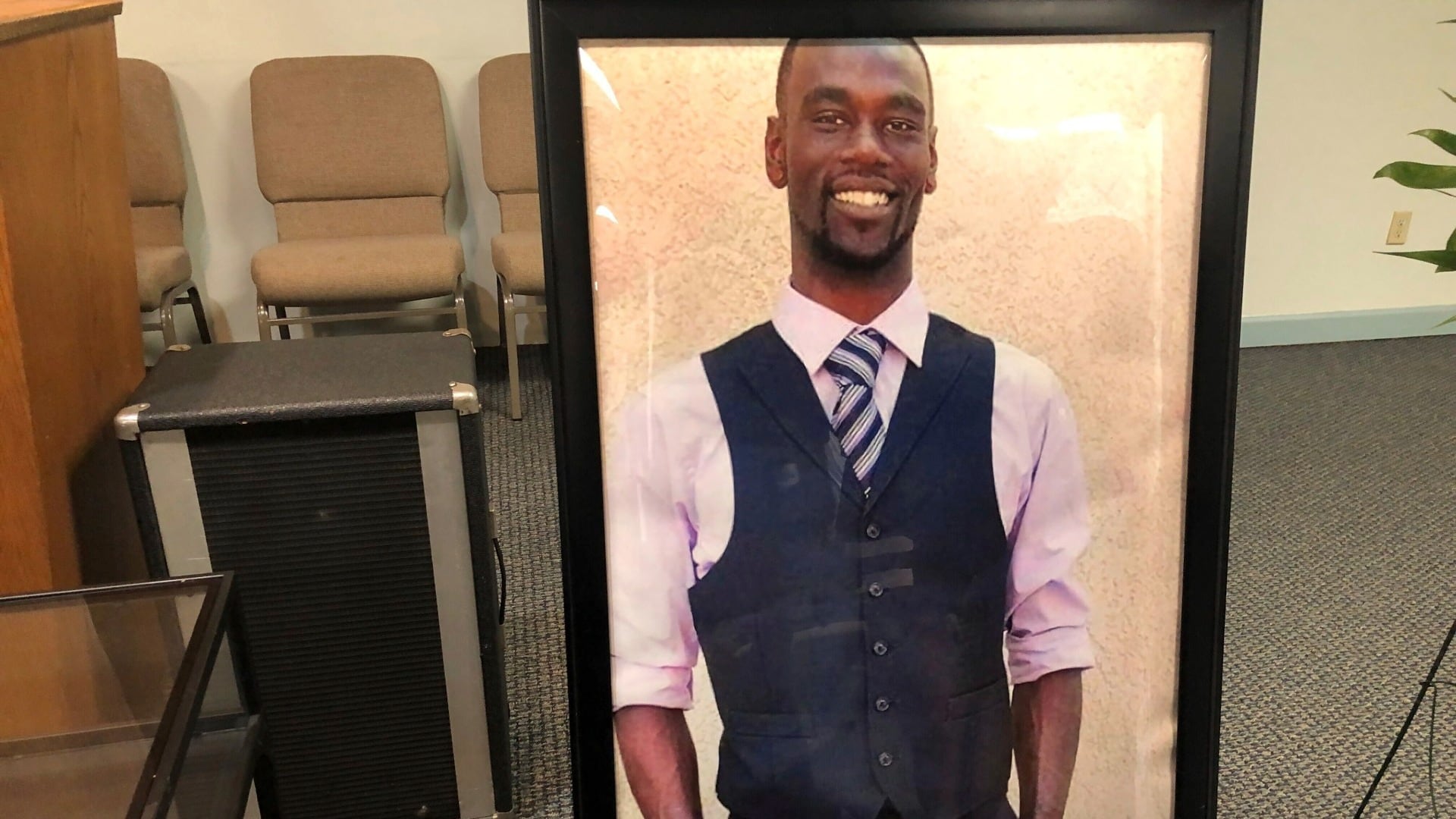
First responders fired after video of police beating Tyre Nichols was released, 10 people show in Lanland, Fla. and winter storm is causing travel troubles. Here is everything you Need2Know for January 31, 2023.
Los Angeles-based FluentPet has developed a series of tiles it claims help four-legged companions communicate with their humans.
The World Health Organization chief says the coronavirus remains a global health emergency.