The famed Darwin's Arch in the Galapagos Islands has lost its top, and officials are blaming natural erosion of the stone.
Ecuador's Environment Ministry reported the collapse on its Facebook page on Monday.
The rock structure — 43 meters (141 feet) high, 70 meters (230 feet) long and 23 meters (75feet) wide — is less than 1 kilometer (about half a mile) from Darwin Island and it's a popular spot for scuba divers. It's not accessible by land.
“Obviously all the people from the Galapagos felt nostalgic because it’s something we’re familiar with since childhood, and to know that it has changed was a bit of a shock," said Washington Tapia, director of conservation at Galapagos Conservancy. "However, from a scientific point of view, it’s part of the natural process. The fall is surely due to exogenous processes such as weathering and erosion which are things that normally happen on our planet.”
The unique flora and fauna on remote islands, some 1,000 kilometers (600 miles) off the coast of mainland Ecuador are famed in part for inspiring Charles Darwin's thoughts on evolution.
Abortion pills could be difficult to get as a federal judge in Texas is expected to rule as early as today if the FDA's approval of the drug will be overturned.
The Ohio Department of Natural Resources estimated that more than 38,000 minnows died with 5,500 additional species of fish, amphibians, and crayfish also possibly impacted by the toxic spill.
Transgender youth in Tennessee would be banned from receiving gender-affirming care under legislation currently headed to Republican Gov. Bill Lee’s desk.
Plant-based, non-dairy milk producers scored a win when the Food and Drug Administration issued guidance stating products like almond, oat, and soy options can be called milk.
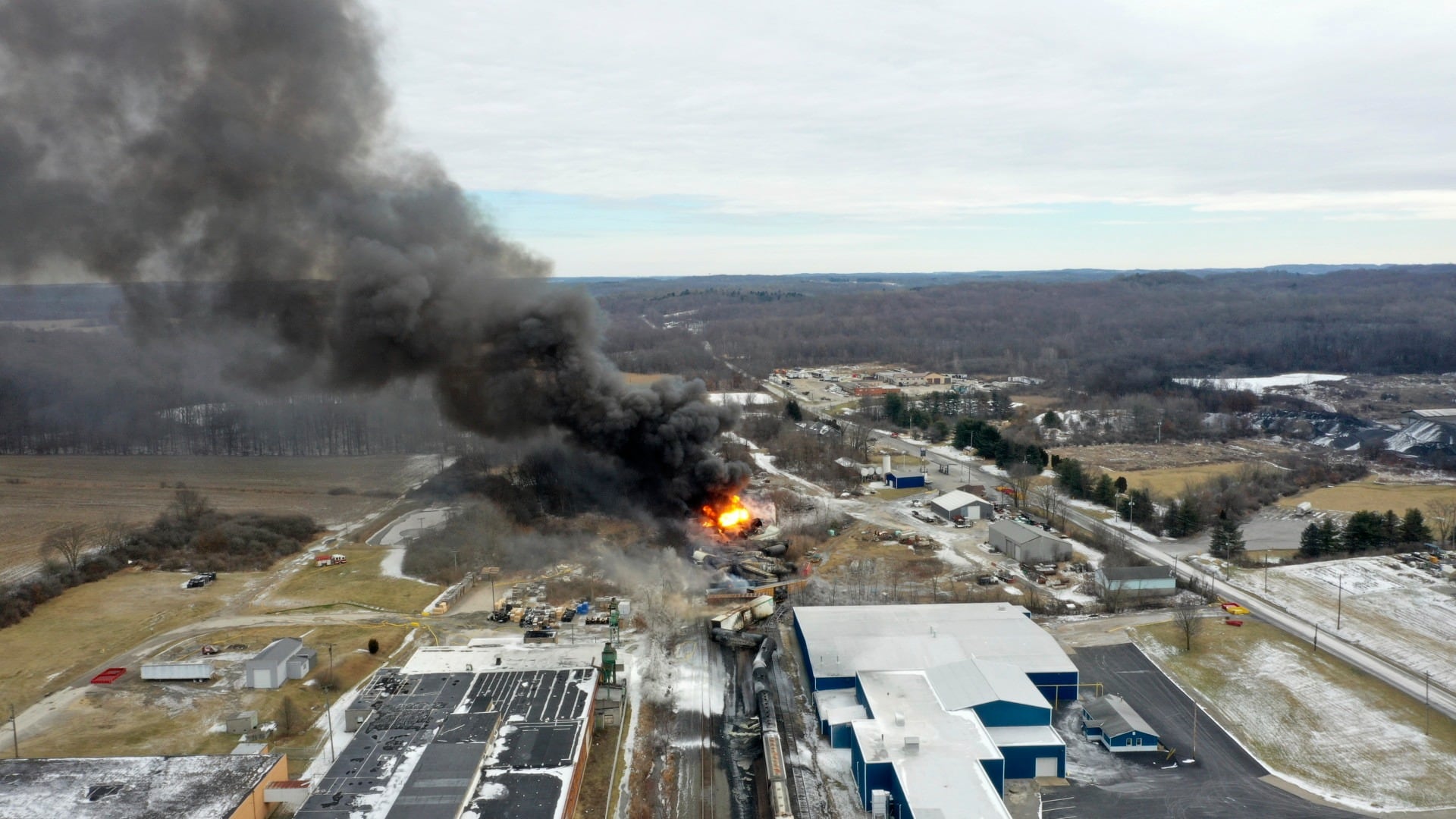
The U.S. Environmental Protection Agency ordered Norfolk Southern on Tuesday to pay for the cleanup of the East Palestine, Ohio train wreck and chemical release.