'Dark Money' Documentary Follows the Money in Politics
*By Max Godnick*
Ever since Watergate, investigative journalists have been urged to ["follow the money"](https://www.youtube.com/watch?v=vETxuL7Ij3Q) to find the truth in politics. But how do you locate the funds that come from undisclosed donors?
"Dark Money" is a new documentary that aims to answer that very question. The film makes its national broadcast debut on PBS on Monday night, shining a detective's flashlight on mysterious corporate spending in politics.
"As a filmmaker, it was just a good mystery novel sort of spy thriller story that I knew we'd be able to tell," the film's director/producer Kimberly Reed told Cheddar on Monday.
The documentary extrapolates from a particular situation in Montana to explore a larger, more national problem in U.S. politics. Reed spends most of "Dark Money" tracking local journalist John S. Adams's attempt to uncover the truth about the funding behind her home state's tangled elections.
"I could see the storm brewing," Reed said. "It's a really good case study, because we can actually connect all of the dots."
Reed described "dark money" as any funding that "makes its way into an election, and you don't know where it's coming from."
Those contributions have been legally permitted ever since the 2010 landmark U.S. Supreme Court decision on *Citizens United v. FEC*, which established campaign spending as a form of First Amendment-protected political speech.
"That's just a recipe for corruption," Reed said. "I just think that our democracy was founded with the assumption that we're going to know who's trying to influence our politics."
She pointed to the hyper-centralization of dark money groups as the part of the problem that scares her most acutely. The unidentified financing stems from a small handful of groups, with just 15 organizations accounting for all dark money spending since 2010. The largest is Crossroads GPS, led by Bush-era political operative Karl Rove. The organization has since changed its name but still acts as the same entity.
Reed noted that the issue is non-partisan, with equal-opportunity offenders hailing from both sides of the aisle. But she did add that conservatives were the first to "weaponize" the funding tactic ー and the left has led the charge in finding legislative solutions.
With just weeks to go before the midterm elections, Reed cautioned voters and watchdogs alike to be mindful of this less-salacious corner of corruption and scandal ー the funding without high-profile names attached.
"Where we see big anonymous money going into elections, that's where we need to pay attention, especially if there's foreign influence behind it," she said.
For full interview [click here](https://cheddar.com/videos/shady-campaign-finance-stars-in-new-documentary).
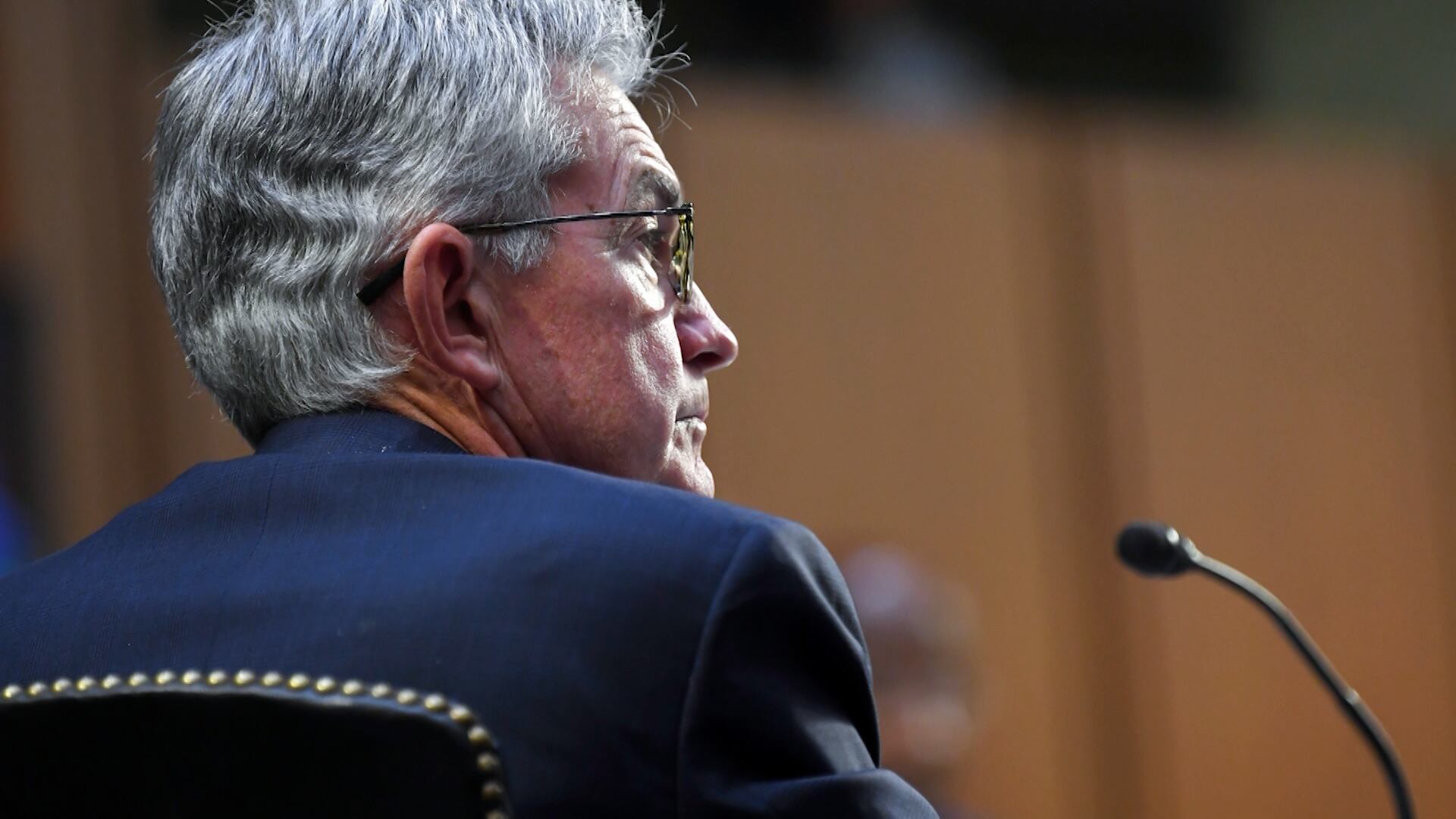
President Joe Biden named Jerome Powell, initially appointed by President Trump, to keep his seat as the chair of the Federal Reserve on Monday amid the ongoing challenges of the pandemic, inflation, and unemployment. David Beckworth, a former international economist for the Treasury Department and a senior fellow with the Mercatus Center, joined Cheddar to discuss what he sees as the practicality of Biden's decision. "What Powell brings to the table is he's built up political capital with Republicans and Democrats," he said. "It's easy for him to get the job done. I think in one way he was the path of least resistance for the president."
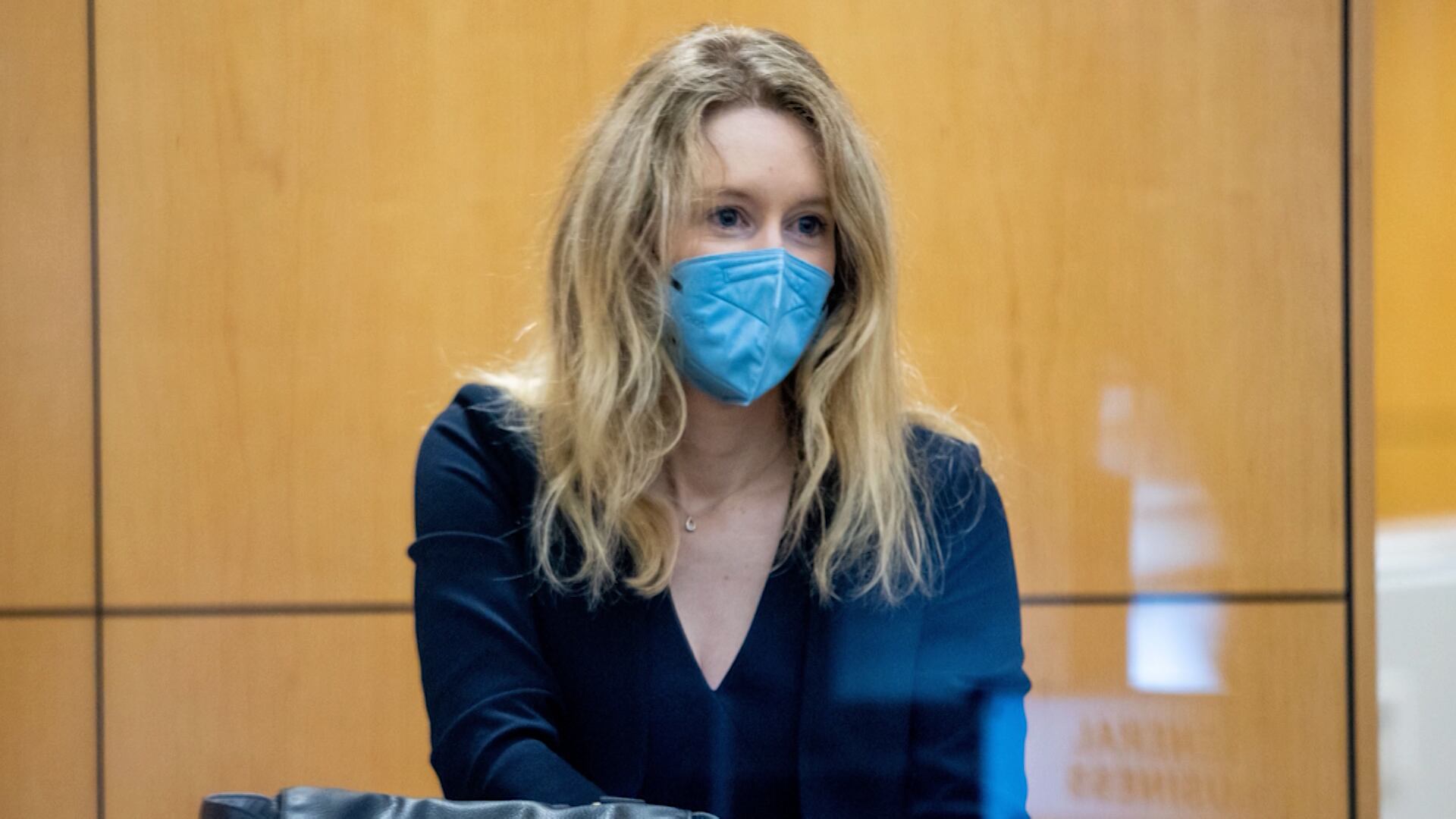
In a surprise turn of events, Elizabeth Holmes took the stand in her own defense on Friday and is expected to continue her testimony later today. Holmes, who founded a blood testing start-up Theranos back in 2003, faces 11 counts of wire fraud as well as conspiracy to commit wire fraud. Aron Solomon, Chief Legal Analyst, Esquire Digital joined Cheddar's Opening Bell to discuss.
Jill and Carlo cover the developing story out of suburban Milwaukee, where a speeding SUV careened through a Christmas parade. Looters get more brazen in San Francisco, the missing Chinese tennis star resurfaces, and more.
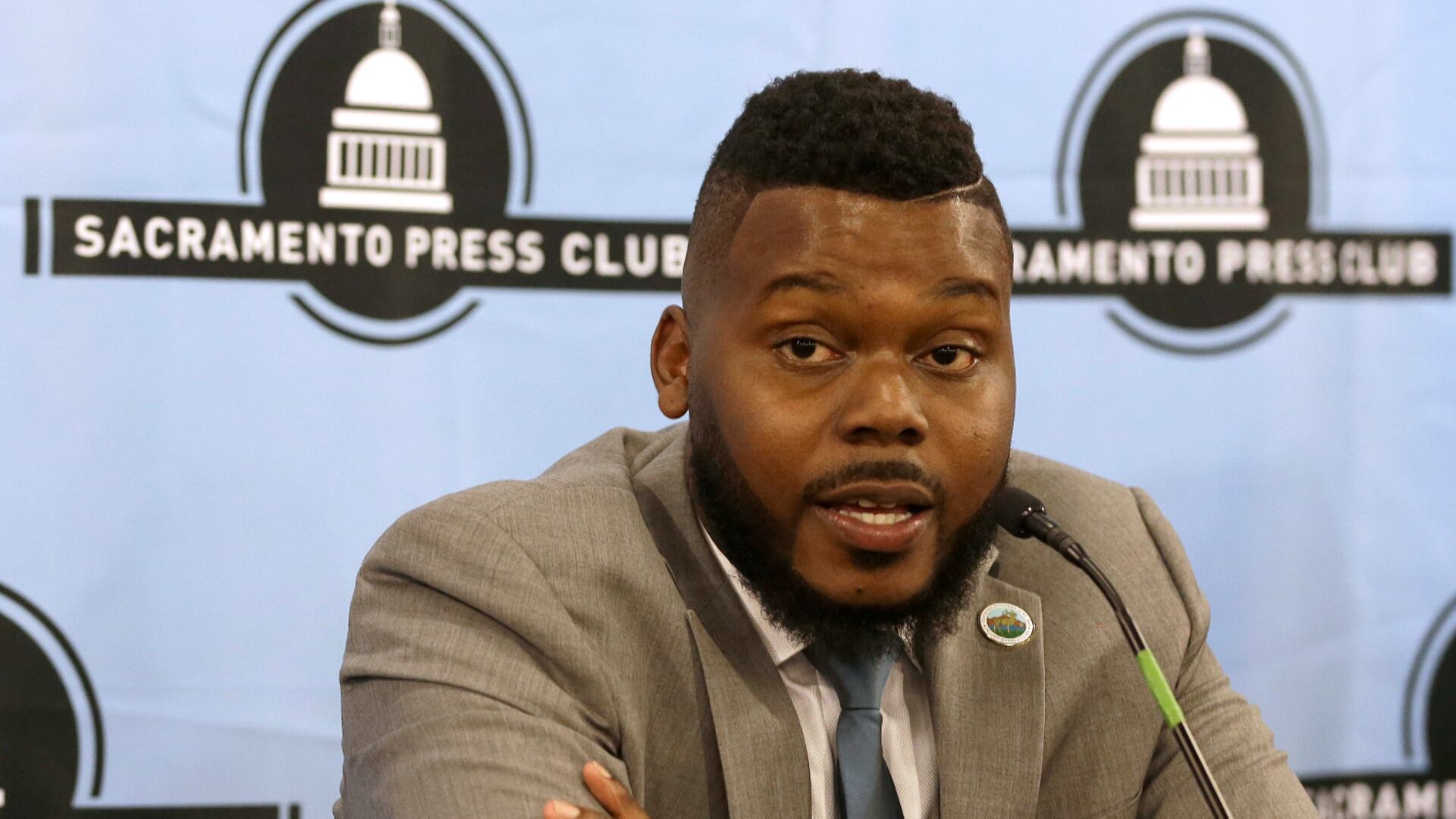
Michael Tubbs, former Mayor of Stockton, California and author of 'The Deeper the Roots,' joined Cheddar Movers to talk all about his new memoir, and his ongoing fight to make meaningful change in his community.
The House narrowly passed President Biden's $1.7 trillion Build Back Better bill, the largest expansion of the social safety net in decades. The final vote was 220 to 213, with only one Democrat joining all Republicans in opposing the bill. It now heads to the Senate, where it faces an uncertain fate. Jennifer Haberkorn, congressional reporter for the Los Angeles Times, joins Cheddar News' Closing Bell, where she breaks down the current version of the bill, where it goes next, and what it could mean for the country if it eventually reaches the president's desk.
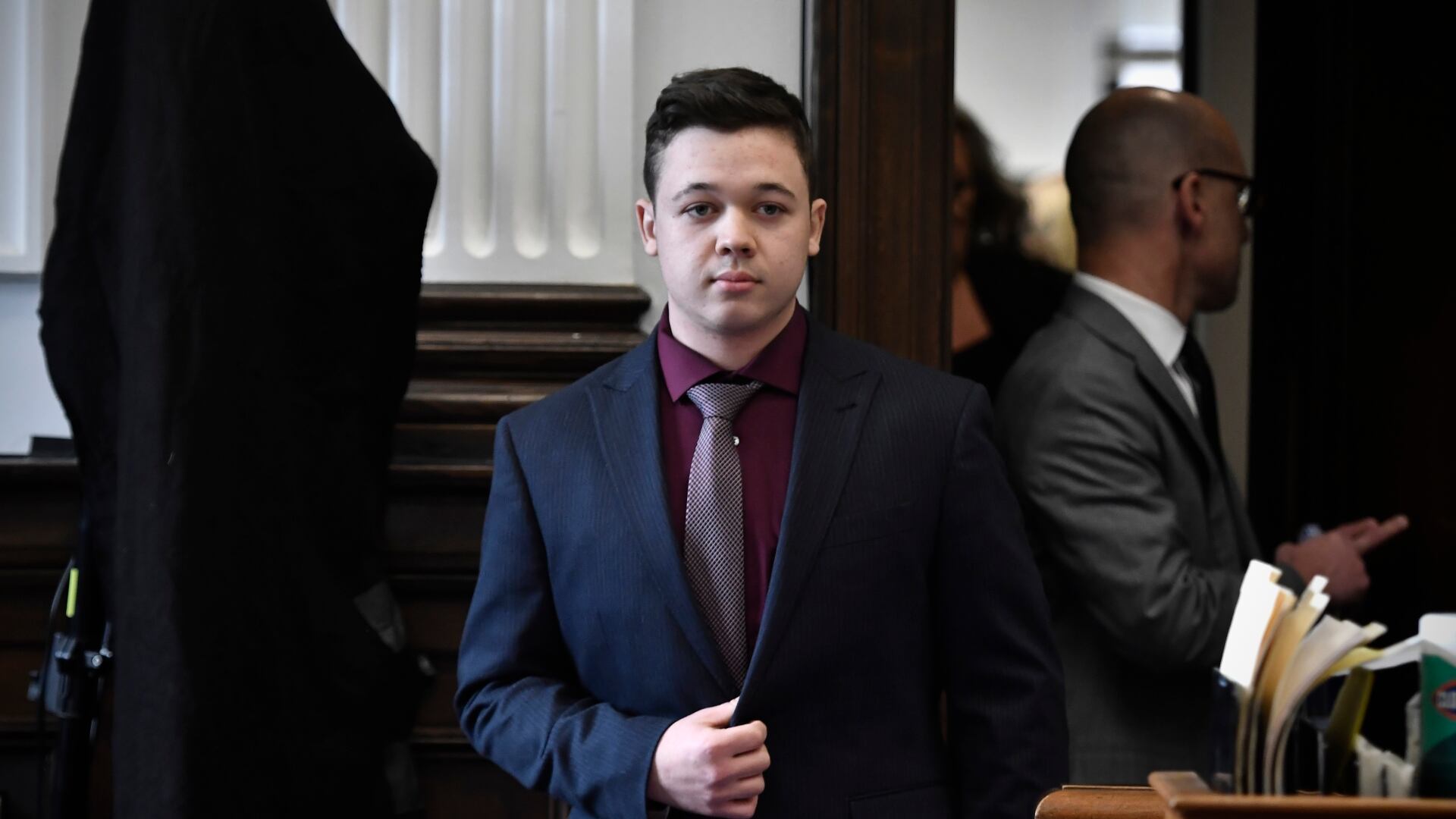
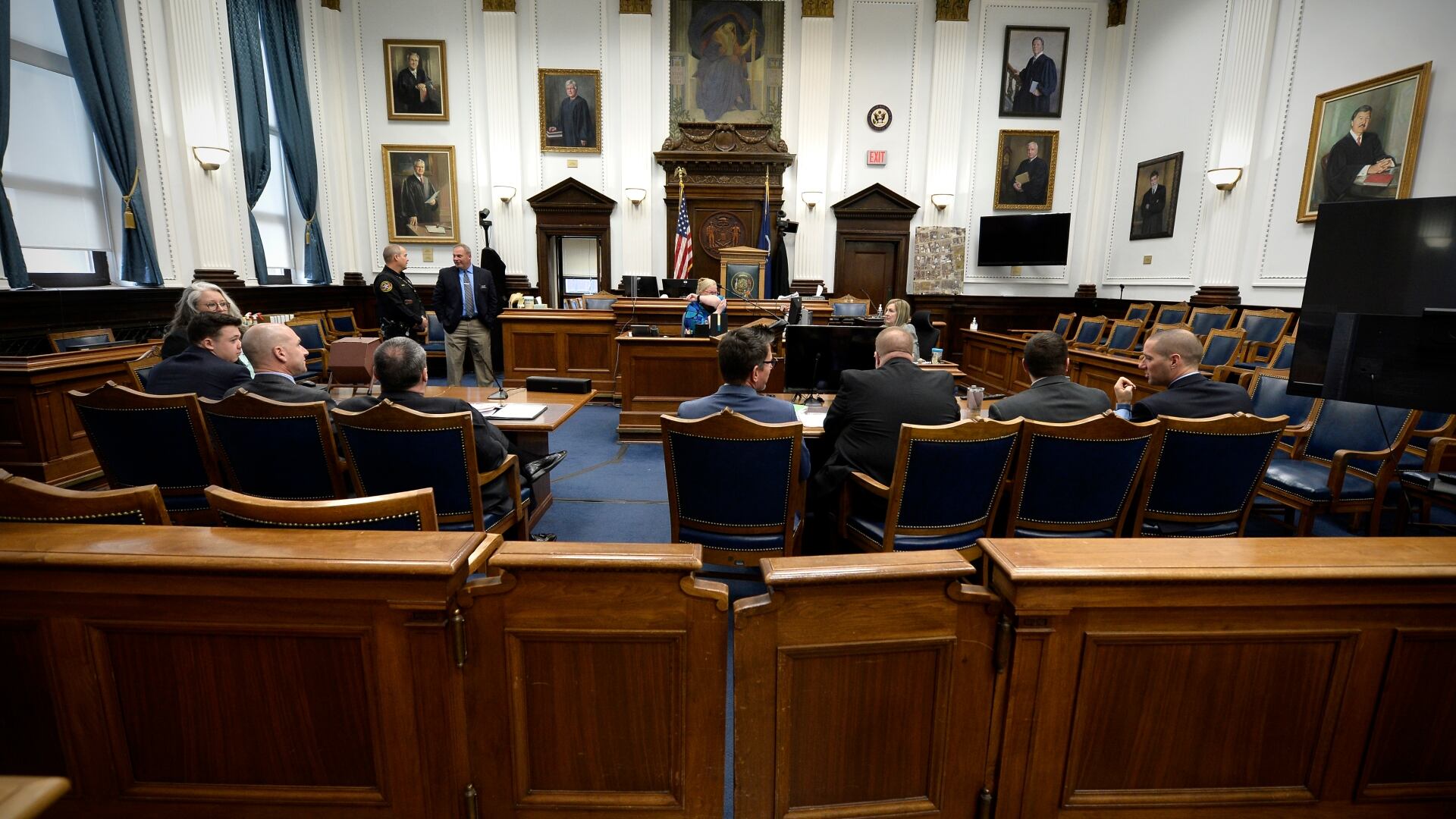
Two murder trials in focus in America — Wisconsin V. Kyle Rittenhouse and Georgia V. Travis Mcmichael, Gregory Mcmichael, and William Bryan, the Men who killed Ahmaud Arbery. Civil rights and criminal defense lawyer Anthony Tall and the Founder and CEO of Kim Crowder consulting Kim Crowder, joined Cheddar to discuss more.
Rep. Ruben Gallego (D - Arizona) joined Cheddar to discuss the passing of President Biden's Infrastructure Bill and his new book, 'They Called us 'Lucky,' about his time serving in the Iraq War.