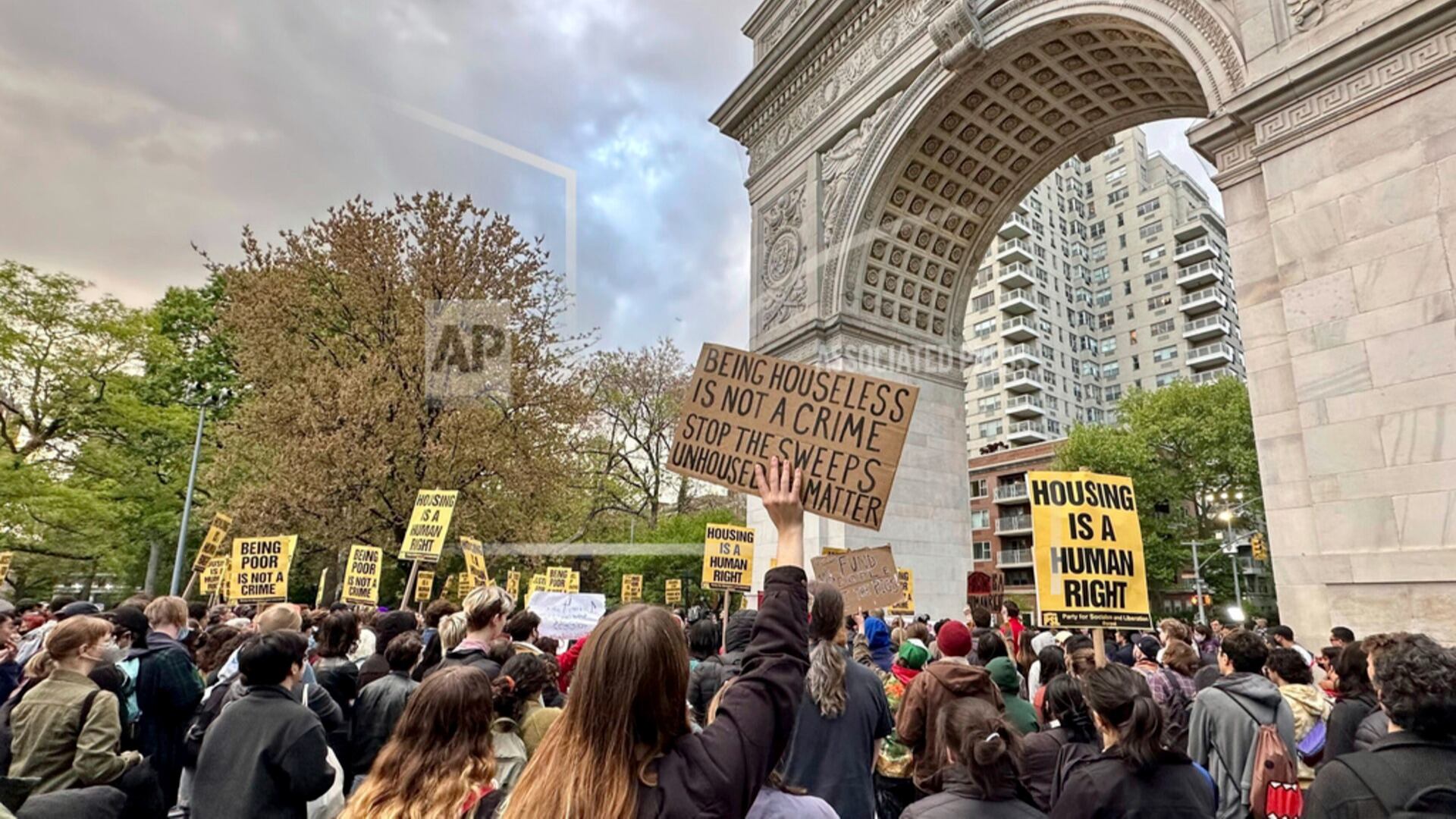
A group of several hundred people protest the death of Jordan Neely, Friday, May 5, 2023, at Washington Square Park in New York. Neely, a locally-known Michael Jackson impersonator who friends say suffered from worsening mental health, died Monday, May 1, when a fellow rider pulled him to the floor and pinned him with a hold taught in Marine combat training. (AP Photo/Brooke Lansdale)
By Jake Offenhartz and Michael R. Sisak
A man who kept a chokehold around the neck of an agitated fellow passenger in the New York City subway, leading to the other rider's death, turned himself in to authorities Friday on a manslaughter charge that could send him to prison for 15 years.
Manhattan prosecutors announced Thursday they would bring the criminal charge against Daniel Penny, 24, a U.S. Marine Corps veteran, in the May 1 death of Jordan Neely, 30.
Penny turned himself in at a Manhattan police station Friday morning.
Neely's death, captured on video by a freelance journalist, has raised an uproar over many issues, including how those with mental illness are treated by the transit system and the city, as well as crime and vigilantism.
Thomas Kenniff, one of Penny's attorneys, said Penny turned himself in “voluntarily and with the sort of dignity and integrity that is characteristic of his history of service to this grateful nation.”
In a brief statement to reporters outside the police station, Kenniff said that he expected an arraignment later Friday and that the process “will unfold from there.”
Asked how Penny was feeling, Kenniff said his client “is dealing with the situation, like I said, with the sort of integrity and honor that is characteristic of who he is and characteristic of his honorable service in the United States Marine Corps.”
Penny's attorneys have said he acted in self-defense when he restrained Neely.
According to an onlooker, Neely, who is Black, had been screaming and begging for money aboard the train, but had not gotten physical with anyone.
Penny, who is white, was questioned by police in the aftermath but was released without charges.
Friends of Neely said the former subway performer had been dealing with homelessness and mental illness in recent years. He had several arrests to his name, including the 2021 assault of a 67-year-old woman leaving a subway station.
A second-degree manslaughter charge in New York will require the jury to find that a person has engaged in reckless conduct that creates an unjustifiable risk of death, and then consciously disregards that risk.
The law also requires that conduct to be a gross deviation from how a reasonable person would act in a similar situation.
_____
Associated Press writer Karen Matthews contributed to this report.
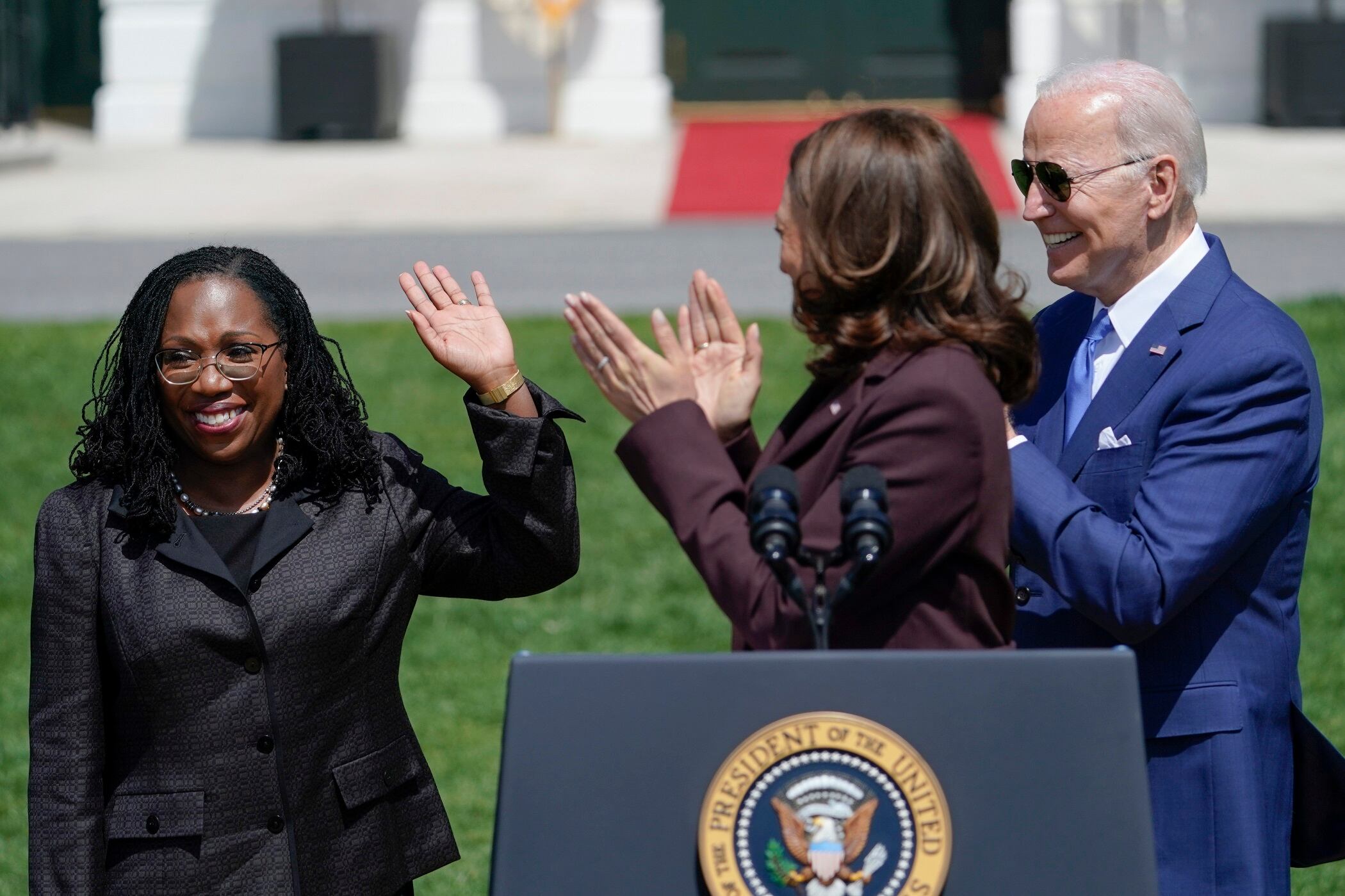
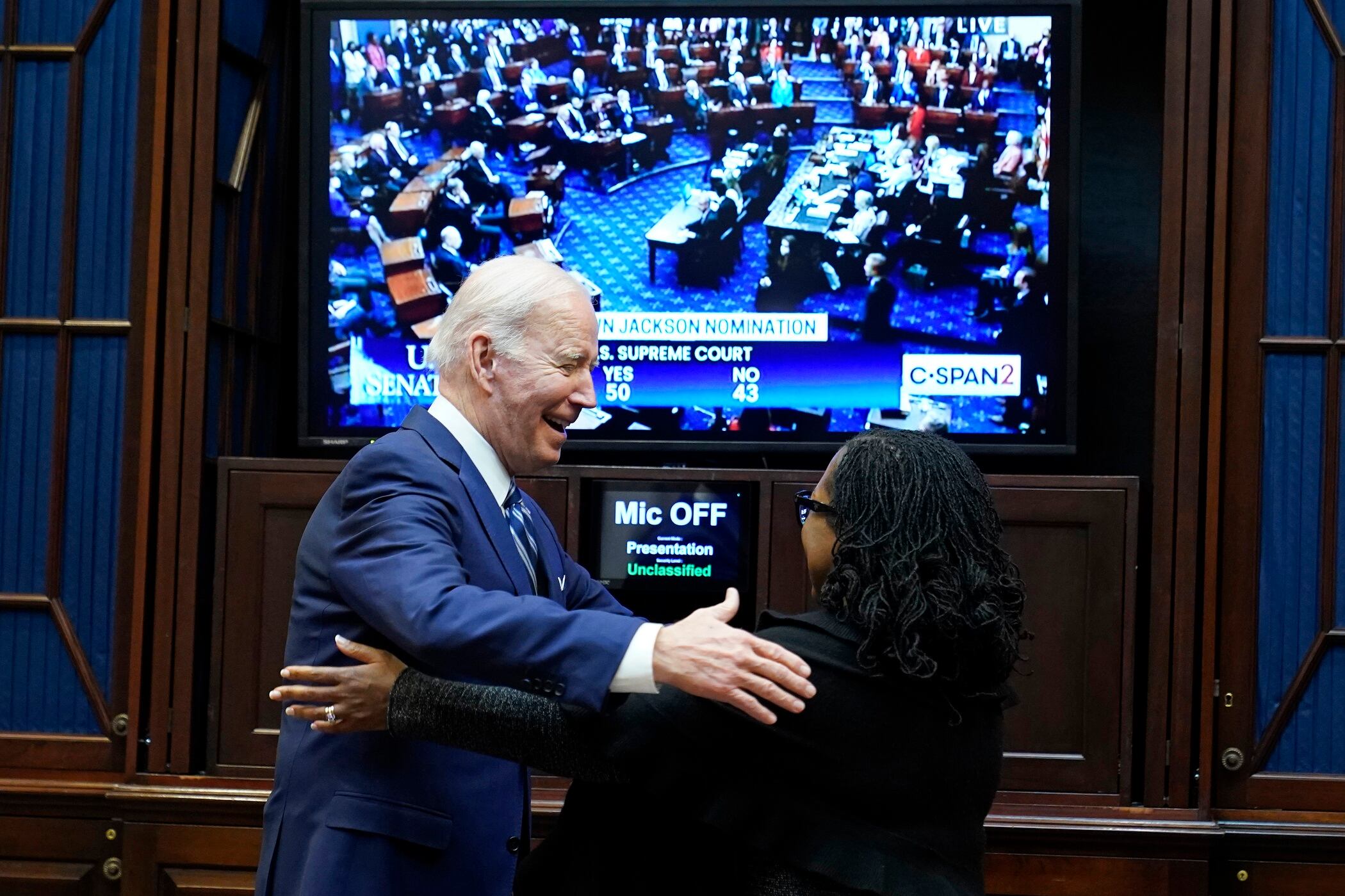
Tearfully embracing a history-making moment, Judge Ketanji Brown Jackson said Friday her confirmation as the first Black woman to the Supreme Court showed the progress of America.
Krutika Amin, associate director at the Kaiser Family Foundation for the Program on the Affordable Care Act, joins Cheddar Politics to discuss the Biden administration's plan to fix the so-called 'family glitch' in the Affordable Care Act preventing millions of Americans from accessing government-subsidized health plan.
Abdallah Fayyad, opinion writer at the Boston Globe, joins Cheddar Politics to discuss the House's vote to hold former Trump aides Dan Scavino and Peter Navarro in contempt of Congress and send the recommendation to the Department of Justice. Fayyad also weighs in on the pressure facing Attorney General Merrick Garland to be more aggressive in prosecuting the January 6 case.
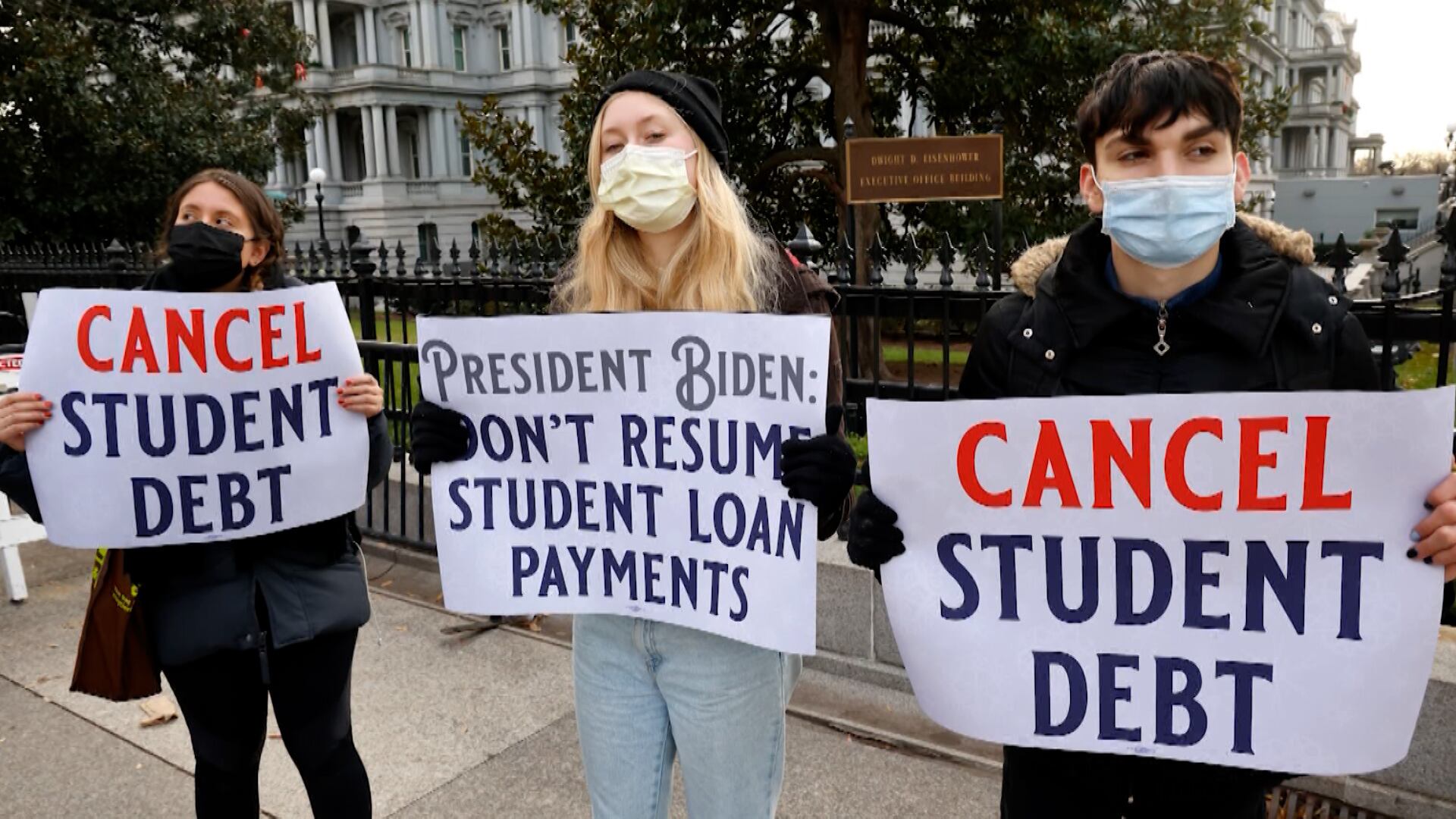
Those paying back federal student loans are getting a few extra months of relief. President Biden just announced another extension of the pandemic relief program allowing millions of borrowers to freeze their student loan payments. The pause began in March 2020 and it has been extended six times. Tomas Campos, co-founder and CEO of Spinwheel, joins Cheddar News to discuss.
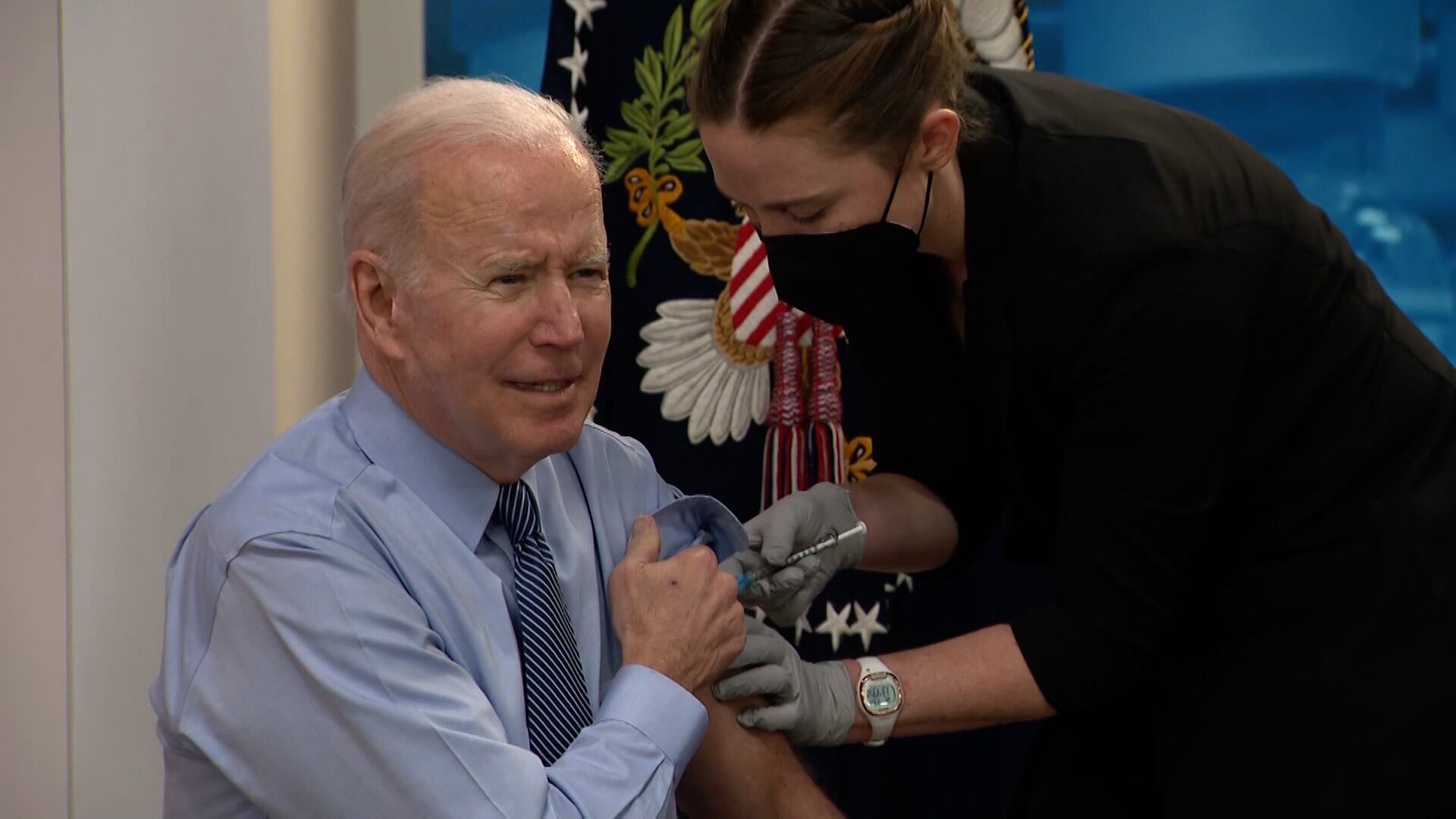
There has been notable disagreement in the medical community about a fourth COVID-19 vaccine dose. The FDA last week authorized a second booster dose for older and immunocompromised individuals, as some agency officials did not support the idea. The FDA made the decision without meeting with its advisory committee, as it had ahead of its recommendations on the previous COVID-19 vaccine doses.
The CDC followed in the footsteps of the FDA and authorized a fourth dose as well. Reports say the agency also did not discuss the move with its own advisory team of vaccine experts. Now, a growing number of doctors are speaking out against the decisions - leaving people confused about whether they should get another vaccine dose. Dr. Julie Morita, a member of the CDC's advisory committee to the director, and the executive vice president of the Robert Wood Johnson Foundation, joins Cheddar News' Closing Bell to discuss.
The Senate has confirmed Ketanji Brown Jackson to the Supreme Court, shattering a historic barrier by securing her place as the first Black female justice and giving President Joe Biden a bipartisan endorsement for his effort to diversify the court
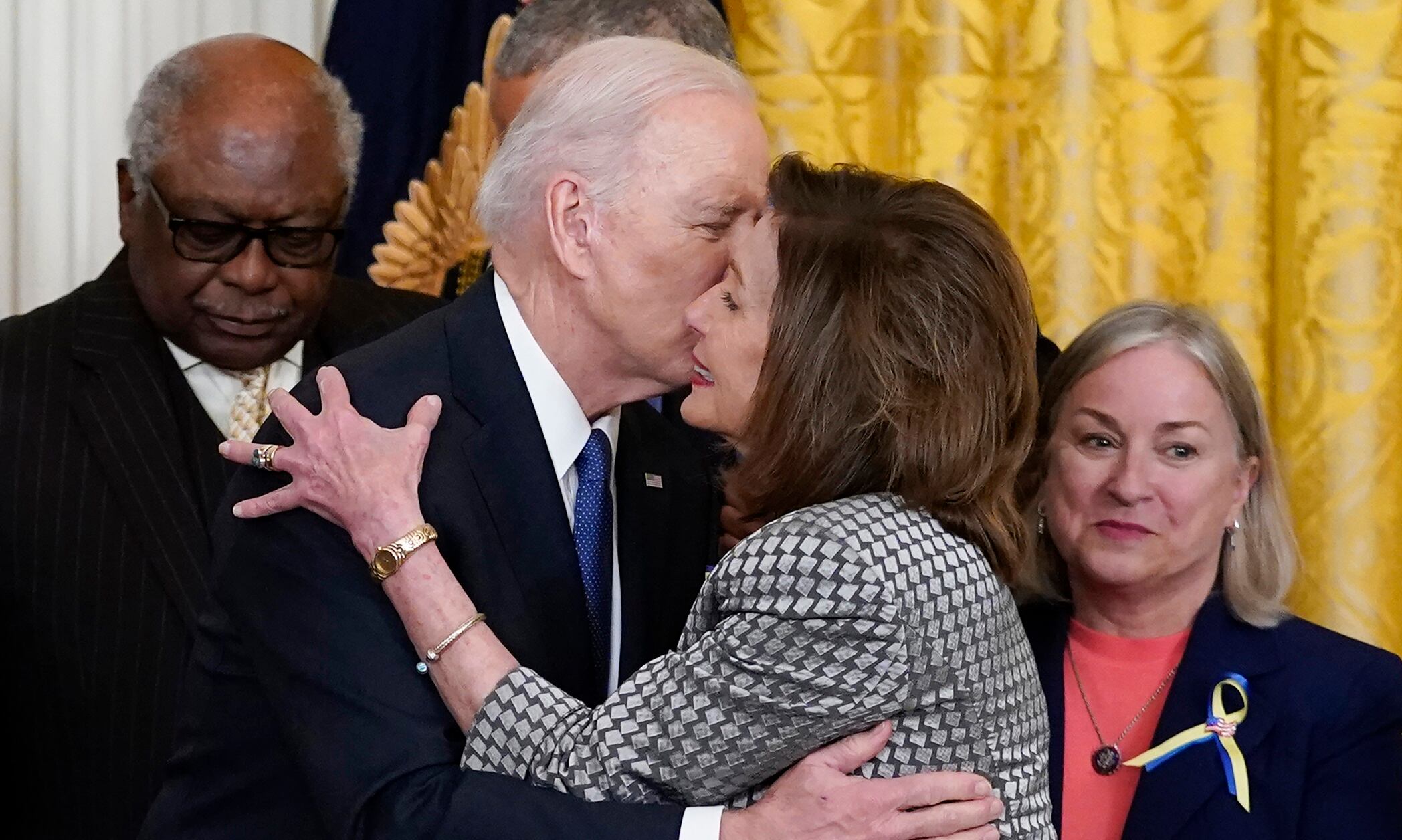
House Speaker Nancy Pelosi has tested positive for COVID-19, her spokesman says. That's a day after the 82-year-old Democratic leader appeared unmasked at a White House event with President Joe Biden.