Danica Roem is all of the Monday Motivation that You Need
Delegate-elect Danica Roem is just a few weeks away from being sworn in to the Virginia House of Delegates, which will make her the first openly-transgender person to serve in any state legislature in the country. She says she was able to win her seat by being “unabashedly” herself, having a strong team, and sticking to core issues.
“Be who you are and be that well,” Roem said. “Champion the things that are near and dear to you, and go win.”
Roem, a Democrat, expressed concerns about the Republican tax plan, specifically its impact on state and local tax deductions. She says that if SALT deductions go away, people will now have to pay an extra tax to the government. She encourages constituents to organize and to read the GOP’s Tax Bill once it’s out. Roem told Cheddar that if the bill is “as bad as we anticipate,” the people need to “raise hell and win.”
“There’s so many issues that directly affect people’s lives, and also affect our localities’ ability to raise money, and affect the state government’s ability to raise money, ” she said.
Still, Roem says that she will be seeking out support from Republican counterparts and from Republican voters alike. While she foresees disagreement over topics like medicaid expansion, she does hope to be able to work with Republicans to impact other legislations, such as infrastructure issues.
For full interview [click here.] (https://cheddar.com/videos/danica-roems-advice-for-anyone-who-wants-to-make-a-difference)
Progress for the LGBTQ community was made last week when Andi Mudryk, a long-time disability advocate, became the first openly transgender person appointed to the bench in California. Chris Johnson, White House reporter for the Washington Blade, joins Cheddar News to discuss.
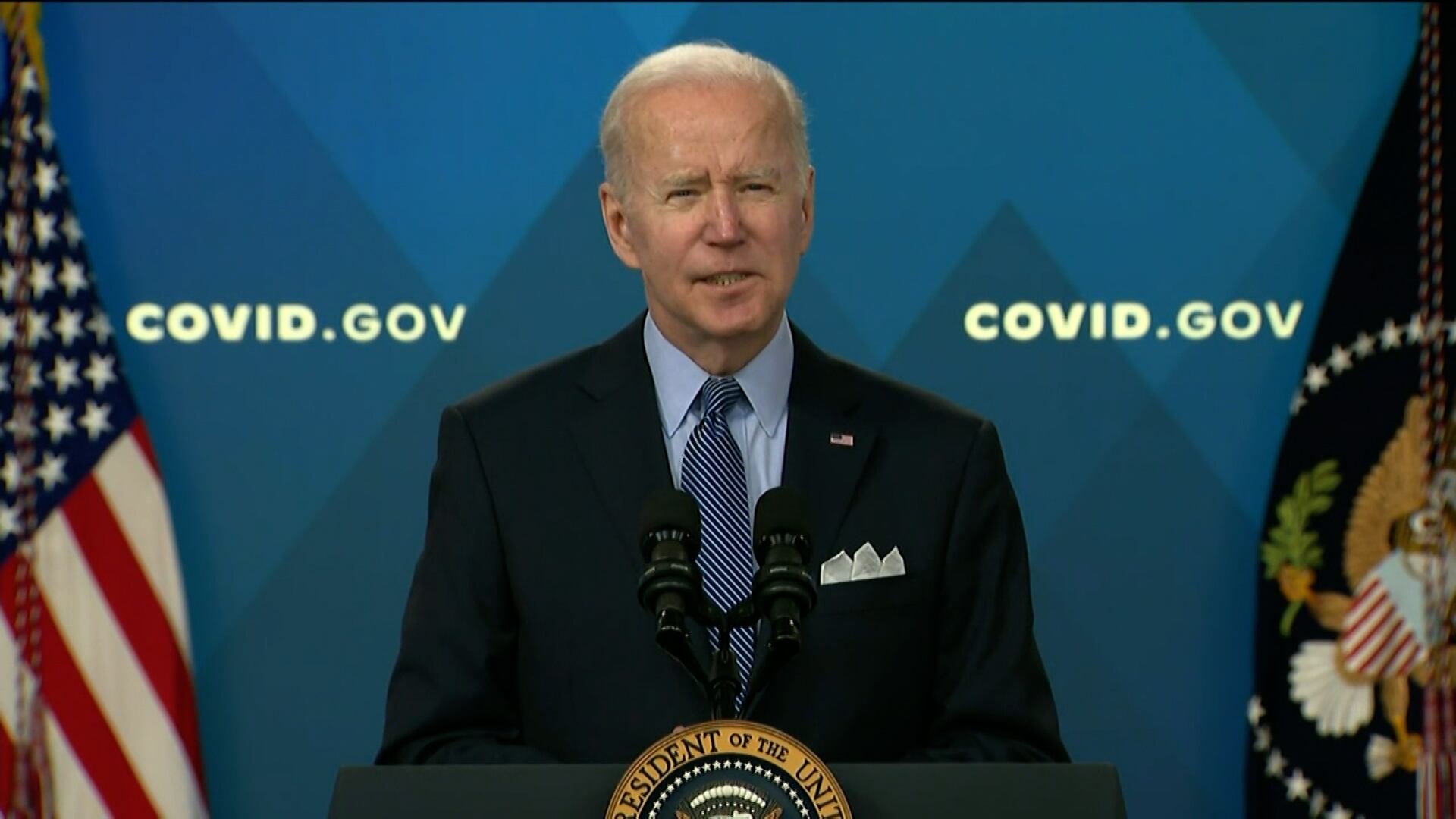
President Biden proposed a new billionaire’s tax, that would subject the richest Americans to a minimum tax rate of 20 percent. The White House says billionaires pay an average tax rate of just eight percent, much lower than the national average of 22 percent. Cheddar News speaks with ProPublica’s Paul Kiel who explains how the regulation would work.
The most popular and most valuable cryptocurrency is also the least eco-friendly - data shows that Bitcoin mining generates the same amount of carbon emissions as the entire country of Thailand. According to nonprofit Fair Planet, 96 million tons of carbon dioxide emissions come from Bitcoin mining every year. Now, a consortium of climate activist groups is calling on the Bitcoin industry to cut its energy use by making changes to its software code. Michael Brune, former executive director of the Sierra Club, joins Cheddar News' Closing Bell to discuss.
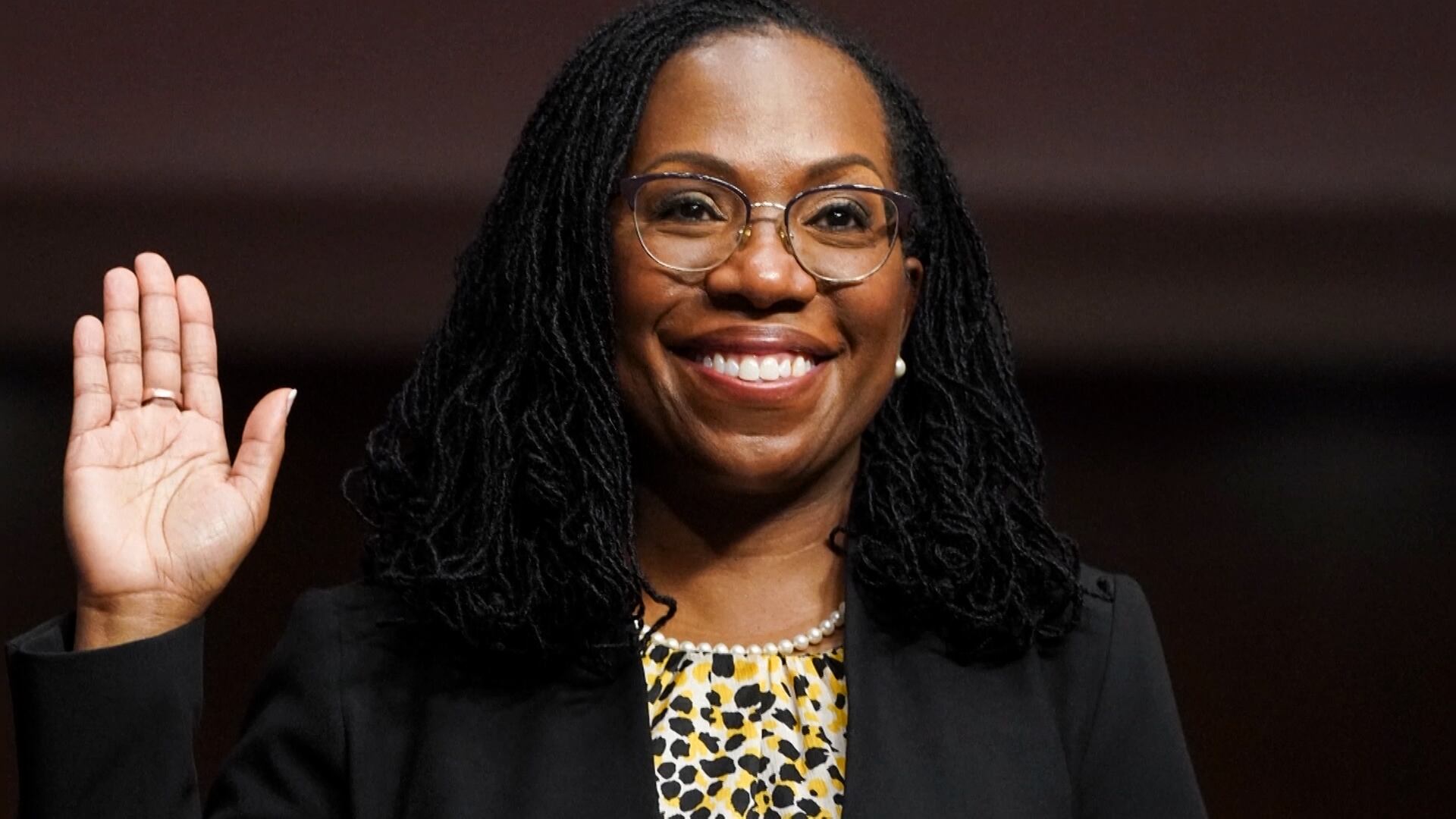
Imani Gandy, senior editor for law and policy at Rewire News Group, and co-host of the podcast Boom! Lawyered, joins Cheddar Politics to discuss Ketanji Brown Jackson's upcoming confirmation hearings, and the politics surrounding several Republican attack lines against her in the lead-up.
Susannah Wellford, founder and CEO of Running Start, joins Cheddar News to discuss getting more women involved in politics. Running Start helps provide women and girls the tools they need to get involved in politics, and to see a future where they can become political leaders.
Congressional candidate Melanie D'Arrigo came on Cheddar Politics to talk about her campaign for the Democratic nomination in New York's Third Congressional district. The progressive activist ran in the 2020 primary against incumbent Democratic Rep. Tom Suozzi. The seat is open this time, as Suozzi seeks the New York Governorship.
Reecie Colbert, founder of Black Women Views Media, breaks down the roles of race and partisanship in the Senate hearings for Supreme Court Nominee Judge Ketanji Brown Jackson. She also discusses the importance of standing up for Black women in the public sphere.
Michael Kirk, director of the new Frontline documentary 'Pelosi's Power,' joins Cheddar Politics to discuss House Speaker Nancy Pelosi's long career as a Democratic leader in Congress.
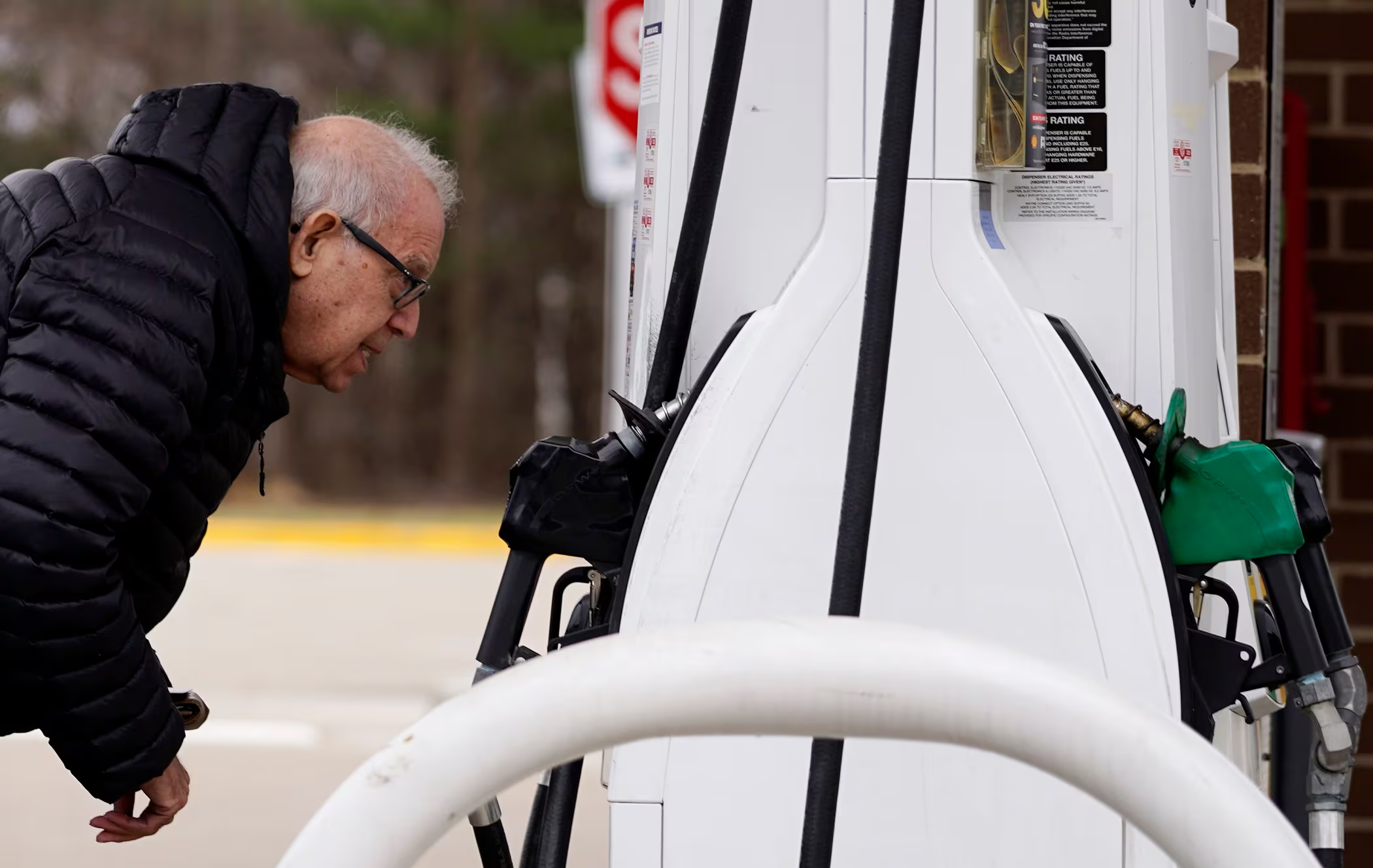
President Joe Biden is ordering the release of 1 million barrels of oil per day from the nation’s strategic petroleum reserve for six months in a bid to control energy prices.