New York Governor Andrew Cuomo suggested the state is beginning to reach its apex of coronavirus cases, though he cautioned that numbers are changing daily.
Announcing 599 deaths in the last 24 hours, Cuomo called the fatality number “effectively flat for two days,” which he said hints at a possible flattening of New York’s curve, along with fewer hospital and ICU admissions. Early projections showed the state would need 55,000 to 110,000 hospital beds, and the governor noted that the state is tracking at a rate lower than the initial modeling suggested.
“If we are plateauing, it’s because social distancing is working,” he said, however, he also stated that numbers could still continue to rise.
“The big question that we’re looking at now is: what is the curve?” he asked rhetorically, before saying that the curve could either be a short peak or a longer plateau, which would still overburden an already strained system.
Cuomo said the state will continue moving ventilators to New York City's public hospital system and that the state will continue its “surge and flex” program to shift gear and equipment to hospitals most pressed at any given time.
“This is a hospital system where we have our foot to the floor, and the engine is at redline and you can’t go any faster,” he described. “Staying at this level is problematic.”
The governor also announced an extension of NY Pause, extending restrictions on schools and nonessential businesses to April 29 and that he planned to ask President Trump to designate the USNS Comfort, currently being underutilized due to what Cuomo said was lower-than-expected non-COVID hospitalizations, a treatment center for coronavirus patients.
When asked about the availability of ventilators, Cuomo said “all of them” are being used. “We’re beyond capacity.”
“We are into the Plan B, C, D that we outlined,” he said. But, “we don't need any ventilators right now,” he said on his way out of the press conference. Despite hospitals using BIPAP machines and splitting ventilators, the New York governor expressed that he does not believe anyone has lost their life due to a lack of equipment or staffing. “The people we lost are the people we couldn’t save.”
He also displayed photos from New York City parks in an effort to chastise people for not staying inside, calling it “wholly unacceptable,” and announced an increase in the maximum fine for breaking social distancing rules to $1,000.
“What right do you have to act irresponsibly in a way that could get you sick, or someone else sick, and then I have to send an ambulance to pick you up and bring you to an emergency room that’s already overburdened?” Cuomo asked.
Regarding drug trials of hydroxychloroquine and Zithromax, Cuomo claimed that they have had some positive results but that those results were anecdotal and not yet conclusive.
Although this week's weather is predicted to be less severe than the 2021 storm, Texans are preparing for the worst - stocking up on supplies and emptying shelves in grocery stores, once again. Some Texans still have not recovered from last year's tragedy, and are heading into the next few weeks with anxiety for what's to come. Leslie Beyer, CEO of the Houston-based energy workforce & technology council, joins Cheddar News to discuss if the Texas grid will fail again.
Student loan debt continues to be a major concern for tens of millions of Americans who collectively owe about $1.7 trillion. Black college students often take on larger amounts of student debt in order to pay for a higher education. In turn, they are more likely to struggle post-graduation with repaying their debt, creating a racial wealth gap divide. Andre Perry, senior fellow at Brookings Institution joined All Hands to help break down the black student debt crisis.
BTS’ hit single “Butter” tops the zeitgeist again, bumping back up to number one on Billboard’s Hot Trending Chart. The chart tracks what songs people are talking about rather than what they're listening to.
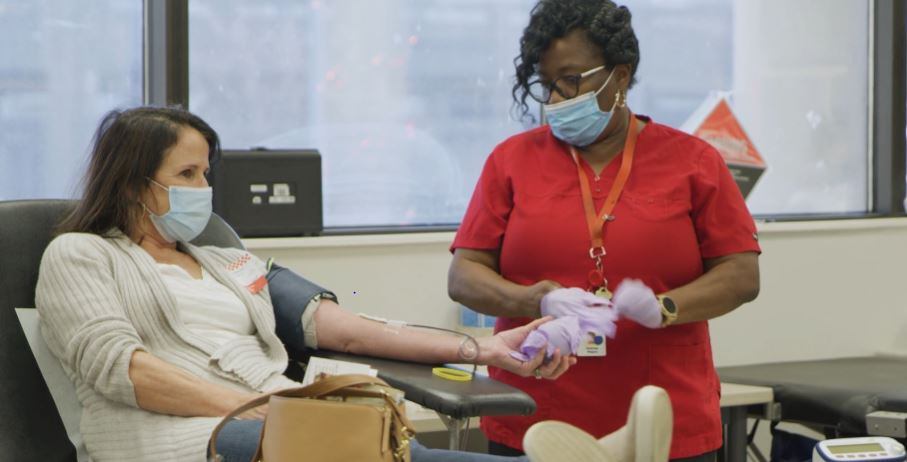
The American Red Cross has declared its first-ever "national blood crisis" in the United States. Since COVID hit the U.S. in March 2020, blood donations have declined by 10 percent. American Red Cross Medical Director, Dr. Baia Lasky joined Cheddar News to discuss the country facing the worst blood shortage in over a decade. Dr. Lasky noted that as much as 40 percent of Americans are eligible to donate blood but only about 4 percent do so. "This is going to be ongoing," she said. "This is not an acute shortage. We really do need the commitment of people to come out and donate and donate again." Appointments to donate can be made by using the Red Cross Donor App, at RedCrossBlood.org, or calling 1-800-RED CROSS (1-800-733-2767).
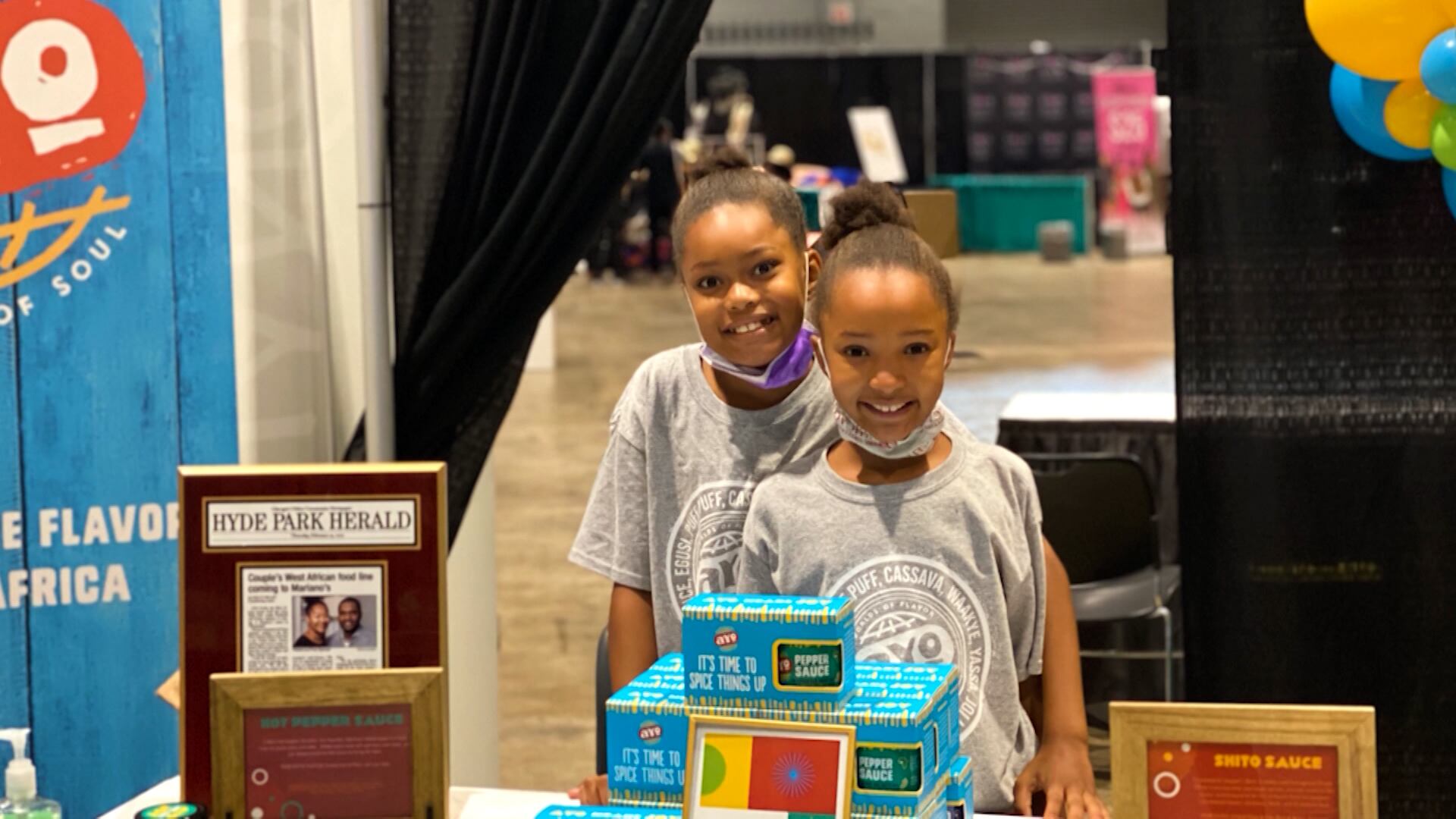
On this episode of ChedHER: Co-Founder of VC firm CaJE breaks down how she's creating a new era of venture capital and empowering Black women with 'soil' funding to start and grow their businesses; AYO Foods Co-Founder discusses how the brand is bringing West African cuisine to the frozen food industry and building a grocery aisle her daughters can be proud of; Chief Marketing & Customer Experience Officer at Chase Auto talks her experience being a woman of color in the auto industry, and why transportation is so important to financial freedom.
Renée Horne, chief marketing and customer experience officer at Chase Auto, joins ChedHER to discuss her experience being a woman of color in the auto industry and why transportation is so important to financial freedom.
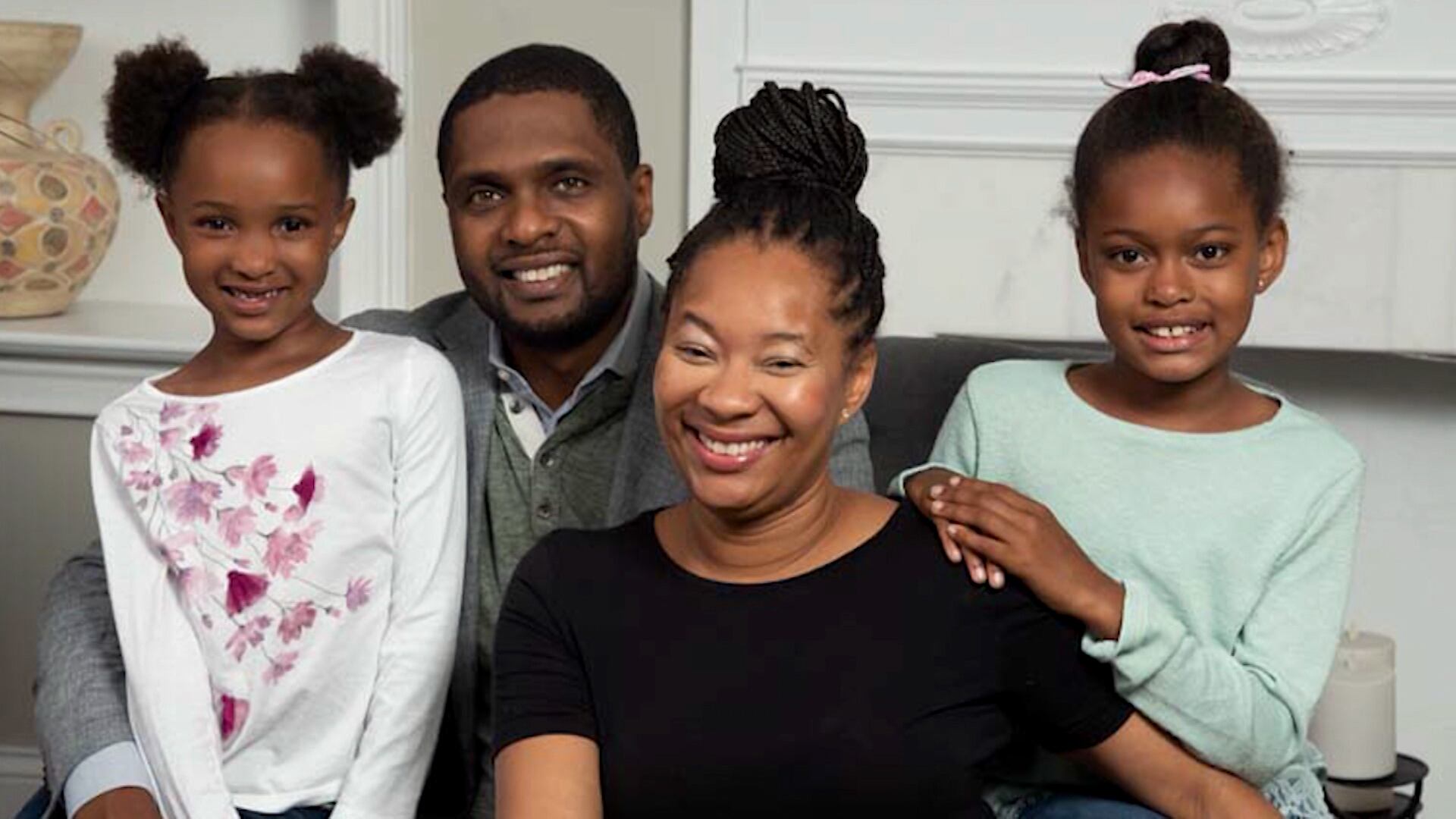
Perteet Spencer, Co-Founder of AYO Foods, joins ChedHER to discuss how the brand is bringing West African cuisine to the frozen food industry and building a grocery aisle her daughters can be proud of.